
Understanding your energy charges involves looking beyond just the amount of electricity or gas you use. Bills include various fees for grid maintenance, regulatory costs, and sometimes even environmental programs. Knowing these components helps you see why your bill might be higher than expected and where you have potential control.
What Are Energy Charges?
At its core, an energy bill tells you how much you pay for power. This power comes from your electric company or gas provider. But the total amount you see isn’t just for the watts or therms you consumed.
There are several parts that make up the final number. Think of it like a layered cake. Each layer represents a different cost.
You need to understand each part to see the whole picture.
The main part of your bill is usually the cost of the energy itself. This is often called the delivery charge or supply charge. It’s what you pay for the actual electricity or natural gas that comes to your home.
The price of this can change often. It depends on things like how much energy is being produced and how much is needed. Weather can play a big role here.
High demand in hot or cold weather can drive up prices.
But that’s not all. There are other important costs. These are for keeping the lights on and the gas flowing safely.
This includes maintaining the wires, pipes, and equipment. It also covers things like meter reading and customer service. These costs are often fixed or have a small per-unit charge.
They ensure the system works reliably every day.
The Many Layers of Your Energy Bill
Let’s dive deeper into the different layers that make up your energy bill. Understanding these can really help you see where your money is going. It’s not just one big charge.
It’s a collection of many smaller ones. Each one has a purpose. Knowing their purpose helps you understand the total cost.
First, there’s the energy consumption cost. This is the most direct cost. It’s calculated by multiplying the amount of energy you used by the price per unit.
For electricity, this is usually in kilowatt-hours (kWh). For natural gas, it’s often in therms or CCF (hundred cubic feet). This number can fluctuate a lot based on your usage.
If you leave lights on or run your heater a lot, this part will be higher.
Next, we have the distribution charge. This is the cost your utility company charges for delivering the energy to your home. It covers the maintenance of power lines, substations, and underground wires for electricity.
For gas, it covers the pipes and the network that brings gas to your house. This cost helps keep the infrastructure safe and working. It’s often a flat fee or a small per-unit charge.
Then there’s the transmission charge. This is a bit different. It’s for the high-voltage lines that carry electricity from power plants to your local distribution network.
Think of it as the cost of moving energy long distances. This is more common with electricity bills. It’s another part of making sure power gets to your neighborhood.
You might also see a customer charge. This is a flat fee that covers the basic costs of providing service to your account. It includes things like billing, meter reading, and customer support.
This charge is usually the same every month, no matter how much energy you use. It helps cover the essential services that keep your account active.
There can also be demand charges. These are more common for businesses but can appear on some residential bills. They reflect the peak amount of electricity a customer draws from the grid at any one time.
If you suddenly turn on many appliances, you create a high demand. Utility companies charge for this peak demand because it strains the grid. Managing your usage to avoid spikes can help lower these charges.
Finally, there are various fees and surcharges. These can include things like regulatory assessment fees, environmental program costs, or public purpose program charges. These often fund state or federal initiatives.
They might go towards energy efficiency programs, renewable energy development, or grid modernization. These are often small but add up. They are important for meeting broader energy goals.
Why Do My Energy Charges Change?
It’s one of the biggest headaches for homeowners: why does the energy charge on my bill jump around so much? You might think you used the same amount of electricity or gas, but the price is different. This is a common puzzle.
Several factors can cause these changes. Understanding them can bring some peace of mind. It helps you predict costs better.
One of the biggest drivers is seasonal demand. In the summer, air conditioners work overtime. This makes electricity demand skyrocket.
In the winter, heating systems run more. This also increases energy use. When demand is high, energy prices often go up.
This is basic economics: more people want it, so it costs more. Your bill will naturally be higher during these peak seasons.
The weather itself plays a huge role. Even without extreme seasons, unusual weather patterns can affect costs. A heatwave in spring or an early cold snap can catch people off guard.
This leads to higher-than-expected usage. Your utility company might also face higher costs to generate or deliver power during extreme weather. Storms can damage equipment, leading to repair costs passed on.
The cost of fuel is another major factor. For electricity generation, this could be coal, natural gas, or even uranium. For heating, it’s often natural gas.
When the price of these fuels goes up on the global market, it directly impacts your bill. Prices for natural gas, for example, can swing wildly. This is due to supply, demand, and geopolitical events.
Regulatory changes and policy shifts can also alter your charges. Governments might introduce new environmental mandates or upgrade grid infrastructure. These projects cost money.
Often, the cost of these upgrades or new programs is passed on to consumers through increased rates or new fees. This ensures the grid is modern and meets new standards.
Utility company operations and investments also matter. Companies need to maintain and upgrade their equipment. They might invest in new power plants or renewable energy sources.
These investments are spread across all customers. They contribute to the overall charges on your bill. The goal is a reliable and efficient energy system for everyone.
Finally, your own usage habits are key. Did you have guests stay over? Did you buy a new, energy-hungry appliance?
Did you forget to turn off a downstairs light? Small changes in how you use energy at home can add up. Even small shifts can make a difference on your monthly bill.
Being mindful of your habits is a powerful tool.
Usage Trends & Bill Impact
Normal Usage: Consistent, moderate use of appliances and HVAC systems. Leads to predictable charges based on your plan and local rates. Your bill is steady.
High Usage: Frequent use of heating/cooling, multiple appliances running. Results in significantly higher consumption charges. Expect a larger bill.
Peak Demand: Running many power-hungry devices at once (e.g., oven, dryer, AC). Can trigger higher demand charges if applicable to your plan. Watch for spikes.
Seasonal Swings: Higher bills in summer (AC) and winter (heat). Standard for most households. Plan for these predictable increases.
My Experience: The Mystery of the Summer Spike
I remember one summer vividly. It was unusually hot, even for where I live in the South. I’d been fairly careful with my energy use.
I had a smart thermostat set to keep the house at a reasonable temperature. I’d unplugged things I wasn’t using. I thought I was doing great.
Then, the bill arrived. It was nearly double what I expected. I stared at it, totally bewildered.
My first thought was that the utility company had made a mistake. I called them, ready to argue. But the customer service rep was very patient.
She explained that the extreme heatwave had pushed electricity demand very high. The price for electricity on the wholesale market had gone up significantly for several days. My usage wasn’t drastically higher, maybe 15% more.
But the price per kWh had almost doubled for that period. It was a hard lesson in how much external factors could impact my energy charges, even when I felt I was being responsible.
Understanding Your Specific Bill Components
Every utility company presents its bill a little differently. But the core components are usually the same. It’s worth taking a few minutes to really look at yours.
See if you can spot these different charges. Knowing exactly what you’re paying for is the first step to managing costs.
Look for the section that shows your actual usage. This is often listed in kWh for electricity. It might also show a graph of your usage over the past year.
This helps you see your own patterns. Compare this to the billing period. Did you use more during this time than last month?
Or more than this time last year?
Then, find the rate. This is the price per kWh or therm. It might be a single rate, or it could be tiered.
Tiered rates mean the price goes up after you use a certain amount. Some plans might have different rates for peak hours (when demand is high) versus off-peak hours. Understanding your rate is crucial.
You’ll also see line items for delivery charges. These are often separate from the energy supply cost. They cover the infrastructure.
Sometimes, this is a flat monthly fee. Other times, it’s a smaller charge per kWh. Make sure you know how this is calculated.
Don’t forget the fees and surcharges. These can be a bit of a jumble. Look for terms like “regulatory fees,” “system benefits charges,” or “environmental surcharges.” These fund various programs.
They can add up, so it’s good to be aware of them. Some of these might be set by the state or a regulatory board.
Some bills also show taxes. These are standard government taxes. They are usually a small percentage of your total bill.
Like other charges, they are part of the final amount you pay.
Key Bill Sections to Locate
- Usage Summary: Total kWh or therms used.
- Rates: Price per unit of energy.
- Delivery Charges: Cost to bring energy to your home.
- Supply Charges: Cost of the energy itself.
- Fees & Surcharges: Various program and regulatory costs.
- Taxes: Government-imposed taxes.
Cost-Saving Strategies for Your Energy Bill
Now that you understand your energy charges, let’s talk about how to manage them. You can’t control everything, but you have more power than you think. Small changes can lead to significant savings over time.
It’s about being smart with your energy use and your choices.
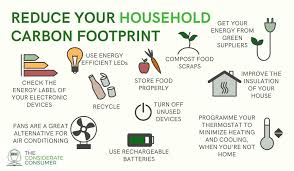
First, be a smart energy user. This means simple things. Turn off lights when you leave a room.
Unplug electronics when they’re not in use. Use power strips to make this easier. Seal air leaks around windows and doors.
This stops conditioned air from escaping. It also stops outside air from coming in. Use fans to help circulate air.
This can make rooms feel cooler, letting you raise your thermostat a few degrees.
Upgrade your appliances and lighting. Older appliances are often much less energy-efficient. Replacing an old refrigerator or washing machine with an Energy Star certified model can save a lot.
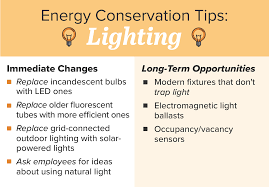
Switch to LED light bulbs. They use much less energy than incandescent bulbs. They also last much longer, saving you money on replacements too.
Manage your heating and cooling. This is usually the biggest part of an energy bill. Use a programmable or smart thermostat.
Set it to lower the temperature when you’re asleep or away. In the summer, set it higher when you’re out. Keep blinds and curtains closed during hot days to block sunlight.
Clean or replace your HVAC filters regularly. This helps your system run more efficiently.
Consider your utility company’s options. Some utility companies offer different pricing plans. There are plans with lower rates for using energy at off-peak times.
If you can shift your usage, like running your dishwasher or laundry at night, these plans can save you money. Look into budget billing. This spreads your average annual cost over 12 months.
It gives you a predictable monthly payment, avoiding huge spikes in summer or winter.
Explore energy efficiency programs. Many utility companies and local governments offer rebates or incentives. These can help you pay for energy-efficient upgrades like insulation, new windows, or efficient appliances.
Sometimes, they even offer free home energy audits. These audits can identify specific areas where you’re losing energy. They provide tailored recommendations.
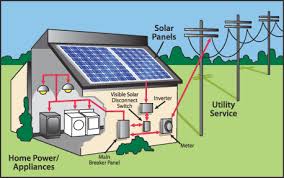
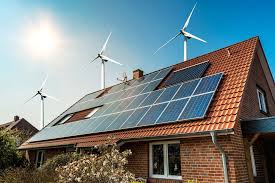
Look into renewable energy options. If you’re a homeowner, consider installing solar panels. While it’s a big upfront investment, it can significantly reduce or even eliminate your electricity bill long-term.
Some areas also offer community solar programs. You can buy a share of a solar farm and get credits on your bill.
Quick Energy Saving Checklist
Lighting: Switch to LEDs. Turn off lights when not needed.
Appliances: Unplug unused electronics. Use power strips.
HVAC: Use a programmable thermostat. Seal leaks.
Water Heating: Lower thermostat to 120°F. Use less hot water.
Laundry: Wash with cold water. Dry full loads.
Insulation: Check for drafts. Add insulation where needed.
Real-World Scenarios and Their Impact
Let’s look at a few common situations and how they affect your energy charges. These real-life examples show how your daily life connects to your bill.
Scenario 1: The Work-From-Home Revolution. Many people now work from home full-time or part-time. This means lights are on for more hours each day. Computers, monitors, and other office equipment are running longer.
Heating or cooling systems are active throughout the day, not just in the evenings. This constant use directly increases your energy consumption. It’s a significant factor for many households now.
Scenario 2: The New Family Pet. Getting a new puppy or kitten can be wonderful. But it can also lead to more laundry. Accidents happen!
This means more washing machine cycles. It can also mean more use of the dryer. If the pet needs a warm bed, you might even adjust the thermostat slightly.
These small additions add up in terms of energy use.
Scenario 3: The Summer Vacation. When you go on vacation, you might think your energy bill will drop to almost nothing. This is often true for heating and cooling if you turn your system off. However, your refrigerator still runs.
Your cable box, Wi-Fi router, and other devices are still drawing power. Some smart home devices are always on. You might still have a base level of energy usage.
Some older homes might also have less efficient insulation, leading to heating or cooling issues even when empty.
Scenario 4: The Home Improvement Project. Planning to renovate your kitchen or basement? This often means using power tools for extended periods. It can also involve temporary lighting.
If you’re doing structural work, you might have to temporarily turn off your main HVAC system. This could lead to higher usage from portable heaters or fans. Construction itself requires energy.
Scenario 5: The Energy-Conscious Empty Nester. For empty nesters, the home is much smaller in terms of energy needs. They might be able to turn off the HVAC system in unused parts of the house. They probably don’t need as much hot water.
Appliances are used less frequently. These households often see a significant drop in energy charges compared to when children were home.
When Are Your Energy Charges Normal?
It’s easy to worry about your bill. But not all high bills mean something is wrong. There’s a difference between normal fluctuations and actual problems.
Understanding what’s typical helps you know when to investigate.
Seasonal Variations are Normal. As we’ve discussed, your bill will naturally be higher in the hottest and coldest months. This is the most common reason for higher energy charges. If your bill spikes in July or January, it’s likely due to heating or cooling.
Compare it to bills from the same months last year. If it’s in the same range, it’s probably normal for the season.
Increased Usage is Expected. If you’ve had more people staying at your house, or you’ve hosted events, your energy use will go up. This is normal. If you’ve bought a new, large appliance, that will also increase your consumption.
Track your usage over time. If a usage jump aligns with a change in your home’s activity, it’s likely due to that change.
Predictable Rate Changes. Sometimes, utility companies adjust their rates. These changes are usually announced in advance. They might also be approved by a state regulatory commission.
If you see a small, consistent increase in your bill that isn’t tied to usage, it might be a rate adjustment. Check your utility’s announcements or website.
New Fees for Infrastructure. Sometimes, utility companies need to make significant upgrades to the grid. This can involve expensive projects. The cost of these improvements is often spread across all customers.
This can appear as new or increased fees on your bill. These are usually for long-term reliability and safety.
When Should You Worry About Your Energy Charges?
While many bill changes are normal, sometimes there are real issues. Here are signs that something might be wrong and you should investigate further.
Unexplained Spikes: If your bill suddenly jumps much higher than usual, and there’s no clear reason like extreme weather or increased appliance use, investigate. Compare it to previous bills and your own usage patterns. A sudden, massive increase without cause is a red flag.
High Usage with No Apparent Cause: You’re using energy diligently, trying to save. Yet, your usage numbers on the bill are sky-high. This could indicate an issue with your meter.
It might be faulty or not recording correctly. It’s rare, but it happens.
Neighbors’ Bills Are Much Lower: If you’re consistently paying much more for energy than your neighbors, and you’re using a comparable amount of electricity or gas, something might be off. This could point to an issue with your home’s efficiency or, less commonly, your meter or billing. Talk to your neighbors about their usage and rates.
Frequent Power Surges or Outages: While not directly an energy charge issue, persistent problems with your power supply can sometimes indicate underlying issues with the grid. If these are happening frequently, it might be a sign that the utility’s infrastructure is struggling, which could eventually lead to repair costs passed on.
Signs of Tampering or Theft: In very rare cases, illegal energy diversion can occur. This is extremely dangerous and illegal. It can also cause your bill to be inaccurate.
If you suspect any such activity, contact your utility company immediately.
What to Do: If you suspect a problem, your first step is always to contact your utility company. Ask them to review your bill and your usage history. They can often perform a meter test if you suspect it’s inaccurate.
You can also request a home energy audit. This will help identify efficiency problems in your home.
Red Flags for Your Energy Bill
- Sudden, huge increases without clear reason.
- Usage numbers that are much higher than expected.
- Your bill is consistently higher than similar homes.
- Signs of electrical problems in your home.
Frequently Asked Questions About Energy Charges
What’s the difference between supply and delivery charges?
Supply charges are for the actual electricity or natural gas you use. Delivery charges are for the utility company to get that energy to your home. This includes maintaining the power lines or gas pipes.
Can I choose my energy supplier?
In some areas, yes. This is called energy deregulation. You can choose a separate company to supply your energy.
Your local utility company still delivers it. Compare prices from different suppliers carefully.
How does extreme weather affect my bill?
Extreme heat or cold increases demand for heating and cooling. This leads to higher energy usage. It can also drive up the price of fuel for power generation.
So, bills are typically higher in peak seasons.
What are peak hours and off-peak hours?
Peak hours are times when most people use energy, usually during the day or early evening. Off-peak hours are when energy use is lower, like late at night or early morning. Some plans charge more for peak usage.
Is there a way to get a fixed monthly energy bill?
Yes, many utility companies offer “budget billing” or “level payment plans.” They average your yearly energy costs and divide it into equal monthly payments. This helps avoid large seasonal bill spikes.
My meter reading seems wrong. What should I do?
Contact your utility company. Explain why you think the reading is incorrect. They can review your usage history and may offer to test your meter to ensure it’s accurate.
Are there government programs to help with energy costs?
Yes, programs like LIHEAP (Low Income Home Energy Assistance Program) offer assistance for heating and cooling bills to eligible households. Check your local government or utility company website for details.
Final Thoughts on Understanding Your Energy Charges
Understanding your energy charges doesn’t have to be a mystery. It’s about knowing the different parts of your bill. It’s about seeing how usage, rates, and fees all add up.
By paying attention to these factors, you can make smarter choices. You can control your energy use better. This can lead to real savings.
Don’t be afraid to look closely at your bill. Knowledge is power when it comes to managing your household expenses.


Leave a Reply