
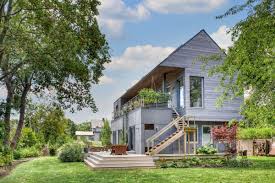
This guide will help you find simple ways to boost your home’s eco-friendliness. We’ll look at easy steps that are good for your wallet and good for the Earth. You’ll learn how small changes add up to a greener, healthier living space.
Many homeowners wish to reduce their environmental impact. Simple, affordable green home upgrades are key. These changes often save money on energy bills. They also improve indoor air quality and home comfort. You can make your home more sustainable with smart, accessible choices.
What Are Green Home Upgrades?
Green home upgrades are changes you make to your house. These changes help it use less energy. They also help it use fewer natural resources.
Think of it as making your home more efficient and healthy.
These upgrades can touch many parts of your home. This includes your heating and cooling systems. It also includes how you use water.
Even the paint on your walls can be greener. The goal is to reduce waste and pollution.
It’s about working with nature, not against it. This means using materials that are better for the environment. It also means finding ways to waste less energy.
This is often called being energy efficient. It also means thinking about the health of people inside the home.
My Own Green Home Journey: The Leaky Faucet Saga
I remember staring at my water bill one month. It was way higher than usual. I hadn’t changed my habits.
I checked around the house. Everything seemed fine. Then I heard it.
A tiny, rhythmic drip. Drip. Drip.
Drip. It was coming from the kitchen sink.
It seemed so small. Just a little leak. I thought, “How much water can that really waste?” I put a bowl under it and tried to forget about it.
But the sound bugged me. And the bill was still high. I finally got tired of it.
I looked up how to fix a leaky faucet.
It turned out to be a worn-out rubber washer. A tiny, cheap part. I bought a few for pennies at the hardware store.
It took me maybe ten minutes to swap it out. The dripping stopped. I felt a small sense of accomplishment.
The next month, my water bill was back to normal.
That small fix taught me a lot. It showed me that little things matter. A tiny leak wastes water and money.
Fixing it was a simple green upgrade. It was good for my budget and the environment. It made me think about other small areas where I might be wasting resources.
Quick Wins: Easy Green Changes
Smart Thermostat: Lets you control heat/cooling from your phone. Saves energy when you’re away.
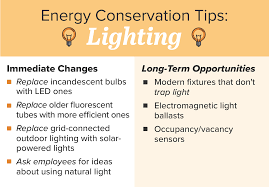
LED Bulbs: Use much less electricity than old bulbs. Last longer too.
Low-Flow Showerheads: Use less water without losing pressure. Saves hot water energy.
Draft Stoppers: Easy to make or buy. Seal gaps under doors to stop air leaks.
Why Make Your Home Greener? The Big Picture
Why bother with these changes? It’s not just about feeling good. There are real benefits.
For your home and for the planet.
One big reason is saving money. When your home uses less energy, your bills go down. This happens with heating, cooling, and electricity.
Over time, these savings add up. Some upgrades might cost money at first. But they pay for themselves.
Another reason is comfort. A greener home is often a more comfortable home. New windows keep heat in during winter.
They keep it out during summer. Better insulation makes your rooms feel more even. No more cold spots or drafts.
Then there’s your health. Many older homes have materials that aren’t great for us. Things like old paint or insulation can release fumes.
Greener options are often safer. They improve the air you breathe indoors. This is super important, especially for families.
Finally, it’s about helping the Earth. Our homes use a lot of energy. This energy often comes from burning fossil fuels.
That adds pollution to the air and climate. Making your home greener means using less. This helps reduce that pollution.
It’s a small step for your home, but a big step for the planet.
Affordable Green Upgrades for Every Room
You don’t need a huge budget for green upgrades. Many effective changes are low-cost. Let’s break them down by area.
Kitchen Greening
The kitchen is a hub of activity. It’s also a place where energy and water are used a lot. Simple changes here can make a difference.
Appliances: When it’s time to replace an old fridge or dishwasher, look for Energy Star labels. These appliances use less power and water. They are designed for efficiency.
Water Faucets: Like my leaky faucet story, fix any drips. You can also add aerators to your faucets. These mix air into the water stream.
This reduces water use without you noticing a difference in pressure. They are very cheap and easy to install.
Lighting: Swap out old incandescent bulbs for LEDs. Kitchens often have bright lights. LEDs use much less energy.
This means lower electricity bills. They also last for years, saving you replacement costs.
Food Storage: Proper food storage reduces waste. Use reusable containers instead of plastic wrap. Compost food scraps if you can.
This reduces landfill waste. It also creates great fertilizer for plants.
Kitchen Upgrade Snapshot
Label: Energy Star Appliances
Benefit: Lower energy and water use. Saves money.
Label: Faucet Aerators
Benefit: Reduce water waste. Easy to install.
Label: LED Lighting
Benefit: Less electricity used. Lasts longer.
Bathroom Efficiency
The bathroom is another water-heavy area. Making it more efficient is key.
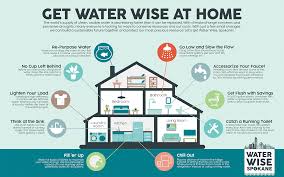
Showerheads: Old showerheads can use gallons of water per minute. Look for low-flow models. They use about half the water.
The technology is good now. You get a strong spray. It feels like a normal shower.
This saves water and the energy needed to heat it.
Toilets: Older toilets use a lot of water for each flush. Newer, high-efficiency toilets use much less. If replacing your toilet isn’t an option, you can use a “dual-flush converter kit.” Or, place a water bottle filled with sand or gravel in the tank.
This displaces water. It uses less water per flush. Be careful not to use too much, as it may not flush properly.
Faucets: Just like the kitchen, check for leaks. Install aerators on bathroom sink faucets too. This is a very low-cost way to save water.
Linens: Use your washing machine for full loads. Wash towels and clothes in cold water when possible. This saves the energy needed to heat the water.
Living Areas and Bedrooms
Comfort and energy use go hand in hand here.
Lighting: Again, LEDs are your best friend. Use task lighting where needed. Instead of lighting up a whole room, focus light on what you’re doing.
This uses less energy.
Window Treatments: Curtains and blinds can help a lot. In summer, close them during the day. This blocks the sun’s heat.
In winter, open them during the day to let the sun warm your rooms. Close them at night to keep heat in.
Draft Proofing: Look for air leaks. Check around windows and doors. You can feel drafts on a windy day.
Use caulk or weatherstripping to seal these leaks. This is a very cheap fix. It makes a big difference in keeping your home warm or cool.
Fans: Ceiling fans can help a lot. In summer, they create a cooling breeze. This means you can turn up your air conditioner a few degrees.
In winter, some fans have a reverse setting. This pushes warm air down from the ceiling. It helps warm the room.
Bathroom Water Savers
Item: Low-Flow Showerhead
Action: Replaces old head. Uses 1.5 GPM or less.
Benefit: Saves water, hot water energy, and money.
Item: Toilet Tank Displacement
Action: Place a weighted bottle in tank. Reduces water per flush.
Benefit: Saves water, lower water bill.
Home Exterior and Systems
Some upgrades involve the bigger systems of your home.
Insulation: Good insulation is like a blanket for your house. It keeps heat inside in winter and outside in summer. Adding insulation to your attic is often the most cost-effective upgrade.
It can significantly reduce heating and cooling costs.
Windows and Doors: Older, single-pane windows and leaky doors lose a lot of energy. Replacing them can be expensive. But you can improve older ones.
Ensure weatherstripping is intact. Add storm windows or insulating films. These are cheaper options.
Landscaping: Trees can be great for your home. Planting deciduous trees on the south and west sides of your house can provide shade in summer. This cools your home.
In winter, they lose their leaves. This lets the sun warm your house.
Roof: A cool roof reflects sunlight. This keeps your attic and home cooler. Especially helpful in hot climates.
Some cool roof materials are more expensive. But they can lower cooling costs.
Water Heater: Water heaters use a lot of energy. Insulating your water heater tank can help. Especially if it’s older.
Also, set the temperature lower. 120°F is usually enough. You can also consider a tankless water heater when it’s time for a replacement.
They heat water only when you need it.
Exterior Greening Tips
Element: Attic Insulation
Effect: Prevents heat loss/gain. Boosts comfort.
Element: Shading Trees
Effect: Cools home in summer. Lowers AC use.
Element: Water Heater Blanket
Effect: Reduces heat loss from tank. Saves energy.
Smart Home Technology for Green Living
Technology offers new ways to be green.
Smart Thermostats: These learn your habits. They adjust heating and cooling automatically. You can also control them from your phone.
This means you don’t waste energy heating or cooling an empty house. Many popular brands exist, like Nest or Ecobee. Setting them up is usually simple.
Smart Lighting: You can control lights with your voice or phone. Set schedules for lights to turn off. Some systems detect when you leave a room and turn lights off automatically.
This prevents energy waste.
Smart Plugs: These plug into your wall outlet. Then you plug your device into them. You can turn them on or off remotely.
Many electronics use “phantom load” power even when off. Smart plugs cut this power. This saves energy.
Energy Monitoring: Some systems let you track your home’s energy use. You can see which appliances use the most power. This helps you make smarter choices about how you use energy.
These technologies can seem advanced. But many are designed for easy home installation. They often come with clear instructions.
The energy savings can make them pay for themselves.
Materials Matter: Choosing Eco-Friendly Products
What your home is made of and decorated with is important.
Paints: Look for low-VOC or zero-VOC paints. VOCs are volatile organic compounds. They can harm air quality.
They can cause headaches and breathing problems. Low-VOC paints are much safer for your home’s air.
Flooring: Sustainable flooring options include bamboo, cork, and reclaimed wood. These are renewable resources. They are durable and look great.
Avoid carpets made with synthetic materials. Look for natural fibers like wool or recycled content.
Insulation: Beyond traditional fiberglass, consider options like denim insulation or cellulose (made from recycled paper). These are made from recycled materials.
Countertops: Recycled glass or paper-based countertops are eco-friendly choices. They offer unique looks and reduce waste.
Choosing these materials might cost a little more upfront. But they offer long-term benefits. Better indoor air.
Reduced environmental impact. And they often last longer.
Eco-Friendly Material Choices
Category: Paint
Option: Low-VOC / Zero-VOC
Why: Better indoor air quality, fewer fumes.
Category: Flooring
Option: Bamboo, Cork, Reclaimed Wood
Why: Renewable resources, sustainable harvest.
Category: Insulation
Option: Recycled Denim, Cellulose
Why: Uses recycled content, diverts waste.
Understanding Energy Audits and Rebates
Want a professional assessment? Consider an energy audit.
An energy auditor will inspect your home. They look for air leaks, insulation gaps, and inefficient systems. They provide a report.
This report tells you the best ways to improve your home’s energy use. It often ranks upgrades by cost and savings. Some utility companies offer free or low-cost audits.
Rebates and Tax Credits: Many governments and utility companies offer incentives for green upgrades. These can be rebates (money back) or tax credits (reductions on your taxes). Look for things like Energy Star appliance rebates.
Or tax credits for insulation or efficient windows.
Check with your local utility provider. Also, search online for federal and state energy incentives. These programs can significantly lower the cost of upgrades.
They make going green much more affordable.
When Is It Enough? Normal vs. Concerning Signs
Some energy use is normal. But other signs mean you should act.
High Bills: If your energy bills are much higher than last year, or higher than neighbors, investigate. It could be waste.
Drafts: Feeling cold spots or drafts around windows and doors is common. But if it’s severe, it means significant energy loss. Seal them up.
Old Appliances: Appliances over 10-15 years old are likely much less efficient than new ones. Consider replacement when they age out.
Moisture Issues: Damp spots or mold can mean poor insulation or ventilation. This affects both your home’s health and its energy use.
Water Leaks: Small leaks add up fast. Fix them promptly. Large leaks need immediate attention.
If you notice these things, it’s a good time to think about upgrades. Start small. Even simple changes help.
Simple Tips for Greener Living Habits
Upgrades are great. But how you live in your home matters too.
Turn off Lights: Get in the habit of turning off lights when you leave a room. Simple but effective.
Unplug Electronics: Many devices draw power even when off. Unplug chargers, TVs, and computers when not in use. Or use smart power strips.
Wash in Cold Water: Most laundry detergents work well in cold water. Heating water for washing uses a lot of energy.
Shorter Showers: Reducing shower time saves water and the energy to heat it.
Thermostat Settings: Adjust your thermostat a few degrees lower in winter and higher in summer. Especially when you’re asleep or away.
Air Dry Clothes: Whenever possible, air dry clothes on a line or rack. This saves the energy a dryer uses.
Frequently Asked Questions About Green Home Upgrades
Are green home upgrades expensive?
Not always! Many upgrades are very affordable. Simple things like LED bulbs, faucet aerators, and draft stoppers cost little.
Even larger upgrades like insulation can have good payback through energy savings. Look for rebates too.
How can I make my home greener without major renovations?
Focus on smaller, easier changes. These include switching to LED bulbs, fixing leaks, adding draft stoppers, using smart thermostats, and air-drying clothes. These don’t require big construction projects.
What is the single most effective green home upgrade?
For most homes, improving attic insulation is highly effective. It significantly reduces heating and cooling costs. It also makes your home more comfortable.
Other top upgrades include sealing air leaks and upgrading to an efficient water heater.
Do green upgrades increase my home’s value?
Yes, often they do. Buyers are increasingly looking for energy-efficient homes. Features like good insulation, efficient windows, and smart thermostats can make your home more attractive and valuable.
What is VOC paint?
VOC stands for Volatile Organic Compound. VOCs are chemicals that can harm indoor air quality and health. Low-VOC or zero-VOC paints release fewer of these chemicals.
They are a healthier choice for your home.
How much money can I save with green upgrades?
Savings vary widely. Simple changes like switching to LEDs can save $50-$100 per year on electricity. More significant upgrades like new insulation or windows can save hundreds or even thousands of dollars annually on energy bills.
Energy audits can estimate potential savings.
Final Thoughts on a Greener Home
Making your home greener is a journey. It doesn’t require a huge upfront cost. Start with small, manageable steps.
Each change, no matter how small, helps. It benefits your wallet, your comfort, and the planet. Enjoy making your home a healthier, more sustainable place to live!

Leave a Reply