
It’s a thought that might cross your mind: “Is my home adding too much to the planet’s problems?” You’re not alone if you feel this way. Many of us want to do better for the Earth. We want to make smart choices.
But sometimes, it feels like a big, confusing task. Where do you even start? This guide breaks it down.
We’ll look at easy steps you can take right now. You’ll learn how small changes at home can make a big difference.
Reducing your household carbon footprint means cutting down on the greenhouse gases your home activities release. This can be done through smarter energy use, smarter waste management, and thoughtful consumption. Small steps at home lead to a healthier planet for everyone.
Understanding Your Household Carbon Footprint
So, what exactly is a carbon footprint? Think of it as the total amount of greenhouse gases. These gases are released by all the things we do at home.
This includes using electricity. It also covers heating your house. Even the food we eat and the trash we throw away add to it.
These gases trap heat in the air. This is what causes climate change.
Your home is a big part of this. It’s where you use energy for lights and gadgets. It’s where you heat and cool the air.
It’s where you cook your meals. All these actions use resources. These resources often create carbon dioxide and other warming gases.
Understanding this is the first step. It helps you see where you can make changes.
Why does this matter so much? Because the planet’s health affects us all. Extreme weather events are becoming more common.
Sea levels are rising. Protecting our home means protecting the Earth. It’s about creating a better future for our children.
My Own “Oh No!” Moment with Energy Use
I remember one chilly Tuesday evening. I was working late at my desk. The house was quiet.
Suddenly, I noticed a faint hum from the attic. It was the HVAC system. It had been running non-stop for hours.
The house felt like a sauna. I realized I had set the thermostat way too high. I had also left it on all day while I was out.
I felt a pang of guilt. It wasn’t just about the wasted money. It was about the energy used for no good reason.
That night, I learned a simple lesson. Even small things, like a thermostat setting, add up. It made me think more about how I used energy every single day.
Easy Energy Wins at Home
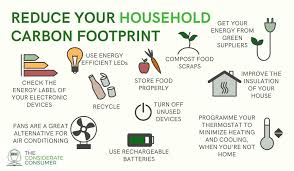
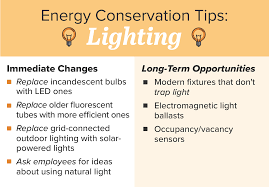
Lights: Switch to LED bulbs. They use less energy. Turn off lights when you leave a room.
It’s simple, but it works.
Appliances: Unplug electronics when not in use. Many still draw power. Look for the ENERGY STAR label when buying new items.
These are made to save energy.
Heating & Cooling: Seal air leaks around windows and doors. Use a programmable thermostat. Set it lower when you’re away or asleep.
Smart Energy Habits at Home
Energy use is a huge part of a home’s carbon footprint. We use energy for almost everything. This includes lighting, heating, cooling, and running appliances.
When we use electricity that comes from burning fossil fuels, we add to the problem. This is why focusing on energy is so important.
Think about your lights. Are you using old, power-hungry bulbs? Switching to LED bulbs is one of the easiest fixes.
They use much less electricity. They also last a lot longer. This means you buy fewer bulbs over time, too.
It’s a win-win.
And what about those gadgets? Do you leave chargers plugged in? Do you leave TVs on standby mode?
These things still use power, called “phantom load.” Unplugging them when you’re not using them can save a surprising amount of energy. It’s a good habit to get into.
Heating and cooling your home also use a lot of energy. Check for leaks around windows and doors. Use weatherstripping or caulk.
This stops warm air from escaping in winter and cool air from escaping in summer. A well-sealed home needs less heating and cooling.
Using a programmable thermostat is also smart. You can set it to lower the temperature when you’re not home or when you’re sleeping. Then, it can warm up again before you need it.
This way, you’re not heating or cooling an empty house. Many smart thermostats can even learn your habits.
Waste Not, Want Not: Reducing Household Waste
What happens to the things you throw away? Most trash ends up in landfills. Landfills create methane, a powerful greenhouse gas.
So, reducing the amount of waste you create is a direct way to lower your carbon footprint.
This starts with thinking about what you buy. Can you buy items with less packaging? Can you buy things that last longer?
Choosing durable goods over disposable ones helps a lot. It means less trash in the long run.
Recycling is another key part of waste reduction. Make sure you know what can be recycled in your area. Rinse out containers.
Separate materials correctly. When we recycle, we use less energy to make new products. We also send less waste to landfills.
Composting is also a fantastic idea. Food scraps and yard waste can be turned into rich soil. This compost can then be used for your garden.
It keeps organic waste out of landfills. It also reduces the need for chemical fertilizers.
Food Waste Facts
Amount: U.S. households waste about 30-40% of their food supply.
Impact: Food waste in landfills produces methane gas. It also wastes the resources used to grow, process, and transport that food.
Solution: Plan meals, store food properly, and compost scraps. Buy only what you need.
Water Wisdom: Conserving Water at Home
Using water might not seem directly linked to carbon emissions. But it is. It takes a lot of energy to pump, heat, and treat water.
So, using less water means using less energy.
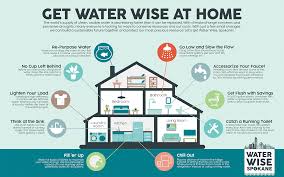
Simple things make a big difference. Take shorter showers. Turn off the tap when brushing your teeth or washing dishes by hand.
Fix any leaky faucets or toilets. A small drip can waste gallons of water every day.
Your toilet can also be a water guzzler. If you have an older model, you might consider a low-flow toilet. Or you can use a water displacement device in the tank.
This makes the tank use less water with each flush.
When doing laundry, always wash full loads. Use cold water when possible. Most modern detergents work well in cold water.
This saves the energy needed to heat the water.
Watering your lawn and garden also uses a lot of water. Water early in the morning or late in the evening. This reduces evaporation.
Consider using a rain barrel to collect water for your plants. Native plants and drought-tolerant landscaping can also reduce your outdoor water needs.
Eating Green: Your Diet’s Carbon Impact
What you eat has a surprisingly large impact on your carbon footprint. The production of food requires energy. This includes growing crops, raising livestock, processing food, and transporting it.
Meat, especially beef and lamb, has a higher footprint than most plant-based foods.
Consider eating more plant-based meals. You don’t have to go fully vegetarian or vegan. Even reducing your meat consumption a few days a week can make a difference.
Explore new vegetarian recipes. There are many delicious options available.
Buying local and seasonal food is another great strategy. Food that travels long distances has a higher transportation footprint. Local farmers’ markets are a good place to find these items.
When you buy seasonal produce, it often requires less energy to grow.
Also, think about food waste. As we discussed, food waste contributes to greenhouse gases. Planning meals helps you buy only what you need.
Storing food properly keeps it fresh for longer. And composting those scraps is a perfect way to close the loop.
Dietary Footprint Snapshot
High Impact: Beef, lamb, cheese, butter
Medium Impact: Pork, chicken, fish, eggs
Low Impact: Beans, lentils, grains, vegetables, fruits
Tip: Try a “Meatless Monday” challenge!
Transportation Choices: Beyond the Car
While this is about household carbon footprint, transportation is often linked. Many households have cars. Car emissions are a major source of greenhouse gases.
If you can reduce your reliance on your car, you significantly lower your footprint.
Can you walk or bike for short trips? This is great for your health and the planet. Public transportation is another excellent option.
Buses and trains can carry many people at once. This is much more efficient than many individual cars.
If you must drive, try to combine errands. This reduces the number of trips you take. Keep your car well-maintained.
Properly inflated tires and regular tune-ups improve fuel efficiency.
Consider carpooling with neighbors or colleagues. Sharing rides cuts down on the number of cars on the road. If you’re in the market for a new vehicle, look into hybrid or electric options.
These use less or no fossil fuels.
Home Efficiency: Building a Greener House
The structure of your home itself plays a role. Older homes might not be as energy efficient as newer ones. But there are always improvements you can make.
Insulation is key. Proper insulation in your walls, attic, and basement keeps your home warmer in winter and cooler in summer. This means your heating and cooling systems don’t have to work as hard.
Check your insulation levels. Add more if needed.
Windows and doors are often weak points for heat loss or gain. Upgrading to double- or triple-paned windows can make a big difference. Ensure that doors seal tightly when closed.
Weatherstripping is a cheap and effective solution.
Consider the materials used in your home. For example, choosing sustainable building materials can reduce the environmental impact of construction. Even small choices, like using eco-friendly paints, can contribute.
Home Efficiency Checklist
Attic Insulation: Enough to cover joists? Check R-value.
Wall Insulation: Feels cold through walls? Consider adding.
Window Seals: Drafts coming in? Replace seals or windows.
Door Seals: Gaps at the bottom or sides? Add sweeps or weatherstripping.
HVAC Maintenance: Filters clean? System serviced? Runs efficiently?
Consumption Habits: Buying Smarter, Living Lighter
Everything we buy has a carbon footprint. From the raw materials to manufacturing, shipping, and disposal, it all adds up. Being a mindful consumer is a powerful way to reduce your impact.
Before you buy something new, ask yourself if you really need it. Can you borrow it? Can you buy it used?
Second-hand shops and online marketplaces are great for finding pre-owned items. This keeps them out of landfills and reduces demand for new production.
When you do buy new, choose items that are durable and well-made. Look for companies that are transparent about their environmental practices. Support businesses that use sustainable materials and ethical labor.
Consider the lifecycle of a product. How long will it last? Can it be repaired?
Is it recyclable at the end of its life? These questions help you make more responsible purchasing decisions. It’s not just about the price tag; it’s about the total impact.
The Power of Renewable Energy
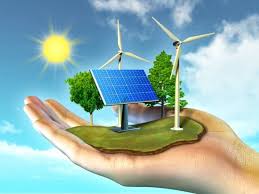
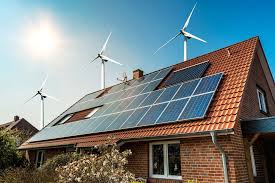
One of the biggest ways to reduce your household’s carbon footprint is by switching to renewable energy sources. This means using power generated from the sun, wind, or water, rather than from fossil fuels.
Many utility companies now offer green energy plans. You can choose to have your electricity sourced from renewable resources. This is a simple way to make a significant impact without installing anything on your own home.
Check with your local provider.
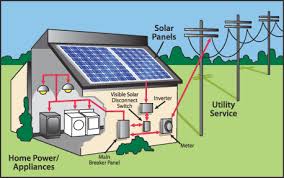
If you’re a homeowner, you might even consider installing solar panels. This allows you to generate your own clean electricity. While the initial cost can be high, solar panels can save you money on your electricity bills over time.
They also increase the value of your home.
Remember that even if you can’t switch your entire home to renewables, every little bit helps. If you can offset even a portion of your energy use with clean sources, you’re making a positive step.
Renewable Energy Options
Green Energy Plans: Switch your electricity provider to one that uses renewables.
Solar Panels: Generate your own power at home.
Community Solar: Invest in a local solar farm and get credits on your bill.
Geothermal Heating/Cooling: Uses the earth’s stable temperature for heating and cooling.
Rethinking Your Cleaning and Household Products
The products we use to clean our homes and for personal care can also have an environmental impact. Many contain chemicals that can harm water systems. Their production also uses energy and resources.
Look for cleaning products that are labeled “eco-friendly” or “biodegradable.” You can also make many effective cleaners yourself using simple ingredients like vinegar, baking soda, and lemon juice. These are often less toxic and cheaper.
Consider reusable options. Instead of paper towels, use cloth rags. For cleaning surfaces, opt for reusable microfiber cloths.
For personal hygiene, try reusable cotton rounds or a menstrual cup.
Even the packaging of these products matters. Choose items with minimal or recyclable packaging. Buying in bulk can also reduce packaging waste.
What This Means for You: Embracing the Journey
So, how do you know if you’re making a difference? It’s about progress, not perfection. Every small step you take counts.
It’s about building new habits that become second nature.
When it’s normal: You find yourself automatically turning off lights. You’re planning meals to reduce waste. You choose to walk instead of drive for short errands.
These are all signs you’re on the right track.
When to worry: If you feel overwhelmed or discouraged, that’s a sign to simplify. Focus on one or two changes at a time. Don’t try to do everything at once.
It’s a marathon, not a sprint.
Simple checks: You can track your energy bills. See if they go down over time. Notice if you’re throwing away less trash.
These are tangible signs of success. Many websites also offer carbon footprint calculators. These can give you a more detailed idea of your impact.
Quick Tips for a Greener Home
Here are some actionable tips you can start using today:
- Unplug: Unplug chargers and electronics when not in use.
- Seal it Up: Check for drafts around windows and doors.
- Shorter Showers: Aim for 5-minute showers.
- Full Loads: Only run washing machines and dishwashers when full.
- LED Power:
- Meatless Mondays: Try one plant-based meal each week.
- Reusable Bags: Always bring your own bags to the grocery store.
- DIY Cleaners: Make your own simple cleaning solutions.
Frequent Questions About Reducing Your Carbon Footprint
How much difference can one household really make?
Even small changes by one household add up quickly when many people participate. Imagine if thousands, or even millions, of homes made similar efforts. The collective impact is significant.
Think of it like voting; one vote might seem small, but together they shape outcomes.
Is going completely zero-waste necessary?
No, zero-waste is a very ambitious goal. The aim is to reduce waste as much as possible. It’s about being more mindful of what you consume and discard.
Focus on progress and reducing what you can, rather than stressing about perfection.
Are energy-efficient appliances worth the cost?
Often, yes. While energy-efficient appliances might have a higher upfront cost, they save you money on energy bills over their lifespan. They also reduce your home’s carbon footprint.
Look for the ENERGY STAR label to ensure you’re getting efficient models.
How can I encourage my family to be more eco-friendly?
Start by leading by example. Explain why these changes are important in simple terms. Involve everyone in the process, like choosing recipes or planning recycling.
Make it a team effort, not a chore. Positive reinforcement and celebrating small wins can also help.
Does buying organic food really reduce my carbon footprint?
Organic farming often uses fewer synthetic pesticides and fertilizers. These can have environmental impacts. Also, organic produce tends to be grown locally more often.
This reduces transportation emissions. So, while not always a direct reduction, it often contributes to a lower overall footprint.
What’s the fastest way to reduce my carbon footprint at home?
Switching to a green energy plan from your utility company is often the fastest way to make a big impact. If that’s not an option, reducing your heating and cooling energy use through better insulation and thermostat management can also offer quick wins.
Final Thoughts on a Greener Home
Making your home more eco-friendly is a journey. It’s about making conscious choices every day. These choices impact our planet.
You have the power to make a difference. Start small, stay consistent, and celebrate your progress. A greener home is a healthier home for you and for Earth.

Leave a Reply