
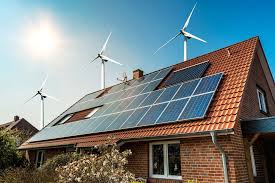
This guide will walk you through the most popular renewable energy choices for homeowners. We’ll cover what they are, how they work, what they cost, and the real-world benefits you can expect. By the end, you’ll have a much clearer picture of how you can bring clean power to your own home.
Understanding renewable energy for homeowners involves looking at ways to generate your own clean electricity or heat. This typically includes solar panels, small wind turbines, and geothermal systems. These systems can lower your energy bills, increase your home’s value, and reduce your environmental impact.
What is Renewable Energy for Homes?
Renewable energy for homes means using natural sources to power your house. Think of the sun, the wind, and the earth’s own heat. These are sources that won’t run out.
Unlike fossil fuels, which we dig up and burn, these natural forces are always there.
Using these sources helps us make electricity and heat without harming the air. It’s a way to make your home more self-sufficient. You become less reliant on the big power companies.
This can also lead to big savings on your monthly bills. It’s a win-win for your wallet and the planet.
Why Go Renewable at Home?
There are many good reasons why homeowners are turning to renewable energy. One of the biggest is saving money. While there’s an upfront cost, renewable systems can dramatically cut your electricity bills over time.
Some systems can even generate more power than you need, allowing you to sell the extra back to the grid.
Another strong reason is helping the environment. Traditional power plants often burn coal or natural gas. This releases pollution that causes climate change.
Renewable energy sources produce little to no pollution. By switching, you’re directly reducing your home’s carbon footprint. You’re contributing to a cleaner future.
Your home’s value can also go up. Homes with solar panels or other renewable systems are often more attractive to buyers. They see the long-term savings and the modern, eco-friendly features.
It’s an investment that pays off in many ways.
Popular Renewable Energy Options for Your Home
When we talk about renewable energy for homes, a few main types come to mind. These are the ones most homeowners consider. They all tap into natural resources but in different ways.
Each has its own pros and cons depending on where you live and what your home needs.
We’ll dive into solar power, wind energy, and geothermal systems. Each is a powerful way to make your home greener. Understanding these options will help you decide which, if any, might be right for your situation.
It’s about finding the best fit for your home and your goals.
Solar Power: Harnessing the Sun
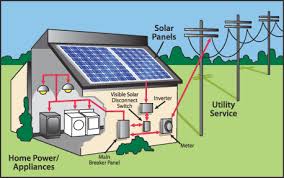
What it is: Solar power uses the sun’s rays to create electricity. This is usually done with solar panels, also called photovoltaic (PV) panels. These panels are installed on your roof or sometimes in your yard.
How it works: When sunlight hits the solar panels, it excites electrons in the silicon cells. This creates a direct current (DC) of electricity. An inverter then converts this DC electricity into alternating current (AC) electricity.
This is the type of electricity your home appliances use.
Benefits: Solar panels are very popular because they are reliable and becoming more affordable. They require little maintenance once installed. They significantly reduce or eliminate electricity bills.
In many places, you can get tax credits or rebates to help with the cost.
Small Wind Turbines: Capturing the Breeze
What it is: Small wind turbines are like miniature versions of the big wind farms you see. They capture wind energy and convert it into electricity for your home. They are usually mounted on a tower in your yard.
How it works: The wind turns the blades of the turbine. This spinning motion powers a generator inside the turbine. The generator produces electricity, which is then often sent to an inverter.
The inverter changes it to the AC power your home uses.
Benefits: Wind power can be a great option if you live in an area with consistent, strong winds. It can work day and night. It’s a good complement to solar power, as wind is often stronger when it’s cloudy or at night.
Geothermal Systems: Earth’s Natural Heat
What it is: Geothermal systems use the stable temperature of the earth beneath your home. They can provide heating and cooling. They don’t generate electricity directly, but they dramatically reduce the energy needed for heating and cooling.
How it works: These systems use underground pipes filled with a fluid. In winter, the fluid absorbs heat from the ground and brings it into your home. In summer, the system reverses.
It pulls heat from your home and transfers it into the ground.
Benefits: Geothermal is extremely energy-efficient. It can reduce heating and cooling costs by up to 50%. It’s also very quiet and has a long lifespan.
It’s a great choice for consistent comfort throughout the year.
Solar Power: A Closer Look
Solar power is currently the most popular choice for homeowners. This is due to advances in technology and falling prices. The idea of putting panels on your roof might seem daunting, but it’s become a fairly straightforward process for many.
When people think about solar, they usually picture the dark, rectangular panels. These are made up of many solar cells. These cells capture sunlight.
The amount of electricity produced depends on the size of the system, the angle of the sun, and how much sunlight you get.
What affects solar production? Factors like your location, the amount of shade your roof gets, and the age of the panels all play a role. Most systems are designed to last 25 years or more. Companies often offer warranties on both the panels and the installation.
Quick Scan: Solar Panel Basics
- Panel Material: Mostly silicon.
- Power Output: Measured in watts (W) or kilowatts (kW).
- Inverter: Converts DC to AC power.
- Installation: Rooftop or ground mount.
- Lifespan: 25-30 years or more.
Wind Energy for Your Home
While less common than solar for individual homes, small wind turbines can be a viable option. They require specific conditions to be effective. The most crucial is consistent, unobstructed wind.
Tall trees or nearby buildings can block the wind and reduce efficiency.
The ideal spot for a wind turbine is on a tall tower. This gets the blades up above any obstacles. The higher the tower, the more wind the turbine can catch.
The size of the turbine needs to match your energy needs and local wind speeds.
Potential challenges: Zoning laws can sometimes restrict where you can install a wind turbine. Noise can also be a concern, though modern turbines are much quieter. Permitting and installation can be more complex than for solar panels.
Wind Turbine Considerations
Wind Speed: Needs consistent, strong winds. Look at local wind data.
Tower Height: Taller is better to avoid obstructions.
Noise: Modern turbines are quieter, but still a factor.
Zoning Laws: Check local regulations before investing.
Maintenance: Requires regular checks and upkeep.
Geothermal Heating and Cooling
Geothermal systems offer a unique approach. They focus on heating and cooling rather than electricity generation. Think of it as using the earth as a giant battery for temperature.
It’s a system that runs in the background, keeping your home comfortable year-round.
The “ground loop” is the heart of a geothermal system. This is a network of pipes buried deep in your yard. The size and depth of these loops depend on your home’s heating and cooling needs and your property size.
There are different types, like horizontal or vertical loops.
Energy efficiency: This is where geothermal truly shines. It’s one of the most energy-efficient ways to heat and cool a home. Because the ground temperature is much more stable than the air temperature, the system doesn’t have to work as hard.
This means significant energy savings.
Geothermal System Components
- Ground Loop: Buried pipes that circulate fluid.
- Heat Pump: Transfers heat between the loop and your home.
- Distribution System: Ducts for air or pipes for radiant heat.
- Thermostat: Controls the system’s operation.
The Cost of Renewable Energy for Your Home
Let’s talk about the elephant in the room: cost. Investing in renewable energy systems is a significant decision. The upfront price can seem high.
However, it’s important to look at the long-term savings and available incentives.
Solar panel costs: The price for solar panels has dropped considerably. For an average-sized system, you might be looking at anywhere from $15,000 to $25,000 before incentives. This can vary greatly by location and the complexity of your roof.
Solar leases or power purchase agreements (PPAs) are also options. These let you pay for the power generated, not the system itself.
Wind turbine costs: Small wind turbines can be more expensive upfront than solar for a similar amount of energy. Prices can range from $20,000 to $60,000 or more. This includes the turbine, tower, and installation.
The return on investment depends heavily on wind availability.
Geothermal costs: Geothermal systems are often the most expensive to install. The price tag can be between $20,000 and $35,000 or even higher. This is because of the extensive underground work required.
However, their high efficiency means they offer substantial savings on heating and cooling bills over many years.
Cost vs. Savings: A Quick Comparison
Solar: Moderate upfront cost. High savings on electricity bills. Payback in 7-15 years.
Wind: Higher upfront cost. Savings depend on wind. Payback can be longer.
Geothermal: Highest upfront cost. Significant savings on heating/cooling. Payback in 10-20 years.
Incentives and Rebates: Making it Affordable
The good news is that many governments and utility companies offer incentives. These can significantly lower the net cost of renewable energy systems. These programs are designed to encourage people to adopt cleaner energy sources.
Federal Solar Investment Tax Credit (ITC): For solar, the U.S. federal government offers a tax credit. It allows you to deduct a percentage of the cost of your solar system from your federal taxes.
This has been a huge driver for solar adoption.
State and Local Rebates: Many states, cities, and utility companies offer their own rebates or grants. These can sometimes be combined with federal incentives. It’s worth researching what’s available in your specific area.
These can make a big difference.
Property Tax Exemptions: Some areas exempt renewable energy systems from property tax assessments. This means your home’s value might increase without your property taxes going up because of the system.
Performance-Based Incentives: Some programs pay you for the actual amount of clean energy your system produces. This is called a Renewable Energy Certificate (REC) or similar program.
Real-World Experience: My Friend Sarah’s Solar Story
I remember talking to my friend Sarah about a year ago. She was complaining about her electricity bills. They seemed to climb higher every summer.
She’d seen solar ads but thought it was too expensive and complicated. I encouraged her to get a few quotes just to see.
She was surprised by how easy the process was. A local installer came out, looked at her roof, and explained everything. They showed her exactly how much power she could generate and how much she’d save.
The installer also helped her understand the federal tax credit and a local rebate program. It made the numbers much more manageable.
Six months later, her electricity bills were tiny. She even got a small credit from the utility company for the extra power her panels sent back to the grid. She told me, “I kick myself for not doing it sooner.
It feels good knowing I’m using clean energy, and seeing those bills shrink is amazing.” It was a real turning point for her thinking about home energy.
Sarah’s Takeaways
Ease of Installation: Smoother than she expected.
Financial Clarity: Incentives made it affordable.
Bill Reduction: Significant savings achieved.
Peace of Mind: Happy with environmental impact.
What Happens When the Sun Doesn’t Shine or the Wind Doesn’t Blow?
This is a common question and a very important one. Renewable energy sources like solar and wind are intermittent. They depend on weather conditions.
So, what happens on cloudy days, at night, or when the wind is calm?
For most homes, the answer is simple: you stay connected to the traditional electricity grid. This is called “grid-tied” or “grid-connected.” Your home uses power from your renewable system when it’s available. When your system isn’t producing enough, your home automatically draws power from the utility grid.
You won’t experience any blackouts.
Net Metering: Many utility companies offer net metering. This is a billing arrangement. When your solar panels produce more electricity than you’re using, the excess is sent back to the grid.
Your meter runs backward, or you get credits on your bill. When you need more power, you draw from the grid as usual.
Battery Storage: Another option is to install battery storage. This is becoming more popular with solar. Batteries store excess electricity generated during sunny hours.
You can then use this stored energy at night or during cloudy periods. This increases your energy independence and provides backup power during grid outages. However, batteries add significant cost to a system.
When is Renewable Energy Right for Your Home?
Deciding if renewable energy is a good fit involves looking at several factors. It’s not a one-size-fits-all solution. What works perfectly for one home might not be ideal for another.
Your Location: How much sun do you get? Is your area windy? Do you have space for ground loops if considering geothermal?
Your climate and geography are key. For example, a home in Arizona will get more sun than one in Seattle. A home on a windy plain might be great for wind power.
Your Energy Usage: How much electricity do you use each month? High energy users will see bigger savings from renewable systems. If your bills are already very low, the payback period might be longer.
Your Roof or Property: For solar, your roof needs to be in good condition and ideally face south for maximum sun exposure. For wind, you need open space. For geothermal, you need enough yard space for the ground loop installation.
Your Budget: While incentives help, you still need to be comfortable with the initial investment. Consider your long-term financial goals.
Your Goals: Are you primarily looking to save money? Do you want to reduce your environmental impact? Or are you seeking energy independence and backup power?
Your main motivation can help guide your choice.
Checklist: Is Renewable Energy for You?
Sunlight/Wind: Adequate resources available?
Space: Enough for panels, turbines, or ground loops?
Roof Condition: Suitable for solar installation?
Energy Bills: High enough to see significant savings?
Budget: Can you manage the upfront investment or financing?
Local Rules: Any restrictions on installations?
The Installation Process: What to Expect
Getting a renewable energy system installed usually follows a similar path. Understanding this process can help you feel more prepared and less anxious about it.
1. Consultation and Site Assessment: You’ll start by talking to installers. They will visit your home.
They’ll assess your roof, yard, and energy usage. They’ll provide a system design and a quote. This is a good time to ask all your questions.
2. System Design and Proposal: Based on the assessment, the installer will propose a specific system. This includes the type of equipment, size, expected output, and cost.
Review this carefully.
3. Permitting: The installer will typically handle the necessary permits from your local government. This can take some time.
4. Installation: Once permits are approved, the installation begins. For solar, this usually takes 1-3 days.
For geothermal, it can take longer due to the excavation work.
5. Inspection: After installation, the system must be inspected by local officials to ensure it meets safety codes.
6. Utility Interconnection: The installer will work with your utility company to connect your system to the grid. This may involve upgrading your meter.
Then, your system can start generating power and potentially earning credits.
Maintenance and Lifespan of Systems
One of the great advantages of modern renewable energy systems is their low maintenance. Once installed, they generally don’t require a lot of ongoing work.
Solar Panels: Solar panels are very durable. They are designed to withstand weather. Most systems only need occasional cleaning, especially if you live in a dusty area or get a lot of bird droppings.
Rain often does a good job of cleaning them. Many installers recommend a professional check-up every few years.
Wind Turbines: Small wind turbines are more mechanical. They need more regular maintenance than solar. This can include checking bearings, lubrication, and blade integrity.
A typical maintenance schedule might involve an inspection every year or two.
Geothermal Systems: Geothermal systems are mostly underground. The indoor components, like the heat pump, require maintenance similar to a standard HVAC system. This means periodic filter changes and professional check-ups.
The underground loops themselves require virtually no maintenance once installed.
Lifespan: Most renewable energy systems are a long-term investment. Solar panels typically have a performance warranty for 25 years. Many continue to produce power well beyond that.
Wind turbines can last 20 years or more. Geothermal systems, especially the ground loops, can last 50 years or more. The heat pump component typically lasts 20-25 years.
System Lifespan & Warranty Snapshot
- Solar Panels: 25+ year performance warranty.
- Solar Inverters: 10-25 year warranty (depending on type).
- Wind Turbines: 20+ year lifespan.
- Geothermal Loops: 50+ year lifespan.
- Geothermal Heat Pumps: 20-25 year lifespan.
My Experience with Solar: Beyond the Bills
When my wife and I decided to get solar panels on our home a few years ago, it was partly for the savings. But honestly, there was another layer. We live in a region that experiences increasingly intense summer storms.
Knowing we had a backup battery that could keep our essentials running during a power outage felt incredibly reassuring.
During one storm last July, the power went out for nearly 24 hours. While our neighbors were in the dark, we had lights, our fridge was running, and we could charge our phones. It wasn’t just about saving money anymore; it was about resilience and peace of mind.
That feeling of being a little more prepared, a little more self-sufficient, was worth more than I initially expected.
We also noticed our home felt more comfortable. The inverter we chose also has some smart features that help manage power flow efficiently. It’s subtle, but we feel like our home is just a bit more modern and robust now.
It’s a change that impacts more than just the monthly energy statement.
Frequently Asked Questions About Renewable Energy for Homes
Is renewable energy more expensive than traditional energy?
Initially, the upfront cost for renewable energy systems like solar, wind, or geothermal can be higher than simply paying your utility bill. However, when you factor in long-term savings on energy bills, government incentives, rebates, and potential increases in home value, renewable energy often becomes more cost-effective over the system’s lifespan.
How long does it take for a renewable energy system to pay for itself?
The payback period varies greatly. For solar panels, it typically ranges from 7 to 15 years, depending on your location, system cost, and local electricity rates. Geothermal systems might have a longer payback period of 10-20 years due to higher upfront costs but offer significant heating and cooling savings.
Wind turbines’ payback is highly dependent on wind conditions and installation costs.
Do I need a battery if I get solar panels?
You don’t necessarily need a battery with solar panels if you are connected to the grid. Your home will automatically draw power from the grid when your solar panels aren’t producing enough. However, a battery offers energy independence, provides backup power during outages, and allows you to use more of your own solar energy after the sun goes down.
Can I install renewable energy systems myself?
While some very basic DIY renewable projects exist, installing systems like solar panels, wind turbines, or geothermal loops is generally not recommended for a do-it-yourself project. These systems involve complex electrical work, structural considerations, and require specialized knowledge to ensure safety, efficiency, and compliance with building codes. Professional installation is almost always required and often mandated for warranties and incentives.
What kind of maintenance do renewable energy systems require?
Renewable energy systems are known for their low maintenance. Solar panels typically only need occasional cleaning and visual inspections. Small wind turbines may require more frequent checks of moving parts.
Geothermal systems are very low maintenance, with the ground loops needing virtually no upkeep. The heat pump component requires standard HVAC maintenance.
Are there any drawbacks to renewable energy for homeowners?
Yes, there can be. The primary drawback is the upfront cost. Solar and wind power are dependent on weather conditions (sun and wind).
Geothermal requires significant yard space. There can also be aesthetic considerations for some homeowners, and local zoning laws might affect installation possibilities.
How much does a typical home renewable energy system cost?
A typical residential solar panel system might cost between $15,000 and $25,000 before incentives. Small wind turbines can range from $20,000 to $60,000. Geothermal systems are often the most expensive upfront, ranging from $20,000 to $35,000 or more, due to excavation.
These costs can vary widely based on system size, equipment quality, and installation complexity.
Conclusion
Exploring renewable energy for your home is an exciting journey. Whether it’s the sun, wind, or earth’s heat, clean power options are more accessible than ever. By understanding the costs, benefits, and incentives, you can make an informed decision.
Taking this step can lead to significant savings and a greener home.
It’s a big decision, but one that offers lasting rewards for your wallet and the planet. The future of home energy is here, and it’s cleaner and smarter.
Leave a Reply