
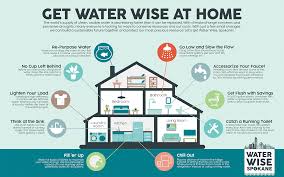
Saving water at home might seem like a big job. Many people worry about doing enough. You might feel like your small actions don’t matter much.
But they really do. Every drop counts. Learning simple ways to conserve water can make a big difference.
It helps your wallet. It also helps our planet.
Water conservation at home involves using less water in everyday activities. This means adopting habits and using tools that reduce water waste. Simple changes can significantly lower your water bill and positively impact the environment by preserving this vital resource.
Understanding Water Usage in Your Home
Homes use water for many things. We use it to drink and cook. We use it to clean ourselves and our homes.
We also use it for our gardens and yards. Understanding where water goes is the first step. Knowing this helps us find places to save.
Think about your daily routine. You might turn on the tap to brush your teeth. You might flush the toilet.
You might run the washing machine. Each of these uses water. Some use more than others.
For instance, a long shower uses much more water than a quick one. A leaky faucet can waste a surprising amount of water over time.
The United States uses a lot of water. Much of this is for agriculture. But homes use a good chunk too.
Indoor use is a big part. This includes toilets, showers, and faucets. Outdoor use is also important.
Watering lawns and gardens can use a lot, especially in dry areas.
Knowing the main uses helps us focus. We can then look for the best ways to cut back. It’s not about stopping all water use.
It’s about using water wisely. It’s about stopping waste. This is key to good water conservation at home.
Where Does Household Water Go?
Toilets: Often the biggest indoor water user. Older models use much more.
Showers: Another large user. The longer you shower, the more water used.
Faucets: Used for washing hands, dishes, and brushing teeth. Leaks add up.
Washing Machines: Use significant water for each load.
Dishwashers: Modern ones are often more efficient than hand washing.
Outdoor Use: Watering lawns and gardens can be a major part of total use.
It’s easy to overlook water waste. A dripping faucet might seem small. But it can add up to gallons each day.
A toilet that runs after flushing can waste hundreds of gallons a month. These small leaks are often hidden. They keep running up your water bill without you knowing.
In my own home, I noticed this. We had a small drip from our bathroom faucet. I didn’t think much of it at first.
It was just a few drops every few seconds. But when I looked it up, I was shocked. That tiny drip was wasting nearly 20 gallons a day!
That’s over 7,000 gallons a year. It was a simple fix. But it showed me how much water can be lost through little things.
Simple Habits for Saving Water Indoors
Changing daily habits is one of the easiest ways to start. These don’t cost money. They just require a little thought.
Many people find that once they start, it becomes second nature.
One of the first places to look is the bathroom. This is where most indoor water is used. Think about your shower.
Do you let the water run while you soap up? Try turning it off. Just a minute or two saved can make a difference.
Many newer showerheads are designed to use less water. They are called low-flow showerheads. They still provide good pressure.
They just use water more wisely.
When brushing your teeth or shaving, don’t let the water run. Turn off the tap. You only need it to wet your brush or rinse your razor.
Filling a cup is a great way to do this. It’s a small change but adds up. For dishwashing, scrape plates instead of rinsing them under running water.
If you have a dishwasher, use it only when it’s full. This is usually more water-efficient than washing by hand.
Quick Indoor Water-Saving Tips
- Turn off the tap while brushing teeth or shaving.
- Fix leaky faucets and toilets right away.
- Take shorter showers. Aim for 5-minute showers.
- Use a broom instead of a hose to clean driveways.
- Run washing machines and dishwashers only when full.
- Install low-flow fixtures like showerheads and faucet aerators.
Toilets are a big water user. Many older toilets use 3.5 to 5 gallons per flush. Newer, high-efficiency toilets use only about 1.28 gallons.
If you can’t
I remember visiting my aunt’s house a few years back. She was so proud of her new water-saving toilet. She explained how it used barely any water.
She had also put bottles in the tanks of her other toilets. She said her water bill went down a lot. It showed me that you don’t always need expensive upgrades.
Sometimes, simple tricks work well.
When you wash dishes by hand, don’t let the water run the whole time. Fill one basin with soapy water. Fill another with rinse water.
Or rinse them quickly under a shallow stream. This uses much less water than keeping the tap on. It’s a common habit for many people.
But it’s an easy one to change for water savings.
Laundry is another area where water adds up. Always wait until you have a full load to run your washing machine. If you have a load that’s just a bit too small for a full cycle, try to consolidate.
Washing smaller loads more often wastes a lot of water and energy. Many machines have different load sizes. Using the smallest appropriate size for your load helps too.
Saving Water Outdoors: Gardening and Yard Care
Outdoor water use can be significant, especially during warmer months. Watering lawns and gardens is a common practice. But it’s also a place where a lot of water can be wasted.
Smart watering practices can save a lot of water.
Water your lawn in the early morning or late evening. This is when it’s cooler. Less water evaporates into the air.
Watering during the heat of the day means much of the water you put down just disappears. Aim to water deeply but less often. This encourages grass to grow deeper roots.
This makes it more drought-tolerant.
Check your sprinkler system regularly. Are the heads spraying water onto the sidewalk or driveway? Adjust them so they water only your lawn and garden beds.
Are any sprinklers broken or leaking? Fix them immediately. A properly working sprinkler system is crucial for water efficiency.
Smart Outdoor Watering
Timing is key: Water early morning or late evening.
Water deeply, less often: Encourages strong roots.
Check sprinklers: Ensure they water plants, not pavement.
Use mulch: Helps soil hold moisture.
Choose native plants: They need less water.
Mulching around plants and trees is very helpful. Mulch is a layer of material applied to the soil. It can be wood chips, straw, or compost.
It helps the soil retain moisture. It also keeps weeds down. Weeds compete with your plants for water.
So, mulching is a double win for your garden.
Consider drought-tolerant plants. Many beautiful plants thrive in dry conditions. Native plants are often the best choice.
They are adapted to your local climate. They require less watering once established. This can drastically cut down on your outdoor water needs.
Many areas have nurseries that specialize in native plants.
A rain barrel can also be a great addition. It collects rainwater from your roof. You can then use this water for your plants.
It’s free water! Just be sure to check local regulations. Some places have rules about rain barrels.
I used to have a big green lawn. I spent hours watering it. Then I learned about native plants.
I started replacing some of the grass with them. It looked different, but it was much easier to care for. I didn’t have to water nearly as much.
My water bill went down. Plus, I attracted more birds and butterflies. It was a much more natural garden.
For cleaning outdoor areas like driveways or patios, use a broom. A hose can use a lot of water very quickly. Sweeping is just as effective for most everyday dirt.
If you have very tough spots, a bucket of soapy water and a brush might be all you need.
Water-Efficient Appliances and Fixtures
While changing habits is great, upgrading to water-efficient appliances and fixtures offers long-term savings. These are designed from the ground up to use less water.
Look for the WaterSense label. This is a program by the U.S. Environmental Protection Agency (EPA).
It labels products that are at least 20% more water-efficient than standard models. It also performs as well as or better than their non-labeled counterparts. This label is a good sign.
WaterSense Labeled Products
- Toilets: Use 1.28 gallons or less per flush.
- Faucets: Use 1.5 gallons per minute or less.
- Showerheads: Use 1.8 gallons per minute or less.
- Urinals: Use 0.5 gallons per flush or less.
- Weather-based irrigation controllers: Adjust watering based on weather.
When buying a new dishwasher or washing machine, check its water efficiency rating. Many modern appliances are much better than older ones. A high-efficiency washing machine can save 20 gallons per load compared to a standard machine.
That adds up quickly over many loads.
Faucets and showerheads are relatively easy to upgrade. Many come with aerators. These mix air with water.
This reduces the water flow. But it feels like a stronger spray. It’s a simple way to make a big impact.
You can often find these at your local hardware store.
Checking for leaks is vital. A silent leak can waste thousands of gallons a year. You can check your toilet for leaks by putting a few drops of food coloring in the tank.
Wait 15-20 minutes without flushing. If color appears in the bowl, you have a leak. Fix it promptly.
For faucets, a simple washer replacement can stop a drip.
In my old apartment, the landlord was slow to fix things. The toilet ran constantly. It was so annoying.
I finally checked it myself using the food coloring trick. Sure enough, it was leaking. I told the landlord again.
He fixed it. It was a small fix for him, but it saved so much water and money. It taught me to be proactive about checking for leaks.
Consider your overall water system. A well-maintained system is more efficient. Regularly check pipes for leaks.
Ensure your water heater is set to an appropriate temperature. Overheating water wastes energy and requires more water to cool down to a usable temperature.
What This Means for Your Water Bill and the Environment
The benefits of water conservation at home are clear. First, your water bill will likely go down. Water is a utility.
Using less means paying less. Even small savings add up. Over a year, those small habits can mean a significant reduction in your expenses.
Beyond your wallet, you’re helping the environment. Water is a precious resource. In many parts of the U.S., water is becoming scarcer.
Droughts are more common. By saving water, you reduce the strain on local water supplies. This helps ensure there’s enough water for everyone, including nature.
Why Water Conservation Matters
- Saves Money: Lower utility bills.
- Preserves Resources: Protects freshwater supplies.
- Protects Ecosystems: Less water withdrawn means healthier rivers and lakes.
- Reduces Energy Use: Treating and pumping water uses energy.
- Builds Resilience: Helps communities cope with droughts.
Conserving water also saves energy. A lot of energy is used to treat water. It’s then pumped to your home.
Heating water also uses energy. When you use less hot water, you use less energy. This means a smaller carbon footprint for your household.
It’s a win for your budget and a win for the planet.
Think about the future. Water is essential for life. For agriculture, for industry, for all living things.
By practicing water conservation at home now, we are helping to secure a more sustainable future. We are setting a good example for others. Our children will thank us for it.
In real homes across America, people are making these changes. They are seeing the benefits. They are proud to do their part.
It’s not about doing without. It’s about being smart with what we have. It’s about respecting a resource that is vital for our survival and well-being.
When is Water Use Normal?
It’s important to know what’s typical. Water use varies a lot. Factors include the size of your home.
The number of people living there matters. Your climate plays a big role. So do your habits.
In the U.S., the average person uses about 80-100 gallons of water per day.
For a family of four, this could add up to 320-400 gallons daily. This might seem like a lot. But it includes all uses.
It’s showering, flushing, washing clothes, cooking, and watering the yard. If you have a large garden or frequent car washes, your use will be higher.
Some variation is normal. For example, in hot, dry summers, you’ll likely use more water outdoors. This is natural.
You might water your plants more often. You might fill a kiddie pool for the kids. The key is to be aware of your usage.
Compare it to previous months or years.
Normal vs. Concerning Water Use
Normal:
- Slightly higher use in summer for outdoor watering.
- Daily fluctuations based on activities (e.g., laundry day).
- Average use per person aligns with national averages.
Concerning:
- Sudden, unexplained spikes in water bills.
- Toilets that constantly run or need frequent re-flushing.
- Leaky faucets that drip heavily.
- Wet spots in the yard where there is no leak source nearby.
- Sound of running water when no taps are on.
When to worry is when your usage jumps suddenly. Especially if your habits haven’t changed. A big bill increase without a clear reason is a red flag.
It often means there’s a leak somewhere. Or a fixture is not working correctly.
Pay attention to your water meter. Most meters have a small dial or indicator that spins when water is flowing. If you turn off all the water in your house, but the meter is still spinning, you have a leak.
This is a good test to do periodically. It helps catch hidden problems.
Another sign is unusually high humidity inside your home. Or mold growth in unexpected places. These could indicate hidden leaks within walls or under floors.
These are more serious issues. They require professional attention. But being aware can help you spot them earlier.
Quick Tips for Maximum Water Savings
Let’s recap some of the most impactful actions you can take. These are simple steps that offer big rewards for water conservation at home.
Fix leaks: This is number one. A small drip can waste thousands of gallons. Check toilets, faucets, and outdoor spigots regularly.
Shorter showers: Aim for 5 minutes. Even reducing your shower time by a minute or two makes a difference. Consider a shower timer.
Turn off the tap: Don’t let water run while brushing teeth or washing hands. Use a cup.
Full loads only: Run washing machines and dishwashers only when they are completely full.
Water-wise landscaping: Choose native plants. Mulch your garden beds. Water deeply and less often.
Your Top Water-Saving Actions
- Inspect & Repair: Fix every leak you find.
- Shower Smart: Reduce shower time.
- Tap Off: Turn off the faucet when not in use.
- Load Wise: Only run full appliance loads.
- Plant Right: Use drought-tolerant and native plants.
- Sweep, Don’t Spray: Use a broom for outdoor cleaning.
Use a broom: For cleaning driveways, sidewalks, and patios. Avoid using a hose unless absolutely necessary.
Install aerators: These low-cost devices reduce water flow from faucets without reducing pressure. They are an easy upgrade.
Collect rainwater: Use rain barrels for garden watering. It’s free and good for your plants.
These are practical, actionable steps. They are not complicated. They do not require a huge investment.
Many of them are free to implement. They are the building blocks of effective water conservation at home.
Frequently Asked Questions About Water Conservation
How much water does a leaky faucet waste?
A faucet that drips just once per second can waste about 3,000 gallons of water per year. This is a huge amount of waste from something so small. Fixing drips is a top priority for saving water.
Are low-flow showerheads really effective?
Yes, they are very effective. Low-flow showerheads use significantly less water than older models. They are designed to provide a satisfying shower experience while reducing water consumption.
Many have the EPA’s WaterSense label.
Does watering my lawn at night harm it?
Watering late at night can sometimes harm lawns. It can leave grass blades wet for too long. This can encourage fungal diseases.
Watering in the early morning is usually best. It allows water to soak in. Grass blades dry off during the day.
How can I check if my toilet is wasting water?
You can do a simple dye test. Put a few drops of food coloring into the toilet tank. Wait about 15-20 minutes without flushing.
If color appears in the toilet bowl, your tank is leaking water. You will need to repair the flapper or fill valve.
Is it better to wash dishes by hand or use a dishwasher?
Modern, energy-efficient dishwashers are usually more water-efficient than washing dishes by hand. This is especially true if you tend to leave the water running while washing by hand. Always run your dishwasher only when it’s full.
What are native plants and why are they good for water conservation?
Native plants are species that naturally grow in your local region. They are adapted to your climate and soil conditions. This means they typically require much less watering, fertilizing, and pest control.
They also support local wildlife.
How can I reduce my water usage without major renovations?
Focus on habit changes. Take shorter showers. Turn off the tap while brushing teeth.
Fix leaks promptly. Use a broom instead of a hose. Run full loads of laundry and dishes.
These simple steps can significantly reduce your water consumption without costly upgrades.
Making Water Conservation a Lifestyle
Saving water at home doesn’t have to be a chore. It can become a natural part of your life. When you understand why it’s important, it’s easier to make the effort.
It benefits your finances. It helps our planet. It ensures water is available for future generations.
Start small. Pick one or two habits to focus on this week. Maybe it’s shorter showers.
Or turning off the tap while brushing. Once those become routine, add another. Soon, you’ll find yourself naturally conserving water in many areas of your home.
Every effort, no matter how small, truly makes a difference.
Leave a Reply