
Are you tired of seeing your energy bills climb higher each month? It’s a common frustration for so many of us. You use energy like normal, but the costs just keep going up.
This can feel like a drain on your budget and your peace of mind. You want to make smart choices for your home, your wallet, and the planet. That’s exactly what we’re here to talk about.
Understanding and implementing long-term energy conservation strategies is key to reducing household costs and environmental impact. This guide explores effective methods for saving energy over time, from simple habit changes to significant home improvements, focusing on sustainability and smart resource use.
What is Long Term Energy Conservation?
Long term energy conservation means using less energy over many years. It’s not about just one quick fix. It’s about making changes that last.
Think about how you use power every day. It also means thinking about how your home itself uses energy. This could be how well it keeps heat in or out.
It’s a plan for the future. It helps your home run better. It also helps you save money for a long time.
Why is this important? Because energy costs keep going up. Also, using less energy helps our planet.
It reduces pollution. It conserves natural resources. Making lasting changes can make a big difference.
It’s about being smart with what we have. It’s about making our homes more efficient. This helps everyone in the long run.
We’ll look at many ways to do this. Some are easy. Others take a little more work.
But all of them help save energy for years to come. We want to make sure you have the best information. This will help you make the right choices for your home and family.
My Own Energy Saving Journey
I remember when I first bought my own place. It was an older home, full of charm but also full of drafts. The heating bill in winter was shocking.
I felt this sinking feeling every time I opened the mail. It wasn’t just the money; it felt like I was wasting something precious. I’d turn the thermostat down, put on a sweater, and still shiver.
One evening, I was sitting there, feeling the cold air creep under the door. I realized that just turning things off wasn’t enough. I needed to change how my house worked.
It was a slow process of learning. I started by sealing up small cracks. Then I looked at bigger things like insulation.
It took time and some trial and error. But seeing the bills shrink little by little was incredibly rewarding. It felt like I was taking control.
Quick Wins for Energy Savings
Lower Thermostat: Turn it down a few degrees in winter. Up a few in summer. This is one of the easiest steps.
Unplug Electronics: Many devices use power even when off. Use power strips to turn them off fully.
Use Natural Light: Open curtains during the day. This reduces the need for electric lights.
Wash Clothes Cold: Most of the energy for washing is in heating water. Cold water works well for most loads.
Air Dry: Let clothes air dry instead of using the dryer when you can.
Understanding Your Home’s Energy Use
To save energy long term, you need to know where it’s going. Many homes waste energy without us even knowing it. Think about your heating and cooling.
These systems often use the most power. If your house isn’t sealed well, that nice warm air escapes. Then your heater works harder to replace it.
Another big user is lighting. Older light bulbs use much more power than newer ones. Appliances are also key.
Older refrigerators or washing machines can be energy hogs. Even small things like old electronics plugged in constantly add up. It’s like having many tiny leaks in a bucket.
Understanding this helps us see where to focus our efforts. We can pinpoint the biggest problems. This way, we don’t waste time on things that won’t make much difference.
It’s about being strategic with our energy use. We want to make sure every bit of energy we pay for is used well.
Sealing Up Your Home: The First Step
One of the most effective long-term energy conservation strategies is air sealing. This means finding and fixing leaks where air can get in or out. Think about windows, doors, electrical outlets, and where pipes or wires enter your home.
These are common spots for drafts. Even tiny gaps can add up to a big energy loss.
You can feel drafts by hand. You can also use an incense stick to see where the smoke moves. For more serious leaks, a professional can use a blower door test.
They can measure how much air is escaping. This gives them a clear picture of your home’s leaks.
Once you find the leaks, you can seal them. Use caulk for small gaps around windows and doors. Use weatherstripping for moving parts of doors and windows.
For larger holes, use spray foam insulation or caulk. Properly sealed homes are more comfortable. They also use much less energy for heating and cooling.
This saves you money year after year.
Common Leak Spots in Homes
- Around windows and doors: Check for gaps and worn-out seals.
- Electrical outlets and switch plates: Air can seep through these.
- Plumbing and wiring penetrations: Where pipes and wires enter walls or floors.
- Attic hatches: These can be poorly insulated or sealed.
- Baseboards: Gaps can form where walls meet floors.
- Chimneys and fireplace dampers: Ensure they close tightly when not in use.
Insulation: Keeping the Comfort In
Insulation is like a warm blanket for your house. It keeps the heat inside during winter and outside during summer. Good insulation is a cornerstone of long-term energy conservation.
It helps your heating and cooling systems work less. This means lower energy bills and a more comfortable home.
The amount of insulation needed depends on your climate. The U.S. Department of Energy has recommendations.
They suggest R-values for different parts of your home. R-value measures how well insulation resists heat flow. Higher R-values mean better insulation.
You can find insulation in your attic, walls, and crawl spaces. Attics are often the easiest place to add more insulation. This can make a big difference.
Walls can be insulated when built or sometimes through small holes. Experts can assess your current insulation levels. They can tell you if you need more.
Adding insulation is an investment that pays off for years.
Smart Lighting Choices
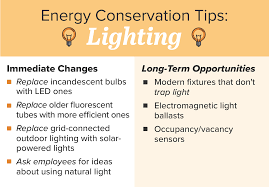
Lighting can account for a good chunk of your energy bill. Upgrading to energy-efficient lighting is a simple yet effective long-term strategy. The most common choice today is LED bulbs.
They use much less energy than old incandescent bulbs. They also last much longer.
Incandescent bulbs waste most of their energy as heat. LED bulbs turn almost all their energy into light. This means they are much more efficient.
They also come in many different colors and brightness levels. You can find the right light for any room.
Beyond bulbs, think about how you use light. Install dimmer switches. Use motion sensors for lights in areas that are not used often, like hallways or garages.
Open blinds and curtains during the day to use natural sunlight. Using light wisely reduces electricity use significantly. This is a saving you’ll see every month on your bill.
Appliance Efficiency Matters
Your home appliances are constantly using energy. Older models can be very inefficient. Newer appliances, especially those with the ENERGY STAR label, use significantly less energy.
ENERGY STAR is a program from the U.S. Environmental Protection Agency (EPA). It certifies products that meet strict energy efficiency guidelines.
When it’s time to replace an old appliance, always look for the ENERGY STAR label. This applies to refrigerators, dishwashers, washing machines, dryers, and more. These efficient models might cost a bit more upfront.
But they save you money on energy bills over their lifespan. They also often perform better and last longer.
For appliances you already have, simple maintenance can help. Clean refrigerator coils. Make sure your dryer vent is clear.
Don’t leave the oven door open when cooking. These small actions help your appliances run as efficiently as possible. This contributes to long-term energy conservation.
Appliance Energy Saving Tips
Refrigerator: Keep it full but not overstuffed. Check door seals regularly.
Dishwasher: Run only full loads. Use the air-dry setting if available.
Washing Machine: Wash full loads in cold water. Use high spin speeds to remove more water.
Dryer: Clean the lint filter after every load. Dry similar fabrics together. Don’t over-dry clothes.
Oven: Avoid opening the door during cooking. Use a microwave or toaster oven for smaller meals.
Heating and Cooling Smarter
Heating and cooling systems are often the biggest energy consumers in a home. Making them more efficient is crucial for long-term savings. This starts with regular maintenance.
Have your furnace and air conditioner checked by a professional annually. They can ensure they are running at peak performance.
Consider upgrading to a high-efficiency system when yours needs replacing. Look for systems with high SEER (Seasonal Energy Efficiency Ratio) for air conditioners and AFUE (Annual Fuel Utilization Efficiency) for furnaces. These ratings indicate how efficiently the system uses energy.
Smart thermostats are another great tool. They learn your habits and adjust the temperature automatically. You can also program them to save energy when you’re away or asleep.
This avoids heating or cooling an empty house unnecessarily. Proper duct sealing is also vital. Leaky ducts can lose a lot of heated or cooled air before it reaches your rooms.
Water Heating Efficiency
Heating water uses a lot of energy, especially in the winter. Most homes have a water heater that keeps water warm all day. This is called standby heat loss.
You can reduce this loss. One way is to insulate your water heater tank. This is especially helpful for older tanks.
Another step is to lower the thermostat setting on your water heater. Most are set higher than needed. A setting of 120 degrees Fahrenheit is usually sufficient for most households.
This small change can save significant energy and also reduce the risk of scalding.
Fixing leaky faucets is also important. A small drip can waste gallons of hot water every day. When it’s time to replace your water heater, consider a high-efficiency model.
Tankless water heaters heat water on demand. They can offer substantial energy savings over traditional tank models, though they require a larger initial investment.
Water Heater Savings at a Glance
Lower Temperature: Set to 120°F (49°C) instead of higher.
Insulate Tank: Especially for older models, an insulation blanket helps.
Insulate Pipes: Insulate the first few feet of hot water pipes coming from the tank.
Fix Leaks: Dripping hot water taps waste energy and water.
Consider Upgrades: Tankless or heat pump water heaters offer greater efficiency.
Renewable Energy Options
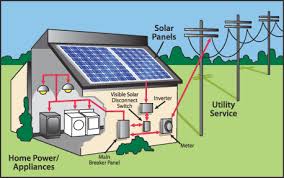
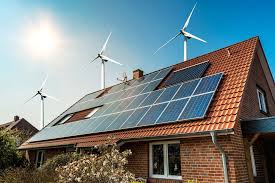
For truly long-term energy conservation and sustainability, renewable energy is a great step. Solar panels are becoming more affordable and accessible. They can generate clean electricity for your home.
This reduces your reliance on power from the grid. Over time, solar panels can significantly lower or even eliminate your electricity bills.
The initial cost of solar panels can be high. However, there are often tax credits and incentives available. These can make the investment more manageable.
The lifespan of solar panels is typically 25-30 years. This means they offer decades of free, clean energy.
Another option is exploring community solar programs. If you can’t install panels on your own roof, you might be able to buy into a local solar farm. This still allows you to benefit from solar energy.
Embracing renewable energy is a powerful way to contribute to a greener future while saving money.
Water Conservation: An Energy Link
You might not think about it, but saving water also saves energy. It takes energy to pump water to your home. It takes even more energy to heat that water.
So, any steps you take to reduce water use also help conserve energy.
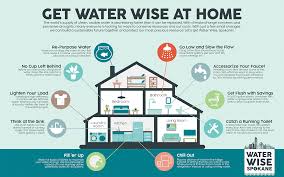
Simple actions like taking shorter showers make a difference. Fixing leaky faucets and toilets is essential. Using water-efficient appliances, like low-flow showerheads and toilets, can significantly cut down on water usage.
Consider collecting rainwater for outdoor watering. This reduces your reliance on treated municipal water.
These water-saving habits are easy to adopt. They require little effort. But they have a compounding effect on your energy bills over time.
It’s a win-win for your budget and the environment. Every drop saved is a bit of energy saved, too.
Smart Home Technology and Energy
Modern technology offers exciting ways to manage energy use. Smart home devices can help you monitor and control your energy consumption more effectively. Smart thermostats, as mentioned earlier, are a prime example.
They offer advanced scheduling and remote control.
Smart power strips can automatically cut power to devices that are not in use. Smart lighting systems allow you to control lights remotely, set schedules, and even adjust brightness to save energy.
Home energy monitoring systems can give you real-time data on your energy usage. You can see which appliances are using the most power. This information helps you make informed decisions about how to reduce consumption.
Integrating these technologies can lead to significant, sustained energy savings.
Smart Tech for Energy Savings
Smart Thermostats: Automate temperature control for savings.
Smart Plugs/Strips: Manage power to electronics, reducing phantom loads.
Smart Lighting: Control brightness and schedules remotely.
Energy Monitors: Track usage in real-time to identify savings opportunities.
Smart Appliances: Some newer appliances can be programmed for off-peak energy use.
Behavioral Changes: The Human Element
Technology and home improvements are vital. But sometimes, the biggest energy savings come from simple changes in our daily habits. It’s about being mindful of how we use energy.
These changes are free and can be implemented immediately.
Turning off lights when you leave a room is a classic. It seems small, but it adds up. Unplugging chargers and electronics when not in use prevents “phantom load.” This is the energy devices consume even when they’re off.
When cooking, use lids on pots and pans. This helps food cook faster and uses less energy.
Adjusting your thermostat by a few degrees can also make a big difference. Wear a sweater indoors in cooler months. Use fans to circulate air in warmer months, reducing the need for air conditioning.
Encouraging everyone in the household to adopt these habits creates a culture of energy awareness.
What This Means for Your Home
Implementing long-term energy conservation strategies transforms your home. It becomes more comfortable. It’s less drafty in winter and cooler in summer.
Your energy bills will decrease significantly over time. This provides financial relief and stability.
Beyond savings, it’s about making your home more sustainable. You’ll be reducing your carbon footprint. You’ll be contributing to a healthier planet.
This is a legacy you build for the future. It’s about living more responsibly with the resources available to us.
It’s important to know when it’s time to take action. If your energy bills are consistently high, despite your best efforts. If your home feels uncomfortable due to drafts or temperature swings.
If you’re concerned about your environmental impact. These are signs that it’s time to focus on long-term energy conservation.
When to Consider Energy Upgrades
High Energy Bills: Consistently higher than average for your area.
Home Comfort Issues: Drafts, cold spots, or uneven temperatures.
Old Appliances: When appliances are nearing the end of their lifespan.
Aging HVAC System: If your furnace or AC is over 10-15 years old.
Environmental Goals: A desire to reduce your household’s carbon footprint.
Simple Checks You Can Do Now
You don’t always need a professional to start saving energy. Many checks are simple and can be done yourself. Walk around your home.
Feel for drafts near windows and doors. Check if your attic has enough insulation. Look at the insulation level.
You should be able to see joists if it’s too low.
Check your water heater’s temperature setting. Make sure it’s at 120°F. Inspect the seals on your refrigerator and freezer doors.
Are they intact? Do they create a good seal? Look at your light bulbs.
Are they mostly old incandescent bulbs? If so, consider switching to LEDs.
Check your window coverings. Are they effective at blocking sun in summer or heat in winter? Simple things like adjusting blinds can help.
These small checks can reveal areas where you can start saving energy right away. They are the first steps towards a more efficient home.
Quick Fixes and Tips for Lasting Savings
Long-term energy conservation is built on many small, consistent actions. Here are some quick tips to get you started and keep the savings going:
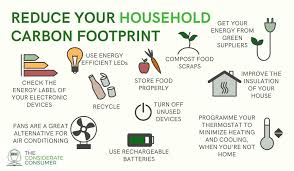
- Use power strips: Plug electronics into power strips. Turn off the strip when not in use. This easily stops phantom energy drain.
- Seal air leaks: Use caulk and weatherstripping around windows and doors. This is a high-impact, low-cost fix.
- Adjust thermostat: Lower it by a few degrees in winter. Raise it in summer. Use a programmable or smart thermostat for best results.
- Switch to LEDs:
- Maintain appliances: Clean refrigerator coils. Clean dryer lint filters. These simple tasks improve efficiency.
- Use fans: Ceiling fans and portable fans can help you feel cooler. This reduces air conditioning use.
- Wash clothes in cold water: Most of the energy used in washing is for heating water. Cold water is effective for most laundry.
- Air dry clothes: Use a clothesline or drying rack instead of a dryer when possible.
- Cook smarter: Use lids on pots. Use smaller appliances like microwaves for small meals.
- Reduce hot water use: Take shorter showers. Fix any hot water leaks immediately.
These tips are easy to integrate into daily life. They require little effort but offer continuous energy savings. They are the building blocks for a more energy-efficient home over the years.
Frequently Asked Questions About Energy Conservation
How much money can I save by conserving energy?
The amount of money you can save varies greatly. It depends on your home’s size, climate, current energy use, and the conservation strategies you implement. However, many households can see savings of 10-30% on their energy bills by making smart changes.
Some larger investments, like insulation or solar panels, can save thousands over their lifespan.
Is it worth upgrading to energy-efficient appliances if mine still work?
Yes, it can be very worth it, especially for older appliances. While your current appliances may still be working, they are likely much less efficient than newer models. ENERGY STAR certified appliances use significantly less energy.
The savings on your energy bills over the life of the new appliance often outweigh the purchase cost.
What is the most effective way to conserve energy at home?
The most effective way often involves a combination of strategies. However, air sealing your home and adding adequate insulation are usually the biggest contributors to long-term energy savings. These address the fundamental ways your home loses or gains heat, directly impacting heating and cooling costs, which are typically the largest energy expenses.
How can I make my home more comfortable and save energy at the same time?
Making your home comfortable and energy-efficient go hand-in-hand. Sealing air leaks and adding insulation creates a more consistent indoor temperature. Using a smart thermostat helps maintain comfort while avoiding waste.
Energy-efficient windows and doors also improve comfort and reduce energy loss. Focusing on these areas benefits both comfort and cost.
Do smart home devices really save energy?
Yes, smart home devices can definitely help save energy. Smart thermostats learn your patterns and adjust heating/cooling automatically. Smart plugs can cut power to idle electronics, reducing phantom load.
Smart lighting allows for precise control and dimming. These devices give you more control and data to optimize energy use.
What is “phantom load” and how do I stop it?
Phantom load, also called standby power, is the energy devices use when they are turned off but still plugged in. This includes things like TVs, computers, phone chargers, and game consoles. You can stop it by unplugging devices when not in use, using smart power strips that can be switched off, or buying devices with lower standby power consumption.
Conclusion
Embracing long-term energy conservation is a journey, not a destination. It’s about making smart choices that benefit your wallet and the planet. From simple habit changes to more involved home improvements, every step counts.
By understanding your home’s energy use and implementing these strategies, you create a more efficient, comfortable, and sustainable living space for years to come.

Leave a Reply