
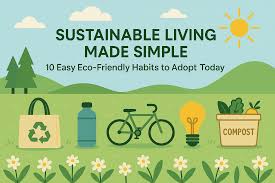
The core of sustainable living is about meeting our needs today without hurting the ability of future folks to meet their own needs. It means being mindful of our planet’s resources. It also means thinking about the impact of our choices on the environment and people.
What is Sustainable Living?
Sustainable living is a way of life. It aims to reduce your personal and collective environmental impact. This means using fewer resources.
It also means producing less waste. The goal is to live in a way that protects the earth. It helps keep it healthy for generations to come.
Think of it as a balance. We need things for our lives. We need food, shelter, and comfort.
Sustainable living finds ways to get these things. It does this while using resources wisely. It avoids harming nature too much.
This approach touches many parts of life. It covers what we eat, how we travel, and what we buy. It even includes how we use energy at home.
Every choice matters. Small changes add up to big results over time. We will explore many of these areas.
My Own Journey to a Greener Home
I remember standing in my kitchen one Saturday morning. I looked at the overflowing trash can. It was packed with plastic bags and food scraps.
It hit me then. I was creating so much waste without even thinking. I felt a pang of guilt.
I also felt a strong desire to do better. I wasn’t sure how, though. It seemed like a huge task.
I started small. I switched to a reusable grocery bag. Then, I tried composting food scraps.
It felt awkward at first. I worried about smells or doing it wrong. But it became easier.
Seeing the compost bin fill up with good soil felt like a win. This small step opened my eyes to more possibilities. It showed me that making a difference starts with simple actions.
Your Daily Habits Matter
Many people think living sustainably means big, drastic changes. That’s not always true. It’s often about small shifts in your daily routine.
These little changes, when done often, make a large impact.
- Mindful Shopping: Think before you buy. Do you really need it? Can you buy it used?
- Waste Reduction: Focus on reducing what you throw away. Reuse items. Recycle what you can.
- Energy Saving: Turn off lights. Unplug devices. Use less power.
- Water Conservation: Take shorter showers. Fix leaks. Use water wisely.
These are just a few ideas. We will explore more as we go.
The Impact of Our Choices
Our daily choices have a real effect. They shape the world around us. When we use fewer resources, we help protect nature.
This means saving trees, water, and clean air. It also means less pollution. Pollution can harm wildlife and human health.
Think about plastic. So much of it ends up in oceans. It hurts sea animals.
It breaks down into tiny pieces. These pieces get into our food and water. Choosing reusable items cuts down on this plastic waste.
It’s a direct way to help.
Our energy use is another big factor. Burning fossil fuels for power releases greenhouse gases. These gases trap heat.
This causes climate change. Climate change leads to extreme weather. It can also raise sea levels.
Using less energy, or using cleaner energy, helps slow this down. It protects our planet from these harms.
Eating Sustainably
What you eat has a big footprint. Food production uses land, water, and energy. It also creates waste.
Choosing Plant-Based Foods
Eating more plant-based meals can help a lot. Growing plants usually needs less water and land than raising animals. It also creates fewer greenhouse gas emissions.
This doesn’t mean you have to become a strict vegetarian or vegan. Even having one or two meatless days a week makes a difference.
Try swapping meat for beans in your chili. Or use lentils in your pasta sauce. There are many tasty plant-based options.
Explore new recipes. You might find you love them!
Eating Local and Seasonal
Food that travels long distances uses fuel. This adds to pollution. Eating local foods means they travel less.
It also often means they are fresher. Seasonal foods are also good to choose. They are often grown using fewer resources.
Visit your local farmers’ market. Talk to the farmers. Ask them what’s in season.
You’ll get great food and support your community. It’s a win-win.
Reducing Food Waste
A lot of food gets thrown away. This is a waste of all the resources used to grow and transport it. It also adds to landfill waste.
We can all do better here.
Plan your meals. Make a grocery list. Buy only what you need.
Store food properly to keep it fresh. Get creative with leftovers. Turn stale bread into croutons.
Use vegetable scraps for broth. Composting is also a great way to handle scraps. It turns them into valuable soil.
It keeps them out of the landfill.
Food Waste Facts
Did you know that about one-third of all food produced worldwide is lost or wasted?
In U.S. homes, food is the single largest category of material placed in municipal landfills.
This wasted food is a huge drain on our resources. It’s also a significant source of methane, a powerful greenhouse gas.
Sustainable Transportation
How we get around affects the planet. Cars and planes burn fuel. This releases pollution.
We can make smarter choices here too.
Walking and Biking
For short trips, walking or biking is ideal. It’s good for your health. It’s also great for the environment.
You use no fuel. You create no emissions. Plus, you get to see your neighborhood in a new way.
If your town has bike lanes, use them! If not, be safe and aware of traffic. Even a short walk to the corner store is a step in the right direction.
Public Transport
Using buses or trains is more efficient than driving alone. Fewer cars on the road mean less traffic. It also means less pollution overall.
Many cities have good public transport systems. Try using them for your commute or errands.
Many transit systems are also working to become greener. Electric buses and trains are becoming more common. This makes them even better for the environment.
Carpooling and Ridesharing
If driving is necessary, consider carpooling. Share rides with friends, family, or coworkers. This reduces the number of cars on the road.
It also saves you money on gas and wear and tear.
Ridesharing apps can also help. You can find others going in the same direction. Some services even focus on shared rides specifically for commuting.
Electric and Hybrid Vehicles
If you need a car, think about electric or hybrid models. Electric cars run on batteries. They produce no tailpipe emissions.
Hybrid cars use both a gas engine and an electric motor. They are more fuel-efficient.
While the initial cost might be higher, they can save you money on fuel in the long run. Charging stations are also becoming more common. Check for incentives and tax credits when buying.
Commuting Options: A Quick Look
Driving Alone: High emissions, high cost, high convenience.
Carpooling: Lower emissions, shared cost, moderate convenience.
Public Transport: Very low emissions, low cost, variable convenience.
Biking/Walking: Zero emissions, zero cost, moderate convenience (depends on distance).
Saving Energy at Home
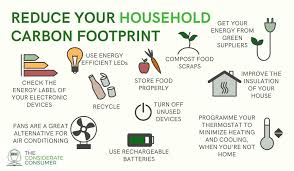
Our homes use a lot of energy for heating, cooling, and lighting. Reducing energy use is a key part of sustainable living. It cuts down on emissions and saves you money.
Smart Lighting
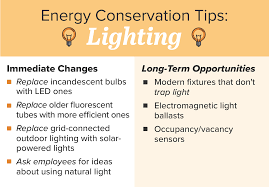
Switch to LED light bulbs. They use much less energy than old incandescent bulbs. They also last much longer.
Make it a habit to turn off lights when you leave a room. Even better, use natural light when you can. Open curtains and blinds during the day.
Heating and Cooling Efficiency
Insulation is very important. It keeps your home warm in winter and cool in summer. Check for drafts around windows and doors.
Seal them up. Use weatherstripping. Set your thermostat wisely.
Lower it a few degrees in winter. Raise it a few degrees in summer when you are away or sleeping.
Use fans. Ceiling fans or portable fans can help you feel cooler. This means you might use your air conditioner less.
Clean your air filters regularly. A dirty filter makes your system work harder.
Efficient Appliances and Electronics
When buying new appliances, look for Energy Star certified products. These are designed to be more energy-efficient. Unplug electronics when they are not in use.
Many devices use “phantom load” or standby power. This adds up over time.
Consider a smart power strip. It can cut power to devices when they are turned off.
Renewable Energy Options
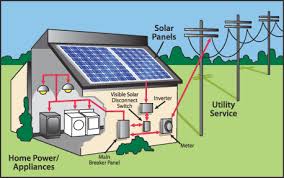
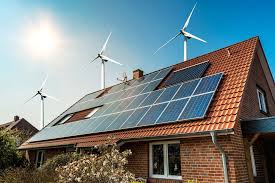
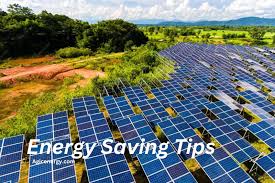
If possible, look into renewable energy sources. Many utility companies offer green energy plans. These use power from wind or solar.
You can also explore installing solar panels on your home. This is a bigger investment. But it can save money long-term.
It greatly reduces your carbon footprint.
Energy Saving Quick Wins
- Switch bulbs:
- Seal drafts: Use caulk or weatherstripping.
- Thermostat smarts: Adjust for sleep and absence.
- Unplug it: Fight phantom power drain.
- Full loads: Run dishwashers and washing machines only when full.
Water Conservation
Water is a precious resource. Using less water helps conserve it. It also saves energy used to pump and heat water.
In the Bathroom
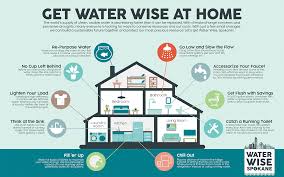
Take shorter showers. A typical shower uses about 2.5 gallons per minute. Cutting your shower time by a few minutes saves a lot of water.
Install low-flow showerheads. These reduce water flow without sacrificing pressure. Turn off the tap when brushing your teeth or shaving.
Fix leaky toilets and faucets. A small drip can waste many gallons of water a day. Check your toilet for leaks by putting a few drops of food coloring in the tank.
If the color appears in the bowl without flushing, you have a leak.
In the Kitchen
Run your dishwasher only when it’s full. Scrape plates instead of rinsing them before putting them in the dishwasher. If washing dishes by hand, don’t let the water run continuously.
Fill a basin. Use that water to wash and rinse.
When cooking, use less water. Steam vegetables instead of boiling them. Use the water from steaming or boiling to make soup or broth.
Outside
Water your lawn and garden in the early morning or late evening. This reduces evaporation. Use a rain barrel to collect rainwater for your plants.
Choose native plants that are adapted to your local climate. They usually need less water.
Consider drought-tolerant landscaping. It can be beautiful and water-wise. Avoid over-watering.
Check the soil moisture before watering.
Water Saving Tips
- Shorter Showers: Aim for 5 minutes or less.
- Fix Leaks: Check faucets and toilets regularly.
- Full Loads: Only run dishwashers and washing machines when full.
- Rain Barrels: Collect free water for your garden.
- Native Plants: Choose plants that thrive in your area.
Reducing Waste and Recycling
The goal of sustainable living is to create as little waste as possible. Recycling is good, but reducing and reusing are even better.
The 3 R’s: Reduce, Reuse, Recycle
Reduce: Buy less stuff. Choose items with minimal packaging. Avoid single-use products like plastic cutlery or straws.
Say no to freebies you don’t need.
Reuse: Find new uses for old items. Glass jars can become storage containers. Old clothes can be used as cleaning rags.
Bring your own reusable bags, water bottles, and coffee cups.
Recycle: Understand what can be recycled in your area. Rinse containers. Flatten cardboard boxes.
Follow local guidelines carefully.
I found that bringing my own coffee cup to the local cafe felt a bit strange at first. I was worried about holding things up. But the baristas were always happy about it.
They would just adjust the price slightly. It made me feel good knowing I was saving one disposable cup a day. That’s 365 cups a year from just me!
Composting
Composting is a fantastic way to handle food scraps and yard waste. It turns organic material into nutrient-rich soil. This soil can be used for gardens.
It keeps waste out of landfills. You can compost in your backyard. There are also indoor options like worm bins.
What can you compost? Fruit and vegetable scraps, coffee grounds, tea bags, eggshells, yard trimmings, and paper products like paper towels are usually good. Avoid meat, dairy, and oily foods.
These can attract pests and create odors.
Mindful Purchasing
Think about what you buy. Choose products that are durable and well-made. Look for items made from recycled or sustainable materials.
Support companies that have good environmental practices. Avoid fast fashion. It creates a lot of waste and pollution.
Consider buying secondhand. Thrift stores and online marketplaces are great for finding clothes, furniture, and more. It’s often cheaper and better for the planet.
Waste Hierarchy
- Prevention: Don’t create waste in the first place.
- Reuse: Use items again and again.
- Recycle: Turn old materials into new products.
- Recovery: Such as energy from waste.
- Disposal: Landfill or incineration (least preferred).
Focus on the top levels first!
Sustainable Choices for Home Goods
The things we buy for our homes can have a big impact. From cleaning supplies to furniture, we have choices.
Eco-Friendly Cleaning
Many common cleaning products contain harsh chemicals. These can pollute waterways. They can also be bad for your health.
Look for natural cleaning products. Many are made from plant-based ingredients. Or you can make your own.
Baking soda, vinegar, and lemon juice are powerful cleaners.
Use reusable cloths and sponges. Avoid paper towels. Many effective and safe cleaning solutions are available.
They are often found in the natural products aisle of grocery stores.
Sustainable Furniture and Decor
When buying furniture, look for items made from sustainably sourced wood. Look for certifications like FSC (Forest Stewardship Council). Consider buying vintage or secondhand furniture.
It’s a great way to reuse items.
Choose items made from natural or recycled materials. Think about natural fibers for rugs and curtains. Look for paints with low VOCs (volatile organic compounds).
These are better for air quality.
Repair and Maintain
Instead of replacing things, try to repair them. A loose button can be sewn back on. A wobbly chair can be fixed.
Learning basic repair skills saves money. It also reduces waste. Many communities have repair cafes.
They offer tools and expertise to help fix items.
Maintaining your belongings also helps them last longer. Clean your appliances. Polish your furniture.
Take good care of your items. They will serve you better and longer.
Spotlight: DIY Cleaners
- All-Purpose Cleaner: Mix equal parts white vinegar and water in a spray bottle. Add a few drops of essential oil for scent if you like.
- Scrubbing Paste: Mix baking soda with a little water to make a paste. Use it to scrub sinks and tubs.
- Glass Cleaner: Mix one part rubbing alcohol with one part water. Add a drop of dish soap. Spray on glass and wipe with a microfiber cloth.
What This Means for You
Living sustainably is a journey. It’s not about being perfect. It’s about making better choices when you can.
When is it Normal to Start?
It’s normal to start anytime! You don’t need to wait for a special occasion. You don’t need to have a lot of money.
The best time to start is now. Even one small change is a good start.
When Should You Worry?
You don’t need to worry about doing things perfectly. The focus is on progress, not perfection. If you forget your reusable bag, it’s okay.
Just try to remember next time. Worrying too much can make sustainability feel like a burden. It’s meant to be a positive path.
Simple Checks You Can Do
Look at your trash can. What do you throw away most often? That’s a good place to start making changes.
Think about your commute. Could you walk or bike for one trip a week? Check your energy bills.
Are there easy ways to reduce usage? Small checks can show you where to focus your efforts.
It’s also helpful to see what your neighbors are doing. Sometimes seeing others make changes can be inspiring. Local community groups often share tips and resources.
They can be a great source of support and ideas.
Your Sustainability Checklist
- Food: Do you plan meals? Do you reduce waste?
- Transport: Do you walk, bike, or use public transport sometimes?
- Home Energy: Do you turn off lights? Are your bulbs efficient?
- Water: Do you take shorter showers? Are there leaks?
- Waste: Do you use reusable bags? Do you recycle properly?
Check off what you already do! Celebrate your wins.
Quick Tips for Greener Habits
Making sustainable choices doesn’t have to be hard. Here are some easy tips to weave into your life.
- Carry a reusable water bottle. Refill it throughout the day.
- Bring your own bags to the store. Keep them in your car.
- Unplug chargers when not in use. They still draw power.
- Turn down the heat a degree or two. Put on a sweater instead.
- Use cloth napkins instead of paper. Wash and reuse them.
- Plan one meatless meal each week.
- Fix drips. That small leak adds up.
- Borrow or rent items you don’t use often. Like tools or party supplies.
- Choose products with less packaging.
- Turn off the TV and lights when you leave a room.
Myth vs. Reality
Myth: Sustainable living is expensive.
Reality: Many sustainable habits save money. Reducing waste means buying less. Using less energy cuts bills.
Reusing items means not buying new ones.
Myth: My small actions don’t make a difference.
Reality: Every action adds up. Your choices inspire others. Collective action starts with individual steps.
Frequently Asked Questions
What is the easiest way to start living sustainably?
The easiest way to start is often by picking one small habit. For example, always carrying a reusable shopping bag. Or switching to LED light bulbs.
You could also try one meatless meal per week. Small, consistent changes are easier to maintain than big ones.
Does sustainable living require a lot of effort?
It can feel like effort at first. Learning new habits takes time. But once these habits become routine, they require very little effort.
Many sustainable choices become second nature over time.
Is it okay if I can’t afford expensive eco-friendly products?
Absolutely! Sustainable living is not about buying expensive things. It’s about making mindful choices with what you have.
Reducing consumption, reusing items, and using less energy are all free or low-cost actions that make a big difference.
How does food waste impact the environment?
When food is wasted, all the resources used to produce it are also wasted. This includes water, land, energy, and labor. Wasted food in landfills also produces methane, a powerful greenhouse gas that contributes to climate change.
What are some simple ways to reduce plastic use?
Carry a reusable water bottle and coffee cup. Use reusable shopping bags. Avoid single-use items like plastic straws and cutlery.
Buy products with minimal packaging. Choose fresh produce instead of pre-packaged options.
Can I compost if I live in an apartment?
Yes! There are several options for apartment dwellers. You can use a worm bin (vermicomposting) indoors.
Some cities have municipal composting programs that pick up food scraps. You might also find community gardens that accept compost donations.
Final Thoughts
Embracing sustainable living habits is a powerful step. It benefits you, your community, and our planet. Start small, stay consistent, and celebrate your progress.
Every conscious choice you make matters. You are contributing to a healthier, greener future for everyone.


Leave a Reply