
Sustainable energy conservation means using less energy overall and using the energy you do use more wisely. This helps lower your bills, reduces your home’s environmental impact, and conserves natural resources for the future. It’s about finding a balance between comfort and responsibility.
What is Sustainable Energy Conservation?
Sustainable energy conservation is simply the act of using less energy. It also means using the energy you need in the smartest way possible. The goal is to reduce waste. We want to make sure there’s enough energy for everyone, now and in the future. This way, we don’t rely so much on sources that harm our environment.
Think of it like saving money in a bank. The more you save, the more you have later. With energy, the more we conserve, the less we have to produce. This production often involves burning fossil fuels. These fuels release harmful gases into the air.
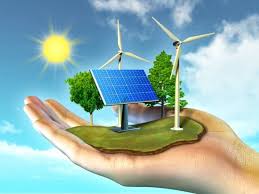
It also means looking at where our energy comes from. Sustainable energy sources are things like solar power from the sun. Wind power from the wind is also good. Geothermal energy from the Earth’s heat is another. These are called renewable energy sources. They don’t run out.
My First Dive into Energy Saving
I remember when I first moved into my own apartment. It was small, and I thought, “How much energy could I even use?” Oh, boy. I got my first electricity bill and my jaw dropped. It was so much higher than I expected. I felt a bit foolish. I loved having the lights on everywhere and keeping the thermostat just how I liked it. But that bill was a wake-up call.
I started looking around my tiny space. I saw lights left on in empty rooms. I noticed the ancient refrigerator hummed constantly. My computer tower was always on, even when I was sleeping. It felt like I was just letting money and energy slip away. It was a bit embarrassing, but also motivating. I decided right then I needed to figure out sustainable energy conservation in a real way. I grabbed a notebook and started making a list of simple changes.
Energy Saving Quick Wins
- Switch to LEDs: They use much less power than old bulbs.
- Unplug ‘Vampires’: Devices that draw power even when off.
- Use Power Strips: Easy way to turn off multiple items at once.
- Adjust Thermostat: A few degrees makes a big difference.
- Seal Air Leaks: Stop drafts from letting your warm air out.
Understanding Your Home’s Energy Use
To conserve energy, you first need to know where it’s going. Many of us use electricity and gas without much thought. We flip switches and turn knobs. We assume everything is working as it should.
The biggest energy users in most homes are heating and cooling systems. These are your furnace, air conditioner, and water heater. Appliances like refrigerators and dryers also use a lot. Then there are lighting and electronics.
Think about your daily routine. When do you use the most power? Is it in the morning when you’re getting ready? Or in the evening when everyone is home? Knowing your patterns helps you target areas for saving. You can also check your energy bills. They often show you how your usage changes over time. This can point to seasonal needs, like more AC in summer.
Where Does Your Energy Go?
Heating & Cooling: This is often the largest chunk. It can be 40-50% of your bill. Insulation and sealing leaks are key here.
Water Heating: Another big one, especially for larger families. Lowering your water heater’s temperature helps.
Appliances: Refrigerators run 24/7. Newer, energy-efficient models save a lot.
Lighting: Older bulbs are energy hogs. Switching to LEDs is a must.
Electronics: TVs, computers, game consoles. Even when ‘off’, many use standby power.
Making Your Home More Energy Efficient
Improving your home’s energy efficiency is a marathon, not a sprint. But even small steps add up. The first place to look is your home’s “envelope.” This is the barrier between your home’s inside and the outside weather.
Insulation is super important. It’s like wearing a warm coat in winter. Good insulation keeps heat inside when it’s cold and outside when it’s hot. Check your attic, walls, and crawl spaces. Adding more insulation can make a huge difference. It also makes your home more comfortable.
Sealing air leaks is also vital. You know those drafts you feel near windows and doors? Those are leaks. They let conditioned air escape. They also let outside air in. Use caulk and weatherstripping to seal these gaps. You can also use foam sealants for larger cracks.
Windows and doors are often weak points. Older, single-pane windows let out a lot of heat. Upgrading to double or triple-pane windows can save energy. If new windows aren’t an option, use heavy curtains or blinds. Close them at night in winter and during the hottest parts of summer days. Storm windows can also help.
Smart Appliance Choices and Use
When it’s time to replace an appliance, think about its energy use. Look for the ENERGY STAR label. This label means the appliance meets strict energy efficiency guidelines set by the U.S. Environmental Protection Agency (EPA). Yes, these might cost a little more upfront. But they save you money on your energy bills over time. They also reduce your environmental footprint.
How you use your appliances also matters. For your refrigerator, make sure the door seals are tight. Don’t leave the door open longer than needed. Keep it relatively full, but not packed too tightly. This helps it run more efficiently. For washing machines and dryers, run full loads. Use cold water for laundry whenever possible. Clean the lint filter in your dryer after every use.
Dishwashers are often more energy-efficient than washing by hand, especially if you run full loads. Use the air-dry setting instead of the heated dry option. For ovens, try to avoid opening the door while cooking. Every time you open it, heat escapes. This makes the oven work harder to get back to temperature.
Appliance Energy Tips
| Appliance | Save Energy By: |
|---|---|
| Refrigerator | Check seals, don’t overpack, clean coils. |
| Washing Machine | Use cold water, run full loads. |
| Dryer | Clean lint filter, use dryer balls, air dry when possible. |
| Dishwasher | Run full loads, use air-dry setting. |
| Oven | Avoid opening the door, use smaller appliances like microwaves when possible. |
Lighting: Simple Switches, Big Impact
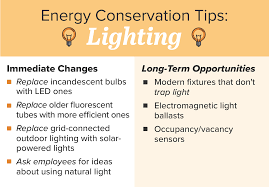
Lighting is one of the easiest areas to make an impact. Older incandescent bulbs are incredibly inefficient. They produce more heat than light. If you’re still using them, switching to LED (Light Emitting Diode) bulbs is one of the best first steps for sustainable energy conservation.
LEDs use up to 80% less energy than incandescent bulbs. They also last much longer. This means you buy bulbs less often, saving you money and hassle. While LEDs have a higher upfront cost, they pay for themselves quickly in energy savings and fewer replacements.
Beyond just switching bulbs, think about how you use light. Turn off lights when you leave a room, even if it’s just for a few minutes. Use natural daylight as much as possible. Open curtains and blinds during the day. Consider using task lighting instead of lighting up an entire room. For example, a small lamp for reading is better than overhead lights.
Smart lighting options are also becoming more popular. These include motion sensors that turn lights on and off automatically. Or smart bulbs that you can control with your phone or voice. These can help ensure lights aren’t left on unnecessarily.
Heating and Cooling Smarter
Heating and cooling systems are the biggest energy consumers in most homes. Making them more efficient is crucial. A programmable or smart thermostat is a great investment. These allow you to set different temperatures for different times of the day. You can program them to lower the temperature when you’re asleep or away.
For example, in winter, you might set the thermostat lower overnight. You can then have it warm up before you wake up. In summer, you can set it higher when you’re not home. This saves energy without sacrificing comfort when you need it. Smart thermostats can even learn your habits and adjust automatically.
Regular maintenance for your heating and cooling systems is also key. Change your air filters regularly. A dirty filter makes your system work harder. Have your system checked by a professional annually. This ensures it’s running at peak efficiency. Consider upgrading older, inefficient systems to newer, high-efficiency models when possible. Look for ENERGY STAR certified furnaces and air conditioners.
Thermostat Settings: Save More!
Winter Savings
While Sleeping/Away: Set 7-10 degrees lower than your usual comfort setting.
Summer Savings
While Sleeping/Away: Set 7-10 degrees higher than your usual comfort setting.
Water Heating: A Hidden Energy User
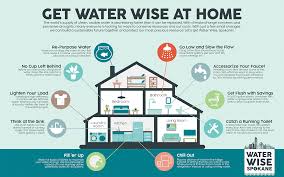
Heating water for showers, laundry, and dishes uses a significant amount of energy. It’s often the second-largest energy expense in a home, after heating and cooling. One of the simplest ways to save is to lower the thermostat on your water heater. Most are set higher than needed. The U.S. Department of Energy recommends setting it to 120°F (49°C).
Lowering the temperature by 10°F can save you about 3-5% on water heating costs. Also, consider insulating your water heater tank, especially if it’s older. You can buy an insulation blanket for this. Insulating the hot water pipes, particularly the first few feet coming out of the heater, also helps reduce heat loss.
Using less hot water is also effective. Take shorter showers. Install low-flow showerheads and faucet aerators. These reduce the amount of water used without sacrificing pressure. When doing laundry, always use cold water settings unless absolutely necessary. For dishwashers, use the air-dry option instead of the heated dry cycle.
The Role of Renewable Energy
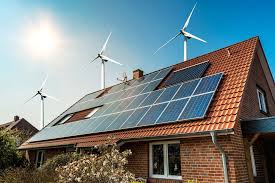
While conservation is about using less, using cleaner energy sources is also part of sustainability. Renewable energy comes from sources that are naturally replenished. Think of sunlight, wind, rain, tides, waves, and geothermal heat. Unlike fossil fuels, these sources are inexhaustible on a human timescale.
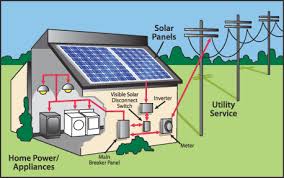
Many homeowners are now installing solar panels on their roofs. This allows them to generate their own electricity from the sun. This significantly reduces their reliance on the traditional grid. It also cuts down on their carbon footprint. Solar technology has become much more affordable and efficient in recent years.
Even if you can’t install solar panels yourself, you might have options. Some utility companies offer green energy programs. You can choose to have your electricity come from renewable sources. This is a simple way to support renewable energy. It helps drive demand for cleaner power generation.
Renewable Energy Explained
Solar Power
Uses sunlight to create electricity or heat water.
Wind Power
Uses wind turbines to generate electricity.
Geothermal Energy
Uses heat from the Earth’s core.
Everyday Habits for Sustainable Living
Beyond big changes, small daily habits make a difference. Unplugging chargers when not in use is a simple act. Many electronics, like phone chargers, draw power even when they aren’t charging a device. This is often called “phantom load” or “vampire draw.” Over time, this adds up.
Using power strips can help. You can plug multiple devices into one strip and then turn off the entire strip when you’re done. This is great for entertainment centers or computer setups. It makes it easy to cut power to everything at once.
When cooking, use the right-sized pot or pan for your burner. A lid on the pot traps heat and cooks food faster. Use microwaves or toaster ovens for smaller meals instead of the large oven. They use less energy. For computers, set them to sleep or hibernate mode when you step away for short periods.
What Does This Mean for Your Bills and the Planet?
The most immediate benefit of sustainable energy conservation is lower utility bills. Every kilowatt-hour of electricity you save means less money out of your pocket. Every therm of natural gas you conserve also contributes to savings. Over a year, these small savings add up to a noticeable amount.
On a larger scale, conserving energy is vital for the environment. Reducing energy demand means less need to generate power. This often translates to burning fewer fossil fuels like coal, oil, and natural gas. Burning these fuels releases greenhouse gases, like carbon dioxide. These gases contribute to climate change.
By conserving energy, we help reduce air pollution. We also help slow down the pace of climate change. It’s a way to contribute to a healthier planet for ourselves and for future generations. It feels good to know that your choices are making a positive impact.
When is It a Concern? Simple Checks You Can Do
Most of the time, using energy is normal. But sometimes, unusual energy use can signal a problem. For example, if your electricity bill suddenly spikes without a change in your habits, there might be an issue. It could be a faulty appliance or an energy leak you’re not aware of.
Check your appliances. Is your refrigerator running constantly? Do your lights flicker? Are your heating or cooling vents blowing out air that doesn’t feel properly conditioned? These could be signs that something needs attention. Sometimes, an old appliance is just inefficient and needs replacing.
Feel around windows and doors for drafts. If you feel a significant breeze, those are places where energy is escaping. You can test for phantom load by unplugging everything in a room. Then, check your meter. If it’s still moving, something is drawing power. Be cautious with electrical checks, though. If you’re unsure, always call a qualified professional.
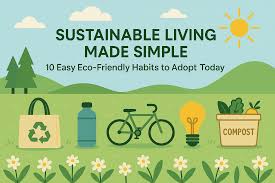
Quick Tips for a Greener Home
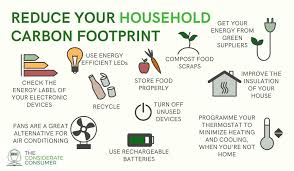
Here are some straightforward ways to boost your home’s energy smarts:
- Dress for the Weather: Layer up in winter, wear lighter clothes in summer. Less reliance on the thermostat!
- Cook Smart: Use lids. Match pot size to burner. Microwaves are friends!
- Manage Electronics: Use power strips and unplug when not in use.
- Water Wisely: Shorter showers, lower water heater temps.
- Air Dry When Possible: Clothes drying on a line, dishes air drying.
- Seal the Deal: Caulk and weatherstrip those drafts!
Frequently Asked Questions about Sustainable Energy Conservation
Is it expensive to make my home energy efficient?
Some upgrades, like new windows or solar panels, have a high upfront cost. However, many changes are very affordable or even free. Switching to LED bulbs, adjusting your thermostat, and changing habits cost little to nothing. The savings on your bills usually make these investments pay off over time.
How much energy do “vampire appliances” really use?
They might seem small, but collectively, phantom loads can account for 5-10% of a home’s total electricity use. Things like TVs, computers, game consoles, and chargers are common culprits. Using power strips and unplugging them when not in use can help cut this wasted energy.
What’s the best way to start saving energy at home?
Start with the easy things! Switching to LED light bulbs is a big impact for a small price. Also, focus on changing your habits: turn off lights, unplug devices, and adjust your thermostat. Checking for and sealing air leaks around windows and doors is also a very effective step.
Does insulation really make that much of a difference?
Yes, absolutely! Proper insulation is like giving your home a cozy, energy-saving blanket. It keeps heat from escaping in the winter and keeps heat out in the summer. This means your heating and cooling systems don’t have to work as hard, saving you significant energy and money.
Can I generate my own renewable energy?
Yes, many homeowners do. Solar panels are the most common option. They convert sunlight into electricity. While the initial cost can be high, government incentives and falling prices make it more accessible. Check with your local utility company about net metering policies if you consider solar.
How often should I check my home for energy leaks?
A good practice is to do a quick check at least once a year, perhaps when you switch your thermostat settings for the season. Pay attention during windy or very cold days. If you feel drafts or notice cold spots, it’s time to investigate and seal those leaks.
Conclusion
Embracing sustainable energy conservation is a journey. It’s about making mindful choices every day. These choices benefit your budget and our planet. Start with small, simple steps. Over time, you’ll see a real difference. Your home will be more comfortable, your bills will be lower, and you’ll be doing your part for a healthier world.

Leave a Reply