
The best way to save on energy bills is to be proactive. This seasonal energy saving checklist covers simple steps for each part of the year. It focuses on small changes that make a big difference for comfort and cost. You’ll find easy tips to use your heating, cooling, and appliances wisely.
Understanding Seasonal Energy Needs
Our homes use energy differently through the year. Think about winter. You need heat to stay warm.
This means your furnace or heat pump works harder. In summer, the opposite happens. You need air conditioning to stay cool.
This makes your AC unit run a lot. Fall and spring are transition times. You might need a little heat or a little cool air.
Sometimes, just opening windows is enough.
Most energy costs come from heating and cooling. They often make up more than half of your utility bill. Other big uses include water heating, lighting, and appliances.
Understanding these needs helps you focus your efforts. It also helps you see why different seasons need different kinds of attention.
My Own Energy Saving Journey
I remember one sweltering July. My air conditioner was on constantly. The electric bill arrived and I nearly fainted.
It was way higher than I expected. I felt so frustrated. How could I fix this without living in a hot box?
I started looking for ways to help my AC work better. I checked for drafts. I made sure my air filter was clean.
I even planted some trees for shade.
These small steps felt like a drop in the bucket at first. But over time, they added up. My AC didn’t have to run as much.
The house felt more comfortable, even on hot days. That experience taught me that even simple actions matter. It’s not about big, scary renovations.
It’s about smart, regular checks.
Quick Seasonal Check-in
Winter: Focus on keeping heat inside. Seal leaks. Check your heating system.
Spring: Prepare for warmer weather. Clean and check cooling systems. Air out the house.
Summer: Keep heat out. Use fans. Manage appliance use.
Fall: Get ready for cold. Seal leaks again. Check heating system for winter.
The Winter Energy Saving Checklist
Winter is about warmth. The main goal is to keep that precious heat inside. This means stopping it from escaping through tiny cracks.
It also means making sure your heating system is in top shape.
Seal Air Leaks: Tiny gaps around windows and doors let warm air out. They also let cold air in. This makes your heater work much harder.
Look for these gaps. You can use caulk or weatherstripping to seal them. Check around pipes and vents too.
Even small leaks add up to big energy loss.
Insulate Your Home: Good insulation acts like a warm blanket for your house. It keeps heat in during winter. It also keeps heat out in summer.
Check your attic, walls, and basement. If they seem thin on insulation, adding more can make a huge difference. This is a bigger job, but it pays off over time.
Check Your Heating System: Your furnace or heat pump is the star of winter. Make sure it’s running well. Get it checked by a professional before winter starts.
Change the air filter regularly. A dirty filter makes the system work harder and less efficiently. Clean filters help your system last longer too.
Use Your Thermostat Wisely: Lowering the thermostat even a few degrees when you’re away or asleep saves energy. A programmable or smart thermostat can do this automatically. This is a simple habit that cuts costs.
You can save about 1% on your heating bill for every degree you lower it for eight hours.
Window Treatments: Use curtains and blinds to your advantage. Keep them open on sunny days to let sunlight warm your home. Close them at night to add a layer of insulation.
This helps trap heat inside. Heavy curtains work best for this.
Draft Stoppers: For doors that don’t seal perfectly, draft stoppers can help. These are long fabric tubes filled with sand or beans. You place them at the bottom of doors.
They block cold air from coming in.
Chimney Check: If you have a fireplace, make sure the damper is closed when it’s not in use. An open damper is like leaving a window open. It lets warm air escape up the chimney.
Winter Heating Tips Snapshot
- Seal leaks around windows and doors.
- Add insulation where needed.
- Get your heater serviced.
- Use a programmable thermostat.
- Use curtains to block drafts at night.
The Spring Energy Saving Checklist
Spring is a time of transition. The cold is leaving, and warmer weather is coming. It’s the perfect time to prepare your home for both.
It’s also about getting ready for the summer heat.
AC Tune-Up: Just like your car needs an oil change, your air conditioner needs a check-up before summer. Have a pro inspect it. They can clean it, check refrigerant levels, and make sure it’s running efficiently.
A well-maintained AC uses less energy and cools better.
Clean or Replace Air Filters: This is crucial for both heating and cooling. A dirty filter restricts airflow. This makes your system work harder.
Change filters monthly during heavy use seasons. Spring is a great time to start this habit.
Window and Door Inspection: As the weather warms, you’ll open windows more. Inspect them for proper seals. Make sure they close tightly when you need them to.
Fix any loose panes or broken seals. This prevents air leakage year-round.
Ventilation: Spring air is often fresh and pleasant. Use this to your advantage. Open windows on cooler days and evenings to air out your house.
This can reduce your need for air conditioning early on. It also helps remove stale indoor air.
Yard Work and Shading: Trim trees and bushes away from your house. Overgrown plants can block sunlight in winter but may also trap moisture. In spring, think about future shade.
Planting deciduous trees on the south and west sides can offer summer shade but let sun through in winter.
Check Appliance Efficiency: As you use appliances more, consider their age. Older appliances use more energy. Look for the ENERGY STAR label when you need to replace them.
Spring is a good time to note which appliances are nearing the end of their life.
Water Heater Check: You use hot water year-round. But in spring, check the temperature setting. You likely don’t need it set very high.
Lowering it to 120°F (49°C) can save energy. Also, check for any leaks around the tank.
Spring Prep for Efficiency
Focus: Transition and preparation.
- Schedule an AC tune-up.
- Change your air filters.
- Inspect windows and doors for leaks.
- Open windows to ventilate on nice days.
- Plan for summer shading from trees.
The Summer Energy Saving Checklist
Summer is all about staying cool. Your air conditioner will likely be your biggest energy user. The key is to help it work smarter, not harder.
It’s also about managing heat gain.
Manage Your Thermostat: Keep your thermostat set as high as is comfortable. Every degree higher you set it can save you money. Use fans to feel cooler.
A ceiling fan or portable fan can make a room feel several degrees cooler. This lets you set the thermostat higher.
Block the Sun: Sunlight entering your home is a major source of heat. Close blinds, shades, and curtains during the hottest parts of the day. This is especially important on south- and west-facing windows.
Exterior shades or awnings are even more effective.
Reduce Heat-Generating Activities: Running your oven or dryer creates heat. Try to do these tasks in the early morning or late evening when it’s cooler. Use your microwave or grill instead of the oven.
Air dry clothes when possible.
Seal Air Leaks: Yes, even in summer! Leaks let cool air escape your home. They also let hot, humid air enter.
This makes your AC work harder to dehumidify and cool the air.
Check Attic Ventilation: A hot attic can radiate heat into your living space. Ensure your attic has good ventilation. This allows hot air to escape.
Proper ventilation helps your AC perform better.
Use Appliances Efficiently:
- Dishwasher: Run it only when full. Use the air-dry setting.
- Refrigerator: Keep it full (but not overstuffed). Check door seals.
Clean the coils.
- Lights: Switch to LED bulbs. They use less energy and produce less heat than incandescent bulbs.
Water Usage: Take shorter, cooler showers. This uses less hot water, which means your water heater works less. This saves both water and energy.
Summer Cooling Strategies
Goal: Stay cool, save energy.
- Set thermostat higher, use fans.
- Close blinds and curtains on sunny sides.
- Cook and do laundry during cooler hours.
- Check for and seal any air leaks.
- Ensure attic is well-ventilated.
- Use appliances wisely.
The Fall Energy Saving Checklist
Fall is a welcome relief from summer heat. But it’s also the time to prepare for winter’s chill. Getting your home ready now will save you headaches and money later.
Heating System Check: This is the most critical fall task. Schedule a professional inspection of your furnace or heat pump. Ensure it’s running efficiently and safely.
Change your furnace filter. A clean filter is essential for good airflow and efficiency.
Seal Leaks: Now is the time to be extra diligent about air leaks. As temperatures drop, these leaks become more noticeable and problematic. Go around your home.
Feel for drafts near windows, doors, electrical outlets, and plumbing penetrations. Seal them with caulk or weatherstripping.
Insulation Check: Ensure your attic, basement, and crawl spaces are well-insulated. Cold air can seep in from below and above. Adding insulation is one of the most effective ways to reduce heating costs.
Window and Door Preparation: Make sure all windows and doors close tightly. Install or replace weatherstripping. For windows that are drafty, consider using window insulation film.
This clear plastic film creates an insulating air pocket.
Clean Gutters and Downspouts: Clogged gutters can cause water to back up and freeze. This can damage your roof and foundation. Clean them out before the first hard freeze.
Outdoor Faucet Winterization: Disconnect and drain garden hoses. Turn off the water supply to outdoor faucets. Insulate outdoor faucets with faucet covers to prevent them from freezing.
Fireplace Maintenance: If you have a fireplace, get it inspected and cleaned by a professional. Make sure the damper seals well when closed. Use it sparingly, as they can draw warm air out of your home.
Reverse Ceiling Fans: Many ceiling fans have a switch to reverse their direction. In summer, they push air down to create a cooling breeze. In winter, running them on a low speed in reverse (clockwise) can push warm air that has risen back down into the room.
This can make the room feel warmer without using more heat.
Fall Readiness for Winter
Priority: Heating and sealing.
- Get your heating system serviced.
- Replace your furnace filter.
- Seal all visible air leaks.
- Check insulation levels.
- Prepare outdoor areas for cold.
- Reverse ceiling fans for winter.
Real-World Energy Saving Scenarios
In many American homes, energy use varies greatly based on location and lifestyle. Consider a family in the South. Summer is long and very hot.
Their AC runs for months. Energy saving here means shading the house effectively and using fans. They might also use smart thermostats to cool the house only when needed.
In a Northern climate, winter is the main challenge. Homes might be older and less insulated. They focus on sealing drafts and ensuring the heating system is robust.
They might also use a wood-burning stove as a supplement to save on gas or electric heat. The key is adapting strategies to the local climate.
Even within the same region, habits matter. Some people like their homes very cold in summer or very warm in winter. This is a personal choice, but it directly impacts energy bills.
Making small adjustments, like wearing a sweater indoors in winter or using lighter bedding in summer, can help.
The materials of your home also play a role. Older homes might have more drafts. Newer homes are often built tighter, which is great for energy efficiency but can sometimes require mechanical ventilation for fresh air.
Understanding your specific home is part of the process.
What This Means for You
Knowing these seasonal tasks helps you be proactive. It’s not about drastic changes, but consistent, small efforts. Think of it like maintaining a car.
Regular checks prevent bigger, more expensive problems down the road.
When it’s normal: Your energy bill increasing in winter and summer is normal. Your heating and cooling systems are working hard. Drafts you feel on a very windy day are also common in older homes.
A slight increase in appliance use in summer for fans and AC is expected.
When to worry: If your energy bill jumps suddenly with no clear reason, investigate. If your heating or cooling system seems to be running constantly but the house isn’t comfortable, that’s a sign. Strange noises from your HVAC system or visible signs of leaks are also red flags.
Simple checks:
- Walk around your home and feel for drafts near windows and doors.
- Check your thermostat settings. Are they efficient for when you’re home or away?
- Look at your air filter. Is it dirty?
- Listen to your HVAC system.
Does it sound normal?
Actionable Insights
Focus: Understanding your home’s energy patterns.
- Normal: Higher bills in extreme seasons.
- Concerning: Sudden bill spikes, discomfort despite system running.
- Easy Checks: Feel for drafts, check filter, listen to HVAC.
Quick Tips for Year-Round Savings
Here are some extra tips that apply no matter the season:
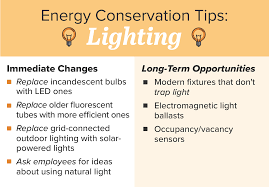
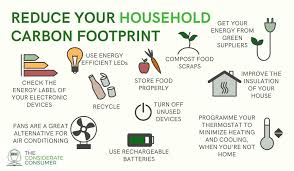
Switch to LED Lighting: This is a no-brainer. LEDs use about 75% less energy than incandescent bulbs. They also last much longer.
Replace bulbs as they burn out, or do a whole-house swap.
Unplug Electronics: Many electronics use “phantom power” even when turned off. Unplug chargers, TVs, and other devices when not in use. Smart power strips can help with this.
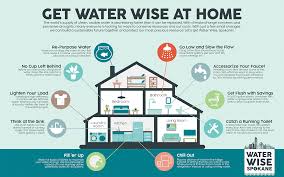
Water Heater Wisdom: Lowering your water heater temperature to 120°F (49°C) saves energy. Also, insulate the tank and hot water pipes. Consider low-flow showerheads.
Regular Maintenance: Keep up with professional maintenance for your HVAC system. Simple tune-ups can save significant energy and prevent costly repairs.
Appliance Smarts: Use appliances like dishwashers and washing machines with full loads. Use cold water for laundry when possible. Clean refrigerator coils and check door seals.
Smart Thermostat Use: If you have a programmable or smart thermostat, use it! Set it to lower temperatures when you’re asleep or away. Even a few degrees can make a difference.
Energy Audits: Consider getting a professional home energy audit. They can identify specific areas where your home is losing energy. Many utility companies offer these at a low cost or even for free.
Essential Energy Savers
Key Actions:
- Lights: Use LEDs.
- Electronics: Unplug them.
- Water: Lower temp, insulate.
- HVAC: Regular service.
- Appliances: Full loads, cold water.
- Thermostat: Program it.
- Audit: Consider professional help.
Frequent Questions about Seasonal Energy Saving
How often should I change my home’s air filter?
It’s best to change your air filter every 1 to 3 months. This depends on your filter type and your home’s environment. If you have pets or allergies, you might need to change it more often.
Always check your filter monthly to see if it needs changing.
What is the best temperature to set my thermostat to in winter?
For most homes, setting your thermostat to 68°F (20°C) when you are awake and home is a good balance. Lower it by 7-10°F (4-6°C) when you are asleep or away. This can save you up to 10% on your heating bill annually.
How can I reduce energy use from my refrigerator?
Keep your refrigerator full but not too packed. This helps it maintain a steady temperature. Check the door seals to make sure they are tight.
Clean the coils on the back or bottom of the unit at least twice a year. Set the temperature to 37-40°F (3-4°C) for the fridge and 0°F (-18°C) for the freezer.
Is it worth insulating my attic?
Yes, insulating your attic is one of the most cost-effective ways to save energy. Heat rises, so a poorly insulated attic can lose a lot of warm air in winter and gain heat from the sun in summer. Adding insulation can significantly reduce your heating and cooling costs.
What are “air leaks” and how do I find them?
Air leaks are small gaps or cracks in your home’s building envelope. They let conditioned air escape and unconditioned air enter. You can find them by doing a visual inspection around windows, doors, electrical outlets, and where pipes or wires enter the house.
On a windy day, you might feel them. You can also use an incense stick or a smoke pencil to see where air is moving.
Should I seal my fireplace when not in use?
Absolutely. The damper in your fireplace should be closed when the fireplace is not in use. An open damper acts like a chimney, allowing warm air from your home to escape outside.
If the seal on your damper is not tight, consider having it repaired or installing a fireplace plug.
Conclusion
Following this seasonal energy saving checklist can make a real difference. It’s about small steps taken regularly. You’ll enjoy a more comfortable home.
You’ll also see lower energy bills. Start with one or two tips this season. Over time, you’ll build a great energy-saving routine.



Leave a Reply