
Understanding your utility bills and finding ways to lower them is key to managing your household expenses. This guide offers clear, actionable steps to reduce energy and water usage, leading to significant savings over time. We’ll explore common culprits for high bills and provide practical solutions for every home.
What Are Utility Bills and Why Do They Climb?
Utility bills are the charges you pay for essential services. These include electricity, natural gas, water, and sometimes sewer or trash collection. They are calculated based on how much of each service you use.
Many things can cause these bills to climb. The weather is a big factor. Hot summers mean more air conditioning.
Cold winters mean more heating. Older appliances use more power than newer ones. Leaky faucets waste water.
Even small things add up over time.
Think about your home. It’s a system of energy and water use. Every light bulb, every appliance, every shower uses resources.
When these resources are used inefficiently, the cost goes up. It’s like having a leaky bucket; you keep filling it, but a lot is just running out. We need to find those leaks.
We need to make our home systems work smarter, not harder. This means looking at both big changes and small tweaks. They all play a part in the final number on your bill.
My Own Utility Bill Scare
I remember one brutally cold February a few years back. I was already watching every penny. Then, the gas bill landed.
It was nearly double what I expected. I felt a wave of panic wash over me. How could I possibly afford this?
My apartment wasn’t ancient, but it wasn’t new either. I walked around my place, feeling the drafts near the windows. I noticed that one radiator in the spare room was always hot, even when I didn’t need it.
I thought about all the times I’d left lights on. I realized I wasn’t being as careful as I thought.
That night, I spent hours online researching. I learned about drafts, insulation, and how old thermostats can be inaccurate. I felt a bit foolish for not paying closer attention sooner.
The next weekend, I bought some draft stoppers for my doors and windows. I also found a cheap foam seal for the electrical outlets on the outside walls. I even started a new habit of closing the vents in rooms I wasn’t using.
It was a small start, but it felt like I was finally taking control. That bill was still high, but the next month showed a noticeable drop. It taught me that small actions really do matter when it comes to saving money.
Energy Use Breakdown
Electricity: Lights, TV, computers, small appliances, refrigeration, fans.
Natural Gas: Heating your home, water heater, stove, dryer.
Water: Showers, toilets, sinks, laundry, dishwashing.
Common Culprits: Old appliances, poor insulation, leaky pipes, inefficient heating/cooling systems, forgotten lights.
Real-World Context: The Home as a System
Your home functions like a complex ecosystem. For utilities, think about the seasons. In summer, the sun beats down.
Your home tries to stay cool. Air conditioners work overtime. This uses a lot of electricity.
In winter, the cold air seeps in. Furnaces blast warm air. This uses a lot of gas or electricity.
Your home’s ability to fight the outside temperature is key. This is where insulation and sealing come in. Good insulation keeps heat in during winter and out during summer.
It’s like a cozy blanket for your house.
The age and type of appliances also matter. An old refrigerator might use twice the energy of a new, energy-efficient model. Older water heaters can be slow to heat and lose heat easily.
Even the way you use things makes a difference. Leaving a computer on all day or running the dishwasher only half-full costs money. Your habits are a direct link to your utility bills.
We often don’t realize how much these everyday actions contribute to the total cost. Understanding this connection is the first step to making smart changes.
Myth vs. Reality: Utility Savings
Myth
Turning off lights saves very little.
Reality
Even small energy savings add up. Turning off lights when you leave a room is a simple habit that lowers electricity use significantly over time.
Myth
Newer homes don’t have energy waste problems.
Reality
Newer homes may have better insulation, but drafts can still occur. Appliances and systems still need efficient use and regular maintenance.
What This Means for Your Wallet
High utility bills mean less money for other important things. This could be saving for a vacation, paying down debt, or even just having a little extra for fun. When your energy and water use is efficient, you keep more money in your pocket.
This is not just about saving cash. It’s also about being responsible with resources. Using less energy helps the environment.
Using less water is also good for our planet.
Think about the long term. Making a few smart changes now can lead to hundreds or even thousands of dollars saved each year. It’s an investment in your financial well-being.
It also provides peace of mind. Knowing you are in control of your expenses can reduce stress. It allows for better budgeting.
It opens up possibilities for your money that were previously unavailable. It’s about reclaiming financial freedom, one small step at a time. Every dollar saved on utilities is a dollar you can use elsewhere.
Quick Scan: Seasonal Savings
| Season | Main Concern | Easy Tip |
|---|---|---|
| Summer | Cooling Costs | Use fans, close blinds during the hottest part of the day. |
| Winter | Heating Costs | Lower thermostat at night or when away, seal drafts. |
| Spring/Fall | Moderate Temps | Open windows for fresh air instead of using AC/heat. |
Quick Fixes and Tips for Lower Bills
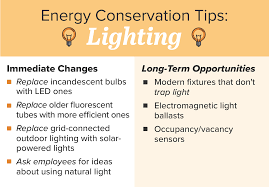
Let’s talk about actions you can take right now. Simple fixes can have a big impact. Start with lighting.
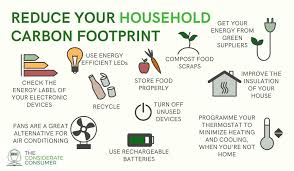
Swap out old incandescent bulbs for LED bulbs. They use much less energy. They also last much longer.
Turn off lights when you leave a room. It sounds basic, but it’s easy to forget.
Check for drafts. Feel around your windows and doors. You can use a simple draft stopper or weatherstripping.
This is a cheap fix that saves a lot on heating and cooling. Make sure your thermostat is set correctly. For every degree you lower your heat in winter, you save money.
In summer, raising the AC a few degrees helps too. Many smart thermostats can learn your schedule and adjust automatically.
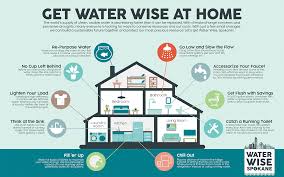
Consider your water use. Take shorter showers. Fix any leaky faucets or toilets immediately.
Even a small drip can waste gallons of water. When you run your dishwasher or washing machine, make sure it’s full. This uses less water and energy per load.
Check your appliances. Clean the coils on your refrigerator. Make sure door seals are tight.
For your washing machine, use cold water when possible. Many detergents work well in cold water now. For your dryer, clean the lint trap after every use.
This helps it dry clothes faster and use less energy.
Look at your electronics. Many devices use “phantom power” even when turned off. Use power strips for your computer and entertainment systems.
You can then switch off the entire strip when not in use. This stops the power drain. Educate everyone in the household.
When everyone is on board with saving energy and water, the savings grow much faster.
Easy Action Steps Checklist
- Lighting: Switch to LED bulbs. Turn off lights when not in use.
- Heating/Cooling: Seal drafts with weatherstripping. Adjust thermostat settings.
- Water: Fix leaks promptly. Take shorter showers.
- Appliances: Run full loads in dishwasher/washer. Clean dryer lint trap.
- Electronics: Use power strips to cut phantom power.
Frequent Questions About Saving Utility Money
How much can I really save by being more energy efficient?
The savings vary greatly depending on your current habits, home’s efficiency, and local utility rates. However, many households can see a 10-30% reduction in their utility bills by implementing basic energy-saving measures. This can amount to hundreds or even thousands of dollars saved annually.
Should I replace my old appliances to save money?
Replacing very old, inefficient appliances like refrigerators or water heaters can lead to significant long-term savings. Look for the ENERGY STAR label when buying new appliances. While the initial cost is higher, the energy savings often pay for themselves over the appliance’s lifespan.
Is it worth it to get an energy audit for my home?
Yes, an energy audit can be very helpful. A professional can identify hidden energy leaks and inefficiencies you might miss. They provide a detailed report with prioritized recommendations, helping you focus your efforts on the most impactful changes for your specific home.
How often should I change my air filters?
For most homes, changing your HVAC air filter every 1-3 months is recommended. Dirty filters restrict airflow, making your system work harder and use more energy. Check your filter manufacturer’s recommendation for the best schedule.
Are there any government programs or rebates for energy efficiency upgrades?
Often, yes. Many local utility companies, states, and the federal government offer rebates, tax credits, or low-interest loans for energy-efficient upgrades like insulation, new windows, or high-efficiency HVAC systems. Check with your local utility provider and government energy websites for current offers.
Does unplugging electronics really make a difference?
Yes, it does. This is often called “phantom load” or “vampire power.” Many electronics continue to draw a small amount of electricity even when turned off. While one device might not add up to much, collectively, these small drains can account for a noticeable percentage of your electricity bill.
Conclusion: Small Changes, Big Impact
Saving money on your utility bills is achievable. It doesn’t require drastic lifestyle changes. By understanding where your energy and water go, you can make smarter choices.
Simple habits, like turning off lights and fixing leaks, add up. Investing in energy-efficient products also pays off over time. Start with a few tips today and watch your bills shrink.
Your wallet and the planet will thank you.


Leave a Reply