
Reducing water heater electricity use involves a few key strategies: lowering the thermostat setting, insulating the tank and pipes, using less hot water, and checking for efficient models. These steps help cut energy waste and lower your bills significantly. By making small changes, you can gain big savings.
Understanding Your Water Heater’s Energy Use
Your water heater is a workhorse in your home. It uses electricity to heat water. This happens most of the time. It needs to keep the water hot. So it turns on and off to maintain a set temperature. This constant effort adds up on your energy bill. Many U.S. homes use electric water heaters. They are common. They can be a major part of your total home energy use. It’s not uncommon for them to be the second-largest energy user. Sometimes, they are even the biggest. This is why focusing on them makes sense. If you can make your water heater more efficient, you will see real savings.
The amount of electricity your water heater uses depends on a few things. The size of the tank is one. How much hot water you use is another. The temperature you set it to matters. Also, how well it’s insulated plays a role. An older, less efficient unit will use more power. Water heaters lose heat over time. This happens even when no hot water is used. This is called standby heat loss. The heater then has to turn on more often to reheat the water. This is wasted energy. And it costs you money. We want to stop this waste.
Knowing this helps us target the problem areas. We can then make smart changes. These changes will directly impact your energy bill. They will also make your home more comfortable. You’ll have hot water when you need it. But you won’t be paying for heat you don’t use. That’s the goal. Let’s explore how we can achieve this. We will break down the most effective ways.
My Own Wake-Up Call with Water Heater Costs
I remember one summer in Arizona. It was incredibly hot. My air conditioning was running a lot, of course. But when I got my electricity bill, I was shocked. It was much higher than usual. I looked at all the usual suspects. Was I using the AC too much? Was the fridge old? Then I remembered. We had a house guest for a week. And that meant more showers. More laundry. More dishes. That’s when it hit me. My water heater was working overtime. I hadn’t thought about it much before. It was just. there. Doing its job. Silently costing me money. I felt a bit foolish. I was so focused on the big energy users like the AC. I ignored the constant hum of the water heater. I knew I had to do something. It felt like a hidden drain on my budget. I needed to find out how to make it more efficient. That day marked the start of my journey to understand water heater energy savings.
Quick Water Heater Energy Facts
Did you know? Your water heater can use 15-25% of your home’s total energy bill. For electric models, this can be even higher. Inefficient heaters can waste a lot of heat. They lose it to the surrounding air. This means they need to heat water more often. This wastes power and money.
Lowering Your Water Heater’s Thermostat
One of the simplest and most effective ways to save energy is to turn down the thermostat on your water heater. Most water heaters come set higher than needed. The default setting is often around 140°F (60°C). This is hotter than most people actually need for daily use. It also increases standby heat loss. That means the water in the tank loses heat faster. The heater then uses more electricity to warm it back up.
What’s a good setting? For most U.S. households, 120°F (49°C) is plenty. This temperature is hot enough for showers, dishes, and laundry. Turning it down to 120°F can save you about 10% on your water heating costs. That’s a significant chunk of money. You can find the thermostat dial on the side of your water heater. It’s usually behind a small panel. You might need a screwdriver to adjust it. Be sure to let the water cool down a bit before you test it. Or test it from a faucet far from the heater.
Is 120°F always safe? For most people, yes. However, some older or very young individuals might prefer slightly warmer water. Also, if you have a dishwasher that requires higher temperatures for cleaning, you might need to check its manual. Some dishwashers have their own internal booster heaters. Others rely on the water heater’s temperature. But for general use, 120°F is a good balance. It saves energy without sacrificing comfort. It also helps reduce the risk of scalding. That’s an added safety benefit. Always check the temperature with your hand or a thermometer before stepping into a shower. This ensures it’s just right for you.
Make sure you turn the dial slowly. Adjust it in small increments. Wait a few hours. Or even a day. This lets the water in the tank reach the new temperature. Then test it again. This method is very low-risk and high-reward. It requires no special tools or knowledge. Just a few minutes of your time. And it starts saving you money right away. It’s a perfect example of a simple change yielding big results.
Thermostat Adjustment Guide
- Locate: Find the thermostat dial on your water heater.
- Adjust: Turn it down to 120°F (49°C).
- Wait: Allow time for the water to heat to the new setting.
- Test: Check the water temperature at a faucet.
- Save: Enjoy lower energy bills!
Insulating Your Water Heater Tank
Another big step in reducing energy use is insulating your water heater tank. Even if you turn down the thermostat, the tank itself can lose heat. This is especially true for older tanks or those located in cooler areas like garages or basements. An insulation blanket for your water heater is a simple DIY project. It can significantly reduce standby heat loss.
You can buy a water heater insulation kit at most hardware stores. These kits usually come with a pre-cut blanket or material you can cut yourself. They also include tape or ties to secure it. The blanket goes around the outside of the tank. It acts like a cozy sweater for your water heater. This keeps the water hotter for longer. It means the heating element doesn’t have to turn on as often. This saves electricity.
When installing the blanket, be careful not to cover the thermostat or any control panels. You need access to these for adjustments or maintenance. Also, make sure to follow the instructions that come with the kit. Some water heaters, especially newer ones, already have good insulation. You might not need a blanket for those. Check your water heater’s manual. If it says it has high R-value insulation, you might skip this step. Or, you can check the tank temperature yourself. If it feels warm to the touch even when it hasn’t been used recently, it’s losing heat.
This simple addition can save you money on your energy bills. It’s a relatively inexpensive upgrade. The payback period is usually quite short. I put one on my old water heater last year. I noticed a difference in how often the unit kicked on. It was a small change but felt like a smart move. It’s one of those things that makes you feel proactive about your energy use. Plus, it adds an extra layer of safety. The hot tank is less likely to be accidentally touched. It’s a win-win situation for your wallet and your home.
Insulation: What to Look For
- Kit Contents: Look for a kit with easy-to-use material.
- R-Value: Higher R-value means better insulation.
- Safety First: Avoid covering controls and vents.
- DIY Friendly: Most kits are designed for easy installation.
Insulating Your Hot Water Pipes
After insulating the tank, the next logical step is to insulate the hot water pipes. Heat can escape from pipes, especially the first few feet leaving the water heater. This heat loss means more energy is used to heat water that might cool down before it even reaches your faucet. Insulating these pipes is another straightforward and cost-effective measure.
You can buy foam pipe insulation sleeves at any hardware store. They come in different sizes to fit various pipe diameters. They usually have a slit down one side. You simply wrap them around the pipe and secure them with tape. For electric water heaters, focus on the first 3-6 feet of both the hot and cold water pipes coming out of the tank. Insulating the cold water pipe might seem odd. But it helps prevent condensation. This can lead to rust or water damage over time in humid environments.
This step is particularly beneficial in unheated spaces like basements, garages, or crawl spaces. In these areas, the temperature difference between the hot water and the air is larger. This causes faster heat loss. By insulating the pipes, you maintain the water temperature better. This means less energy is needed to reheat it. It also means you get hot water at your tap faster. You don’t have to run the water as long to get it hot. This saves water too, which is another plus.
I remember doing this at my first house. The pipes ran through a cold basement. In winter, I could feel the heat radiating from them. I put the foam sleeves on. It was a simple job, took maybe an hour. The next time I took a shower, the water seemed to get hot a little quicker. It was a subtle difference. But knowing that less heat was escaping felt good. It’s a small effort that contributes to overall energy efficiency. Think of it as giving your hot water a warm blanket for its journey.
Pipe Insulation Tips
- Material: Use foam pipe sleeves.
- Length: Insulate at least the first 3-6 feet of pipe.
- Location: Pay special attention to pipes in unheated areas.
- Secure: Tape the sleeves firmly in place.
Using Less Hot Water
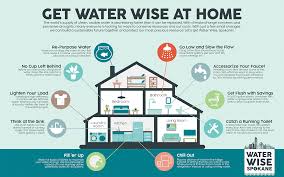
Beyond equipment adjustments, how you use hot water makes a huge difference. Reducing your overall hot water consumption is a direct way to lower your water heating costs. Every minute you spend in a hot shower, every load of laundry, every time you run the dishwasher, your water heater is working. Using less hot water means your water heater works less. This saves electricity.
Think about your daily habits. Can you take shorter showers? Even cutting a few minutes off your shower time can add up. A standard showerhead uses about 2.5 gallons per minute (GPM). A low-flow showerhead uses 2 GPM or less. Switching to a low-flow model can save a lot of hot water. Many are inexpensive and easy to install. You might be surprised by how little difference you notice in water pressure. Some even feel stronger.
Consider your laundry habits. Always wash clothes in cold water when possible. Most modern detergents are very effective in cold water. Heating water for laundry is a significant energy consumer. Only run your dishwasher when it’s completely full. Scrape plates instead of rinsing them before putting them in the dishwasher. This saves water and the energy needed to heat it. If you’re washing dishes by hand, don’t let the water run. Fill a basin instead.
Fixing leaks is also crucial. A leaky faucet or toilet can waste a surprising amount of water. A hot water leak is even worse, as it wastes both water and the energy used to heat it. Check your faucets and showerheads regularly for drips. A small drip can add up to gallons of wasted water over a day. Detecting and fixing these small issues is a proactive way to save resources.
Educating your family about these habits is important too. If everyone in the household makes an effort, the savings will be much greater. It’s about making conscious choices. Think about how much hot water you really need for each task. Small changes in behavior lead to big savings over time. It’s not about deprivation; it’s about efficiency. Being mindful of your water use is a key part of reducing your energy footprint.
Water Saving Habits
- Showers: Take shorter showers. Use a low-flow showerhead.
- Laundry: Wash clothes in cold water.
- Dishwasher: Run only full loads.
- Manual Washing: Use basins instead of running water.
- Leaks: Fix any dripping faucets or pipes promptly.
Understanding Energy Factor (EF) and Energy Star
When it’s time to
Look for the yellow EnergyGuide label on new water heaters. This label gives you an estimated annual energy cost. It also shows the UEF rating. Compare these numbers when shopping. Choosing a model with a higher UEF and a lower estimated annual cost will save you money over the life of the appliance.
The U.S. Environmental Protection Agency (EPA) also recognizes highly efficient models through the ENERGY STAR program. ENERGY STAR certified water heaters are significantly more efficient than standard models. They meet strict energy performance standards set by the EPA. These standards are based on UEF ratings. An ENERGY STAR certified water heater can save you money on energy bills. It also helps reduce greenhouse gas emissions. Look for the ENERGY STAR label on potential replacements. This is a strong indicator of a quality, efficient unit.
While the upfront cost of an ENERGY STAR model might be higher, the long-term savings can often outweigh the initial investment. Consider the lifespan of the water heater. If it lasts 10-15 years, the energy savings will really add up. It’s like buying a more fuel-efficient car. You pay a bit more upfront, but you save a lot on gas over time. For water heaters, it’s saving on electricity.
If your current water heater is old, perhaps 10 years or more, it might be time to consider an upgrade. Older units are often much less efficient than newer ones. Even with all the efficiency tips, an old unit will struggle to compete with a new, ENERGY STAR certified model. Think about the total cost of ownership, not just the purchase price. A more efficient unit costs less to run every single day.
Understanding Efficiency Labels
- UEF: Uniform Energy Factor – a measure of overall efficiency. Higher is better.
- EnergyGuide Label: Shows estimated annual energy cost and UEF.
- ENERGY STAR: Certified models meet strict EPA efficiency standards.
- Long-Term Savings: More efficient units cost less to operate over time.
Types of Efficient Water Heaters
When you’re looking at new water heaters, you’ll see different types. Each has its own way of heating water and its own efficiency levels. For electric models, the most common type is a storage tank water heater. These are what most people are familiar with. They keep a large volume of water hot in a tank. They are generally less efficient than other types, especially older models.
Then there are tankless water heaters, also called on-demand water heaters. These heat water only when you need it. They don’t store hot water. This eliminates standby heat loss completely. They can be very energy efficient. You can save a lot of money by using one. However, they often have a higher upfront cost. Also, they need a strong electrical supply or gas line. For electric tankless models, they can draw a lot of power when heating water. You need to ensure your home’s electrical system can handle it. Sometimes, multiple units are needed for larger homes.
Heat pump water heaters, also known as hybrid water heaters, are another very efficient electric option. They work like a refrigerator in reverse. They pull heat from the surrounding air and transfer it to the water in the tank. They use electricity, but much less than a standard electric resistance water heater. They can be two to three times more efficient. The U.S. Department of Energy recommends them highly for electric homes. They use less energy and reduce your carbon footprint. They do require a bit more space. They also need air circulation around them. And they may produce some cool air as a byproduct.
Solar water heating systems use the sun’s energy to heat water. They involve solar collectors on your roof and a storage tank. These systems can significantly reduce your reliance on electricity. They are very environmentally friendly. However, they have a high upfront cost. They also depend on sunlight. In areas with less sun or during winter months, a backup heating system is usually needed. This backup can be electric or gas.
When choosing a new water heater, consider your budget, your home’s setup, and your hot water needs. For maximum electricity savings, heat pump water heaters and tankless models are often top choices. But even upgrading an old storage tank heater to a new, well-insulated model with a good UEF rating can make a big difference.
Efficient Water Heater Types
- Storage Tank: Common, but less efficient than others.
- Tankless (On-Demand): Heats water as needed, eliminates standby loss.
- Heat Pump (Hybrid): Uses air to heat water, very efficient.
- Solar: Uses sun’s energy, highly eco-friendly but costly.
Regular Maintenance for Efficiency
Just like any appliance, your water heater needs regular maintenance to run efficiently. Neglecting it can lead to decreased performance and higher energy bills. A little bit of care goes a long way. One of the most important maintenance tasks is draining and flushing the tank. This removes sediment that can build up at the bottom.
Sediment can be made of minerals from your water. It can also include rust and other debris. This layer of sediment can act as an insulator. It sits between the heating element and the water. This means the heating element has to work harder and longer to heat the water. This wastes energy and can even damage the heating element over time. Flushing the tank annually can prevent this buildup.
To flush the tank, you’ll need to turn off the power to the water heater. Then, close the cold water supply valve. Attach a hose to the drain valve at the bottom of the tank. Run the hose to a floor drain or outside. Open the drain valve and let the water out. You might need to open a hot water faucet somewhere in the house to let air in. This helps the water drain faster. Once the tank is empty, briefly open the cold water supply valve. Let water run through to stir up and flush out any remaining sediment. Then close the drain valve, remove the hose, and reopen the cold water supply. Turn the power back on once the tank is full.
Another important maintenance task is checking the anode rod. The anode rod is a metal rod inside the tank. It’s designed to corrode instead of the tank itself. This protects the tank from rust. Over time, the anode rod gets used up. If it’s completely deteriorated, the tank can start to rust. This can lead to leaks and a shorter lifespan for the water heater. You should check and replace the anode rod every few years. This is often a job for a professional plumber. It can be tricky to access and remove.
Also, regularly inspect the area around your water heater for any signs of leaks or corrosion. Check the pressure relief valve to make sure it’s working correctly. A little preventative maintenance can save you from costly repairs and ensure your water heater operates at its peak efficiency for years to come. It’s a part of good home ownership.
Maintenance Checklist
- Annual Flush: Drain and flush the tank to remove sediment.
- Anode Rod Check: Inspect and replace every 2-5 years.
- Leak Inspection: Look for any signs of water leaks or corrosion.
- Pressure Relief Valve: Ensure it is functioning properly.
Smart Use of Timers and Smart Controls
For those looking to automate savings, timers and smart controls can be excellent tools for electric water heaters. A timer can be set to heat water only during specific hours. This is especially useful if you have different electricity rates at different times of the day. Many utility companies offer “time-of-use” rates. Electricity is cheaper during off-peak hours.
You can program a timer to heat your water during these cheaper hours. Then, the insulation in the tank will keep the water hot until you need it. This way, you’re not paying peak prices for energy. This requires a well-insulated tank. You want the water to stay warm enough for your needs. You might need to experiment with the timer settings. This ensures you always have enough hot water. But the savings can be substantial.
Smart water heaters or smart controllers offer even more advanced features. Some smart controllers can be added to existing water heaters. They allow you to control the temperature and schedule heating via a smartphone app. You can monitor energy usage. Some even learn your hot water habits. They can then automatically adjust heating schedules for maximum efficiency. This learning capability is very powerful. It takes the guesswork out of optimizing your hot water usage.
These smart devices can also alert you to potential problems. For example, they might notify you if the water temperature is deviating significantly from the set point. This can help catch issues early. This proactive approach can prevent bigger problems down the road. It’s like having a guardian for your water heater. It watches over its performance and your energy bills.
While timers and smart controls add an initial cost, they can pay for themselves over time through energy savings. They are particularly effective for households with predictable hot water usage patterns. If your electricity rates vary by time of day, these technologies become even more valuable. They offer a high level of control and automation for energy efficiency.
Smart Control Benefits
- Time-of-Use Savings: Heat water when electricity is cheapest.
- App Control: Adjust settings and monitor usage from your phone.
- Learning Features: Automatically optimize heating based on habits.
- Alerts: Get notified of potential issues or performance deviations.
When It’s Time to Consider a New Water Heater
Sometimes, no matter how much you try to optimize your current water heater, it’s just not performing well. If your water heater is old, it might be time to think about replacing it. Most water heaters have a lifespan of about 10-15 years. If yours is reaching that age, it’s likely becoming less efficient. It may also be prone to breakdowns.
What are the signs it’s time for a new one? One obvious sign is frequent repairs. If you’re constantly calling a plumber, the cost of repairs can quickly add up. It might be more economical to invest in a new, efficient unit. Another sign is reduced hot water availability. If you’re running out of hot water more often than you used to, the heater might be struggling. This could be due to sediment buildup or a failing heating element.
Rust or corrosion is another major concern. If you see rust on the outside of the tank, or if the hot water coming out of your taps has a rusty color or a metallic taste, it could indicate internal corrosion. This is a serious sign that the tank may be failing. Leaks are also a critical indicator. Any leak from the tank itself (not just pipes or fittings) means the unit needs to be replaced immediately. Water damage can be extensive and costly.
Finally, consider your energy bills. If your water heating costs have been steadily increasing, and you’ve tried many of the energy-saving tips without much success, your old unit might simply be too inefficient. Newer models are designed with advanced insulation and heating technologies that make them far more efficient than older ones. Investing in a new, high-efficiency model, like an ENERGY STAR certified heat pump water heater, can lead to significant long-term savings.
When buying a new water heater, do your research. Look at the UEF rating. Consider the type of heater that best suits your needs and budget. Think about the total cost of ownership, including installation and energy savings over the unit’s lifespan. A new water heater is a big investment, but a smart one that can improve your home’s efficiency and lower your bills for years to come.
Frequently Asked Questions About Reducing Water Heater Electricity Use
How much electricity does a water heater use?
An electric water heater can use a significant amount of electricity. It often accounts for 15-25% of a home’s total energy bill. The exact amount varies based on usage, tank size, and heater efficiency.
Older or less insulated units tend to use more power.
Is it better to set my water heater at 120°F or 140°F?
For most households, 120°F (49°C) is the recommended setting. It’s hot enough for daily needs like showers and laundry. Setting it lower saves energy by reducing standby heat loss and the need for reheating.
140°F increases scalding risk and uses more electricity.
Does insulating my water heater tank really make a difference?
Yes, insulating your water heater tank can make a noticeable difference. It reduces standby heat loss. This means the water stays hotter for longer.
The heating element doesn’t have to turn on as often. This directly saves electricity and lowers your energy bills.
How often should I flush my water heater tank?
It’s recommended to flush your water heater tank at least once a year. This process removes sediment that builds up at the bottom. Sediment makes the heater work harder and use more energy.
Regular flushing also extends the life of your water heater.
Are tankless water heaters really more energy-efficient?
Yes, tankless water heaters are generally more energy-efficient than traditional storage tank models. They heat water on demand, so there is no standby heat loss. This means they only use energy when hot water is actually needed.
This can lead to significant energy savings.
What is the Uniform Energy Factor (UEF)?
The Uniform Energy Factor (UEF) is a measure of a water heater’s overall energy efficiency. It’s a more comprehensive rating than older metrics. A higher UEF number indicates a more efficient water heater.
Look for models with higher UEF ratings when shopping for a new unit.
Can I use a timer on an electric water heater?
Yes, you can use a timer on an electric water heater, especially if you have time-of-use electricity rates. You can program the timer to heat water only during off-peak hours when electricity is cheaper. This can lead to substantial savings if your utility offers these rates and your tank is well-insulated.
Conclusion
Reducing your water heater’s electricity use is achievable. It involves a combination of smart settings, good insulation, mindful usage, and timely maintenance. Even small changes can add up to significant savings on your energy bills. By understanding how your water heater works and implementing these strategies, you can make your home more efficient. This helps your wallet and the environment. Start with the easiest steps today and enjoy the benefits.


Leave a Reply