
Reducing heating and cooling costs involves improving home insulation, sealing air leaks, using smart thermostat settings, and maintaining your HVAC system. These steps help your home retain heat in winter and stay cool in summer, leading to significant energy savings and a more comfortable living space year-round.
Understanding Your Home’s Energy Use
Your home uses energy for many things. Heating and cooling are often the biggest users. This is because we set our thermostats to keep the house at a certain temperature.
Your heating system works hard to warm the air. Your cooling system works hard to cool it down. Both systems use electricity or gas.
When your home isn’t well-insulated, this heated or cooled air escapes. It goes out through tiny cracks and gaps. This makes your system work even harder.
It has to run longer to keep up. This extra work means more energy used. More energy used means higher bills.
Think about your home like a big, insulated box. You want to keep the nice air inside. You want to keep the bad air outside.
If the box has holes, the air will leak out. It’s that simple. The more holes there are, the more air escapes.
This is why finding and fixing these leaks is so important. It’s like plugging the holes in the box. You keep the comfortable air where it belongs.
This stops your system from wasting energy. It makes your home more efficient. And that means saving money.
Several factors affect how much energy your home uses for heating and cooling. The climate where you live plays a big role. If you live somewhere with very cold winters and very hot summers, your system will run more.
The size of your home matters too. A bigger house needs more energy to heat or cool. The age of your home is also a factor.
Older homes might not have the same level of insulation as newer ones. They might also have more leaks. Even the way your home is built can make a difference.
We’ll explore how to make your home a better “box.” We will focus on stopping that air from escaping. We will also look at how your heating and cooling system works. Understanding these parts helps you make smart choices.
You can then make changes that have a big impact. Making these changes can really lower your energy bills. It also makes your home feel better all year long.
The Hidden Culprits: Air Leaks and Insulation Gaps
Imagine this: you’re trying to keep your coffee warm in a mug with a lid that doesn’t quite fit. Some of the heat will escape, right? Your home is similar.
Gaps and cracks let the conditioned air you paid for to escape. They also let the outside air in. This happens all over your house.
You might not even see these leaks. They can be tiny. They are found around windows and doors.
They are also in your attic and basement. Leaks can be in places where pipes or wires go through walls. Even light switch plates can be a source of air leaks.
These small leaks add up fast. They can be a huge source of energy loss. In an average home, you could lose as much as 20% to 30% of your heating or cooling through these leaks.
That’s a lot of wasted energy. It’s like throwing money out the window. Or, more accurately, it’s like letting your money escape through tiny holes in your walls.
Stopping these leaks is one of the most effective ways to reduce your energy bills. It’s also often one of the cheapest things you can do. Simple caulking and weatherstripping can make a big difference.
Insulation is like a warm blanket for your house. It helps keep the heat inside during winter. It keeps the heat out during summer.
Good insulation slows down heat transfer. This means your heating and cooling systems don’t have to work as hard. Common places for insulation are in the attic, walls, and floors.
When insulation is old or not installed properly, it loses its effectiveness. Gaps in insulation are also a big problem. If there are empty spaces, heat can flow through them easily.
This makes some areas of your home warmer or colder than others.
I remember visiting a friend’s house one winter. They complained their upstairs bedrooms were always freezing. The downstairs felt fine.
When we looked in the attic, we saw huge gaps where the insulation had settled. It looked like snow had blown into the attic through a gap in the soffit. The builders hadn’t sealed it properly.
Fixing that gap and adding more insulation made a huge difference. Their upstairs rooms became warm and cozy. It showed me how vital proper insulation and sealing are.
When we talk about insulation, think about its R-value. This number tells you how well it resists heat flow. Higher R-values mean better insulation.
Different parts of your house need different R-values. The U.S. Department of Energy has recommendations.
These depend on your climate zone. For example, attics often need higher R-values than walls. This is because heat rises.
So, in winter, heat escapes through the attic. In summer, the sun heats the attic, and that heat comes down.
Checking your insulation is a good idea. You can often do this yourself by looking in your attic. If you can see the joists (the wooden beams in your ceiling) through the insulation, you likely need more.
For walls, it’s harder to check. Sometimes a professional can test your walls for insulation levels. Don’t forget crawl spaces and basements too.
These areas can also lose a lot of heat or cool air.
Common Air Leak Spots in Homes
Around Windows and Doors: Check the frames and where they meet the wall.
Attic Hatches and Doors: These are often not sealed well.
Electrical Outlets and Switches: Air can come through the wall cavity.
Plumbing and Wiring Penetrations: Where pipes or wires enter/exit the house.
Fireplace Dampers: If not closed tightly, they can let air pass.
Recessed Lighting Fixtures: Can be a direct path to the attic space.
Smart Thermostat Use for Savings
Your thermostat is like the brain of your home’s heating and cooling system. How you use it matters a lot. Smart thermostats are a game-changer for reducing energy costs.
They can learn your habits. They can also be programmed to adjust the temperature automatically. This means you don’t waste energy heating or cooling an empty house.
Or when you’re asleep and don’t need it as much.
The U.S. Department of Energy suggests a few degrees can make a big difference. For example, in winter, setting your thermostat a few degrees lower when you’re away or asleep can save you up to 10% on your energy bills.
In summer, setting it a few degrees higher when you’re not home can do the same. It’s about being smart with your settings.
One common mistake people make is constant manual adjustment. They might turn it up when they feel cold. Then turn it down when they feel too warm.
This constant fiddling often leads to overspending. A programmable or smart thermostat takes the guesswork out of it. You set it once, and it does the work for you.
I personally installed a smart thermostat a few years ago. It was a bit of an investment upfront. But I saw the difference within a month.
I could check it from my phone. I set schedules for when I was at work. I set it to warm up the house just before I got home.
In the summer, I set it to higher temperatures when I was on vacation. It was easy to see my energy usage. It gave me a sense of control I didn’t have before.
For winter, a good rule of thumb is to set it to 68°F (20°C) when you are home and awake. When you are sleeping or away, try setting it to 60–62°F (16–17°C). For summer, aim for 78°F (26°C) when you are home and awake.
When you are away, you can set it higher, maybe 80–85°F (27–29°C). These are just suggestions. The best settings depend on your comfort level and your home.
Some smart thermostats even have features like geofencing. This uses your phone’s location. It knows when you leave or are about to arrive home.
It adjusts the temperature accordingly. Others can connect to weather reports. They can pre-emptively adjust your home’s temperature.
This helps maintain comfort more smoothly. It also prevents your system from having to make drastic changes.
Don’t forget about manual thermostats too. Even a basic programmable thermostat can save you money. Just take the time to set a schedule that matches your life.
Don’t just leave it on one setting all the time. Every degree you can reduce heating or increase cooling when not needed adds up. It’s a simple habit that pays off.
Smart Thermostat Benefits
- Energy Savings: Reduces waste by adjusting temps automatically.
- Remote Control: Adjust settings from anywhere using a smartphone.
- Learning Capabilities: Some models learn your schedule and habits.
- Energy Reports: Track usage and identify savings opportunities.
- Improved Comfort: Maintains a more consistent and ideal temperature.
- Geofencing: Adjusts based on your proximity to home.
HVAC System Maintenance: A Critical Step
Your heating, ventilation, and air conditioning (HVAC) system is the workhorse of your home’s comfort. If it’s not running efficiently, you’re likely wasting energy and money. Regular maintenance is key.
It’s like taking your car in for oil changes. It keeps the machine running smoothly and prevents bigger problems down the road.
One of the easiest and most impactful maintenance tasks is changing your air filters. Dirty filters block airflow. This makes your system work harder.
It can also lead to poor air quality. You should check your filters at least once a month. Replace them when they look dirty.
Most common filters need changing every 1 to 3 months. It depends on your home’s air quality and if you have pets.
I once had a service technician tell me that simply changing the air filter regularly is the single most important thing a homeowner can do. He said he’s seen systems struggle and fail prematurely because of clogged filters. It was a simple piece of advice that stuck with me.
It’s a small task that prevents a lot of potential headaches.
Beyond filters, it’s wise to have your HVAC system checked by a professional at least once a year. Ideally, you should have it checked before each major season. Get a tune-up for your air conditioner before summer.
Get one for your furnace before winter. A professional can catch small issues before they become big, expensive repairs.
During these check-ups, technicians will do things like clean coils, check refrigerant levels, inspect electrical connections, and ensure proper airflow. They can also identify any potential safety hazards. A well-maintained system runs more efficiently.
It uses less energy. It also lasts longer. This saves you money on repairs and replacement costs in the long run.
Don’t forget about your ductwork. Leaky or poorly insulated ducts can be a major source of energy loss. The U.S.
Department of Energy estimates that up to 30% of conditioned air can be lost through duct leaks. This means the air your furnace or air conditioner worked hard to heat or cool is escaping into unconditioned spaces like attics or crawl spaces before it even reaches your rooms.
You can sometimes spot obvious duct leaks. Look for disconnected sections or holes. You can also feel for air blowing out of joints where it shouldn’t.
Sealing ducts with mastic sealant or metal-backed tape is a good DIY project. For more extensive issues or if your ducts are in hard-to-reach places, consider hiring a professional. Insulating ducts in unconditioned spaces is also highly recommended.
Consider the condition of your outdoor unit for air conditioners. Make sure it’s not blocked by plants or debris. This allows for proper airflow.
Clear away leaves and grass clippings. Ensure at least two feet of clearance around the unit. This helps it operate at peak efficiency.
Quick HVAC Maintenance Checklist
Monthly: Check and change air filters.
Seasonally: Clear debris from outdoor A/C unit; ensure vents are not blocked.
Annually (Professional): Full system inspection, cleaning, and tune-up.
As Needed: Inspect and seal ductwork.
Improving Insulation in Your Home
We’ve touched on insulation before, but it’s so important it deserves its own focus. Think of insulation as your home’s best defense against temperature swings. It’s the barrier that keeps the inside comfortable, no matter what’s happening outside.
Adding or upgrading insulation can be one of the most effective ways to reduce heating and cooling costs.
The type of insulation matters. Common types include fiberglass (batts and blown-in), cellulose (blown-in), and spray foam. Fiberglass batts are the rolls or pre-cut pieces you often see.
Blown-in insulation is loose material blown into cavities. Spray foam is sprayed in place and expands to create a seal. Each has its pros and cons regarding cost, R-value, and installation.
The attic is often the easiest and most cost-effective place to add insulation. As mentioned, heat rises. So, a well-insulated attic is crucial for winter warmth and summer coolness.
You can buy insulation in rolls or bags. You can often install it yourself. Just be sure to wear protective gear: gloves, long sleeves, eye protection, and a mask.
Make sure to cover all the floor space of the attic.
Don’t forget to insulate around any openings like attic hatches or recessed lighting fixtures. These are common spots for heat to escape. Proper air sealing around these areas before insulating is very important.
It stops drafts and prevents heat from getting trapped near electrical components, which could be a fire hazard.
Walls are another area where insulation can make a big difference. If your walls are uninsulated or poorly insulated, adding more can significantly improve comfort and energy efficiency. This is a more involved job.
It often requires blowing insulation into wall cavities from the outside or inside. This is usually best left to professionals.
Basements and crawl spaces are often overlooked. These areas can be significant sources of heat loss in winter and heat gain in summer. Insulating these areas helps keep your floors warmer in winter.
It also prevents conditioned air from escaping through the foundation. The type of insulation used here might depend on moisture levels and accessibility.
What R-value do you need? The Department of Energy provides recommended R-values for different climate zones. For attics, recommended R-values can range from R-38 to R-60.
For walls, it might be R-13 to R-21. For floors, R-19 to R-30. Your local climate is the biggest factor.
Colder climates need higher R-values. Warmer climates still benefit, but the target R-values might be slightly lower.
I had a client once who lived in a very old house. The walls were basically hollow. The heating bills were astronomical.
We hired a company to blow cellulose insulation into the walls. It was messy work, but the results were incredible. The house felt completely different.
The drafts disappeared. The furnace didn’t kick on nearly as often. They saved so much money on their heating bills.
It truly transformed their home.
Remember, insulation works best when combined with air sealing. You need to stop the air leaks first. Then, the insulation can do its job effectively.
It’s like putting on a thick, warm coat (insulation) but making sure all the zippers and buttons are closed tightly first (air sealing).
Insulation Types Explained
Fiberglass: Common, comes in batts or blown-in. Good R-value for cost.
Cellulose: Made from recycled paper, blown-in. Good at filling gaps.
Spray Foam: Expands to seal. Excellent R-value and air sealing. More expensive.
Mineral Wool: Good fire resistance. Offers decent R-value.
Window and Door Efficiency
Windows and doors are essential for light and access. But they can also be major sources of energy loss. If yours are old or in poor condition, they might be costing you a lot.
Think about the last time you touched an old window frame in winter. It might have felt cold. That’s heat escaping.
In summer, the opposite happens. The hot outside air comes in.
When looking at windows, consider their U-factor and Solar Heat Gain Coefficient (SHGC). The U-factor measures how well a window insulates. Lower U-factors mean better insulation.
The SHGC measures how much solar radiation passes through. A lower SHGC is better in hot climates to reduce cooling costs. A higher SHGC might be desirable in cold climates to let in passive solar heat.
Replacing old, single-pane windows with new, energy-efficient ones can make a big difference. Look for windows with double or triple panes. These have gas-filled spaces between the panes.
This greatly improves their insulating value. Low-E coatings on the glass also help. They reflect heat.
However, new windows can be a significant investment. If replacement isn’t an option right now, there are other things you can do. Weatherstripping around the frames is crucial.
This is a flexible material that seals gaps. It stops drafts. You can also use caulk to seal any cracks where the window frame meets the wall.
For added insulation, consider storm windows. These are extra panes of glass installed on the outside or inside of your existing windows. They create an extra layer of air and can significantly boost insulation.
Insulating window coverings are also very helpful. Heavy curtains or cellular blinds can trap air. They add another layer of insulation, especially at night.
Doors are similar. Older doors might be uninsulated. They can also have gaps around the frame.
Check the weatherstripping around your doors. Replace it if it’s worn or torn. You can also add a door sweep to the bottom of exterior doors.
This seals the gap between the door and the threshold. If your doors are very old and uninsulated, consider adding an insulated core or replacing them.
I once lived in an apartment with old, drafty windows. The landlord wouldn’t
The goal is to create as many barriers to heat transfer as possible. For windows and doors, this means sealing leaks and adding layers. Even small improvements can lead to noticeable savings on your energy bills.
They also make your home feel much more comfortable. No more cold spots by the windows!
Window Energy Efficiency Factors
U-Factor: Measures heat loss. Lower is better.
SHGC: Solar Heat Gain Coefficient. Measures solar heat entering. Lower is better in hot climates.
Air Leakage: How much air passes through. Lower is better.
Visible Transmittance (VT): How much light passes through. Higher lets in more light.
Frame Material: Vinyl, wood, aluminum, and composite all have different performance.
Energy-Efficient Appliances and Lighting
While HVAC systems are the biggest energy users, your appliances and lighting also contribute. Upgrading to energy-efficient models can help lower your overall energy consumption. This is where the ENERGY STAR label comes in handy.
ENERGY STAR is a program from the U.S. Environmental Protection Agency (EPA). Products with the ENERGY STAR label meet strict energy efficiency guidelines.
They use less energy than standard models. They also often perform better. Appliances like refrigerators, washing machines, dryers, dishwashers, and water heaters are common ENERGY STAR certified products.
For example, an ENERGY STAR certified refrigerator can use about 9% less energy than a similarly sized model without the label. An ENERGY STAR certified clothes washer can save you about 18 gallons of water per load and use 33% less energy than a standard model. Over the life of the appliance, these savings add up significantly.
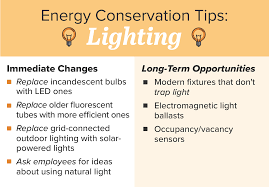
When it comes to lighting, switching to LED bulbs is a no-brainer. LEDs use much less energy than incandescent bulbs. They also last much longer.
An LED bulb can use up to 80% less energy than an incandescent bulb. And it can last 25 times longer. While the upfront cost of LEDs might be a bit higher, they save you money on both energy and replacement costs over time.
It’s also about using light efficiently. Turn off lights when you leave a room. Use task lighting instead of lighting up an entire room.
Consider installing dimmer switches or motion sensors. These can help ensure lights are only on when and where they are needed.
Think about your water heater. It’s often the second-largest energy user in your home. Setting your water heater to 120°F (49°C) is usually sufficient for most households.
This can save you money and reduce the risk of scalding. Insulating your water heater tank and hot water pipes can also reduce heat loss. This means your heater doesn’t have to work as hard to keep water hot.
Even small changes can make a difference. Unplug electronics when they are not in use. Many electronics draw “phantom power” even when turned off.
Using power strips with on/off switches makes it easy to cut power to multiple devices at once. This prevents that wasted energy.
Tips for Energy-Efficient Appliances
Look for the ENERGY STAR label on new appliances.
Choose the right size appliance for your needs. Bigger isn’t always better.
Use appliances efficiently: Run full loads in dishwashers and washing machines.
Maintain appliances: Clean coils, check seals, and follow manufacturer guidelines.
Consider smart power strips to manage electronics that draw phantom power.
Professional Energy Audits and Rebates
Sometimes, getting a professional perspective can be incredibly valuable. An energy audit is like a doctor’s visit for your home. A certified auditor will assess your home’s energy use.
They will identify areas where energy is being wasted.
During an audit, an auditor might use special tools. They might use a thermal imaging camera to find insulation gaps or air leaks. They might perform a “blower door test.” This test depressurizes your home.
It helps reveal where air is leaking in. The auditor will then provide a detailed report. This report will list recommended improvements and estimate potential savings.
I highly recommend getting an energy audit, especially for older homes. I’ve seen people spend money on upgrades that didn’t address their biggest energy problems. An audit helps you prioritize.
It ensures you invest your money wisely. It focuses on the most impactful improvements for your specific home.
Many utility companies offer free or low-cost energy audits. Check with your local energy provider. They might also offer incentives or rebates for making energy-efficient upgrades.
These rebates can significantly reduce the cost of improvements like new insulation, energy-efficient windows, or HVAC system upgrades.
Government programs and local initiatives also offer rebates and tax credits for energy-efficient home improvements. These programs change, so it’s important to do a little research. Websites like ENERGYSTAR.gov often have information on federal tax credits.
Your state’s energy office or your local utility company’s website are also good places to look for local rebates and incentives.
Taking advantage of these programs can make expensive upgrades much more affordable. It’s like getting a discount on improving your home’s efficiency. Don’t leave money on the table.
Explore the options available in your area. These programs are designed to encourage homeowners to invest in energy-saving measures.
Consider that the initial cost of some improvements can seem high. But when you factor in rebates, tax credits, and the long-term energy savings, the return on investment can be very attractive. An energy audit can help you understand these long-term benefits and make informed decisions about which upgrades are right for you.
What to Expect from an Energy Audit
Home Assessment: Auditor inspects insulation, windows, doors, HVAC, and appliances.
Air Leak Detection: Uses tools like a blower door and thermal camera.
Energy Usage Analysis: Reviews past utility bills.
Prioritized Recommendations: A report detailing suggested improvements and cost/savings estimates.
Information on Rebates: Guidance on available incentives.
Simple Checks You Can Do Yourself
While professional audits are great, there are many simple checks you can perform yourself to find energy waste. These aren’t complicated. They just require a little observation.
Feel for Drafts: On a cold or windy day, walk around your home. Hold your hand near windows, doors, electrical outlets, and where pipes enter your home. If you feel a draft, you’ve found an air leak.
You can use caulk or weatherstripping to seal most of these.
Check Attic Insulation: As mentioned, go into your attic. If you can easily see the wooden joists, you probably need more insulation. Make sure insulation isn’t compressed or wet.
Also, check that it’s evenly distributed.
Inspect Vents and Registers: Ensure that furniture, rugs, or curtains aren’t blocking your heating and cooling vents. Blocked vents disrupt airflow. This makes your system work harder and can lead to uneven temperatures.
Look at Your Water Heater: Is it set to a safe and efficient temperature? Is the tank insulated? Are the hot water pipes insulated?
Examine Window and Door Seals: Check for worn or damaged weatherstripping. Look for gaps around frames. Test the seals by trying to slide a piece of paper between the frame and the door or window when it’s closed.
If you can easily pull the paper out, the seal is weak.
Clean Refrigerator Coils: Dust and debris on the coils at the back or bottom of your refrigerator make it work harder. Pull the fridge out (if possible) and vacuum the coils at least once a year.
These simple checks can help you identify obvious energy wasters. Addressing them can lead to immediate improvements in your home’s comfort and efficiency. It’s about being proactive.
When to Worry About Your Heating and Cooling
Most of the time, your heating and cooling systems are just doing their job. But sometimes, signs appear that indicate a bigger problem. Recognizing these signs can save you from costly breakdowns and uncomfortable situations.
Strange Noises: If your furnace or air conditioner starts making banging, grinding, or screeching noises, it’s a red flag. These sounds often indicate a mechanical issue that needs professional attention. Don’t ignore them.
Uneven Heating or Cooling: If some rooms are much hotter or colder than others, it could point to insulation problems, duct leaks, or an unbalanced HVAC system. While minor variations are normal, significant differences suggest an issue.
High Energy Bills with No Change in Usage: If your energy bills suddenly spike without you changing your habits, it’s time to investigate. It could mean your system is working harder than it should due to a hidden problem.
Infrequent Cycling: If your furnace or air conditioner runs constantly for very long periods without shutting off, or if it cycles on and off very frequently (short cycling), it’s not operating efficiently. Both scenarios can indicate problems.
Poor Air Quality: If you notice increased dust, moldy smells, or worsening allergy symptoms, your HVAC system might be struggling. This could be due to dirty filters, clogged ducts, or other air quality issues.
No Airflow or Weak Airflow: If you feel little to no air coming from your vents, it could be a clogged filter, a blocked duct, or a problem with the fan motor. Check the filter first, as that’s the easiest fix.
If you notice any of these signs, it’s best to consult a qualified HVAC technician. They can diagnose the problem and recommend the right course of action. Addressing issues early can prevent minor problems from becoming major, expensive repairs.
Frequently Asked Questions
How much can I save by sealing air leaks?
Sealing air leaks can significantly reduce your heating and cooling costs. Depending on the severity of the leaks, you could save anywhere from 10% to 30% on your energy bills. It’s one of the most cost-effective ways to improve your home’s energy efficiency.
What is the best temperature to set my thermostat to?
For comfort and savings, the U.S. Department of Energy suggests setting your thermostat to 68°F (20°C) when you are home and awake during the winter. In the summer, 78°F (26°C) when you are home and awake is recommended.
Lowering or raising the temperature by several degrees when you are asleep or away can save a lot of energy.
How often should I change my HVAC air filter?
You should check your air filter at least once a month.
Are energy-efficient windows worth the cost?
Energy-efficient windows can be a significant investment, but they can pay for themselves over time through reduced energy bills. They also improve comfort by reducing drafts and temperature fluctuations. If your current windows are old, single-pane, or in poor condition, they are likely costing you money in lost energy.
What is the ENERGY STAR label?
The ENERGY STAR label is a certification from the U.S. Environmental Protection Agency (EPA). It indicates that a product meets strict energy efficiency standards set by the EPA.
Products with this label use less energy than standard models, saving you money and protecting the environment.
Can I insulate my attic myself?
Yes, insulating your attic is often a feasible DIY project. You can buy insulation rolls or bags. However, it’s important to wear protective gear like gloves, long sleeves, eye protection, and a mask.
Make sure to seal any air leaks before adding insulation. If you are unsure or if your attic has complex features, consider hiring a professional.
Conclusion
Reducing heating and cooling costs is an ongoing process. It involves understanding your home’s energy use. It means taking practical steps to improve efficiency.
From sealing air leaks and improving insulation to smart thermostat use and regular HVAC maintenance, each action contributes. Making these changes not only saves you money but also makes your home a more comfortable place to live.



Leave a Reply