
Feeling the pinch of rising energy costs? You’re not alone. Many homeowners struggle to understand why their electricity bill seems so high.
It feels like every month, you open that envelope with a sigh. You might even feel a little helpless, wondering if there’s anything you can do. But there’s good news.
Small changes can make a big difference.
Reducing your electricity bill is achievable through smart energy use. Focus on appliance efficiency, smart thermostat settings, proper insulation, and mindful lighting habits. Understanding where your energy goes is the first step to saving money.
Understanding Your Electricity Bill
Your electricity bill is a report card for your home’s energy use. It shows how much power you’ve used. It also tells you what you owe for that power.
Bills can look confusing at first. They often list usage in kilowatt-hours (kWh). This is a standard unit of energy.
One kWh is the amount of energy used by a 1,000-watt appliance running for one hour.
Several factors influence your monthly bill. The biggest factor is simply how much electricity you use. Older appliances often use more power than newer, energy-efficient models.
Heating and cooling systems are usually the biggest energy consumers in a home. Leaky windows and doors can also waste a lot of heated or cooled air. This forces your systems to work harder.
The price per kWh also matters. This price can change based on where you live. It can also change based on your electricity provider.
Some plans offer lower rates during off-peak hours. You might pay more during peak demand times. Understanding these basics helps you see where savings can happen.
The Hidden Energy Hogs in Your Home
We often think about the big items like the air conditioner. But many small things add up. These are called “phantom loads” or “vampire loads.” They draw power even when they are turned off.
Think about your TV. Even when it’s off, the little red light is on. This is standby power.
Many modern devices have this standby mode. This includes computers, game consoles, microwaves, and even some lamps. Chargers for phones and laptops also draw power when plugged in, even if no device is attached.
These small amounts of energy use add up over time. They can account for 5-10% of your total electricity bill. This is energy you’re paying for but not really using.
Phantom Load Examples
What to Look For:
- Electronics with digital displays or clocks (microwaves, VCRs/DVD players).
- Devices with remote controls (TVs, stereo systems).
- Computers and printers in sleep mode.
- Phone chargers plugged into the wall.
Addressing these hidden energy users is a simple first step. Using power strips can help. You can turn off the strip when you are not using the devices.
This completely cuts power. It’s a very effective way to stop phantom loads.
Heating and Cooling: The Biggest Energy Users
In most homes, the heating and cooling system uses the most electricity. This is especially true in places with hot summers or cold winters. Your HVAC (Heating, Ventilation, and Air Conditioning) system works hard to keep your home comfortable.
But it can also be a major drain on your wallet.
The thermostat is your main control. Setting it just a few degrees higher in summer or lower in winter can save a lot. For every degree you adjust it, you can save about 1-3% on your energy bill.
This is a significant amount over an entire season. Aim for 78°F in summer and 68°F in winter when you are home.
Consider a programmable or smart thermostat. These devices learn your habits. They can automatically adjust the temperature when you are away or asleep.
This ensures you’re not wasting energy to heat or cool an empty house. Smart thermostats can also be controlled remotely from your phone. This offers even more control and potential savings.
Smart Thermostat Benefits
Label: Energy Savings
Note: Smart thermostats can reduce heating and cooling costs by up to 15% annually by optimizing temperature settings.
Label: Convenience
Note: Control your home’s temperature from anywhere using your smartphone.
Label: Data Insights
Note: Many provide reports on energy usage, helping you identify patterns.
Proper maintenance of your HVAC system is also key. Regularly change air filters. Dirty filters make your system work harder.
This uses more energy. Get your system checked by a professional at least once a year. They can catch small problems before they become big, costly ones.
This also helps your system run more efficiently.
Insulation and Air Sealing: The Unsung Heroes
Think of insulation like a warm blanket for your house. It keeps the heat in during winter and out during summer. Air sealing is equally important.
It stops drafts and prevents conditioned air from escaping your home. Leaky homes are like constantly trying to fill a bucket with holes in it.
The attic is often the biggest culprit for heat loss or gain. Heat rises. If your attic isn’t well-insulated, all that expensive heated air escapes in winter.
In summer, hot air from the attic can easily enter your living space. Adding more insulation in the attic is often one of the most cost-effective energy upgrades you can make.
Walls, floors, and crawl spaces also need attention. Older homes might not have much insulation. Modern homes often have better insulation but can still have gaps.
Look for drafts around windows and doors. Check electrical outlets and light switches on exterior walls. These can be sources of air leaks.
Where to Check for Air Leaks
Observation: Around Doors and Windows
Action: Use caulk or weatherstripping. Feel for drafts.
Observation: Electrical Outlets & Switches
Action: Install foam gaskets behind the plates.
Observation: Attic Hatch or Door
Action: Ensure it seals tightly. Add weatherstripping.
Observation: Plumbing and Vent Penetrations
Action: Seal any gaps with caulk or spray foam.
You can do a simple test yourself. On a windy day, hold a lit incense stick or a thin piece of tissue paper near potential leak spots. If the smoke or tissue moves, you have a draft.
Sealing these leaks is often a DIY project. It can make a huge difference in comfort and energy bills.
Lighting: Simple Swaps for Big Savings
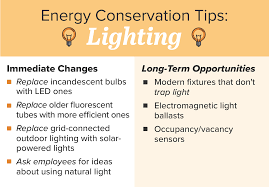
Lighting accounts for about 10-15% of your electricity bill. For years, we relied on incandescent bulbs. These bulbs are very inefficient.
They waste most of their energy as heat. Switching to LED (Light Emitting Diode) bulbs is one of the easiest and fastest ways to cut down on lighting costs.
LED bulbs use up to 80% less energy than incandescent bulbs. They also last much, much longer. An LED bulb can last 25 times longer than a traditional bulb.
This means you also save money on replacement bulbs. The initial cost of LEDs is higher, but they pay for themselves quickly through energy and replacement savings.
When you buy LED bulbs, look for the “Energy Star” label. This means the bulb meets strict energy efficiency guidelines set by the U.S. Environmental Protection Agency (EPA).
They are tested for quality and performance.
LED vs. Incandescent Bulbs
Feature: Energy Use (per bulb)
LED: 10-12 watts
Incandescent: 60 watts
Feature: Lifespan
LED: 25,000+ hours
Incandescent: 1,000 hours
Feature: Heat Output
LED: Very low
Incandescent: High
Beyond just swapping bulbs, practice good lighting habits. Turn off lights when you leave a room. Use natural daylight whenever possible.
Open blinds and curtains during the day. Consider using dimmer switches. They allow you to adjust light levels and save energy.
Motion sensor lights are also great for areas like garages or hallways.
Appliance Efficiency: Making Smart Choices
Appliances are a huge part of our daily lives. They make tasks easier. But they also consume significant amounts of energy.
When buying new appliances, always look for the yellow EnergyGuide label. This label shows the estimated yearly energy cost of the appliance.
Look for appliances with the Energy Star label. These products meet strict energy efficiency standards set by the U.S. Department of Energy and the EPA.
Energy Star certified appliances use less energy and water than standard models. They can save you money on utility bills and reduce your environmental impact.
Refrigerators and freezers are major energy users. Make sure they are not set too cold. The ideal temperature for a refrigerator is between 35-38°F.
For a freezer, it’s 0°F. Keep the coils on the back clean. Dust on the coils makes the motor work harder.
Also, check the door seals. A simple dollar bill test can help. Close the door on a bill.
If you can pull it out easily, the seal might need replacing.
Energy Star Appliances: Top Savings
Category: Refrigerators
Savings: Can use 9% less energy than standard models.
Category: Washing Machines
Savings: Can use 30% less energy and 33% less water.
Category: Dishwashers
Savings: Can use 13% less energy and 29% less water.
Category: Dryers
Savings: More efficient models use less energy.
When doing laundry, wash clothes in cold water whenever possible. About 90% of the energy used by a washing machine goes into heating the water. Using cold water is just as effective for most loads.
Always wash full loads. This maximizes the efficiency of each cycle. Similarly, clean the lint filter in your dryer after every load.
A clogged filter restricts airflow and makes the dryer work harder and longer.
Water Heating: A Surprising Energy Consumer
Hot water is a necessity, but heating water uses a lot of energy. The water heater is often the second-largest energy consumer in a home, after heating and cooling. Most homes use an electric or gas water heater.
You can make a big difference by simply adjusting the thermostat on your water heater. Most are set to 140°F. This is often hotter than needed.
Setting it to 120°F is usually sufficient for most households. This single adjustment can save you 6-10% on your water heating costs. Plus, it reduces the risk of scalding.
Insulating your water heater tank can also help. If your tank feels warm to the touch, it’s losing heat. You can buy an insulating blanket specifically for water heaters.
This is a relatively inexpensive way to keep water hotter for longer. It reduces how often the heater needs to cycle on. Also, insulate the first few feet of hot water pipes coming out of the heater.
Water Heater Efficiency Tips
Action: Lower Thermostat Setting
Benefit: Saves energy and reduces scalding risk. Aim for 120°F.
Action: Insulate the Tank
Benefit: Reduces standby heat loss. Saves energy.
Action: Insulate Hot Water Pipes
Benefit: Reduces heat loss as water travels. Saves energy.
Action: Fix Leaks Promptly
Benefit: A dripping hot water faucet wastes heated water and energy.
Fix any leaky faucets, especially hot water ones. A small drip can waste gallons of hot water over time. This is like throwing money down the drain.
Consider upgrading to a low-flow showerhead. These use less hot water, saving both water and energy. If your water heater is old, consider replacing it with a more efficient model, like a tankless or heat pump water heater.
Smart Habits for Everyday Savings
Beyond big upgrades, many small, everyday habits can contribute to lower electricity bills. These are often the easiest to implement and require little to no cost.
Unplug chargers when not in use. As mentioned, they draw power even without a device connected. Use power strips for electronics.
It’s easy to flip one switch to cut power to multiple devices at once. This stops those phantom loads in their tracks. Think of your entertainment center or home office setup.
Run dishwashers and washing machines only when they are full. This maximizes the efficiency of each cycle. If possible, air dry clothes instead of using the dryer.
On a nice day, a clothesline or drying rack is a great way to save energy. If you must use the dryer, clean the lint filter every time.
Everyday Energy-Saving Habits
Habit: Turn Off Lights
When: Leaving a room.
Habit: Unplug Chargers
When: Not actively charging a device.
Habit: Use Cold Water for Laundry
When: Most loads.
Habit: Air Dry Clothes
When: Weather permitting.
Habit: Full Loads for Appliances
When: Dishwasher, washing machine.
Cook smarter. Use smaller appliances like microwaves or toaster ovens when possible. They use less energy than a full-sized oven.
If you do use the oven, avoid opening the door too often. Each time you open it, the temperature drops significantly, and the oven has to work harder to reheat. Consider baking multiple items at once.
When to Worry: Signs of Trouble
While high bills can be due to normal usage, sometimes they signal a problem. If your bill suddenly jumps without any change in your habits, investigate further. A sudden increase could indicate an appliance is malfunctioning and drawing excessive power.
Pay attention to any strange noises coming from appliances, especially refrigerators or HVAC units. These could be signs of wear and tear that impacts efficiency. Also, check for unusual heat buildup around electrical outlets or appliances.
This could be a safety hazard and an energy drain.
Consider getting a home energy audit. Many utility companies offer these for free or at a low cost. An auditor will inspect your home for insulation gaps, air leaks, and inefficient appliances.
They can provide a detailed report on where you are losing energy and suggest specific improvements. This is an expert opinion that can save you money in the long run.
Signs Your Home Uses Too Much Energy
Indicator: Sudden Bill Increase
Possible Cause: Appliance malfunction, new usage pattern.
Indicator: Drafty Windows/Doors
Possible Cause: Poor insulation, air leaks.
Indicator: High Energy Bills Despite Conservation
Possible Cause: Inefficient appliances, poor insulation.
Indicator: Warm Walls or Ceilings
Possible Cause: Insulation issues, electrical problems.
Think about the age of your appliances. Older models are often much less efficient than newer ones. If your refrigerator is over 10-15 years old, or your HVAC system is nearing the end of its typical lifespan, replacement might be a worthwhile investment.
The energy savings from a new, efficient model can offset the purchase cost over time.
Quick Fixes and Tips
Here’s a quick rundown of actionable steps you can take right now:
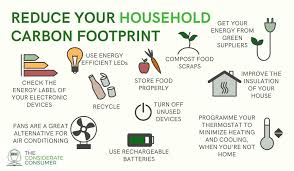
- Adjust Thermostat: Set to 78°F in summer and 68°F in winter when home.
- Switch to LEDs: Replace old incandescent bulbs.
- Unplug Electronics: Use power strips to cut phantom loads.
- Seal Air Leaks: Caulk around windows and doors.
- Clean Fridge Coils: Ensure your refrigerator runs efficiently.
- Wash in Cold Water: Save energy on laundry.
- Check Water Heater: Set to 120°F and insulate.
These simple actions require minimal effort but can lead to noticeable savings. Don’t underestimate the power of small changes. They add up over time and contribute to a significantly lower electricity bill.
Frequently Asked Questions
How much money can I save by switching to LED bulbs?
Switching from incandescent to LED bulbs can save you a significant amount. LEDs use up to 80% less energy. Over the lifetime of the bulb, and considering you’ll buy fewer replacements, you can save dozens of dollars per bulb.
Across your entire home, this can add up to hundreds of dollars annually.
Is it really worth it to get a smart thermostat?
Yes, for most people, a smart thermostat is a good investment. They can help you save 10-15% on your heating and cooling costs. This is because they learn your schedule and automatically adjust the temperature.
This prevents you from heating or cooling an empty house. The convenience of controlling it from your phone is also a big plus.
What is the most energy-efficient way to cook?
For quick meals, a microwave is often the most energy-efficient choice. For larger meals, consider using a toaster oven or a convection oven. Convection ovens circulate hot air, cooking food faster and more evenly, which uses less energy.
When using a full-sized oven, avoid opening the door frequently.
How often should I change my air filters?
You should check your air filters monthly. Most need to be replaced every 1-3 months. This depends on the type of filter and your home environment.
If you have pets or allergies, you might need to change them more often. Dirty filters make your HVAC system work harder, using more energy and reducing air quality.
Should I unplug my TV if I’m not watching it?
While it might seem like a small amount of energy, many modern TVs and their associated devices (like cable boxes or soundbars) draw power even when off. This is called standby power or phantom load. Using a power strip and turning it off when not in use can eliminate this waste and save a bit on your bill.
What’s the best temperature setting for my refrigerator?
The ideal temperature for your refrigerator is between 35°F and 38°F (about 1.7°C to 3.3°C). For your freezer, it should be set to 0°F (-18°C). Keeping your refrigerator too cold wastes energy.
If it’s too warm, your food may not stay fresh, leading to waste.
Conclusion
Lowering your electricity bill is within reach. It involves understanding your energy use. Then, making smart choices about your home and habits.
From simple adjustments like turning off lights to bigger steps like improving insulation, every effort counts. Start with a few changes. You’ll see the savings add up.
Your wallet and the planet will thank you.


Leave a Reply