
What Are Peak Electricity Usage Hours?
Peak electricity usage hours are simply the times of day when the demand for electricity is the highest. Think of it like rush hour on a highway. When everyone is trying to get on the road at the same time, traffic slows down and it takes longer to get anywhere. It’s the same with electricity.
Power companies have to make sure there’s enough electricity for everyone, all the time. When many homes and businesses are using power at the same moment, the grid works harder. This high demand usually happens during certain parts of the day and sometimes on certain days of the week or year.
Why Does Demand Go Up?
Several things cause demand to rise. For most homes, it’s when people get home from work or school. They turn on lights, cook dinner, watch TV, and use appliances. This is especially true when the weather is extreme.
On very hot days, air conditioners work overtime. On very cold days, heaters are running constantly. These big appliances use a lot of energy. So, when many people are using them at the same time, it really pushes up the demand.
My Own Peak Hour Panic
I remember one summer vividly. It was a brutal heatwave in July. The kind where the air feels thick and sticky even at night. My apartment was like an oven. I had my air conditioner running non-stop, trying to keep it cool. I also had the dishwasher going because I’d hosted a small get-together the night before. And I was on a work call, so I had my computer and a few lights on.
That evening, I got my electricity bill. It was a shock. It was nearly double what I usually paid. I felt a knot of panic in my stomach. How could I afford this? I started looking at my usage patterns. I noticed most of my high usage was during the late afternoon and early evening. That’s exactly when everyone else was doing the same thing. It hit me then. I was paying a premium for power because I was using it when everyone else was. It was a tough lesson, but it made me rethink how I used energy.
Understanding Your Local Peak Times
Peak hours aren’t the same everywhere. They depend a lot on where you live and your local climate. But in most of the U.S., they tend to fall into a pattern.
Typical Peak Hour Patterns
Weekdays: The most common peak usage is usually from 4 PM to 9 PM. This is when most people are home from work and school. They start their evening routines.
Weekends: Weekends can be a bit different. Demand might be lower overall than weekdays. But if people are home more and using appliances for longer periods, peaks can still occur, often mid-day.
Seasonal Changes: Summer and winter are often peak seasons. Air conditioners in summer and heaters in winter are huge energy users. Extreme weather means more demand across the board.
Your power company likely has specific information about peak hours for your area. They might even offer different pricing plans based on when you use electricity. This is often called Time-of-Use (TOU) pricing.
How Power Companies Manage Peaks
Power companies have to be ready for these busy times. They use a mix of power sources. Some are cheaper and always on, like nuclear or coal plants. Others are more expensive but can be ramped up quickly. These are often natural gas plants.
When demand is high, they have to bring these more expensive plants online. This is why electricity costs more during peak hours. They are essentially covering the higher cost of generating power at that moment. It’s a balancing act to keep the lights on for everyone.
Real-World Scenarios for Peak Usage
Let’s look at a few typical days and see how peak usage might play out in a U.S. home.
Scenario 1: The Summer Heatwave
It’s a scorching July afternoon in Phoenix, Arizona. The temperature is 110°F. Sarah gets home from work. She immediately turns on her central air conditioning to cool the house. Her kids come home and turn on the TV and video games. Her husband starts prepping dinner, and the oven and microwave are used. Sarah also decides to run the washing machine and dryer to get laundry done before dinner.
Summer Peak Usage Breakdown
- Air Conditioning: The biggest user, running hard to combat heat.
- Appliances: Oven, microwave, dishwasher, washing machine, dryer all running.
- Electronics: TVs, computers, game consoles, lights used heavily.
Most of this activity happens between 4 PM and 9 PM, leading to high peak demand.
In this scenario, Sarah’s home is a prime example of peak electricity usage. Almost every major energy-consuming appliance and system is in full swing. This contributes significantly to the grid’s load during critical hours.
Scenario 2: The Winter Cold Snap
Now, imagine it’s a cold January day in Chicago, Illinois. The temperature has dropped to 15°F. Mark is working from home. He has his electric heater running in his office to stay comfortable. His partner is also home, using a space heater in the living room. They are using their electric stove to make a warm soup for lunch. Later, they run the dishwasher after eating. As evening approaches, they turn on more lights and perhaps watch a movie.
Winter Peak Usage Breakdown
Heating Systems: Electric heaters and furnaces work hard to maintain warmth.
Kitchen Appliances: Ovens, stoves, microwaves, and dishwashers are used for meals.
Evening Activities: Lights, TVs, and other electronics increase usage.
The combination of heating and indoor activities during colder months drives peak demand.
This situation shows how heating needs in colder climates can cause peak usage. Even if people aren’t using as many cooling devices, the energy needed to keep homes warm can still create high demand.
Scenario 3: The Busy Weekday Evening
Consider a typical Tuesday evening in Denver, Colorado. The weather is mild, but the household is active. Maria gets home from work around 5:30 PM. She turns on the kitchen lights and starts making dinner. She uses her electric oven and stovetop. Her son comes home from soccer practice and immediately jumps on his computer and turns on the TV in the living room. Her daughter is finishing homework at her desk, with a lamp and her laptop on. Maria also runs the dishwasher after dinner.
Typical Weekday Evening Peak
Cooking: Electric stoves and ovens used for meal preparation.
Entertainment: TVs, computers, and gaming consoles are active.
Home Management: Dishwashers, washing machines, and lights are in use.
This blend of activities is common and makes this time a peak period for energy use.
This scenario highlights how normal, everyday activities contribute to peak demand. It’s not always about extreme weather. It’s about the collective use of common household appliances and electronics as families wind down their day.
What This Means for Your Electricity Bill
Understanding peak usage hours is directly tied to your wallet. If your electricity plan charges you more during these high-demand times, then using energy then means paying more. This is often the case for plans that have “Time-of-Use” (TOU) rates.
TOU Rates Explained
On-Peak Hours: Highest electricity prices. Usually late afternoon to early evening.
Mid-Peak Hours: Prices are between on-peak and off-peak. Often the hours just before and after on-peak.
Off-Peak Hours: Lowest electricity prices. Usually late at night and early in the morning.
Shoulder Hours: Transition times between peak and off-peak periods.
Even if you don’t have a TOU plan, high demand on the grid can still affect overall electricity costs. Power companies have to build and maintain infrastructure to handle these peaks. These costs are often passed on to all customers in some form.
The Impact on the Grid
When everyone uses power at once, it puts a strain on the electricity grid. Imagine a water pipe. If too much water tries to flow through it at once, the pressure can drop, or it might even burst. The same idea applies to electricity.
The grid needs to be robust enough to handle these surges. This requires significant investment in power plants, transmission lines, and substations. These investments cost money. That money often comes from our electricity bills. So, even if your bill doesn’t show specific TOU rates, managing your usage during peak times can still indirectly help keep costs lower for everyone.
When Is It Normal vs. Concerning?
It’s normal for electricity usage to increase in the late afternoon and early evening. This is a natural part of daily life for most families. Lights come on, cooking starts, and entertainment systems are used.
However, there are times when usage might be concerning. If your electricity bill is consistently much higher than expected, especially during peak hours, it could signal a few things.
Signs Your Usage Might Be Too High
Sudden Bill Spikes: A large, unexplained jump in your bill without a change in habits.
Constant High Usage: Your smart meter data shows high demand even during off-peak hours.
Appliance Issues: Old or inefficient appliances running constantly, even when not in use.
Air Leaks: Drafty windows or doors making your heating or cooling work harder.
If you notice these signs, it’s worth investigating. You might have an appliance that’s using more power than it should. Or perhaps your home isn’t well-insulated, making it harder to maintain a comfortable temperature.
Simple Checks You Can Do
You can perform some easy checks yourself. Walk through your home during peak hours and note what’s running.
Are multiple large appliances on? Is the AC or heater working overtime? Are lights on in rooms that aren’t being used? Sometimes, just being more mindful can reveal easy opportunities to save.
Quick Tips for Managing Peak Usage
The good news is that you can take steps to reduce your electricity use during peak hours. It often involves making small changes to your daily routine.
Shifting Appliance Use
This is the most impactful strategy. Try to run your dishwasher, washing machine, and dryer during off-peak hours. This is typically late at night or early in the morning. If you have a smart timer on your appliances, use it.
Cooling and Heating Smarter
In summer, try to delay heavy AC use until after the peak period if possible. Use fans to circulate air. On cooler days, wear layers of clothing and use blankets before turning up the heat.
Smart Lighting and Electronics
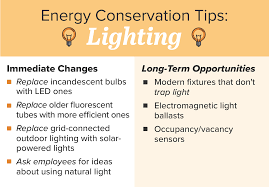
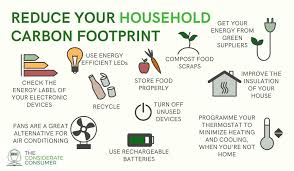
Turn off lights when you leave a room. Unplug electronics that aren’t in use, as many draw “phantom power” even when off. Consider switching to LED bulbs, which use much less energy than traditional incandescent bulbs.
Peak Hour Savings Checklist
Postpone Chores: Run washer/dryer late at night.
Cook Wisely: Use microwaves or slow cookers during peak times. Save ovens for off-peak.
Thermostat Habits: Adjust temp slightly higher in summer, lower in winter during peak.
Batch Tasks: Do multiple loads of laundry or dishes together during off-peak.
Invest in Efficiency: Upgrade to Energy Star appliances when possible.
Consider a Smart Thermostat
A smart thermostat can learn your schedule and adjust your home’s temperature automatically. It can be programmed to pre-cool your home before peak hours and then let the temperature rise slightly during peak times. This can lead to significant savings.
Frequent Questions About Peak Electricity Usage
What are the typical peak electricity usage hours in the U.S.?
In most parts of the U.S., peak electricity usage hours are generally between 4 PM and 9 PM on weekdays. This is when most households are active after work and school.
Why does electricity cost more during peak hours?
Electricity costs more during peak hours because demand is highest. Power companies often have to use more expensive power plants to meet this demand, and these costs are passed on to consumers, especially those on Time-of-Use plans.
How can I find out my specific peak hours?
Your local electric utility company’s website or your monthly bill should provide details about your specific peak usage hours and any associated pricing plans like Time-of-Use (TOU) rates.
Does peak usage apply to weekends?
Peak usage can still occur on weekends, though it might be less pronounced than on weekdays. Demand can be high mid-day or in the afternoon when people are home and using appliances.
What appliances use the most energy during peak hours?
The biggest energy users during peak hours are typically HVAC systems (air conditioners and electric heaters), followed by ovens, electric stoves, water heaters, washing machines, dryers, and electronics like TVs and computers.
Are there any government programs to help with high electricity costs?
Yes, depending on your state and income, there may be programs like the Low Income Home Energy Assistance Program (LIHEAP) that can help with energy bills.
Conclusion
Understanding peak electricity usage hours is more than just knowing when demand is high. It’s about recognizing a pattern that directly impacts your home’s energy costs. By making small adjustments to when you use appliances and manage your home’s climate, you can significantly lower your electricity bills. It takes a little planning, but the savings and the benefit to the energy grid are well worth the effort. Start by checking your utility company’s rates and then make one or two small changes. You’ll be surprised at the difference it makes.



Leave a Reply