
Feeling that pinch in your wallet every time the monthly energy costs arrive? You’re definitely not alone. Many of us look at our utility bills and feel a little sticker shock.
It’s a common frustration when you’re trying to manage your household budget. But here’s some good news: you have more control than you think.
This guide is here to help. We’ll break down exactly what makes your energy bill go up. We’ll also share simple, actionable steps you can take right now.
You’ll discover how to make your home more energy-efficient. And importantly, how to keep more money in your pocket each month. Let’s get started on making your home budget friendlier.
Lowering monthly energy costs involves understanding where your energy goes and making smart, efficient choices. Simple changes at home can lead to significant savings on your utility bills over time. This guide offers practical ways to reduce energy use without sacrificing comfort.
Understanding Your Energy Bill
Why do your energy bills seem to jump around so much? It’s usually a mix of a few things. First, the weather plays a big role.
When it’s super hot, your air conditioner works harder. When it’s very cold, your heater runs more. These big shifts in temperature are the main drivers of higher costs.
Next, think about how you use energy. Are you home more often? Do you run the dishwasher or washing machine during peak hours when electricity is more expensive?
Small habits can add up. Also, the age and efficiency of your home’s systems matter. Old windows, poor insulation, and ancient appliances often leak energy.
This means you’re paying to heat or cool the outside air.
Finally, the price of energy itself changes. Utility companies adjust rates based on many factors. These include the cost of fuel and the demand for power.
Understanding these pieces helps you see the whole picture. It makes it easier to figure out where to make changes that will actually save you money.
Personal Experience: The Attic Fan Fiasco
I remember one summer, I was stumped. My electricity bill was through the roof, and I couldn’t figure out why. I hadn’t changed my habits drastically.
My AC unit was only a few years old. I walked around the house, checking if I left lights on. Nothing seemed obvious.
Then, I went up to the attic to grab some old boxes. It was like walking into an oven up there. I noticed a powerful attic fan running constantly.
I had installed it a few years prior, thinking it would help cool the house. But I forgot to set it on a timer. It was just sucking out all the cool air my AC was trying to put in, all day and all night!
The money I was spending to cool the outside was insane. That was a tough, hot lesson learned.
Energy Hogs in Your Home
Big Energy Users
- Air Conditioner/Heater
- Water Heater
- Refrigerator/Freezer
- Clothes Dryer
- Oven/Stove
These are the main culprits for high energy use. Focusing on them first can give you the biggest savings.
The Power of Insulation
Insulation is like a cozy blanket for your house. It keeps the warm air in during the winter. It also keeps the cool air in during the summer.
When your home lacks good insulation, your heating and cooling systems have to work much harder. This uses a lot more energy.
Think about your attic. This is often where most of the heat escapes or enters your home. Adding more insulation there can make a huge difference.
Walls and crawl spaces are also key areas. Properly insulating these spots stops energy waste before it even starts. You’ll feel more comfortable and see a lower bill.
Quick Insulation Check
Check These Areas:
- Attic: Is the insulation deep enough? Can you see the joists?
- Walls: Feel for drafts around outlets or switches.
- Basement/Crawl Space: Are these areas sealed and insulated well?
Proper insulation is one of the most effective ways to lower monthly energy costs.
Smart Thermostat Use
A smart thermostat can be a game-changer for saving energy. Unlike old thermostats, these devices learn your habits. They can also be controlled remotely from your phone.
This means you don’t have to heat or cool an empty house.
For example, you can set your smart thermostat to lower the temperature while you’re at work. Then, it can warm things up again before you get home. You can also program it for when you sleep.
Even a few degrees difference can save a lot of energy. It’s a simple upgrade that pays for itself.
Thermostat Settings for Savings
When You’re Away: Lower heat by 7-10°F in winter; raise AC by 7-10°F in summer.
When You Sleep: Lower heat by 7-10°F in winter; raise AC by 7-10°F in summer.
During Mild Weather: Open windows and turn off the system.
These small adjustments help significantly reduce monthly energy costs.
Sealing Air Leaks
Air leaks are sneaky energy thieves. They can happen around windows, doors, electrical outlets, and where pipes enter your home. Even small cracks let heated or cooled air escape.
This forces your HVAC system to work harder.
You can find these leaks by doing a simple check. On a windy day, feel for drafts. You can also use an incense stick and watch for the smoke to waver near potential leak spots.
Once found, you can seal them easily. Use caulk for small cracks. Weatherstripping works well for doors and windows.
Common Places for Air Leaks
Windows and Doors: Check frames and where they meet the wall.
Electrical Outlets/Switches: Use foam gaskets behind the plates.
Attic Hatches: Ensure they seal tightly.
Plumbing/Vent Penetrations: Seal gaps where pipes go through walls or floors.
Stopping these leaks is key to lowering monthly energy costs.
Efficient Appliance Use
Appliances account for a good chunk of your energy use. Newer appliances are generally much more energy-efficient. Look for the ENERGY STAR label when you buy new ones.
This means they meet strict energy performance standards.
But even with older appliances, you can be smarter. For your washing machine, use cold water whenever possible. This saves the energy needed to heat the water.
For your dryer, clean the lint filter after every load. This helps it dry clothes faster. Always run full loads in your dishwasher and washing machine.
This reduces the number of cycles you need.
Appliance Efficiency Tips
Refrigerator: Keep it full but not overstuffed. Check door seals.
Dishwasher: Run full loads. Use the air-dry setting.
Washing Machine: Use cold water. Clean the filter.
Dryer: Clean the lint filter. Dry full loads. Use dryer balls to reduce drying time.
Smart appliance use is a direct way to impact your monthly energy costs.
Lighting Your Home Wisely
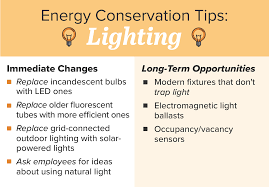
Lighting is an easy area to save energy. Old incandescent bulbs use a lot of power. They also produce a lot of heat.
Switching to LED bulbs is one of the simplest and most effective ways to reduce energy use. LEDs use much less electricity. They also last much longer than traditional bulbs.
Make it a habit to turn off lights when you leave a room. Even for a few minutes. This might seem small, but over time, it adds up.
Consider using dimmer switches or smart bulbs. These allow you to control brightness. This uses less energy when full light isn’t needed.
Natural light is also your friend. Open curtains and blinds during the day.
Lighting Savings Breakdown
LED Bulbs: Use up to 80% less energy. Last 25 times longer.
Turn Off Lights: Simple habit, big impact.
Daylight: Utilize natural light whenever possible.
Task Lighting: Use smaller lamps for reading or hobbies, not overhead lights.
These changes directly contribute to lowering monthly energy costs.
Water Heating Efficiency
Heating water uses a significant amount of energy in most homes. The average U.S. household spends a substantial amount on this each year.
The main culprits are your water heater itself and how you use hot water.
Lowering the temperature on your water heater can make a difference. Most manufacturers set them higher than needed. A setting of 120°F (49°C) is usually sufficient.
Check for leaks in your hot water pipes. Insulating the tank and the first few feet of hot water pipes can also help. Shorter showers and fixing leaky faucets also cut down on hot water use.
Washing clothes in cold water, as mentioned, is also a big saver here.
Water Heater Savings
Lower Thermostat: Set to 120°F (49°C).
Insulate Tank: Especially if it’s older or in a cold area.
Insulate Pipes: Cover the first few feet of hot water pipes.
Reduce Use: Take shorter showers, fix leaks, wash clothes in cold water.
These steps are crucial for reducing your overall monthly energy costs.
Understanding Peak Hours
Many utility companies have different rates for electricity based on the time of day. This is called tiered pricing or time-of-use rates. Peak hours are when most people are using electricity.
This is often in the late afternoon and early evening.
During these peak hours, electricity costs more. If your utility offers this pricing, try to shift your high-energy activities. Run your dishwasher, washing machine, and dryer during off-peak hours.
These are usually late at night or early in the morning. This simple shift can lead to noticeable savings on your monthly energy costs. Check with your utility provider to see if this applies to you.
Peak vs. Off-Peak
Peak Hours: Higher electricity prices. Typically late afternoon/early evening.
Off-Peak Hours: Lower electricity prices. Typically overnight and early morning.
Action: Shift energy-intensive tasks to off-peak times.
Benefit: Direct reduction in your energy bill.
Ventilation and Airflow
Proper ventilation is important for air quality. But it can also impact your energy use. Your HVAC system needs clear airflow to work efficiently.
Keep vents and registers clear of furniture, rugs, and drapes.
Regularly changing your air filter is also vital. A clogged filter makes your system work harder. It also reduces the air quality in your home.
The U.S. Department of Energy suggests checking filters every month. Replace them when they look dirty.
This simple maintenance task helps your system run better and can lower energy use.
Airflow for Efficiency
Keep Vents Clear: Ensure nothing blocks airflow.
Change Filters Regularly: Monthly checks, replace when dirty.
System Maintenance: Have your HVAC system serviced annually.
Good airflow means your system doesn’t overwork, saving energy.
Real-World Context: Appliance Lifespan
It’s easy to forget that appliances don’t last forever. When an appliance starts to get old, its energy efficiency often drops. For example, an old refrigerator might run more often to keep things cold.
It might not seal as well as it used to.
While replacing appliances can be a big upfront cost, it’s an investment. An older, less efficient appliance might cost you more in energy bills over its remaining lifespan than a new, efficient one. Consider the total cost of ownership, not just the purchase price.
For large items like refrigerators, washing machines, and dryers, looking at their energy guide labels is smart. This helps you choose models that will save you money long-term.
What This Means for You
So, what should you do with all this information? The most important thing is to start small. You don’t have to do everything at once.
Pick one or two tips that seem easiest for you to implement.
Maybe it’s switching to LED bulbs. Or perhaps it’s making sure you’re doing laundry in cold water. Even adjusting your thermostat by a few degrees can make a difference.
The goal is to build good energy-saving habits. These habits will add up over time. They will contribute to lower monthly energy costs and a more comfortable home.
Check your energy bills from month to month. See how these changes are affecting your usage.
Quick Fixes & Tips
Here are some more straightforward ways to cut down on energy use:
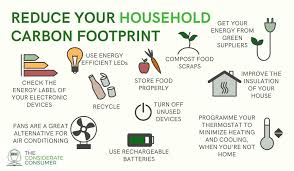
- Unplug Electronics: Many electronics use power even when turned off (phantom load). Unplug chargers, TVs, and computers when not in use. Or use smart power strips.
- Use Fans: Ceiling fans and portable fans can help you feel cooler. This lets you raise your thermostat a bit in the summer.
- Cook Smart: Use a microwave or toaster oven for small meals. They use less energy than a full-size oven. When using the oven, don’t peek too often.
- Shower Smarter: Aim for shorter showers. Consider a low-flow showerhead.
- Seal Fireplaces: When not in use, close the damper. Use a fireplace plug if needed.
- Check Your Windows: Ensure they are properly sealed. Use heavy curtains to block sun in summer and insulate in winter.
Frequent Questions
How much money can I really save by lowering my energy costs?
Savings vary widely. But many households can save between 10% and 30% on their energy bills. This depends on your current habits and the changes you make.
Small changes, done consistently, lead to significant long-term savings.
What is the single most effective way to lower my energy bill?
Improving your home’s insulation is often cited as the most impactful. Specifically, ensuring your attic is well-insulated can prevent a large amount of heat loss or gain. Sealing air leaks is also incredibly effective and often very low-cost.
Are smart thermostats worth the cost?
For most people, yes. While there’s an upfront cost, smart thermostats can pay for themselves within a year or two through energy savings. Their ability to learn your schedule and be controlled remotely offers significant convenience and efficiency.
How often should I change my air filter?
As a general rule, check your air filter monthly. Most standard filters need replacing every 1-3 months. If you have pets, allergies, or live in a dusty area, you may need to change it more often.
A clean filter is crucial for HVAC efficiency.
What is “phantom load” and how do I stop it?
Phantom load, also called standby power, is the electricity devices use when they are turned off but still plugged in. Think of phone chargers, TVs, and computers. You can stop it by unplugging these devices when not in use.
Or, use smart power strips that cut power automatically.
Is it cheaper to heat with gas or electric?
This depends heavily on your local utility rates. In many parts of the U.S., natural gas is cheaper per unit of heat than electricity. However, electric heat pumps can be very efficient, sometimes making them competitive.
It’s best to check your local energy prices.
Conclusion
Lowering your monthly energy costs is an ongoing journey. It’s about making conscious choices. By understanding how your home uses energy and adopting these simple, practical tips, you can make a real difference.
Enjoy a more comfortable home and a happier wallet. Every step you take toward energy efficiency helps.


Leave a Reply