
Understanding how your kitchen appliances use energy is the first step to saving money. Small changes and smart choices can lead to significant savings over time. We’ll cover common culprits, efficient practices, and what to look for when buying new.
The Big How Appliances Use Power
Appliances need electricity to do their jobs. Think about your refrigerator. It’s always on, keeping your food cold.
Your oven heats up to cook your meals. Your dishwasher uses water and heat to clean your dishes. Each of these actions requires energy.
The amount of energy an appliance uses depends on a few things. One is its power rating. This tells you how much electricity it uses when it’s running.
Another is how often you use it. A fridge runs 24/7, while a toaster is used for just a few minutes each day.
The efficiency of the appliance is also key. Newer models are often much better at using energy than older ones. They have better insulation, smarter controls, and more efficient motors.
There are two main ways appliances use power: running power and standby power. Running power is what it uses when it’s actively cooking, cooling, or cleaning. Standby power is what it uses when it’s plugged in but not actively being used.
Many people don’t think about standby power, but it can add up.
This energy use is measured in kilowatt-hours (kWh). Your electric bill shows you your total kWh usage for the month. By reducing the kWh your kitchen appliances use, you can lower your bill.
My Own Kitchen Energy Wake-Up Call
I remember a time a few years back. My electricity bill seemed to creep up and up. I live in a small house, and I don’t have a huge number of appliances.
I thought, “What could possibly be using so much power?” I started looking around my kitchen. My refrigerator was quite old, maybe 15 years. It hummed constantly, and the back felt warm.
Then I noticed how many things were just plugged in, even when not in use. My coffee maker had a little light on, my microwave had a clock displaying all day, and my laptop charger was always plugged in next to my phone charger. It felt like a silent energy drain.
One Saturday, I decided to do an experiment. I unplugged everything that wasn’t essential. I only plugged in the fridge, the microwave when I needed it, and my phone charger when it was low.
I even turned off the little light on the coffee maker. It felt a bit strange at first. But by the end of the month, my bill was noticeably lower.
It was a real eye-opener. It showed me that small, consistent energy habits can make a big difference. That’s when I really started paying attention to kitchen appliance energy savings.
Understanding Appliance Labels
ENERGY STAR Label: This means the appliance meets strict energy efficiency guidelines set by the U.S. Environmental Protection Agency (EPA). ENERGY STAR certified products use less energy than standard models.
The EnergyGuide Label: Found on most large appliances, this yellow tag shows you the estimated yearly energy cost and the appliance’s energy use in kWh per year. It helps you compare models directly.
The Big Energy Hogs: What to Watch For
Some appliances in your kitchen use more energy than others. Knowing these can help you focus your efforts on kitchen appliance energy savings.
Refrigerators and Freezers: These are the biggest energy users in most kitchens. They run all the time. Older models are particularly inefficient.
The seals around the door can wear out, letting cold air escape. This makes the compressor work harder.
Ovens and Stovetops: Heating elements use a lot of power. Electric ovens and stovetops use more energy than gas ones for heating. Convection ovens can cook food faster, which means less time using energy.
Dishwashers: Heating the water is the biggest energy user here. If your dishwasher has a heated dry option, that uses even more power. Using the air dry setting can save a lot.
Microwaves: While they use a lot of power when they’re on, they cook food very quickly. So, their total energy use for a meal might be less than an oven. However, the standby power can add up.
Small Appliances: Things like coffee makers, toasters, blenders, and electric kettles can also contribute to energy use, especially if they have standby power or are used frequently.
Standby Power: The Silent Drain
What it is: This is the power an appliance uses when it’s plugged in but not actively working. Think of clocks on microwaves, the little lights on coffee makers, or chargers plugged into the wall.
Why it matters: While each device uses a small amount, many devices in your kitchen (and home) add up to a significant amount of wasted energy. This is often called “vampire power.”
Simple Tip: Unplug devices when not in use or use smart power strips that can cut power to devices when they’re not needed.
Smart Habits for a More Efficient Kitchen
Beyond choosing efficient appliances, how you use them matters greatly. These simple habits can boost your kitchen appliance energy savings.
Refrigerator and Freezer Smarts:
- Check the seals: Close the door and see if a dollar bill can be pulled out easily. If it can, the seal might be bad.
- Keep it full: A full fridge or freezer is more efficient. Fill empty spaces with jugs of water.
- Don’t over-chill: Set your fridge to 37-40°F (3-4°C) and your freezer to 0°F (-18°C).
- Clean the coils: Dust on the condenser coils (usually at the back or bottom) makes the appliance work harder.
Clean them a few times a year.
- Let food cool: Don’t put hot food straight into the fridge. Let it cool down first.
Oven and Cooktop Savvy:
- Use the right size pot: Match your pot size to your burner size.
- Keep the lid on: A lid traps heat and cooks food faster.
- Use smaller appliances: A toaster oven or microwave can be more energy-efficient for small meals.
- Open the door less: Every time you open the oven door, heat escapes.
- Use residual heat: Turn off the oven or cooktop a few minutes before food is done. It will finish cooking from the residual heat.
Dishwasher Dos and Don’ts:
- Run full loads: Wait until the dishwasher is full before running it.
- Scrape, don’t rinse: Most modern dishwashers don’t need pre-rinsing. Just scrape off large food bits.
- Use the air dry option: Skip the heated dry cycle.
- Use cooler water settings: If your dishwasher has it, choose the normal wash and a cooler water temperature if possible.
Quick Scan: Energy Saving Kitchen Habits
| Habit | Impact on Energy Use | Why it Works |
| Unplugging chargers | Reduces standby power loss | Stops “vampire” power drain. |
| Using lids on pots | Speeds up cooking | Traps heat, less energy needed. |
| Full dishwasher loads | Fewer wash cycles | Maximizes water and energy use per load. |
| Cleaning fridge coils | Improves efficiency | Allows heat to escape better, less work for the motor. |
| Using air dry for dishes | Eliminates heating element use | The most energy-intensive part of a dishwasher cycle. |
When It’s Time for an Upgrade: Choosing Efficient Appliances
Sometimes, the best way to achieve kitchen appliance energy savings is to replace older, inefficient models. This can be a big investment, but it pays off in the long run.
Look for the ENERGY STAR Label: As mentioned, this is your best guide. Appliances with this label are significantly more efficient than standard models. For refrigerators, it can mean saving 10-15% on energy costs.
For dishwashers, it could be 10-20% less energy.
Consider the EnergyGuide Label: Use this to compare models side-by-side. Pay attention to the estimated yearly cost. Even a small difference in cost can add up over the appliance’s lifetime.
Think About Size: Do you really need that giant refrigerator? A smaller, more appropriately sized appliance will use less energy. For ovens, consider models with smaller capacities if they meet your needs.
Convection Ovens: These circulate hot air, which cooks food faster and at a lower temperature. This means less energy used overall. Many modern ovens have both conventional and convection modes.
Induction Cooktops: These are incredibly energy-efficient. They heat the pan directly using magnetic fields, not the surrounding air. They are also faster and more responsive than traditional electric cooktops.
Front-Loading Washers: If you have a washing machine in your kitchen area, front-loaders are typically more water and energy-efficient than top-loaders. They also spin clothes faster, reducing drying time.
Smart Appliances: Some newer appliances have “smart” features. These can include energy-saving modes, timers, and remote monitoring via an app. Some can even adjust their energy use based on electricity prices or when demand is lower.
When you’re shopping, don’t be afraid to ask questions. Sales staff should be able to provide information on energy efficiency. Check online reviews and manufacturer websites for detailed specifications.
Appliance Upgrade Checklist
- Primary Goal: Significant kitchen appliance energy savings.
- Look For: ENERGY STAR certification.
- Compare: Use EnergyGuide labels for cost and kWh estimates.
- Consider: Size, features (convection, induction), and smart capabilities.
- Budget: Factor in long-term energy savings when calculating total cost of ownership.
- Research: Read reviews and compare brands.
Real-World Scenarios: Where Energy Gets Wasted
Let’s look at some common situations where energy might be slipping away in your kitchen.
Scenario 1: The “Always On” Kitchen
You walk into the kitchen, and the microwave clock is lit up, the coffee maker has a tiny red light, and the little power adapter for the blender is plugged in. Your refrigerator is humming along, but you notice the door seal looks a bit cracked. This is a typical scenario where standby power adds up.
The refrigerator’s inefficiency also means it’s working harder than it needs to.
Scenario 2: The Rushed Cook
You’re in a hurry to make dinner. You put a large pot on the stove with a wide-open lid. You keep opening the oven door to check on the roast.
You then throw a bunch of unrinsed dishes into a half-full dishwasher and hit the heated dry button. This is a common way to use excess energy. Open lids let heat escape.
Frequent oven door openings cause significant heat loss. Running a half-full dishwasher is inefficient. Heated drying uses extra electricity.
Scenario 3: The Over-Stuffed Fridge
Your refrigerator is packed so tightly you can barely fit another thing in. You often put warm leftovers straight into the fridge. The vents inside the fridge are blocked by food items.
This scenario makes your fridge work much harder. Overstuffing blocks airflow, preventing cold air from circulating properly. Putting warm food in raises the internal temperature, forcing the compressor to run longer.
Blocked vents mean uneven cooling.
Scenario 4: The Older, Less Efficient Model
You have a refrigerator that’s over 15 years old. It’s a top-freezer model, and you’ve noticed frost building up frequently in the freezer compartment. You also have an electric coil stovetop that takes ages to heat up.
Older appliances, especially refrigerators from before 2000, are significantly less efficient. They lack modern insulation and compressor technology. Electric coil stovetops are also less efficient than smooth-top electric or induction models.
Frequent frost buildup suggests a sealing issue or inefficient defrost cycle.
These scenarios highlight how our habits and the age of our appliances directly impact kitchen appliance energy savings.
Contrast: Normal vs. Concerning Energy Habits
Normal:
- Fridge hums steadily.
- Microwave clock is displayed.
- Running dishwasher only when full.
- Using the oven for holiday meals.
- Occasional standby power on small appliances.
Concerning:
- Fridge runs constantly or makes loud noises.
- Appliance backs feel very hot to the touch.
- Frequent frost in the freezer of a modern fridge.
- Running a half-empty dishwasher or using heated dry daily.
- Leaving multiple chargers plugged in all the time with no devices attached.
What This Means For Your Home
Understanding how your kitchen appliances impact energy use is important. It’s not just about the environment; it’s about your wallet.
When is it normal?
It’s normal for appliances like refrigerators to run often. It’s normal for cooking appliances to use more energy when they are actively heating. It’s also normal to have some standby power draw from devices like microwaves or coffee makers.
When should you worry?
You should worry if your electricity bill spikes unexpectedly. Pay attention if appliances seem to be running much more than usual. If you notice appliances are unusually hot to the touch, or if they are making strange noises, it could indicate an efficiency problem or a need for repair.
Simple checks you can do:
- Feel the back of your fridge: Is it excessively hot?
- Check door seals: Do they feel tight?
- Listen to your appliances: Are there new, loud noises?
- Review your bills: Compare current usage to previous months or years.
Making small adjustments to your habits can lead to significant savings over time. If you have older appliances, consider the long-term cost savings of upgrading to more efficient models. This is a crucial part of achieving ongoing kitchen appliance energy savings.
Quick Fixes: Addressing Minor Energy Wasters
Label: Power Strips
Note: Use power strips for your entertainment or computer areas. You can easily switch them off when not in use to kill standby power for multiple devices at once.
Label: Fridge Temperature
Note: Ensure your refrigerator is set between 37-40°F (3-4°C). Too cold wastes energy; too warm spoils food.
Label: Oven Door
Note: Resist the urge to open the oven door frequently. Use the oven light to check on food instead.
Tips for Boosting Kitchen Energy Efficiency
Here are some practical tips to help you increase your kitchen appliance energy savings:
- Schedule Appliance Maintenance: Just like your car, your appliances can benefit from regular check-ups. Clean refrigerator coils, check dishwasher filters, and ensure oven seals are in good shape.
- Use Timers: If you have appliances with heating elements that don’t need constant monitoring, consider using timers to control when they operate, especially if you can run them during off-peak electricity hours.
- Consider a Smart Power Strip: These can automatically cut power to peripherals when the main device (like a TV or computer) is turned off. This is great for areas where you might have multiple chargers or secondary devices plugged in.
- Air Dry Whenever Possible: For dishes, clothes, or even just cooling down cooked food, air drying is always more energy-efficient than using heat.
- Cook in Batches: When using your oven, cook multiple items at once. This maximizes the use of the energy it takes to heat up.
- Unplug Small Appliances: If you only use your blender or coffee maker occasionally, unplug them when they’re not in use to eliminate standby power.
- Insulate Well: Ensure your kitchen is well-insulated. Heat escaping or coming in can make your appliances work harder.
Observational Flow: Reducing Kitchen Energy Footprint
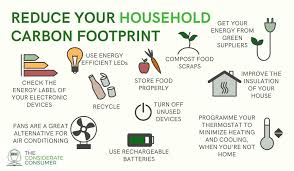
Step 1: Awareness. Notice which appliances run most. Track your energy bill.
Step 2: Small Habits. Unplug unused chargers. Use lids on pots.
Step 3: Usage Optimization. Run full dishwashers. Use air dry. Scrape food, don’t rinse.
Step 4: Maintenance. Clean fridge coils. Check door seals.
Step 5: Smart Upgrades. When replacing, choose ENERGY STAR models.
Step 6: Continuous Improvement. Regularly review your habits and bill.
Frequently Asked Questions About Kitchen Appliance Energy Savings
How much energy does a refrigerator actually use?
A typical refrigerator can use between 400 and 2,000 kWh per year. Older models use much more. ENERGY STAR certified models use significantly less, often saving you money on your electricity bill.
Is it cheaper to use the oven or the microwave?
For small portions or quick heating, a microwave is usually more energy-efficient. For larger meals or longer cooking times, an oven might be necessary. However, convection ovens cook faster, potentially saving energy compared to a standard oven.
Does unplugging appliances make a big difference?
Yes, it can. Standby power, often called “vampire power,” from devices plugged in but not in use can account for 5-10% of your home’s electricity use. Unplugging or using smart power strips helps reduce this waste.
What is the most energy-efficient way to wash dishes?
The most efficient way is to run a full load in an ENERGY STAR certified dishwasher and select the air-dry option instead of heated dry. Scraping food scraps, rather than pre-rinsing, also saves water and energy.
How often should I clean my refrigerator coils?
It’s recommended to clean refrigerator condenser coils at least twice a year, or more often if you have pets that shed. Dust buildup makes the refrigerator work harder and use more energy.
Are induction cooktops really more energy-efficient?
Yes, induction cooktops are very energy-efficient. They heat the pan directly using magnetic fields, with very little heat loss to the surrounding air. They also heat up much faster than traditional electric or gas cooktops.
Final Thoughts on Saving Energy in the Kitchen
Achieving better kitchen appliance energy savings is about a mix of smart choices and consistent habits. You don’t need to overhaul everything overnight. Start with one or two changes and build from there.
Your efforts today will lead to a lower bill and a more efficient home tomorrow.

Leave a Reply