
Understanding your electricity usage is the first step to lowering your bills. Many factors contribute, from your appliances to your home’s insulation. By making informed choices and small adjustments, you can see a real difference. This guide will walk you through easy, effective methods to manage your energy costs.
What Is Making My Electricity Bill So High?
Several things can drive up your electricity costs. The biggest culprits are often the appliances you use every day. Things like refrigerators, air conditioners, and electric dryers use a lot of power.
Older models tend to be much less efficient. Heating and cooling your home is also a major factor. If your house isn’t well-insulated, warm air can escape in winter, and cool air can escape in summer.
This makes your system work harder and use more energy. Lighting is another area. Even small lights left on can add up over time.
Finally, how you use electronics matters. Devices that are always plugged in, even when turned off, can still draw power. This is called “vampire load.”
My Own Bill Shock Moment
I remember one summer, a few years back. It was brutally hot here in the Midwest. My air conditioner was running almost constantly.
I was trying to stay cool, but I dreaded opening that bill. When it arrived, I nearly dropped it. It was almost double what I usually paid!
I felt a wave of panic. How could I afford this? I started looking around my house.
I realized my old window AC unit in the spare bedroom was ancient. It was probably working twice as hard as it needed to. That night, I made a promise to myself to get smarter about energy.
That feeling of helplessness is what inspired me to learn all I could about saving power.
Energy Saving Quick Wins
Shorten Shower Times: Using less hot water means your water heater works less. This saves electricity.
Unplug Chargers: Phone chargers and other small power adapters use energy even when not charging a device.
Air Dry Clothes: Skip the dryer when you can. Hang clothes on a line or a rack.
Seal Drafts: Check windows and doors for air leaks. Use weatherstripping to seal them up.
Where Your Energy Money Goes
Think of your home as a system. Each part uses energy. Your appliances are like the workhorses.
The refrigerator runs 24/7. The washing machine and dryer use a burst of power for each load. Water heaters often consume a lot of electricity.
Lights, of course, add up. Even small electronics like TVs, computers, and game consoles use power when they’re on standby. The structure of your home itself plays a big role.
Walls, windows, and the roof keep the outside out. If they don’t do a good job, your heating and cooling systems have to work overtime. This is why energy efficiency is so important for saving money.
Common Energy Hogs in the Home
Let’s break down the usual suspects. Your HVAC system (heating, ventilation, and air conditioning) is usually the biggest user. It can account for nearly half of your home’s energy use.
Refrigerators and freezers are next. They are always on, keeping your food cold. Clothes dryers are power-hungry machines.
Electric water heaters use a lot of energy to keep your water hot. Then there are smaller items like incandescent light bulbs. They waste a lot of energy as heat.
Old, inefficient electronics also add to the total. Even things like pool pumps or electric garage door openers can be significant users.
Appliance Efficiency Ratings
ENERGY STAR: Look for the ENERGY STAR label. This means a product meets strict energy efficiency guidelines set by the U.S. Environmental Protection Agency.
EnergyGuide Labels: These yellow tags are on many appliances. They show estimated yearly energy use and cost. Compare these labels before you buy.
Smart Habits for Lower Bills
It’s not just about buying new things. Your daily habits make a huge difference. Simple actions can lead to big savings over time.
Think about how you use energy. Do you leave lights on in empty rooms? Do you run your dishwasher only when it’s full?
These are easy fixes. Making conscious choices every day adds up. It’s about building awareness of your energy use.
Most people don’t think about it until the bill arrives. But by being proactive, you can change your energy story. It truly empowers you to take control of your spending.
Quick Scan: Daily Energy Savers
| Action | Benefit | Effort |
| Turn off lights when leaving a room | Reduces lighting costs | Very Low |
| Unplug unused electronics | Eliminates vampire load | Low |
| Use cold water for laundry | Saves water heating energy | Low |
| Adjust thermostat by a few degrees | Cuts HVAC costs significantly | Low |
Understanding Your Home’s Insulation
Insulation is like a warm blanket for your house. It keeps heat in during the cold months and out during the hot months. Good insulation in your attic, walls, and crawl spaces is key.
It means your heating and cooling systems don’t have to work as hard. This saves a lot of energy. If your home feels drafty or you have uneven temperatures between rooms, your insulation might be lacking.
Adding more insulation is one of the best investments you can make for long-term energy savings. It keeps your home comfortable and your bills lower.
Lighting: The Easy Switch
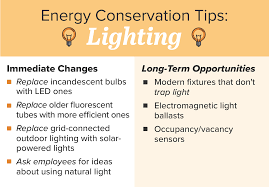
Lighting is a surprisingly large part of many electricity bills. If you’re still using old incandescent bulbs, switching to LED bulbs is a no-brainer. LEDs use up to 80% less energy.
They also last much longer, so you save money on replacements too. Make it a habit to turn off lights when you leave a room. Use natural daylight as much as possible.
Consider dimmers or motion sensors for areas where you don’t need bright light all the time. These simple steps can reduce your lighting energy costs significantly.
Myth vs. Reality: Lighting
Myth: All light bulbs use about the same amount of energy.
Reality: Incandescent bulbs are very inefficient. They waste most of their energy as heat. LED bulbs are highly efficient and use far less electricity.
Myth: Turning lights on and off frequently wears them out faster.
Reality: This is true for old incandescent bulbs. However, modern LED bulbs are designed for frequent on-off cycles and are not affected.
Appliance Upgrades That Pay Off
When it’s time to replace an old appliance, think about energy efficiency. Look for the ENERGY STAR label. These appliances are designed to use less energy than standard models.
This might mean a slightly higher upfront cost, but the savings on your electricity bill over the life of the appliance will make up for it. Refrigerators, washing machines, and dryers are good candidates for upgrades. Newer models often have advanced features that further reduce energy consumption.
It’s an investment that benefits both your wallet and the environment.
The Role of Thermostats
Your thermostat controls your heating and cooling. Adjusting it even a few degrees can make a big difference. In winter, try setting it a few degrees lower when you’re asleep or away from home.
In summer, set it a few degrees higher. Programmable or smart thermostats can do this automatically for you. They learn your habits and adjust the temperature accordingly.
This ensures comfort when you need it but saves energy when you don’t. It’s one of the easiest ways to cut down on HVAC costs, which are often the largest part of your bill.
Smart Thermostat Benefits
Automatic Scheduling: Set it and forget it. Your home heats and cools efficiently without constant manual adjustments.
Remote Control: Many smart thermostats let you adjust settings from your phone, even when you’re not home.
Energy Reports: Some devices provide insights into your energy usage patterns, helping you find more savings.
Demand Response Programs: Some utility companies offer incentives for smart thermostats that can help manage grid load during peak times.
Reducing Vampire Power Draw
Vampire power is the energy devices consume when they are plugged in but not actively in use. This includes chargers, TVs on standby, computers, and game consoles. While each device uses a small amount, many devices plugged in all the time can add up to a noticeable amount on your bill.
Unplugging electronics when they are not in use is the simplest way to combat this. Using power strips with an on/off switch makes it easier to turn off multiple devices at once. Smart power strips can even automatically cut power to devices when they detect they are not being used.
Water Heating Efficiency
Heating water is another significant energy user in most homes. If you have an electric water heater, look at its temperature setting. Most are set higher than necessary.
Lowering the thermostat to 120 degrees Fahrenheit is usually sufficient for most needs and can save a lot of energy. Insulating your water heater tank and the hot water pipes can also help prevent heat loss. Consider using low-flow showerheads and faucets.
They reduce the amount of hot water you use, which means your water heater works less. Washing clothes in cold water also makes a big impact here.
Water Heater Temperature Check
Recommended Setting: 120°F (49°C)
Why Lower It: Saves energy, reduces risk of scalding.
How to Check: Consult your water heater’s manual or look for a dial on the unit.
Caution: Extremely low temperatures might increase the risk of bacterial growth. 120°F is generally considered safe and efficient.
Sealing Air Leaks
Drafts around windows, doors, electrical outlets, and plumbing penetrations let conditioned air escape. This forces your heating and cooling systems to work harder to maintain the desired temperature. You can feel drafts by holding your hand near these areas on a windy day.
Common fixes include using caulk to seal small cracks and gaps. For larger gaps around doors and windows, weatherstripping is effective. This is a very cost-effective way to improve your home’s energy efficiency.
The U.S. Department of Energy suggests that air leaks can account for a significant percentage of home energy loss.
When to Call the Professionals
Sometimes, simple DIY fixes aren’t enough. If you suspect major insulation problems or significant air leaks, it might be time to consult a professional. An energy auditor can assess your home’s overall efficiency.
They can identify areas where you’re losing the most energy. They may use special equipment like infrared cameras. This can reveal hidden insulation gaps or air leaks.
Based on their findings, they can provide recommendations for improvements. These could include adding insulation, sealing ducts, or upgrading windows. While these can be bigger projects, they often offer substantial long-term savings.
Monitoring Your Usage
Many utility companies now offer online tools or smart meter data that let you track your energy usage. Seeing your daily or hourly consumption can be eye-opening. You can identify patterns.
For example, you might see a spike in usage during a particular time of day or when certain appliances are running. This information is powerful. It helps you pinpoint where your energy is going.
You can then make targeted changes to reduce consumption in those specific areas. Some programs even offer incentives for reducing energy use during peak demand hours.
Understanding Your Bill
Billing Cycle: Most bills cover a one-month period.
Usage: Shows how many kilowatt-hours (kWh) you used.
Rates: The cost per kWh can vary based on your plan and time of use.
Fees: Additional charges for service, taxes, or other regulatory costs.
Compare: Look at past bills to see trends and measure the impact of your savings efforts.
Maximizing Window Efficiency
Windows are often a weak point for insulation. Old, single-pane windows can lose a lot of heat in winter and gain heat in summer. Upgrading to double or triple-pane windows with Low-E coatings can make a big difference.
Even if new windows aren’t in the budget, there are simpler solutions. Using heavy curtains or blinds can help insulate your windows. Close them during hot sunny days to block heat.
Open them on sunny winter days to let in free solar warmth. Applying window film can also reduce heat transfer. Ensure windows are properly sealed to prevent drafts.
The Impact of Home Size and Layout
Naturally, larger homes tend to use more energy than smaller ones. Heating and cooling a bigger space requires more power. The layout of your home also plays a role.
Open floor plans might be harder to heat or cool efficiently. Older homes may not have the same level of insulation as newer constructions. Understanding the unique characteristics of your home can help you identify specific areas for energy savings.
It’s about working with what you have to make it as efficient as possible. Even small improvements in older homes can lead to significant bill reductions.
Seasonal Energy Saving Tips
Energy use often changes with the seasons. In the summer, focus on cooling efficiency. Keep blinds closed during the day to block sun.
Use fans to circulate air and feel cooler. Run heat-generating appliances like ovens and dryers at cooler times of the day. In the winter, focus on heating efficiency.
Ensure your heating system is well-maintained. Seal any air leaks. Use programmable thermostats to lower temps when you’re away or sleeping.
Open south-facing curtains during the day for solar heat. Close them at night to keep heat in.
Seasonal Checklist:
Summer:
- Use fans
- Block direct sun
- Run appliances at night
Winter:
- Seal drafts
- Use curtains wisely
- Lower thermostat overnight
Energy-Efficient Cooking
The way you cook can also impact your energy bill. Using smaller appliances like microwaves, toaster ovens, or slow cookers can be more energy-efficient than using a large oven for smaller meals. If you do use your oven, avoid opening the door unnecessarily, as this releases a lot of heat.
Try to cook multiple items at once if possible. Using lids on pots and pans when cooking on the stovetop helps food cook faster, using less energy. And remember, electric stoves and ovens use more energy than gas ones.
Laundry Room Efficiency
Your washing machine and dryer can be major energy users. For the washer, using cold water is the biggest saver. Most detergents work well in cold water today.
Always wash full loads to make the most of the machine’s energy use. For the dryer, clean the lint filter after every load. A clogged filter makes the dryer work harder and longer.
Try to dry similar fabrics together. Heavy items like towels take longer to dry than lighter clothes. Consider line drying clothes when weather permits.
It’s free and good for your clothes!
Laundry Tips Recap
Washing:
- Use cold water setting
- Wash full loads
- Choose efficient wash cycles
Drying:
- Clean lint filter every time
- Dry similar fabrics together
- Air dry when possible
When to Consider a Home Energy Audit
If you’ve tried several energy-saving tips and your bills are still higher than you expect, a professional home energy audit can be very helpful. An auditor will inspect your home for energy loss points. They might use tools like blower doors to measure air leakage or thermal cameras to find insulation gaps.
They can identify specific problems that are costing you money. The audit report will give you a prioritized list of recommendations. This helps you focus your efforts and budget on the most impactful improvements.
It’s a comprehensive way to understand your home’s energy performance.
What This Means for Your Household Budget
Lowering your electricity bill isn’t just about saving money. It frees up funds for other things. Maybe it means more money for savings, hobbies, or family activities.
It also means your home is more comfortable. By improving insulation and sealing leaks, you can reduce drafts and hot or cold spots. This creates a more pleasant living environment for everyone.
In a way, it’s an investment in your home’s comfort and your financial well-being. Every bit of energy you save is money staying in your pocket.
When Energy Use Is “Normal”
It’s important to know that some energy use is necessary. Lights need to be on for visibility. Refrigerators need to run to keep food safe.
Heating and cooling are essential for comfort and health in many climates. “Normal” usage depends on many factors: the size of your home, the number of occupants, the climate you live in, and the types of appliances you use. The goal isn’t to eliminate electricity use entirely, but to use it wisely and efficiently.
Understanding your baseline usage from past bills is a good starting point.
When You Should Worry About Your Bill
You might want to worry if your bill suddenly jumps significantly without a clear reason. For example, if you haven’t changed your habits and there hasn’t been extreme weather, a sudden increase could signal a problem. It might be a malfunctioning appliance or an issue with your HVAC system.
Also, if your bill is consistently higher than similar homes in your area, it’s worth investigating. Your utility company’s website or customer service can often provide comparisons or resources. Don’t ignore persistently high bills; they can indicate hidden inefficiencies.
Simple Checks You Can Do Yourself
There are many easy checks you can do at home. Walk around your house and feel for drafts near windows, doors, and electrical outlets. Check your weatherstripping and caulk for damage.
Look at your light bulbs – are they old incandescent ones? Check the temperature setting on your water heater. Make sure it’s at 120°F.
Ensure your refrigerator and freezer doors seal tightly. You can test this by closing the door on a piece of paper; if it pulls out easily, the seal might be weak. Clean the lint filter in your dryer.
These simple tasks can help identify areas for improvement.
Quick Fixes and Gentle Guidance
The best “fixes” are often small habit changes. Turning off lights is the easiest. Unplugging chargers when not in use is another.
Using a smart power strip for entertainment centers or home offices can make it simple to cut vampire power. Adjusting your thermostat by a few degrees makes a real difference. If you can, air dry some of your laundry.
Consider switching to LED bulbs when old ones burn out. These aren’t complex repairs; they are thoughtful adjustments to your daily routine. They are gentle on your schedule and your wallet.
Frequently Asked Questions
How much can I realistically save on my electricity bill?
The amount you can save varies greatly. Simple habit changes and using efficient lighting might save you 5-10% initially. Upgrading to ENERGY STAR appliances, improving insulation, and installing a smart thermostat could lead to 15-30% savings or more over time.
Consistent effort and smart investments pay off.
Is it better to use fans or air conditioning?
Fans use much less electricity than air conditioners. They circulate air and create a cooling effect. Using fans in conjunction with your AC can allow you to set the thermostat a few degrees higher, saving energy.
Fans are best for personal cooling or when you’re in the room. AC cools the entire space.
How often should I replace my air filters?
You should check your HVAC air filter monthly and replace it every 1-3 months. A dirty filter makes your system work harder to push air through. This wastes energy and can cause system damage.
The exact frequency depends on your filter type and your home environment (pets, dust).
Do solar panels really lower my electricity bill?
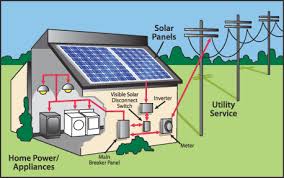
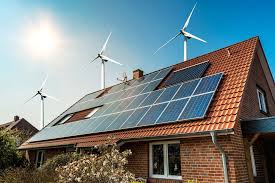
Yes, solar panels can significantly reduce or even eliminate your electricity bill by generating your own power. However, the upfront cost can be high. Your actual savings depend on your system size, your energy usage, sunlight levels, and local electricity rates.
Many homeowners find they pay for themselves over time through reduced bills.
What is “peak demand” and how does it affect my bill?
Peak demand refers to the times when electricity usage is highest across the grid, usually in the late afternoon/early evening. Some utility plans charge higher rates during these peak hours. Reducing your energy use during peak times can lower your overall bill, especially if you’re on a time-of-use rate plan.
Are older homes always more expensive to heat and cool?
Older homes can be, but not always. They often have less insulation and less efficient windows. However, a well-maintained older home with updated insulation and energy-efficient upgrades can perform as well as a newer home.
The key is addressing inefficiencies like air leaks and poor insulation.
Wrapping Up Your Energy Savings Journey
Lowering your electricity bill is achievable. It takes a little awareness and some consistent effort. Start with the simple changes, like turning off lights and unplugging devices.
Then, look at bigger steps like upgrading bulbs or adjusting your thermostat. Every small action contributes to bigger savings. You’ll not only save money but also make your home more comfortable and efficient.
Keep learning and adjusting your habits. You’ve got this!

Leave a Reply