
Living in an apartment doesn’t mean you can’t save big on your energy bills. It might feel like you have less control than homeowners. But small changes can make a huge difference. Let’s look at simple ways to cut down on energy use. You’ll save money and help the planet.
Apartment dwellers can significantly reduce energy costs and improve home comfort by focusing on insulation, smart appliance use, and mindful heating/cooling. Simple, actionable steps empower renters to take control of their energy consumption without major renovations.
Understanding Your Apartment’s Energy Use
Think about where your energy goes. Most apartment energy use comes from heating and cooling. Then comes lighting and appliances. Your hot water heater is another big one. Renters often have older windows and less insulation. This lets heat escape in winter. It also lets heat in during summer. This makes your heater or air conditioner work harder.
This means more wasted energy. It also means higher bills for you. Understanding these common issues is the first step. We can then find easy fixes.
My Apartment Energy Wake-Up Call
I remember my first apartment. It was a cozy place, but the heating bill in January made my eyes water. I’d come home, and the air felt cold and damp. My old radiators clanked and hissed, but the warmth never seemed to stay. I’d pile on sweaters, and my dog would still shiver next to me. I thought, “This is just how apartment living is.”
Then, I noticed my neighbor’s apartment. Their windows looked just like mine, but their curtains were thicker. They also seemed to manage their thermostat better. I started talking to them. They shared simple tricks they used. Things like draft stoppers and using fans smartly. It felt like a lightbulb went on. I realized I had power, even as a renter. I didn’t need to change the whole building. I just needed to change my habits. It wasn’t long before I saw a change on my own utility bill. It felt good to have more control.
Smart Ways to Seal the Leaks
Stop Drafts Like a Pro
Drafts are sneaky energy thieves.
They let conditioned air out. They let outside air in.
- Door Sweeps: Add a strip to the bottom of your entry door. This blocks air from coming under.
- Window Seals: Use temporary caulk or weatherstripping. This helps seal gaps around window frames.
- Outlet Gaskets: Install foam gaskets behind electrical outlet covers. This stops air leaks through walls.
Windows are often big culprits for drafts. Old windows might have gaps. Even new ones can have leaks. You can add temporary caulk or weatherstripping. This is usually easy to remove when you move. It makes a big difference in keeping your apartment warm in winter. It also keeps it cool in summer.
Think about your doors too. The gap under your apartment door lets out warm air. You can buy a fabric draft stopper. These are filled with sand or beads. You just place them along the bottom of the door. It’s a simple, cheap fix. It stops that cold air from creeping in.
Heating and Cooling Wisely
Your Thermostat is Your Friend
Controlling your apartment’s temperature saves money.
Don’t overheat or overcool.
- Set it Smartly: Lower the heat a few degrees at night. Raise the AC a few degrees when you’re out.
- Smart Thermostats: If allowed, a programmable thermostat helps. It adjusts temps automatically.
- Fans Help: Use ceiling fans or portable fans. They move air. This can make you feel cooler. It lets you set the AC higher.
Your thermostat is your main tool for comfort and savings. During winter, try lowering the temperature when you sleep. Or when you’re away from home. Even a few degrees can save a lot of energy. Then, when you wake up or come home, turn it back up.
In the summer, do the same with your air conditioner. If you have a ceiling fan, use it. Fans create a breeze. This makes the air feel cooler. You can then set your thermostat a few degrees higher. This uses much less energy. Make sure fans are set to blow air down in summer.
Lighting That Saves
Bright Ideas for Less Power
Lights use energy, even when they’re off sometimes.
Switching bulbs is a big step.
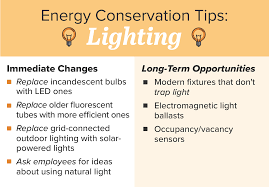
- LED Bulbs: Replace old incandescent bulbs. Use LED bulbs instead. They use far less power. They last much longer too.
- Natural Light: Open your blinds and curtains. Use daylight as much as possible.
- Turn Them Off: Get in the habit of turning lights off. Turn them off when you leave a room.
Lighting is an easy area to save. Old light bulbs use a lot of energy. They also get very hot. Switching to LED bulbs is one of the best things you can do. LEDs use up to 80% less energy. They also last much longer. This means you buy fewer bulbs.
Always turn off lights when you leave a room. It sounds simple, but many people forget. If you have a room with a lot of natural light, use it. Open blinds during the day. Let the sun do the work.
Appliance Smarts for Renters
Using Appliances Wisely
Your appliances can be energy hogs if not used right.
Small changes make a difference.
- Full Loads: Run your dishwasher and washing machine only when they are full.
- Cold Water Wash: Wash clothes in cold water. Most detergents work well in cold water now.
- Unplug When Done: Many electronics use ‘phantom power’ when plugged in. Unplug them or use a power strip.
- Fridge Check: Make sure your refrigerator door seals are tight. Check for leaks.
Your refrigerator is always on. So, it uses a lot of power. Make sure its door seals are tight. You can test this by closing the door on a piece of paper. If you can pull the paper out easily, the seal might be bad. This means your fridge works harder.
When you do laundry, use cold water. Heating water for washing clothes uses a lot of energy. Most modern detergents work great in cold water. Always run your washing machine and dishwasher with a full load. This is more efficient than running them half empty.
Think about electronics too. TVs, game consoles, and chargers use power even when off. This is called phantom load. Plug these devices into a power strip. Then, turn off the strip when you’re not using them. It’s an easy way to stop wasted energy.
Window Treatments That Work
Better Blinds, Better Bills
Your windows let heat in and out.
Window coverings help a lot.
- Insulated Curtains: Thick curtains help. They keep heat out in summer. They keep heat in during winter.
- Close Them Up: In summer, close curtains during the day. This blocks the sun’s heat.
- Open in Winter: In winter, open curtains during the day. Let the sun warm your apartment. Close them at night.
Window treatments can be a renter’s best friend. Thick, insulated curtains can make a big difference. In the summer, close them during the hottest parts of the day. This stops the sun from heating up your apartment. This means your air conditioner doesn’t have to work as hard.
In the winter, do the opposite. Open your curtains during sunny days. Let the natural sunlight warm your rooms. Then, close them at night. This helps trap the heat inside. It keeps your apartment cozier. It reduces the need for extra heating.
Hot Water Savings
Water Heater Wisdom
Hot water heating is a major energy user.
Simple steps can cut costs.
- Shorter Showers: Take shorter showers. This uses less hot water.
- Lower Thermostat: If you can access the water heater, lower its thermostat. A setting of 120°F is usually safe and efficient.
- Fix Leaks: Fix any leaky faucets. A dripping hot water faucet wastes both water and energy.
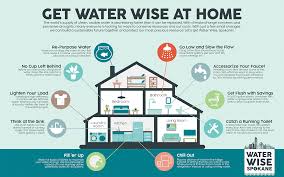
Hot water is another big energy expense. Heating water uses a lot of electricity or gas. One of the easiest ways to save is by taking shorter showers. Aim to cut a few minutes off your shower time. This adds up quickly.
If you have access to your apartment building’s main water heater, and if it’s safe and allowed, you might be able to adjust its temperature. A setting of 120°F is often recommended. It’s hot enough for most needs. It also saves energy compared to higher settings. Always check with your landlord or building management first.
Also, fix any dripping faucets. A hot water faucet that drips constantly wastes a surprising amount of energy. And water.
Cooking Efficiently
Kitchen Energy Hacks
Cooking can use a lot of energy.
Smart cooking saves power.
- Use Lids: Always use lids when cooking on the stovetop. This cooks food faster. It uses less energy.
- Match Pan Size: Match the size of your pot or pan to the burner. A small pan on a large burner wastes heat.
- Oven Smarts: Use your microwave or toaster oven. They use less energy than a full-size oven.
- Don’t Peek: Avoid opening the oven door often. Each time you open it, heat escapes.
Your cooking methods matter. When using the stovetop, always use lids. This traps heat. Food cooks faster. This means less time the burner is on. Match the size of your pot or pan to the burner. A small pot on a big burner wastes heat.
For smaller meals, try using a microwave or toaster oven. They use less energy than a full-size oven. If you must use the oven, try to cook multiple things at once. And try not to open the oven door too often. Each time you open it, the temperature drops. Your oven then has to use more energy to heat back up.
Maximizing Natural Ventilation
Catching the Breeze
Let nature cool your apartment.
Use windows and fans smartly.
- Cross-Ventilation: Open windows on opposite sides of your apartment. This creates a nice airflow.
- Morning/Evening Cool: Open windows at night and in the early morning. This lets cool air in. Close them during the day.
- Fan Placement: Place fans to help move air. A fan in a window can pull cool air in.
When the weather is nice, use natural ventilation. Open windows on opposite sides of your apartment. This creates a cross-breeze. It helps cool your space without using electricity. This is often called a natural air conditioner.
The best times to do this are in the morning and evening. Let the cool air in when it’s available. Then, close your windows and blinds during the hottest part of the day. This traps the cooler air inside. It keeps your apartment from heating up too quickly.
When It’s Normal and When to Worry
Reading Your Apartment’s Energy Signals
Not every energy surge is a problem.
Know what to look for.
- Normal: Higher bills in peak seasons (summer heat, winter cold) are normal. Increased use of fans or heaters is expected.
- Concerning: Sudden spikes in bills with no change in habits. Drafts you can feel strongly. Ice forming on windows. Appliances making strange noises.
- What to Check: Feel for drafts. Listen to appliances. Look at your meter usage over time.
It’s normal for your energy bill to go up in hot or cold weather. That’s when you use your heating and cooling systems more. It’s also normal for your bill to be higher if you have guests. Or if you use more appliances.
What’s not normal? A bill that suddenly doubles without reason. Or feeling cold air drafts coming from seemingly nowhere. If your windows are constantly covered in frost in winter. Or if your refrigerator or freezer feels warmer than it should. These could be signs of a bigger problem. Sometimes, these issues are the building’s responsibility. It’s good to note them.
Quick Tips for Apartment Energy Savings
Here are some simple things you can do right now.
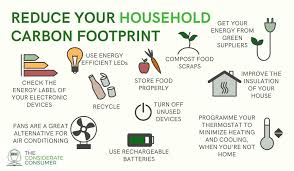
- Turn off lights when you leave a room.
- Use natural light whenever possible.
- Switch to LED light bulbs.
- Unplug electronics when not in use.
- Use power strips to manage electronics.
- Wash clothes in cold water.
- Run washing machines and dishwashers only when full.
- Take shorter showers.
- Use lids when cooking on the stove.
- Close blinds during the day in summer.
- Open curtains during the day in winter on sunny days.
- Use fans to help circulate air.
Frequently Asked Questions
Can I make my apartment more energy efficient as a renter?
Yes, absolutely! While you can’t make major changes like replacing windows, there are many things you can do. Focus on sealing drafts, using lighting efficiently, smart appliance use, and smart heating/cooling habits.
These small steps have a big impact.
What is phantom load and how do I stop it?
Phantom load, or vampire power, is the energy devices use when they are plugged in but turned off. Think of chargers, TVs, and computers. To stop it, unplug devices when not in use.
Or, plug them into a power strip and turn off the strip.
How much can I expect to save on my energy bill?
Savings vary greatly. It depends on your apartment’s size, insulation, the climate, and how much you implement these tips. Many people see a reduction of 10-20% or more.
Consistent habits lead to the best savings over time.
Are draft stoppers for doors effective?
Yes, draft stoppers are very effective. They are simple fabric tubes filled with material. You place them along the bottom of doors to block air from coming under.
They are a cheap and easy way to stop a significant energy leak.
What kind of light bulbs are best for saving energy?
LED (Light Emitting Diode) bulbs are the best. They use much less energy than old incandescent bulbs. They also last many years longer.
This saves you money on both electricity and replacement bulbs.
Should I adjust my thermostat myself, or is that my landlord’s job?
Generally, if you have your own thermostat, you can adjust it. However, if the heating or cooling system is a central one for the building, your landlord or building management controls it. Always check your lease or ask your landlord if you’re unsure about what you can control.
Final Thoughts on Apartment Energy Savings
Saving energy in an apartment is very possible. It just takes a little know-how and some effort. You can make your home more comfortable. You can also cut down your monthly expenses. Start with a few tips today. You’ll see the difference. Your wallet and the planet will thank you.
Leave a Reply