
Energy bill comparison tools help you understand your current energy usage, compare different electricity and gas plans from various providers, and identify potential savings based on your consumption patterns. They simplify the process of finding a more affordable or suitable energy plan for your home.
Understanding Your Energy Bill
Your energy bill shows how much electricity or gas you used. It also lists the cost for that usage. But it can have many lines and charges.
Some are for the energy itself. Others are for delivery or fees. It’s important to know what each part means.
Knowing the difference between your usage charges and delivery charges is key. Usage charges are for the power or gas you consumed. Delivery charges cover the cost of the power lines and pipes.
They also include maintenance and grid upkeep. Reading your bill carefully helps a lot.
Look for the kilowatt-hour (kWh) amount for electricity. For gas, it might be therms or cubic feet. This is your actual usage.
Your bill often shows usage for a whole month. It might also show usage from the previous month for comparison.
There are also fixed charges. These are billed each month no matter how much you use. Think of them as a base fee.
Sometimes there are taxes and regulatory fees too. These vary by state and local rules.
Why Compare Energy Bills?
You might wonder why you should bother comparing. The main reason is saving money. Energy prices can change a lot.
Different companies offer different rates. What you pay now might not be the best rate available. This is especially true if you live in a deregulated energy market.
In these markets, you can choose your electricity or gas supplier. Your local utility company might still deliver the power. But you can pick who supplies it.
This competition helps keep prices down. Comparison tools help you see these options clearly.
Besides cost, you might want different features. Some plans offer renewable energy sources. Others might have fixed rates for a set time.
This means your price won’t change for 12 or 24 months. This predictability can be very helpful.
Comparing also helps you understand your usage better. Many tools break down your costs. They show you when you use the most energy.
This knowledge can help you change habits. You can then reduce your usage and save even more.
I remember a time when I moved into a new apartment. My first energy bill was way higher than I expected. I was shocked.
I had always lived in places where rates were set. I didn’t know I could choose my supplier. I spent hours looking at online forums.
People were talking about different companies. It was confusing. That’s when I found out about comparison tools.
They made it so much easier.
Key Numbers on Your Bill
Usage Amount: How much you used (kWh for electricity, therms for gas).
Price Per Unit: The cost for each kWh or therm.
Delivery Charges: Fees for getting the energy to your home.
Supplier Charge: What the company you chose charges for the energy itself.
Total Amount Due: The final price you need to pay.
How Energy Bill Comparison Tools Work
These tools are designed to be simple. You usually start by entering some basic information. This might include your ZIP code.
This helps the tool find plans available in your area. It also shows you which utility company delivers your energy.
Next, you might input details from a past energy bill. This is often the most helpful step. The tool uses this data to estimate your yearly energy costs.
It looks at your usage history. Then it applies current rates from different suppliers.
The tool then shows you a list of available plans. Each plan will have details like:
- Rate per kWh or therm: This is the main cost.
- Contract Length: How long the rate is guaranteed.
- Monthly Fees: Any fixed charges from the supplier.
- Early Termination Fees: What you pay if you break the contract early.
- Renewable Energy Content: If the plan uses green sources.
Most tools allow you to sort and filter these plans. You can sort by lowest price. You can also filter by contract length or renewable energy percentage.
This helps you find the best fit for your needs.
Some tools even connect directly to your utility account. This gives them precise usage data. It makes the comparison even more accurate.
They can then show you a projected monthly saving. It’s like having a personal energy advisor.
I found a tool that let me upload a PDF of my bill. It read all the numbers automatically. Then it showed me three different plans.
One had a slightly higher rate but a 24-month fixed term. Another had a lower introductory rate but went up after six months. It made the choice clear.
I picked the one that offered stability. It was a huge relief.
Choosing the Right Plan
Consider your habits: Are you home a lot? Do you use a lot of power at certain times?
Check contract terms: Understand the length and any fees.
Look at renewable options: If you care about the environment, find green plans.
Read reviews: See what other customers say about the supplier.
Types of Energy Plans
Energy suppliers offer many types of plans. Understanding them helps you choose wisely. Here are a few common ones you’ll see:
Variable Rate Plans: The price per kWh or therm changes each month. This can be good if prices go down. But it can be risky if prices rise.
Your bill could jump unexpectedly.
Fixed Rate Plans: The price per kWh or therm stays the same for the entire contract term. This offers great predictability. You know exactly what you’ll pay for energy, regardless of market changes.
These are often preferred by people who like stability.
Tiered Rate Plans: The price you pay depends on how much you use. You might pay one rate for the first 500 kWh. Then, you pay a different, perhaps higher, rate for usage above that.
These can encourage conservation.
Time-of-Use (TOU) Plans: These plans charge different rates depending on the time of day. Power is usually cheaper during off-peak hours (like overnight). It’s more expensive during peak hours (when everyone is using it, like evenings).
Prepaid Plans: You pay for your energy in advance. You load money onto an account. As you use energy, the cost is deducted.
When your balance gets low, you get a notification to add more funds. This can help control spending.
Green Energy Plans: These plans source electricity from renewable sources like solar and wind. They often have a slightly higher cost. But they support cleaner energy production.
The percentage of renewable energy can vary.
I once signed up for a plan that seemed good. It had a very low introductory rate. But it was a variable plan.
The first three months were great. Then, the summer heat hit. Everyone cranked up their air conditioners.
Prices soared. My bill doubled. I learned my lesson about variable rates then.
Now I always look for fixed rates.
When Are Energy Prices Lowest?
Seasonally: Prices can fluctuate with the seasons. In some areas, demand for heating in winter or cooling in summer drives prices up.
Time of Day: For Time-of-Use plans, overnight hours are typically cheapest.
Market Conditions: Fuel costs and energy supply impact overall prices.
Popular Energy Bill Comparison Tools
There are many tools available. Some are run by government agencies. Others are private companies.
Here are a few types you might encounter:
Government-Sponsored Sites: Many states have official websites that list approved energy suppliers. These are often unbiased and trustworthy. They help you compare rates for your specific location.
Third-Party Comparison Websites: These sites partner with energy suppliers. They earn a commission when you sign up for a plan through them. Look for sites that are transparent about their partnerships.
They should clearly show all available options, not just ones they are paid to promote.
Utility Company Comparison Tools: Sometimes, your local utility company will offer tools. These might show you different plans available through them or their partners. They can be a good starting point.
When I first started comparing, I used a few different sites. It was helpful to see if they all listed the same plans. It also showed me if some sites missed certain providers.
I learned that not all tools are created equal. Some are more thorough than others.
One thing to watch out for is how these tools make money. Some might show you plans that give them higher commissions. This doesn’t mean the plans are bad.
But it’s good to be aware. Always try to cross-reference with other sources if you can.
A good comparison tool will ask for your ZIP code. It should also ask for your current utility provider. Then it will show you plans that are regulated for your area.
It should also let you filter by plan type. This is how you find the best deal for your specific situation.
Top Features to Look For
Location-Specific Plans: Only shows plans available in your ZIP code.
Usage Input: Allows you to enter past bill data or connect to your utility.
Clear Rate Information: Shows the price per unit and any extra fees.
Contract Details: Clearly states contract length and termination fees.
Customer Reviews: Links to or displays ratings for suppliers.
Factors Affecting Your Energy Bill
Beyond the price per unit, many things affect your final bill. Understanding these helps you manage costs better.
Weather: Extreme hot or cold weather is a big factor. In summer, air conditioners run more. In winter, heaters work harder.
This drastically increases usage. Even mild weather can change demand.
Home Size and Insulation: A larger home uses more energy to heat and cool. Poor insulation means heated or cooled air escapes. This forces your system to work overtime.
Older homes often have less efficient insulation.
Appliance Efficiency: Older appliances often use much more energy than newer, efficient models. Refrigerators, washing machines, and dryers are major energy users. Even small electronics can add up.
Thermostat Settings: How you set your thermostat has a direct impact. Setting it too high in summer or too low in winter wastes energy. Smart thermostats can help manage this automatically.
Your Habits: Simple things like leaving lights on, running the dishwasher when it’s not full, or taking long showers all add to energy use. Small changes can make a difference.
I noticed my heating bill was always high in winter. My house is older. I learned that my attic insulation was very thin.
After I added more insulation, the difference was huge. My furnace didn’t have to run as much. It was a bit of an upfront cost.
But it saved me money every month. It was a clear example of how home factors matter.
Another thing I learned is about phantom load. This is energy used by electronics even when they are “off.” Things like TVs, computers, and chargers still draw power. Unplugging them or using smart power strips can help.
It’s a small detail that adds up over a year.
Energy Saving Tips
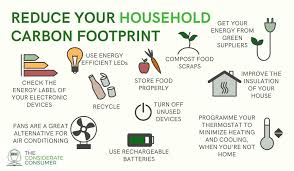
Seal Air Leaks: Caulk around windows and doors. Use weatherstripping.
Upgrade Appliances: Look for the ENERGY STAR label on new appliances.
Use a Programmable Thermostat: Set it lower when you’re away or asleep.
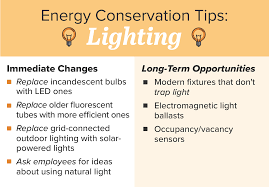
Switch to LED Bulbs: They use much less energy than old incandescent bulbs.
Unplug Electronics: Or use power strips that you can turn off.
When to Worry About Your Energy Bill
Most of the time, your energy bill will be predictable. There are times, however, when a spike or change signals a problem. Here’s when you might want to investigate further.
Sudden, Large Spikes: If your bill suddenly jumps by a huge amount for no clear reason (like extreme weather), it’s worth looking into. It could be a meter reading error or a leaky appliance.
Bills That Don’t Match Usage: Sometimes the usage numbers on your bill seem wrong. If you used less energy than last month but the bill is higher, check the details. Was the price per unit much higher?
Consistently High Bills: If your bills are always higher than your neighbors’ for a similar-sized home, there might be an efficiency issue. This could be insulation, old windows, or inefficient systems.
Unexpected Fees: Make sure you understand all the charges. Sometimes new fees appear. If they aren’t explained, ask your provider.
I once received a bill that was double my usual amount. I hadn’t changed my habits. The weather was mild.
I called my utility company right away. They said there was a mistake in the estimated meter reading. They sent someone out to check the actual meter.
They corrected the bill. It showed me how important it is to call when something feels wrong.
It’s also important to check your contract. If your fixed rate plan is ending, the new rate might be much higher. Comparison tools can help you find a new plan before your old one expires.
This prevents unwanted price hikes.
Quick Checks for High Bills
Check Your Thermostat: Is it set too high or too low?
Look for Leaks: Feel for drafts around windows and doors.
Review Your Bill Carefully: Compare usage and rates to previous months.
Monitor Appliance Use: Are any appliances running unusually?
Using Comparison Tools Effectively
To get the most out of comparison tools, follow these tips:
Have Your Bill Ready: The more accurate information you can provide, the better the comparison. Your past bills are your best guide.
Know Your Usage: Look at your monthly kWh or therm usage. This is the most important number. Tools that use this data are more reliable.
Compare Apples to Apples: Make sure you are comparing plans with similar contract lengths and types. Don’t compare a 6-month fixed rate to a 24-month variable rate.
Read the Fine Print: Always check for hidden fees, early termination penalties, and how the rate might change after an introductory period.
Don’t Rush: Take your time to review the options. You don’t have to switch right away. Sometimes the best plan for you is staying with your current provider if their rate is competitive.
I used to just pick the cheapest looking plan. But then I realized some had short introductory rates. After a few months, the price would skyrocket.
Now, I always look for the total cost over the entire contract period. I also consider if I need that much price certainty.
Another thing I do is set a reminder for when my contract ends. A few months before it’s up, I start checking comparison sites again. This way, I can switch to a better rate before my current one expires.
It stops those surprise bill increases.
Your Comparison Checklist
- Your ZIP Code: Essential for finding local plans.
- Current Utility Provider: Helps narrow down options.
- Monthly Usage (kWh or Therms): Key for accurate cost estimates.
- Desired Contract Length: 6 months, 12 months, 24 months?
- Preference for Fixed vs. Variable Rates: What fits your risk tolerance?
- Interest in Green Energy: Do you want renewable sources?
The Future of Energy Bill Comparisons
Technology is always changing. Energy comparison tools are getting smarter. We might see more tools that use AI.
They could predict your future usage. They might even suggest ways to cut costs based on your lifestyle.
Integration with smart home devices could become common. Imagine your thermostat talking to your energy plan. It could automatically adjust usage to save money based on real-time prices.
This would take a lot of the guesswork out of it.
More transparency in pricing is also likely. As markets evolve, regulators want consumers to have clear, easy-to-understand options. This will help people make informed choices.
The goal is always to empower consumers. By providing easy access to information, these tools help people save money. They also help people make choices that align with their values, like supporting renewable energy.
Frequently Asked Questions about Energy Bill Comparison Tools
How do I know if my area has deregulated energy?
You can usually find this information on your state’s public utility commission website. Many energy comparison sites will also tell you if your area is deregulated when you enter your ZIP code.
Are energy comparison sites trustworthy?
Most are. Look for sites that are transparent about how they make money. Government-run sites are often the most unbiased.
Third-party sites are usually good if they show a wide range of options.
What’s the difference between a utility and an energy supplier?
Your utility company typically owns the power lines and pipes. They deliver the energy to your home and maintain the grid. An energy supplier sells you the electricity or gas.
In deregulated markets, you can choose your supplier independently of your utility.
Can switching energy suppliers affect my service?
No, your actual electricity or gas delivery service should not be affected. The utility company still maintains the infrastructure. Switching suppliers only changes who you buy your energy from.
What happens if I don’t pick a supplier in a deregulated market?
If you don’t choose a supplier, you will likely be placed on a default service plan. This is often provided by your local utility company. These rates can sometimes be higher than what you might find from competitive suppliers.
How often should I compare energy plans?
It’s a good idea to compare at least once a year, or when your current contract is nearing its end. Energy prices and available plans can change frequently.
Final Thoughts on Managing Your Energy Costs
Understanding your energy bill and using comparison tools can unlock real savings. It empowers you to make informed choices about your energy. Don’t let confusing bills stress you out.
Take a few minutes to explore your options. You might be surprised how much you can save.



Leave a Reply