
A home energy audit is a thorough inspection of your house. It finds out where energy is being wasted. This helps you make changes to save money and be more comfortable. You learn about your home’s unique needs.
Understanding Your Home’s Energy Habits
Think of your house as a system. Everything works together. When one part isn’t working right, it can affect the whole thing.
This is especially true for energy use. Your heating and cooling systems are big users of energy. But so are your lights, appliances, and even how well your home is sealed up.
A home energy audit looks at all these pieces. It doesn’t just guess. It uses tools and expert eyes to find the real issues.
This is important because many energy leaks are hard to see. You might not know your attic insulation is weak. Or maybe your windows have tiny gaps letting cold air in.
These small things add up over time. They make your furnace or AC work much harder than it needs to.
Why does this matter? For starters, it saves you money. Every bit of energy you waste is money you pay for nothing.
It also makes your home less comfortable. Drafty windows make rooms chilly. Poor insulation means hot spots in the summer.
An audit helps fix these comfort issues too. It also helps the environment. Using less energy means a smaller carbon footprint.
The goal of an audit is to give you a clear plan. You’ll know exactly what to fix. You’ll understand the cost and the savings.
This way, you can make smart choices for your home. You’ll be investing in efficiency and comfort. It’s about making your house work better for you.
My Experience with a Drafty Old House
I remember when I first bought my little bungalow. It was charming. It had character.
But oh, it had drafts. I noticed it right away. The windows looked a bit old.
In the winter, I could feel a faint, cool breeze even when they were closed tight. I’d stuff old towels at the bottom of doors. It felt like a constant battle to keep the heat in.
My first winter was brutal on my wallet. My heating bill was way higher than I expected. I started looking around.
I’d press my hand against the window frames. I’d walk around the baseboards. Sometimes I’d feel a slight puff of air.
But I couldn’t pinpoint everything. It was like a mystery I couldn’t solve. I felt a bit helpless, just paying the bills and shrugging.
One day, a friend suggested an energy audit. I was skeptical. Would someone really find anything new?
They came with special tools. One was a camera that showed heat escaping. It was amazing!
It looked like my house was sweating in places. The camera showed bright spots around my windows and doors. It also showed a huge cool spot on one of my ceiling walls.
That’s where the attic insulation was really thin. Seeing it with my own eyes was a wake-up call. I finally understood why my house felt so cold in spots.
That experience taught me a lot. It’s not about blame. It’s about understanding your home.
It’s about seeing the unseen problems. Once I saw the heat loss, I knew what to fix. It felt empowering.
I wasn’t just guessing anymore. I had facts. That audit was the best money I spent on my home that year.
Energy Audit: What to Expect
A professional energy audit usually involves several steps. They might start with a conversation about your home. You’ll talk about your energy bills.
Then, they’ll do a visual inspection. They’ll check insulation levels. They’ll look at windows and doors.
They might use special tools like a blower door. This test measures air leakage. They may also use an infrared camera.
This camera shows temperature differences. It helps spot heat loss. Finally, you’ll get a report.
It lists problems and suggests solutions. It often prioritizes what to fix first.
The Core Process: How an Audit Works
At its heart, an energy audit is about assessment. A trained professional comes to your home. They have specific tools and knowledge.
They don’t just look. They measure and test. This gives them data.
The data helps them understand your home’s energy performance.
One common tool is a blower door test. This machine attaches to an exterior door. It pulls air out of the house.
This creates a slight pressure difference. It makes outside air rush in through any cracks or leaks. The machine measures how much air is leaking.
This tells the auditor how leaky your home is overall. A very leaky house means lots of wasted energy.
Another key tool is an infrared camera. This camera sees heat. It can show you where heat is escaping in the winter.
It can also show where heat is entering in the summer. You might see bright spots around windows. Or maybe uneven colors in your walls or ceilings.
These spots indicate temperature differences. They usually mean poor insulation or air leaks.
Auditors also check your heating and cooling systems. They look at ductwork. Are there leaks there?
Are they insulated? They might check your water heater. They also assess your lighting and appliances.
They look at ventilation. Everything that uses energy or affects how energy is used gets a look.
After the inspection, you get a detailed report. This report is your roadmap. It lists specific problems found.
It might say, “Attic insulation is R-19, recommended R-49.” Or “Significant air leakage found around front door frame.” For each problem, the auditor suggests solutions. They often estimate the cost of the fix. They also estimate how much money you’ll save.
Some reports even tell you the payback period. This helps you decide which improvements to tackle first.
Key Tools Used in an Audit
Blower Door: Measures overall air leakage in your home.
Infrared Camera: Visualizes heat loss or gain.
Combustion Analyzer: Checks safety and efficiency of fuel-burning appliances.
Thermometer and Hygrometer: Measures temperature and humidity.
Real-World Scenarios and Energy Waste
Imagine a common situation: your basement. Many homes have unfinished basements. The rim joist area – where the foundation meets the wooden frame of your house – is often poorly sealed.
Cold air can sneak in here easily. This makes your floors feel cold upstairs. An auditor will use a caulk gun and spray foam to seal these gaps.
This small fix can make a big difference in comfort and energy bills.
Another common issue is ductwork. Heating and cooling ducts run through unconditioned spaces like attics or crawl spaces. If these ducts have holes or gaps, your heated or cooled air escapes before it even reaches your rooms.
That’s like running your AC but leaving a window open. An audit will identify these leaks. Sealing and insulating ducts is a major energy saver.
Think about your attic. Insulation is key here. It’s like a blanket for your house.
If the insulation is thin, old, or uneven, heat will escape in winter and enter in summer. Auditors measure the depth of your insulation. They’ll tell you if you need more.
Adding insulation is often one of the most cost-effective energy upgrades you can make.
Even simple things matter. Old light bulbs use more energy. Inefficient refrigerators or washing machines also add to your bill.
An audit might point out these opportunities for upgrades. While not always the biggest energy drain, these smaller changes add up. They contribute to overall efficiency and savings.
Contrast: Normal vs. Concerning Energy Patterns
| Normal Energy Patterns | Concerning Energy Patterns |
|---|---|
| Slight, expected seasonal changes in utility bills. | Sudden, large spikes in energy bills with no apparent reason. |
| Consistent temperatures throughout most rooms. | Rooms that are always much hotter or colder than others. |
| Comfortable humidity levels year-round. | Excessive condensation on windows or musty smells indicating humidity issues. |
| Appliances run quietly and efficiently. | Appliances making unusual noises or seeming to run constantly. |
What This Means for Homeowners
Understanding your home’s energy use isn’t just about numbers. It’s about making your home a better place to live. When your house is energy efficient, it’s more comfortable.
You won’t have those cold spots in winter or hot spots in summer. The temperature will be more consistent.
It also means fewer drafts. Drafts are not only uncomfortable, but they can also bring in dust and allergens. Sealing air leaks improves indoor air quality.
This is good for everyone, especially those with allergies or asthma.
The most direct benefit is financial. Saving energy means saving money. The recommendations from an energy audit are designed to pay for themselves over time.
You’ll see lower utility bills month after month. This frees up money for other things.
In terms of safety, an audit can also highlight potential issues. For example, if you have a gas furnace or water heater, an auditor can check for proper ventilation. This ensures carbon monoxide isn’t building up.
This is a crucial safety check that many homeowners overlook.
When should you worry? You should worry if your energy bills are unexpectedly high. You should worry if your home is consistently uncomfortable.
You should worry if you suspect drafts or poor insulation. These are signs your home is not performing well.
Simple checks you can do yourself include feeling for drafts around windows and doors. You can also look at your attic insulation level. Is it below the joists?
That’s a sign it’s too low. If you have a new, high energy bill, it’s a signal to investigate.
Quick Scan: Signs Your Home Needs an Audit
- High energy bills
- Uneven room temperatures
- Drafts felt near windows or doors
- Ice dams on roof edges
- Old or insufficient attic insulation
- Condensation on windows
- Stale or dusty indoor air
Quick Fixes and Tips for Energy Savings
While a full audit gives you a detailed plan, there are simple steps you can take right now. These can make a difference. They are also good starting points.
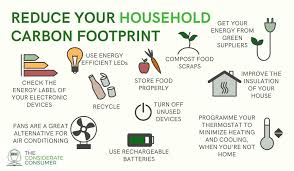
Seal air leaks: Use caulk and weatherstripping. Focus on gaps around windows, doors, and any penetrations into your home (like where pipes or wires come through walls). This is usually low-cost and high-impact.
Improve insulation: If your attic insulation is low, adding more is often a great investment. Check your local building codes or energy websites for recommended levels for your area. You can often add blown-in insulation yourself or hire a contractor.
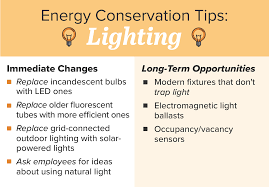
Upgrade lighting: Switch from old incandescent bulbs to LED bulbs. LEDs use much less energy. They also last a lot longer.
It’s a simple swap that saves money.
Maintain your HVAC system: Change your air filters regularly. This helps your furnace and air conditioner run more efficiently. Get your system professionally checked and tuned up once a year.
Manage thermostat use: Use a programmable or smart thermostat. Set it to lower the temperature when you’re asleep or away. This can significantly reduce heating and cooling costs.
Water heater tips: Lower your water heater temperature to 120°F. Insulate the tank if it feels warm to the touch. Also, insulate the first few feet of hot water pipes coming from the tank.
These are not a substitute for an audit. But they are smart habits. They help your home use less energy.
They also save you money. Many utility companies offer rebates for energy-efficient upgrades. Check with them to see what’s available.
Energy Saving Quick Wins
Label: Weatherstripping
Action: Apply to doors and windows to block drafts.
Label: LED Bulbs
Action: Replace old bulbs for big energy savings.
Label: Thermostat Setting
Action: Adjust by a few degrees when away or sleeping.
Label: Filter Change
Action: Clean or replace HVAC filters monthly.
Frequently Asked Questions About Home Energy Audits
What is the main goal of a home energy audit?
The main goal is to identify where your home is losing energy. It helps you understand why your energy bills are high. It provides a plan to improve efficiency and comfort.
How much does a home energy audit typically cost?
Costs can vary widely. Some professional audits might cost a few hundred dollars. Many utility companies offer free or low-cost audits.
Check with your local provider.
Can I do an energy audit myself?
You can do a basic DIY assessment. Look for drafts, check insulation, and review your bills. However, a professional audit uses specialized tools for more accurate results.
How long does a home energy audit take?
A typical professional audit takes about 2 to 4 hours. This depends on the size of your home and the auditor’s thoroughness.
What kind of report do I get after an audit?
You receive a detailed report. It lists recommended improvements. It often includes estimated costs and potential savings.
It may prioritize tasks.
Will an energy audit tell me I need a new furnace or AC?
It might. If your existing system is very old, inefficient, or not properly sized, the audit could recommend an upgrade. However, it often focuses on smaller fixes first.
Are there rebates or incentives for making audit recommendations?
Yes, often. Many utility companies and government programs offer rebates or tax credits for energy-efficient upgrades identified in an audit.
Conclusion: Investing in Your Home’s Future
Getting an energy audit is a smart move for any homeowner. It’s an investment in comfort, savings, and your home’s overall health. You gain valuable insights.
You get a clear path to a more efficient living space. Don’t let energy waste drain your budget and comfort any longer. Take the first step toward a more energy-wise home today.



Leave a Reply