
The most effective way to save electricity is to understand where your power goes. Many common beliefs about saving energy are actually myths. Focusing on proven methods, like improving insulation and using energy-efficient appliances, yields the best results for reducing your bills and your home’s energy footprint.
Understanding Electricity Usage Myths
Electricity powers our lives. We use it for lights, heat, and all our gadgets. Many people believe certain things about saving energy.
Some of these ideas are true. Others are just not correct. It’s easy to get confused.
These myths can lead us astray. We might waste time on things that don’t help. Or worse, we might ignore what actually works.
This guide will clear up these ideas. We’ll look at what makes your meter spin faster. We will also see what makes it slow down.
Let’s start by looking at a few common beliefs. We’ll see if they hold water. Or if they are just old tales passed around.
Myths About Saving Power: What We Think vs. What’s Real
There are so many ideas about saving electricity. Some are quite old. Others are newer.
But not all of them are correct. Let’s break down some of the most common ones.
We hear them from friends, family, or online. It’s hard to know what to believe. This is why we need to look at the facts.
Understanding the truth helps us save both time and money. It also helps our planet.
Myth vs. Reality: Quick Check
Myth: Turning off lights when you leave a room uses more energy than leaving them on.
Reality: This is generally a myth for modern lights like LEDs. While older incandescent bulbs used a lot of energy to heat up, newer bulbs use very little power for the brief moment they are switched on and off. It’s best to turn them off.
Many of these myths come from times when technology was different. Old advice might not fit today’s homes. Our appliances and lighting have changed a lot.
That means how we save energy should change too.
Let’s dive deeper into these specific myths. We will see why some are wrong. And we will understand why others are true.
The Truth About Phantom Loads
One big area of confusion is “phantom load.” This is the power devices use even when they are “off.” Think of your TV on standby. Or your computer plugged in but not on. These things still draw some power.
Many people believe this power draw is tiny. They think it doesn’t add up to much. But in reality, it can be quite significant.
Over time, these small amounts of power add up. They can take a chunk out of your electric bill.
This is why unplugging devices is often suggested. Or using power strips that you can switch off. It makes sense because even a little bit of power being used constantly costs money.
Phantom Load Facts
What is it? Power used by devices when they are plugged in but not actively in use.
Examples: TV standby mode, chargers, microwaves with clocks, gaming consoles.
How much? Can add up to 5-10% of your home’s total energy bill.
Solution: Unplug devices or use smart power strips.
I remember when I first learned about phantom loads. I was amazed. I had so many things plugged in.
My phone charger was always in the wall. My gaming console was always on standby. I felt like I was wasting money without even knowing it.
So, I started unplugging things. It was a bit of a hassle at first. But after a few months, I noticed my bill was a little lower.
It wasn’t a huge drop, but it was noticeable. It felt good to know I was saving power.
This experience taught me that small actions can matter. It’s not just about the big appliances. It’s also about these little energy vampires.
They are worth paying attention to.
Heating and Cooling Myths
Heating and cooling are big energy users. They make up a large part of our bills. Because of this, many myths surround them.
One common idea is that opening windows in the summer saves energy if it’s “cooler outside.” This is only true if the outside air is significantly cooler than inside. And if you’re not running your AC. If your AC is on, opening windows makes it work harder.
Another myth is that you should crank up the thermostat when you leave. The idea is that it will heat up faster when you get back. This is not always true.
It depends on your system and how well your home is insulated.
For most homes, it’s better to set the thermostat to a reasonable temperature. Then, adjust it down a few degrees when you leave. This is less taxing on your system.
Heating & Cooling: Smart Moves
Myth: Cranking the thermostat saves energy.
Fact: Small adjustments are better. Turning it way up makes the system work harder.
Myth: Opening windows is always good in summer.
Fact: Only if it’s cooler outside and AC is off. Otherwise, it wastes energy.
What Works: Seal air leaks, improve insulation, and use a programmable thermostat.
I once visited a friend’s house. They lived in a really old home. The heating system was old too.
They told me they always turned their heat way up when they left for work. They thought it was the only way to stay warm when they got back.
I asked them if they had checked for drafts. They hadn’t. We went around the house and felt air coming in around windows and doors.
We also looked at their attic insulation. It was very thin. Their heating system was working overtime just to fight the leaks.
We talked about sealing up some of the drafts. We also discussed adding more insulation. These things would have made a much bigger difference than just blasting the heat.
It was a clear example of a myth guiding their habits. And it was costing them a lot of money.
Appliance Myths: What Really Matters
Appliances are big energy consumers. People have many ideas about how to use them wisely.
A common myth is that you should run your washing machine and dryer with full loads all the time. While full loads are good, running them when not needed is not. Also, the type of appliance matters more.
Many think that a top-loading washing machine uses less energy than a front-loader. This used to be true. But modern front-loading machines are much more efficient.
They use less water and less energy. They also clean clothes better.
Another myth involves refrigerators. Some people believe that opening the refrigerator door less often saves a lot of energy. While opening the door does let cold air out, the biggest energy use comes from keeping the inside cold.
The efficiency of the refrigerator itself is key. Newer, energy-star rated models use much less power than older ones. So, replacing an old fridge can be a big energy saver.
Appliance Myths Debunked
Myth: Always run full loads in the dishwasher.
Reality: While good, using the right cycle is also key. Using less water and heat settings helps more.
Myth: Older appliances are fine if they work.
Reality: Older appliances, especially refrigerators, can be huge energy hogs. Newer models are far more efficient.
Myth: Leaving the fridge door closed is the main way to save power.
Reality: The fridge’s insulation and compressor efficiency are more important.
I recall talking to a neighbor who was very proud of her old refrigerator. It was a huge, avocado-green monster from the 1970s. She swore it was built to last and that newer ones just weren’t as good.
I had to gently explain that while it might be sturdy, it was likely using far more electricity than a new, energy-efficient model. I showed her some data from Energy Star. She was surprised to see how much a new fridge could save her each year.
She had always focused on durability, not energy use. It was a new way of thinking for her.
Lighting Myths
Lighting is one of the easiest areas to address for energy savings. But myths abound here too.
The most common myth is that turning lights off and on too often wears them out faster. For incandescent bulbs, this was somewhat true. Each time you flipped the switch, the filament would experience stress.
This could shorten its life.
However, this is largely untrue for modern LED and CFL bulbs. These bulbs don’t have filaments that wear out in the same way. In fact, they are designed for frequent on-off cycles.
So, turning off lights when you leave a room is always a good idea.
Another myth is that you need to replace all your bulbs at once to save energy. You don’t. You can replace them as they burn out.
Or you can swap out the ones you use most often first.
The key here is using the right type of bulb. LED bulbs are the most energy-efficient option available today. They use a fraction of the energy of old incandescent bulbs.
They also last much longer.
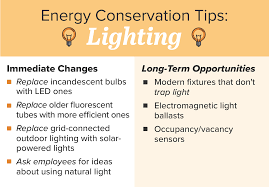
Lighting Efficiency: What Works
Myth: Frequent switching shortens bulb life.
Reality: Not for LEDs and CFLs. Turn them off!
Myth: All bulbs need changing at once.
Reality: Replace as needed or prioritize high-use areas.
What Works: Use LED bulbs. They use less power and last longer.
Bonus: Use natural daylight when possible.
I used to have a habit of leaving lights on. It was mostly out of laziness. I’d walk from room to room, leaving a trail of light behind me.
I’d hear my dad’s voice in my head telling me to turn them off, but I’d ignore it.
Then, one day, I decided to make the switch to LEDs. I replaced the bulbs in my living room first. The difference in the light quality was amazing.
It was brighter and clearer. And when I saw the drop on my electricity bill the next month, I was sold.
Now, I’m very conscious of turning off lights. It’s become second nature. And I no longer worry about them burning out quickly.
It’s a simple change that makes a real difference.
Water Heater Myths
Water heaters are often the second-largest energy user in a home. Many myths exist about how to make them more efficient.
One myth is that you should always set your water heater to its highest setting. This is a waste of energy. Most households don’t need water that hot.
A setting of 120°F (49°C) is usually sufficient and safer. It also reduces energy use.
Another idea is that you need to drain your water heater tank regularly to keep it efficient. While flushing sediment can help older tanks, it’s not a fix-all. For many newer tanks, it’s not even necessary.
The best ways to save energy with water heaters are often simpler. Insulating the tank and hot water pipes helps. Using low-flow showerheads and faucet aerators also cuts down on hot water use.
Water Heater Efficiency Tips
Myth: Set it to the hottest setting for best results.
Reality: 120°F (49°C) is usually enough and safer. High settings waste energy.
Myth: You must drain the tank often.
Reality: Flushing sediment can help older tanks, but isn’t always needed. Check your manual.
What Works: Insulate the tank and pipes. Use less hot water.
I was helping my parents with their old house. They had a water heater that sounded like it was about to explode. It was set to a scorching temperature.
They complained about their high energy bills, but never connected it to the noisy water heater.
We looked at the temperature setting. It was set to “Hot” or “Very Hot.” We turned it down to 120°F. They were a bit worried at first.
They thought showers wouldn’t be hot enough. But after a few days, they realized it was perfectly fine. And their next utility bill was lower.
It was a simple adjustment that made a noticeable impact.
The Myth of Energy “Saving” Gadgets
The market is flooded with gadgets that claim to save you electricity. Many of these are scams or simply don’t work as advertised.
You might see devices that plug into your outlet and promise to “optimize” your home’s electrical flow. Or filters that claim to reduce your meter’s speed. These are almost always myths.
They prey on people’s desire to save money.
The reality is that your electricity usage is determined by your appliances and how you use them. There’s no magic box that can significantly reduce your bill without changing those factors.
Focus on the basics: efficient appliances, good insulation, and mindful energy use. These are the proven methods. Don’t fall for the promises of quick fixes from unproven gadgets.
Beware of Gadget Claims
Common Claim: “Plug this in to instantly save 30% on your electricity bill!”
Truth: Most of these devices offer no real savings. They can be a waste of money.
What to Trust: Energy Star certified appliances, proper insulation, and smart home energy management systems (when properly installed and used).
Recommendation: Always research any energy-saving gadget thoroughly. Look for independent reviews and evidence of its effectiveness.
I remember seeing ads for “electric savers” online. They showed graphs and technical-sounding jargon. It made them seem legitimate.
I was tempted to try one because my bills were so high.
Luckily, I did some digging. I found articles from consumer protection agencies and energy experts. They all warned against these products.
They explained how electricity works and why these gadgets couldn’t possibly do what they claimed. It was a close call. I dodged a bullet and saved money by not buying them.
Understanding Real Energy Savings
Now that we’ve busted some myths, let’s talk about what actually works. These are proven ways to lower your electricity use.
1. Insulation and Air Sealing: This is perhaps the biggest factor. Proper insulation in your walls, attic, and crawl spaces keeps your home at a comfortable temperature.
Sealing air leaks around windows, doors, and pipes stops heated or cooled air from escaping.
2. Energy-Efficient Appliances: Look for the ENERGY STAR label. These appliances are certified to use less energy than standard models.
This applies to everything from refrigerators and washing machines to TVs and light bulbs.
3. Smart Thermostat Use: A programmable or smart thermostat can automatically adjust your home’s temperature. You can set it to lower the heat or AC when you’re away or asleep.
This saves a significant amount of energy.
4. LED Lighting: As mentioned, switching to LED bulbs is a no-brainer. They use up to 80% less energy than incandescent bulbs and last much longer.
Replace your most-used bulbs first.
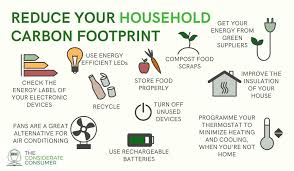
5. Mindful Energy Habits: This includes simple things like turning off lights when not in use, unplugging chargers and electronics when not needed (reducing phantom load), and using appliances efficiently (e.g., washing clothes in cold water).
6. Water Heater Efficiency: Insulate your water heater tank and pipes. Set the thermostat to 120°F (49°C).
Consider a timer or a tankless water heater if you’re renovating.
7. Regular Maintenance: Keep your HVAC system clean and tuned up. Change air filters regularly.
This ensures it runs as efficiently as possible.
Real-World Scenarios and Energy Use
Let’s look at how these principles play out in everyday life. It’s not just about numbers; it’s about how we live.
Scenario 1: The Old, Drafty House
Imagine a home built in the 1960s. The insulation is thin, and there are gaps around the windows. The furnace runs almost constantly.
The energy bill is sky-high. What’s the best fix?
It’s not just about buying a new furnace. The biggest savings come from adding insulation to the attic and walls. Then, sealing up all those drafts.
Once the home is sealed and insulated, the existing furnace can heat it much more effectively. This reduces wear and tear and saves a lot of energy.
Scenario 2: The Tech-Savvy Apartment
Someone lives in a modern apartment. They have a lot of gadgets: a big TV, gaming consoles, laptops, tablets, and many chargers. They also use smart home devices.
What are their energy concerns?
Phantom load is a big one here. Even though the apartment might be well-insulated, all those devices in standby mode add up. Using smart power strips that can be turned off remotely or on a schedule can make a difference.
Also, choosing energy-efficient versions of these electronics is key.
Scenario 3: The Busy Family Home
A family with young children. Lights are often left on. The washing machine and dryer run frequently.
Showers can be long. What are their energy challenges?
This family benefits most from habit changes and efficient appliances. Teaching kids to turn off lights is important. Using LED bulbs makes that habit more impactful.
Setting the washing machine to cold water saves energy. A high-efficiency dryer or considering air-drying clothes when possible helps too. A programmable thermostat is also great for managing heating and cooling when the house is empty.
Energy Use in Different Homes
Old Homes: Often struggle with insulation and drafts. Focus on sealing and adding insulation.
Modern Homes: Can still have high usage due to many electronics and appliances. Watch for phantom loads.
Apartments: May have less control over building insulation but can manage interior lighting and electronics.
Key Takeaway: The best energy-saving strategy depends on your specific home and habits.
I once worked with a homeowner who was convinced their electricity bill was too high because of a faulty meter. They had called the utility company multiple times. The utility company checked the meter, and it was working fine.
We spent an afternoon going through their house. We found that their old refrigerator was using a huge amount of power. They also had many incandescent bulbs.
And they weren’t aware of the energy cost of running their old, inefficient dryer for very long cycles. It wasn’t the meter. It was their choices and their older equipment.
Once they understood this, they were motivated to make changes.
What This Means for Your Electricity Bills
Understanding these myths and realities has direct impacts on your wallet. Here’s what it means for your electricity bills.
Myth-Based Habits Cost Money: If you’re relying on old myths, you’re likely wasting money. For example, believing you must turn off lights only when they are about to burn out means you’re still using much more power than necessary. Or if you think phantom loads are insignificant, you’re letting energy vampires drain your funds.
Proven Methods Deliver Real Savings: Switching to LED bulbs, improving insulation, and using energy-efficient appliances are investments. But they pay for themselves over time through lower bills. The U.S.
Department of Energy (DOE) estimates that a well-insulated and sealed home can save 10-20% on heating and cooling costs alone.
Focus on the Biggest Users: Your heating, cooling, and water heating systems are likely your biggest energy consumers. Addressing these areas first will yield the most significant savings. Don’t overlook them for smaller, less impactful changes.
Habits Matter Too: While appliances are important, how you use them is crucial. Simple behavioral changes, like washing clothes in cold water or unplugging electronics, can add up. These are often the easiest and cheapest ways to save.
Your Bill Breakdown: Myth vs. Reality
Myth: My bill is high because of the meter.
Reality: Usually, it’s usage from appliances, heating/cooling, and habits.
Myth: Using a lot of electronics doesn’t add up much.
Reality: Phantom loads and continuous use of many devices can be significant.
Reality Check: Investing in ENERGY STAR appliances and better insulation offers the biggest long-term savings.
I once helped a family who was struggling to understand their electricity bills. They had tried many things. They replaced light bulbs.
They tried to turn off lights more. But the bill never seemed to go down much.
When we looked at their energy usage data, we saw their air conditioner was running almost constantly. It was an older model in a poorly insulated house. The energy they were trying to save with light bulbs was being dwarfed by their HVAC system.
We focused our efforts there. By upgrading their AC and improving insulation, they saw a drastic drop in their bill. It showed that knowing where to focus is key.
When to Worry About Your Electricity Usage
While saving electricity is good, sometimes high usage can signal a problem. Here’s when you might need to investigate further.
Sudden Spikes in Your Bill: If your bill suddenly jumps without a clear reason (like a new appliance or unusual weather), it could indicate a problem. Maybe a circuit breaker is tripping intermittently, or an appliance is malfunctioning and drawing excessive power.
Hot or Noisy Appliances: If a normally cool appliance feels unusually hot to the touch, or if you hear strange noises from it (like humming or buzzing from your refrigerator or water heater), it might be working too hard and using more electricity than it should.
Frequently Tripping Breakers: If circuit breakers in your electrical panel trip often, it can mean your electrical system is overloaded. This is a safety hazard and also points to potential inefficiency.
Lights Dimming or Flickering: While sometimes just a faulty bulb, widespread dimming or flickering lights can be a sign of a problem with your home’s electrical wiring or the power supply. This should be checked by a professional.
Unexplained Heat in Walls or Outlets: This is a serious sign and can indicate faulty wiring. It’s a fire risk and should be addressed immediately by an electrician.
Signs of Trouble
Alert! Sudden, unexplained increase in your electricity bill.
Warning! Appliances running hotter than usual or making strange noises.
Danger! Breakers tripping frequently, lights flickering, or outlets feeling hot.
Action: If you notice these, contact a qualified electrician or HVAC professional.
I once had a client whose electricity bill had doubled overnight. They were frantic. They thought their meter was broken or that someone was stealing their power.
We went to their house. The first thing I noticed was that their old central air conditioner was making a terrible grinding noise. It was running, but it wasn’t cooling the house well.
It turned out the compressor was failing. It was working overtime, using a massive amount of electricity, and still not doing its job. Replacing the AC unit solved the problem and brought their bill back to normal.
Quick Tips to Start Saving Today
You don’t need to wait to start saving. Here are a few simple things you can do right now.
1. Unplug Everything You’re Not Using: Go around your home. Unplug phone chargers, coffee makers, and any other electronics not actively in use.
Use a power strip for your TV and stereo so you can turn them all off at once.
2. Switch Off Lights: Make it a habit. If you leave a room, turn off the light.
Especially if you’ll be gone for more than a few minutes.
3. Adjust Your Thermostat: If it’s cool out, turn your thermostat down a few degrees. If it’s warm, turn it up a few degrees.
Even small changes can help. If you have a programmable thermostat, set it to adjust automatically when you’re asleep or away.
4. Check for Drafts: Feel around your windows and doors. If you feel air coming in, consider temporary fixes like rolled-up towels or weather stripping.
This can make an immediate difference.
5. Use Natural Light: Open curtains and blinds during the day. Let the sun light up your rooms.
This is free and helps you avoid using electric lights.
6. Wash Clothes in Cold Water: Most detergents work well in cold water. Heating water for washing machines uses a lot of energy.
This is a simple switch.
Your 5-Minute Energy Audit
Step 1: Walk around and unplug unused electronics.
Step 2: Turn off lights in empty rooms.
Step 3: Adjust thermostat slightly.
Step 4: Close curtains to block sun (summer) or open them (winter).
Step 5: Check water heater temp (aim for 120°F).
I often advise people to do a “walking audit” of their home. Just take a walk through each room and look with fresh eyes. Where are lights on that don’t need to be?
What’s plugged in that’s not being used? What doors or windows have drafts? It’s amazing what you notice when you slow down for a few minutes.
One time, I did this with a family. We discovered that their home office had three monitors, a printer, and a scanner all plugged in and on standby, even though no one had used the office in days. Just unplugging those items made a small but immediate difference.
It’s those little things that build up.
Frequently Asked Questions About Electricity Saving Myths
Is it true that leaving a light on all day is cheaper than turning it off and on?
For older incandescent bulbs, this was sometimes true because of the energy used to heat the filament. However, for modern LED and CFL bulbs, this is a myth. These bulbs use very little energy to turn on and off.
It is always best to turn them off when you leave a room.
Do “energy saving” devices that plug into the wall actually work?
Most of these devices do not work and are a waste of money. They often make false claims about how electricity works and how they can save you money. Focus on proven methods like energy-efficient appliances and proper insulation instead of unverified gadgets.
How much energy does “phantom load” or “vampire power” really use?
Phantom load is the energy devices use when they are plugged in but turned off or in standby mode. While each device uses a small amount, collectively, it can account for 5-10% of your total household electricity use. Unplugging devices or using smart power strips can significantly reduce this waste.
Should I set my water heater to the highest temperature to get hotter water?
No, this is a myth and wastes energy. Most households only need water heated to around 120°F (49°C). Setting it higher than necessary uses more electricity and can also be a scalding hazard.
Check your water heater’s thermostat and set it to 120°F or lower.
Does a bigger refrigerator use more electricity than a smaller one?
Not necessarily. While size plays a role, the energy efficiency of the refrigerator is much more important. An older, larger refrigerator might use far more electricity than a newer, smaller, energy-efficient model.
Always look for the ENERGY STAR label when buying a new appliance.
Is it better to use my dishwasher or wash dishes by hand to save energy?
For most households, using a modern, energy-efficient dishwasher is more energy-efficient than washing dishes by hand. Dishwashers use a controlled amount of water and heat it efficiently. However, always run full loads in the dishwasher for maximum efficiency.
Conclusion: Making Smart Energy Choices
Saving electricity doesn’t have to be complicated or based on guesswork. By understanding which energy-saving ideas are myths and which are facts, you can make smarter choices for your home. Focus on the proven methods: improving your home’s insulation, using energy-efficient appliances, and adopting mindful energy habits.
These steps will not only lower your electricity bills but also contribute to a more sustainable future. Start today with the simple tips, and you’ll see the difference.


Leave a Reply