
Opening your electricity bill can sometimes feel like a mystery. You see a number, and you pay it. But have you ever wondered exactly how that number gets there?
It’s a common feeling, and honestly, understanding it can save you money and stress. We’re going to break down the whole process, step by step. Think of this as your friendly guide to finally understanding your electricity bill calculation.
Your electricity bill is calculated based on the total amount of electricity you used, measured in kilowatt-hours (kWh), multiplied by the price per kWh. This is then adjusted for various fees, taxes, and sometimes fixed charges, all of which contribute to your final total. Understanding these components helps you see where your money goes and how to potentially save.
Understanding Your Electricity Bill: The Big Picture
At its core, your electricity bill is a report card for your power usage. It tells you how much energy you’ve used and what it costs. Utilities have a complex system to figure this out.
They need to cover their costs. This includes generating power, maintaining the grid, and delivering electricity to your home. Your bill reflects all of these things.
The main ingredient is always your usage. This is measured in kilowatt-hours (kWh). Think of a kilowatt as a big unit of power.
A kilowatt-hour is that power used for one hour. So, if you run a 1,000-watt appliance for an hour, you use 1 kWh. Most appliances are smaller.
A 100-watt light bulb used for 10 hours also uses 1 kWh.
The price you pay for each kWh is called the rate. This rate isn’t always simple. It can change based on your plan.
It can also change depending on when you use the electricity. Many utilities have different rates for peak hours versus off-peak hours. This encourages people to use less power when the grid is busiest.
Beyond usage and rates, there are other charges. These are often called fees or surcharges. They can cover things like environmental programs or infrastructure upgrades.
Sometimes there are also fixed monthly charges. These are for simply being connected to the grid, regardless of how much you use.
My Own Bill Shock Moment
I remember one summer a few years back. It was unusually hot. My air conditioner was running almost constantly.
I wasn’t really thinking about it. I just wanted to stay cool. Then, the bill arrived.
It was much higher than I expected. I felt a knot of panic in my stomach. Where did all that extra cost come from?
I had no idea how my electricity bill calculation worked in detail. I just assumed it was the AC. But I didn’t know how much the AC was costing me.
Or if there were other hidden costs. It was a real wake-up call. I realized I needed to understand this better to avoid future surprises.
This experience drove me to dig deep into how those numbers are made.
Understanding Your Meter
Your electricity meter is the hero of the story. It’s usually a small box on the outside of your house. It has a digital display or spinning dials.
This meter tracks every single kWh you use. Your utility company reads this meter. They do it remotely or by sending a person.
This reading is the basis for your usage charge. Smart meters are becoming more common. They send readings automatically.
This makes the process more accurate and faster.
The Building Blocks of Your Bill
Let’s dive into the main components that make up your bill. Each part plays a role in the final number you see.
1. Kilowatt-Hours (kWh) Usage
This is the heart of your bill. Your meter tracks your total usage. Utilities look at your meter reading from the last billing period.
They subtract it from the current reading. The difference is your total kWh usage for that month. For example, if your last reading was 5,000 kWh and your current reading is 5,500 kWh, you used 500 kWh.
Many factors influence kWh usage. The size of your home matters. The number of people living there is also key.
The types of appliances you use are critical. An old, inefficient refrigerator uses more power than a new one. How often you use heating and cooling systems is a big factor.
Even the number of lights you leave on contributes.
Understanding which appliances use the most energy can help. Major culprits often include air conditioners, electric heaters, clothes dryers, and electric ovens. Even small things add up.
A computer left on overnight or a phone charger plugged in when not in use can contribute to your total.
Appliance Power Use (Estimates)
Appliance | Typical Wattage | Hours Used Daily | Approx. kWh/Month
Refrigerator | 150-200W | 24 | 70-95
Clothes Dryer | 5000W | 0.5 | 75
Dishwasher | 1200W | 0.5 | 18
Window AC Unit | 1000W | 8 | 120
Laptop | 50W | 8 | 12
LED Light Bulb | 10W | 5 | 1.5
Note: These are estimates. Actual usage varies by model and efficiency.
2. Electricity Rates
This is the price per kWh. It’s what you pay for every unit of energy you consume. Rates can be structured in several ways.
Most common are:
Flat Rate: You pay the same price per kWh all the time. This is simple but doesn’t encourage off-peak usage.
Tiered Rate: The price per kWh changes based on how much you use. The first block of usage might be cheaper. Higher usage blocks become more expensive.
This is designed to discourage high consumption.
Time-of-Use (TOU) Rate: This is becoming very popular. The price changes throughout the day. Peak hours (when demand is high, usually afternoon/early evening) have the highest rates.
Off-peak hours (late night, early morning) have the lowest rates. Shoulder hours are in between.
Demand Charges: These are more common for businesses. But some residential customers might see them. It’s a charge based on your highest single power draw during a billing period.
If you suddenly turn on many high-wattage appliances at once, your demand spikes. This can increase your bill even if your total kWh usage isn’t that high.
Utility companies set these rates. They are often regulated by state or local governments. The rates need to cover the costs of running the utility.
They also aim to make a reasonable profit. Changes in fuel costs (like natural gas, coal, or nuclear fuel) can affect electricity generation costs. This, in turn, can affect your rates.
Understanding Peak vs. Off-Peak
Peak Hours: Typically 4 PM to 9 PM on weekdays. This is when most people are home. They are cooking, using lights, and running electronics.
Demand is highest. Prices are highest.
Off-Peak Hours: Usually late at night (e.g., 10 PM to 6 AM) and on weekends. Demand is lowest. Prices are lowest.
Shoulder Hours: The periods between peak and off-peak. They have moderate prices.
3. Fixed Monthly Charges
Some utility bills have a fixed charge. This is a set amount you pay each month. It’s for the privilege of being connected to the electricity grid.
This charge is independent of your energy usage. It helps utilities cover the costs of maintaining the infrastructure. This includes power lines, substations, and other equipment.
Even if you use zero electricity, you’ll likely still see this charge. It’s sometimes called a customer charge or service charge.
4. Surcharges and Fees
This is where things can get a bit confusing. There are often many small charges and fees added to your bill. These can include:
Environmental Surcharges: Funds for renewable energy programs or energy efficiency initiatives.
Transmission and Distribution Charges: Costs associated with moving electricity from the power plant to your home.
Franchise Fees: Payments made to local governments for the right to operate in their area.
Taxes: State and local sales taxes, utility taxes, and other applicable taxes.
Late Payment Fees: If you miss a payment deadline.
These fees are usually a small percentage of your total bill. But they can add up. Reading the details on your bill is important to understand them.
My Deep Dive into Time-of-Use Rates
After my bill shock, I switched to a Time-of-Use plan. My utility offered it. I wanted to see if I could save money.
It was a learning curve. I had to become very mindful of when I used my appliances. Running the dishwasher?
I’d make sure it was after 9 PM. Doing laundry? The dryer became a late-night or early-morning friend.
It felt like a game at first. I started checking the utility’s website for the daily peak hours. I’d move tasks like vacuuming or charging my electric car to off-peak times.
What I learned was that small changes made a difference. I started unplugging chargers when not in use. I also invested in smart power strips.
These cut power to devices that were in standby mode. It wasn’t just about shifting usage. It was also about reducing overall consumption.
This experience taught me that understanding the electricity bill calculation is empowering. It gives you control.
Myth vs. Reality: Bill Components
Myth: My bill is high only because I use a lot of electricity.
Reality: While usage is a major factor, your electricity rate, the time of day you use power (if on TOU), and various fees also significantly impact the final cost. High usage on a high rate can be much more expensive than lower usage on a lower rate.
Myth: All fees on my bill are mandatory government taxes.
Reality: Many fees are set by the utility company itself to cover specific services like infrastructure maintenance, renewable energy programs, or grid reliability. Always check the bill’s details.
How Your Utility Calculates Your Bill: A Step-by-Step
Let’s put it all together. Here’s a typical flow for how your monthly bill is calculated:
Step 1: Meter Reading
Your utility gets your meter reading for the current month. They compare it to the previous month’s reading. For example:
Current Reading: 7,850 kWh
Previous Reading: 7,400 kWh
Step 2: Calculate Total Usage
Subtract the previous reading from the current reading.
7,850 kWh – 7,400 kWh = 450 kWh (Total Usage)
Step 3: Apply Rates
This is where the type of rate plan matters. Let’s assume a simple tiered rate plan for this example.
Tier 1: First 300 kWh @ $0.12/kWh
Tier 2: Next 150 kWh (450 total – 300 in Tier 1) @ $0.15/kWh
Calculate cost for each tier:
Tier 1 Cost: 300 kWh * $0.12/kWh = $36.00
Tier 2 Cost: 150 kWh * $0.15/kWh = $22.50
Total Usage Cost: $36.00 + $22.50 = $58.50
Now, let’s imagine a Time-of-Use plan instead. It might look like this:
Off-Peak Usage: 250 kWh @ $0.10/kWh = $25.00
On-Peak Usage: 100 kWh @ $0.25/kWh = $25.00
Shoulder Usage: 100 kWh @ $0.18/kWh = $18.00
Total Usage Cost (TOU): $25.00 + $25.00 + $18.00 = $68.00
(Notice how TOU can be higher if you use more during peak hours!)
Step 4: Add Fixed Charges
Let’s say there’s a fixed monthly customer charge of $10.00.
Cost so far (using tiered example): $58.50 + $10.00 = $68.50
Step 5: Add Surcharges and Fees
Let’s add a few sample surcharges. These are often calculated as a percentage of the usage cost or the total before fees.
Distribution Charge: $5.00
Environmental Fee (e.g., 2% of usage cost): $58.50 * 0.02 = $1.17
Subtotal before taxes: $68.50 + $5.00 + $1.17 = $74.67
Step 6: Add Taxes
Utilities must collect sales tax and other applicable taxes. Let’s assume a 5% sales tax.
Sales Tax: $74.67 * 0.05 = $3.73
Step 7: Final Bill Amount
Add everything up.
Total Bill: $74.67 + $3.73 = $78.40
This is a simplified example. Real bills can have more line items. But this shows the basic electricity bill calculation process.
Quick Scan: Bill Breakdown Example
Component | Amount | Notes
kWh Used | 450 | Meter readings difference
Usage Cost | $58.50 | Based on tiered rates
Customer Charge | $10.00 | Fixed monthly connection fee
Distribution Fee | $5.00 | Grid maintenance cost
Environmental Fee | $1.17 | For green energy programs
Subtotal | $74.67 | Before taxes
Sales Tax | $3.73 | 5% of subtotal
Total Due | $78.40 | Your final bill
Real-World Context: Why Bills Vary So Much
Living in different parts of the U.S. means different electricity costs. This is due to several factors.
Energy Sources: Some states have abundant, cheap natural gas. Others rely more on coal or nuclear power. States with a lot of solar or wind power might have lower fuel costs.
But the initial investment in renewable infrastructure can also influence rates.
Climate: If you live in a very hot climate, your air conditioning use will be high. In a very cold climate, heating is the big energy user. Both drive up kWh consumption.
This is why summer and winter bills are often much higher than spring or fall bills.
Infrastructure: Older grids might require more maintenance and upgrades. This cost is passed on to consumers. Utilities in rural areas might have longer distances to transmit power, adding costs.
Regulation: State utility commissions have a lot of power. They approve rate changes and oversee utility operations. Their decisions can significantly impact how much you pay.
For instance, electricity in Washington state might be cheaper than in California. This is partly due to a higher reliance on hydroelectric power in Washington. Meanwhile, states that are heavily reliant on natural gas might see bills fluctuate more with gas prices.
Understanding your local context is key to understanding your bill.
What This Means for You: Making Sense of Your Bill
So, what’s the takeaway from all this? Knowing how your bill is calculated gives you power. It helps you identify potential savings.
When is Your Bill Normal?
Your bill is likely normal if:
It aligns with previous months, considering seasonal changes. For example, a higher bill in July than in April is expected due to AC use.
Your usage seems reasonable for your household size and habits.
There are no unexpected spikes that you can’t explain by weather or appliance use.
When Should You Worry?
You should look closer if:
Your bill is significantly higher than previous months, with no clear reason like extreme weather.
Your usage shows a sudden, unexplained jump.
You notice charges you don’t understand and can’t find explanations on the bill or utility website.
Simple Checks You Can Do
Read Your Meter: Compare your meter reading to what’s on your bill. Ensure it’s accurate. If it’s a smart meter, check your online account for daily usage data.
Review Your Plan: Are you on the best rate plan for your usage habits? If you use a lot of power during off-peak hours, a TOU plan might save you money. If you’re a consistent, low-usage customer, a flat rate might be better.
Check for Leaks: Not electricity leaks, but energy leaks! Drafty windows, old appliances, and poor insulation all drive up usage.
Your Bill Checklist
Have I checked my kWh usage?
Do I understand my current rate plan?
Are there any unexpected fees or surcharges?
Does the total make sense for my recent habits?
Quick Tips for Lowering Your Electricity Bill
While this guide is about understanding the calculation, a little bit about saving is always helpful.
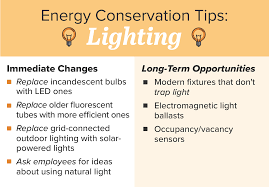
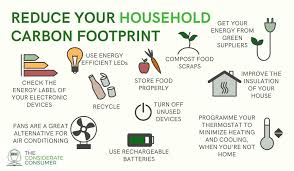
Energy Efficiency: Upgrade to Energy Star certified appliances. Use LED light bulbs. They use significantly less energy.
Thermostat Control: Use a programmable or smart thermostat. Set it a few degrees warmer in summer and cooler in winter when you’re away or asleep.
Unplug Devices: Many electronics draw power even when off (phantom load). Use smart power strips or unplug them when not in use.
Air Sealing and Insulation: Seal leaks around windows and doors. Ensure your attic and walls are well-insulated. This keeps your home comfortable without using more energy.
Water Heating: Lower your water heater temperature slightly. Insulate the tank and pipes.
Shifting Usage: If you’re on a Time-of-Use plan, shift energy-intensive tasks like laundry and dishwashing to off-peak hours.
Frequently Asked Questions About Electricity Bills
How is the price per kWh determined?
The price per kWh is determined by the utility company. It’s based on the costs of generating electricity, transmitting it, distributing it, and maintaining the grid. These rates are usually regulated by state utility commissions.
They can also vary by plan type (flat, tiered, time-of-use).
What is “demand charge” on my bill?
Demand charges, more common for businesses but sometimes for homes, are based on your highest electricity usage within a specific short period (e.g., 15 minutes) during the billing cycle. If you use a lot of power all at once, your demand spikes, leading to a higher charge.
Why is my bill so high in the summer/winter?
This is usually due to heating and cooling. Air conditioners in the summer and electric heaters in the winter are major energy consumers. Extreme temperatures mean these systems run much more, significantly increasing your kWh usage and your bill.
Can I negotiate my electricity bill?
Generally, you cannot negotiate the rates set by your utility company as they are regulated. However, you can often choose different rate plans or suppliers (in deregulated markets) that might offer better pricing based on your usage patterns. You can also reduce your bill by lowering your overall consumption.
What’s the difference between a kilowatt (kW) and a kilowatt-hour (kWh)?
A kilowatt (kW) measures power, which is the rate at which energy is used. A kilowatt-hour (kWh) measures energy consumed over time. Think of kW as your speed (miles per hour) and kWh as the total distance you traveled (miles).
Your bill charges you for the total distance (kWh), not just the speed (kW).
How can I track my daily electricity usage?
Many utilities offer online portals where you can view your historical usage, often broken down by day or even hour if you have a smart meter. Some smart home devices can also help monitor the energy consumption of individual appliances.
Conclusion: Taking Control of Your Electricity Bill
Understanding your electricity bill calculation isn’t just about numbers. It’s about empowering yourself. Now you know the components that go into that final figure.
You can look at your bill with confidence. You can identify areas where you might be able to save. Small changes in habits or choosing the right plan can make a real difference.
Start by reviewing your latest bill with these new insights. You’ve got this!



Leave a Reply