
Most homes waste energy through simple oversights. Common energy wasting mistakes include leaving lights and electronics on, poor insulation, inefficient appliance use, and air leaks. Addressing these issues can significantly lower your utility bills and make your home more comfortable.
This guide breaks down exactly where your energy might be going and how to stop it.
What Are Energy Wasting Mistakes?
Energy wasting mistakes are actions or oversights that cause your home to use more electricity or gas than it needs to. These often happen without us thinking about them. They are like little leaks in a bucket.
Individually, they don’t seem like much. But over time, they drain a lot of your home’s energy. This means you pay more on your bills.
It also means your home isn’t as comfy as it could be. Sometimes, these mistakes can even cause wear and tear on your appliances. Recognizing these habits is the first step to fixing them.
Understanding why energy is wasted helps us find easy solutions. It’s about being smarter with what we use every day.
Why do these mistakes happen so often? Well, life gets busy. We rush out the door without turning off lights.
We forget to close doors properly. Maybe we don’t know that certain appliances use a lot of power even when they’re off. It’s not about being careless.
It’s often about what we don’t know. Or what we just don’t think about in the moment. This guide aims to shine a light on these sneaky energy vampires.
We want to make it super clear what to look for. Then, we’ll talk about simple fixes. Easy changes can make a big difference to your wallet and the planet.
Think about your home like a big system. It needs energy to keep you warm in winter. It needs energy to keep you cool in summer.
It needs energy to power your lights and your gadgets. When energy wastes away, that system isn’t working its best. It’s like trying to fill a leaky pool.
You keep adding water, but it never quite gets full. Your energy bill is the cost of that leaky pool. We want to help you plug those leaks.
So your energy stays where you want it: inside your home, doing useful work.
My Own Energy Wasting Oopsie
I remember one time I was working late on a project. My office was in the basement. I had my computer on, a bright desk lamp, and even a small fan going because it was a warm evening.
I got so engrossed in my work. The hours just flew by. Eventually, I finished.
I was tired but proud of my work. I packed up my stuff, went upstairs, and completely forgot about everything downstairs. Lights on, computer still humming, fan whirring.
I didn’t realize my mistake until the next morning when I saw the electric meter spinning a bit faster than I expected.
It was a small moment, but it really stuck with me. I felt a little silly. Here I was, writing about energy efficiency, and I had made such a basic oversight!
That night, my forgotten office cost me extra energy. It wasn’t a huge amount, but it was energy I didn’t need to use. It made me think about all the other little things we forget.
Like leaving the TV on standby. Or not sealing up a drafty window. It’s so easy to do when you’re not paying close attention.
That little moment of forgetting taught me a valuable lesson: always double-check before you leave a room.
It’s those little moments of inattention that really add up. I’ve learned to do a quick sweep before I leave any room. Lights off?
Check. Appliances unplugged or turned off? Check.
Windows and doors closed tight? Check. It only takes a minute.
But that minute can save you a surprising amount of energy over time. And it feels good to know you’re not letting good energy just escape into the night. This experience showed me firsthand how even one common energy wasting mistake can impact your bill.
Energy Vampires: What’s Lurking?
What: Devices that use power even when they’re off.
Examples: TVs, computers, chargers, game consoles.
Why it matters: They can add up to 10% of your electric bill.
Simple Fix: Unplug them or use power strips.
The Big Leaks: Where Energy Escapes
One of the biggest culprits for wasted energy is poor insulation. Think of your home like a warm coat. Insulation is the stuffing inside that coat.
It keeps the heat in during winter. It keeps the cool air in during summer. If your walls, attic, or basement don’t have enough insulation, heat can escape easily.
In the winter, your heater has to work harder to replace that lost heat. In the summer, your air conditioner works overtime to fight off incoming heat.
This constant battle to maintain temperature drains a lot of energy. You might feel drafts near windows or doors. This is a sign of air leaks.
Warm air gets out in winter. Cool air gets out in summer. Cold air sneaks in, too.
These gaps let your conditioned air escape. Your heating and cooling systems then have to run more often to compensate. It’s a cycle that keeps your energy bills high.
Making sure your home is sealed up well is key to saving energy.
Consider your windows and doors. Older windows might not seal as well as newer ones. Gaps around the frames are common.
Weatherstripping can help seal these up. Even small cracks around electrical outlets or plumbing penetrations can let air escape. These are often overlooked.
But they are little pathways for your expensive, conditioned air to leave your home. A thorough check for these leaks can make a huge difference. It’s about creating a tight, efficient home envelope.
This keeps the air you pay for inside.
Drafty Doors & Windows
Issue: Gaps allow conditioned air to escape.
Impact: Heating/cooling systems run more.
Easy Fix: Use weatherstripping and door sweeps.
Long-term: Consider energy-efficient window upgrades.
Lighting: The Obvious (and Not-So-Obvious) Waster
Leaving lights on in empty rooms is perhaps the most basic energy-wasting mistake. It seems so simple, but many people still do it. Every light bulb in a room uses electricity.
If no one is there, that electricity is just going to waste. It adds up quickly, especially if you have many lights or use them for long periods.
This is where changing your habits comes into play. It’s about developing that quick check before leaving a room. Make it a family effort.
Teach kids to turn off lights when they leave. Simple reminders can make a big difference. Even small amounts of light left on add up over weeks and months.
Think about hallways, bathrooms, or closets. Are lights often left on when not needed?
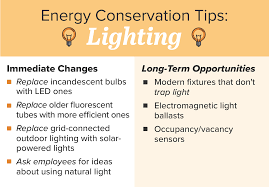
Beyond just leaving lights on, the type of bulbs you use matters. Older incandescent bulbs are very inefficient. They produce a lot of heat.
Most of the energy they use turns into heat, not light. Switching to LED bulbs is one of the best energy-saving upgrades you can make. LEDs use a fraction of the energy of incandescent bulbs.
They also last much longer. This is a win-win: you save energy, and you don’t have to change bulbs as often.
Bulb Power
Incandescent: Uses ~75 watts, lasts ~1,000 hours.
Halogen: Uses ~53 watts, lasts ~2,000 hours.
CFL: Uses ~15 watts, lasts ~8,000 hours.
LED: Uses ~10 watts, lasts ~25,000+ hours.
Savings: LEDs can cut lighting energy costs by up to 80%.
Appliance & Electronics Usage: Silent Killers
Appliances are big energy users. How we use them can lead to waste. For example, washing clothes in hot water uses much more energy than cold water.
Hot water has to be heated by your water heater, which uses a lot of energy. Most modern detergents work just fine in cold water. So, switching to cold water washes for most loads is a simple, effective way to save energy.
Running the dishwasher when it’s only half full is another common mistake. Dishwashers use a lot of energy and water for each cycle. It’s much more efficient to wait until the dishwasher is completely full before running it.
This applies to washing machines too. For both, doing full loads means you run them less often. This saves energy and water.
And then there are those electronics. Many devices, like TVs, computers, game consoles, and chargers, draw power even when they’re turned off. This is called “phantom load” or “standby power.” These devices aren’t actively doing anything, but they’re still plugged in and consuming energy.
Over time, this phantom load can significantly increase your electricity bill. It’s like leaving tiny lights on all over your house.
Standby Power Savvy
The Problem: Electronics use power when off.
Estimate: Can be 5-10% of your electricity bill.
Solutions:
- Use smart power strips.
- Unplug chargers when not in use.
- Turn off devices at the main switch.
Heating & Cooling: The Biggest Energy Hogs
Your home’s heating and cooling systems are usually the largest consumers of energy. Because they work hard to keep your home at a comfortable temperature, even small inefficiencies can lead to big energy bills. One of the most common mistakes is setting the thermostat too high in winter or too low in summer.
Many people set their thermostats to what feels comfortable when they are home. But when they leave the house or go to sleep, they don’t adjust it. Heating or cooling an empty house is a huge waste of energy.
A programmable or smart thermostat can solve this. You can set it to lower the temperature when you’re away or asleep. Then, it can warm or cool the house back up before you return or wake up.
This simple change can save a lot of money.
Another issue is maintenance. When was the last time you changed the air filter in your furnace or air conditioner? A dirty, clogged filter makes the system work much harder.
It’s like trying to breathe through a dirty cloth. The fan has to push air through the obstruction. This uses more energy.
It also means your system isn’t as effective at heating or cooling your home. Regularly changing filters is a simple, cheap task that makes a big impact.
The location of your thermostat also matters. If it’s in a sunny spot or near a heat source like a lamp, it might read a higher temperature than the rest of the room. This can cause your heating or cooling system to run longer than it needs to.
Placing it on an interior wall, away from direct sunlight or heat vents, ensures it gets a more accurate reading of the room’s actual temperature.
Thermostat Tips
Winter Goal: Set to 68°F (20°C) when home.
Winter Away/Sleep: Lower by 7-10°F (4-6°C).
Summer Goal: Set to 78°F (26°C) when home.
Summer Away/Sleep: Raise by 7-10°F (4-6°C).
Savings: Can save up to 10% annually on heating/cooling costs.
Water Heating: The Hidden Energy Drain
Water heaters are often the second-largest energy user in a home, after heating and cooling. Heating water takes a lot of energy. And many common habits can lead to unnecessary energy waste.
One big mistake is setting the water heater temperature too high. Most people don’t need their water hotter than 120°F (49°C). Higher settings waste energy.
They also increase the risk of scalding. If your water heater is set higher, try turning it down. You might be surprised at how little difference it makes to your comfort but how much it saves on energy.
Leaky faucets are another common problem. A small drip might seem harmless, but it can waste gallons of hot water over time. Every drop of hot water that leaks out needs to be reheated.
This means your water heater is constantly working to replace that lost hot water. Fixing leaky faucets is a simple DIY task that pays off in saved energy and water.
Another area of waste is long showers. While a relaxing shower feels good, very long showers use a tremendous amount of hot water. Reducing shower time by just a few minutes can save a lot of energy.
Using low-flow showerheads is another excellent way to cut down on hot water use without sacrificing pressure. They reduce the amount of water that comes out, but they do it in a way that still feels strong.
Hot Water Habits
Temperature Check: Is your water heater set above 120°F?
Leak Alert: Do you have dripping hot water faucets?
Shower Power: How long are your showers typically?
Fixes: Lower temp, fix leaks, reduce shower time, use low-flow heads.
The Attic and Crawl Space: Forgotten Frontiers
Your attic and crawl spaces are often overlooked areas when it comes to energy efficiency. Yet, they play a crucial role. Proper insulation in the attic is vital.
Heat rises in the winter. If your attic isn’t well-insulated, that warm air will escape through the ceiling. In the summer, the sun heats up your roof, and that heat can transfer down into your living space if the attic isn’t insulated well.
The amount of insulation needed depends on your climate. Generally, the colder your winters, the more insulation you’ll need. Many older homes have inadequate attic insulation.
Adding more can be one of the most cost-effective home improvements you can make for energy savings. It directly combats heat loss and heat gain.
Air sealing is also important in these areas. Small gaps and cracks in the attic floor or around pipes and vents can let conditioned air escape into the unconditioned attic space. Before adding insulation, it’s a good idea to seal these gaps.
This prevents air from moving between your living space and the attic. Think of it as sealing the ceiling of your home.
Attic Insulation Basics
Why it matters: Stops heat loss in winter, heat gain in summer.
Check depth: Is insulation level with or below the joists?
Type matters: Blown-in or batts, ensure good coverage.
Air seal first: Seal any gaps before adding insulation.
Kitchen Appliances: More Than Meets the Eye
While we talked about dishwashers, other kitchen appliances can also be sources of energy waste. Refrigerators and freezers, for example, run 24/7. Keeping them running efficiently is important.
Ensure the door seals are tight. You can test this by closing the door on a piece of paper. If you can easily pull the paper out, the seal might be weak.
A weak seal means the appliance has to work harder to stay cold.
Another common mistake is over-reliance on the oven. Using the oven for small meals or reheating leftovers uses a lot of energy. A microwave, toaster oven, or toaster is much more energy-efficient for these tasks.
When you do use the oven, try to avoid opening the door frequently. Every time you open the door, a lot of heat escapes. This makes the oven work harder to get back to temperature.
Don’t forget about small appliances. Coffee makers, toasters, and electric kettles use energy. While their individual draw might be small, they add up if used frequently.
Simply being mindful of when you use them, and for what purpose, can contribute to savings. For instance, only boiling the amount of water you need in an electric kettle.
Fridge & Freezer Facts
Seal Check: Close the door on a dollar bill. Can you pull it out?
Coil Cleaning: Dust on coils makes it work harder. Clean them!
Temperature: Fridge at 37-40°F (3-4°C), Freezer at 0°F (-18°C).
Fullness: A full fridge runs more efficiently than an empty one.
Outdoor Energy Use: Don’t Forget the Exterior
Energy waste isn’t confined to indoors. Outdoor practices can also impact your energy bills. For example, leaving outdoor lights on all night when they aren’t needed is a common mistake.
Solar-powered outdoor lights are a great alternative. They charge during the day and turn on automatically at night. If you use electric outdoor lights, consider motion sensors or timers.
Pool pumps are another significant energy user for homes with pools. If you have a pool, ensure your pump is running for the minimum amount of time needed to keep the water clean. Variable speed pumps are much more energy-efficient than single-speed ones.
They can be programmed to run at lower speeds for longer periods, using less energy overall.
Consider your landscaping too. Planting deciduous trees on the south and west sides of your home can provide shade in the summer, reducing cooling costs. In the winter, these trees lose their leaves, allowing sunlight to warm your home.
This is a natural way to manage your home’s temperature and reduce energy use.
Smart Yard Habits
Lighting: Use timers, motion sensors, or solar lights.
Pools: Optimize pump run times and consider variable speed pumps.
Landscaping: Plant trees for shade in summer and sun in winter.
Hoses: Fix outdoor faucet leaks; they waste water and water pressure.
When Is It Normal and When to Worry?
It’s normal for your energy bills to fluctuate. They’ll be higher in the hottest and coldest months. It’s also normal to forget to turn off a light now and then.
These are not causes for alarm.
You should start to worry and investigate if you see a sudden, unexplained jump in your energy bill. If your home feels drafty or too cold/hot despite your heating or cooling system running, that’s a sign something is wrong. Persistent issues like high energy use despite following best practices can indicate deeper problems.
Pay attention to sounds. If your HVAC system is making strange noises, it might be working harder than it should be. This could be due to maintenance issues or a more serious problem.
Also, if you notice any unusual odors, like burning smells, turn off the system immediately and call a professional.
Red Flags for Energy Waste
Sudden Bill Increase: No clear reason for higher usage.
Comfort Issues: Drafts, cold spots, or rooms not heating/cooling evenly.
System Noises: Strange or loud sounds from your HVAC.
Frequent Cycling: Heating/cooling system turns on and off too often.
Quick Fixes and Simple Tips
Ready for some easy wins? Here are some quick tips:
- Unplug chargers: When not in use, pull out phone, laptop, and other chargers.
- Use power strips: Group electronics on a power strip. Flip the switch off when not in use.
- Check your thermostat settings: Ensure they are efficient for when you’re home or away.
- Change air filters: Do this every 1-3 months.
- Seal leaks: Use caulk and weatherstripping around windows and doors.
- Wash clothes in cold water: Most loads don’t need hot water.
- Run full loads: For dishwashers and washing machines.
- Switch to LEDs: Replace old incandescent bulbs.
Your Energy Saving Checklist
- Unplug phantom loads.
- Seal air leaks.
- Adjust thermostat.
- Change air filters.
- Use LED bulbs.
- Run full loads (washers/dishwashers).
Frequently Asked Questions About Energy Waste
How much energy does phantom load really use?
Phantom load, or standby power, can account for about 5% to 10% of your total electricity usage. While it may seem small for each device, when you add up all the electronics in your home that are constantly plugged in, it can add up to a significant amount over a year. Think of it as a constant small drain that becomes a larger sum over time.
Is it worth upgrading to a smart thermostat?
Yes, a smart thermostat can be a very worthwhile investment. It learns your habits and can automatically adjust the temperature to save energy when you’re away or asleep. Many also offer remote control via a smartphone app, giving you more flexibility and control.
The energy savings can often pay for the cost of the thermostat within a year or two.
How often should I check my home for air leaks?
It’s a good idea to do a quick check for obvious air leaks, especially around windows and doors, at least once a year. You can feel for drafts with your hand on a cold or windy day. More thorough checks, perhaps with a professional energy audit, can happen every few years to ensure everything is sealed up tight.
Pay attention after severe weather changes, as things can shift.
What’s the best way to insulate an older home?
For older homes, blown-in insulation, often cellulose or fiberglass, is a common and effective choice for attics and walls. It can fill irregular spaces better than batts. It’s also important to air seal any penetrations like around pipes, wires, and vents before insulating.
Consulting with a qualified insulation contractor can help determine the best approach for your specific home and climate.
Are incandescent light bulbs really that bad for energy use?
Yes, incandescent bulbs are very inefficient. They convert about 90% of their energy into heat, with only about 10% becoming light. This means you’re paying for a lot of wasted heat.
LEDs use significantly less energy (up to 80% less) and last much longer, making them a far more energy-efficient and cost-effective choice for lighting your home.
My water heater is old, should I replace it to save energy?
If your water heater is over 10-12 years old, it’s likely less efficient than newer models. Replacing an old water heater with an ENERGY STAR certified model, such as a high-efficiency tank, tankless, or heat pump water heater, can lead to significant energy savings. Even without replacement, ensuring it’s set to a lower temperature (120°F) and insulated can help reduce waste.
Conclusion: Small Changes, Big Savings
Stopping energy waste in your home is achievable. It’s not about making huge, costly changes. It’s about being aware of common mistakes.
Simple habit shifts and small upgrades can make a big difference. You can lower your energy bills. You can make your home more comfortable.
And you can help the environment. Start by picking one or two things from this list and tackle them this week. You’ll be surprised at how much better your home performs.


Leave a Reply