
Understanding appliance energy ratings means looking at labels like ENERGY STAR. These labels show how much electricity a device uses, helping you choose models that are good for your budget and the planet. We’ll make this easy to grasp.
What Are Appliance Energy Ratings?
Appliance energy ratings are like a report card for your machines. They tell you how much electricity a refrigerator, washing machine, or other device uses to do its job. Think of it as showing you how much gas a car uses.
The less power it uses, the better it is for your electric bill. It’s also better for the environment.
These ratings help you compare different products. You can see which one is a better deal over time. A machine that costs a bit more upfront might save you a lot of money later.
This is because it uses less energy. This is a key part of choosing wisely.
The main goal of these ratings is to guide consumers. They want you to make informed choices. Better choices mean lower energy bills.
They also mean a smaller carbon footprint. It’s a win-win situation for everyone involved. It helps you save money and helps protect our planet.
Different countries have different ways to rate energy. In the United States, the main label you’ll see is from ENERGY STAR. This program is run by the U.S.
Environmental Protection Agency (EPA). It helps identify products that are more energy-efficient than standard models. This label is a trusted sign of quality and savings.
The labels usually show how much energy the appliance uses per year. This can be in kilowatt-hours (kWh). It might also show a dollar cost estimate.
This makes it very easy to understand the real impact on your budget. You can see the numbers clearly.
Knowing these ratings helps you avoid buying energy hogs. These are appliances that waste a lot of electricity. Over the life of the appliance, this waste adds up.
It becomes a big cost. So, taking a little time to understand the labels pays off. It’s an investment in smart home management.
The ENERGY STAR Label: Your Best Friend
The ENERGY STAR label is a big deal in the U.S. It’s a symbol that a product meets strict energy-efficiency guidelines. These guidelines are set by the EPA.
It means the product is better for the environment than others that don’t have the label. But it’s also better for you.
Products with the ENERGY STAR label are not just about saving energy. They are also built to last. They often have better quality parts.
This means they might need fewer repairs. And they might work better for longer periods. This adds to their value over time.
It’s about more than just the initial price tag.
When you see the ENERGY STAR logo, you can trust it. It means the product has been independently certified. This certification is based on clear, science-based standards.
It’s not just marketing hype. It’s a real commitment to energy savings. This is important for consumers.
ENERGY STAR covers many different types of products. This includes home appliances like refrigerators, dishwashers, and washing machines. It also covers electronics like TVs and computers.
Even lighting and home heating and cooling systems can be ENERGY STAR certified. It’s a broad program.
The program also helps consumers find these efficient products easily. When you’re shopping, just look for the blue and white ENERGY STAR label. It stands out.
It tells you right away that this item is a smart choice for energy savings. It cuts down on your shopping time.
One of the great things about ENERGY STAR is that it’s always improving. The standards get tougher over time. This pushes manufacturers to innovate.
They find new ways to make products more efficient. This means consumers always have access to better and better technology. It’s a cycle of progress.
So, when you’re buying new appliances, make it a rule to look for the ENERGY STAR label first. It’s a simple step that can lead to significant savings. It’s also a way to do your part for the planet.
You’re choosing products that are designed with efficiency in mind.
How to Read Energy Labels
Reading energy labels might seem tricky at first. But they are designed to be clear. The U.S.
Energy Information Administration (EIA) and the EPA work to make them useful. The main goal is to give you key numbers fast. Let’s look at what you’ll find.
Most appliance labels will show the estimated yearly energy use. This is often in kilowatt-hours (kWh). A kilowatt-hour is a unit of energy.
It’s how much energy you use when you run a 1000-watt appliance for one hour. Your electric company bills you based on kWh.
Some labels will also show an estimated yearly cost. This is super helpful. It takes the kWh number and multiplies it by the average cost of electricity in your area.
This gives you a dollar figure. It’s a direct look at what the appliance will cost you in a year. This makes comparisons easy.
You’ll also see a comparison chart on some labels. This shows how the model you’re looking at compares to the least efficient models. It might have a scale.
Or it might show a range of energy use. This helps you see if the appliance is in the top tier of efficiency or just average.
For refrigerators, you might see specific information about their type. For example, is it a top freezer, bottom freezer, or side-by-side model? This matters because different styles use different amounts of energy.
The label helps you understand these differences. It’s important context.
Washing machines might show how much water they use too. This is also a factor in energy consumption, as heating water takes power. Some labels might also show the estimated number of loads you can do per year on a certain amount of energy.
This makes it more practical.
For air conditioners and furnaces, the labels will show efficiency ratings like SEER or AFUE. These are specific to those types of equipment. SEER stands for Seasonal Energy Efficiency Ratio.
AFUE stands for Annual Fuel Utilization Efficiency. They measure how well the system converts energy into heating or cooling. Higher numbers are better.
Don’t forget the date of the label. Energy efficiency standards change. Newer labels reflect the most current requirements.
Make sure you’re looking at a recent label for the most up-to-date information. This helps ensure you’re comparing apples to apples.
The key is to focus on the numbers that matter most to you. If you want to know the actual cost, look at the estimated yearly cost. If you want to understand the energy use itself, look at kWh.
And always, always look for that ENERGY STAR symbol.
Appliance Energy Label Quick Facts
What to look for:
- Estimated Yearly Energy Use (kWh): How much electricity it uses.
- Estimated Yearly Cost: How much that electricity will cost you.
- ENERGY STAR Logo: Sign of top-tier efficiency.
- Comparison Scale: Shows how it stacks up against others.
- Model Type: Specifics like freezer location or AC type.
Why Energy Efficiency Matters So Much
Why go through the trouble of understanding energy ratings? It’s not just a small detail. It has a big impact.
The main reason is saving money. Electricity costs add up fast. Appliances are some of the biggest energy users in a home.
Choosing efficient ones lowers your monthly bills.
Think about your refrigerator. It runs 24/7. Even a small improvement in its efficiency can save a lot of money over its 10-15 year lifespan.
Multiply that by all the appliances in your home. The savings can be huge. It’s like getting a discount on your utilities every single month.
Beyond your wallet, energy efficiency is good for the planet. When we use less electricity, power plants burn less fossil fuel. This means fewer greenhouse gases go into the air.
Greenhouse gases like carbon dioxide contribute to climate change. So, your appliance choice can help reduce pollution.
Using less energy also reduces the strain on our power grid. During hot summer days, air conditioners push the grid to its limits. More efficient appliances mean less demand overall.
This can help prevent power outages. It makes the whole energy system more stable.
Furthermore, energy-efficient appliances are often built with better technology. They might be quieter. They might perform their tasks more effectively.
For example, an efficient washing machine might clean clothes just as well but use less water and less energy. It’s a better overall product.
The upfront cost of an energy-efficient appliance can sometimes be higher. But it’s important to look at the total cost of ownership. This includes the purchase price plus the cost of energy over the appliance’s life.
Often, an efficient model will cost less overall. This is called the lifecycle cost.
Governments and organizations like ENERGY STAR promote these ratings to encourage this shift. They know that if people understand the benefits, they will choose better products. This creates a demand for more efficient appliances.
Manufacturers then compete to make even better machines.
So, energy efficiency isn’t just a buzzword. It’s a practical way to save money, protect the environment, and get better performing products for your home. It’s about making smart choices that benefit you and the world around you.
It’s a responsible way to live.
Energy Use by Appliance Type
Different appliances use energy in very different ways. Some are constant energy users, while others only kick on when needed. Understanding these differences helps you target your savings efforts.
Let’s look at some common ones.
Refrigerators and Freezers: These are the marathon runners of your kitchen. They run all the time, day and night, to keep food cold. Because they are always on, they are often among the biggest energy users in a home.
Newer models with ENERGY STAR ratings are significantly better than older ones. Look at freezer placement (top is usually best) and features like ice makers, which can add to energy use.
Dishwashers: While they don’t run all the time, dishwashers use a lot of energy when they do. Much of this energy goes into heating the water. Modern dishwashers are very good at using less water and energy.
Running a full load is always more efficient than running several small ones. Using the air-dry setting instead of heated dry also saves power.
Washing Machines: Similar to dishwashers, washing machines use energy mainly for heating water and running the motor. Front-loading machines generally use less water and energy than top-loading ones. Choosing cooler wash cycles also saves a lot of electricity.
ENERGY STAR certified washers offer substantial savings.
Clothes Dryers: These are big energy users, especially electric dryers. They use a lot of power to generate heat. Gas dryers use less electricity for heat but still need some power for the drum and controls.
Always clean the lint filter after each use. A clogged filter makes the dryer work harder and use more energy. Drying full loads also helps, but don’t overload it.
Ovens and Stovetops: Electric ovens and stovetops use a good amount of energy when they are on. Induction cooktops are much more efficient than traditional electric ones because they heat the pan directly. Microwaves use less energy for small tasks than a full-size oven.
For large baking jobs, a toaster oven can be more efficient than a main oven.
Water Heaters: These are usually the second or third largest energy user in a home, after heating and cooling. They constantly use energy to keep water hot and reheat it as it’s used. Choosing a high-efficiency model, insulating your tank, and setting the temperature to around 120°F can save significant energy.
Heating and Cooling (HVAC): These systems are typically the biggest energy consumers, especially in climates with extreme temperatures. The efficiency of your furnace, air conditioner, or heat pump is crucial. ENERGY STAR certified HVAC units are designed to use much less energy than standard models.
Proper insulation, sealing air leaks, and regular maintenance also play a huge role.
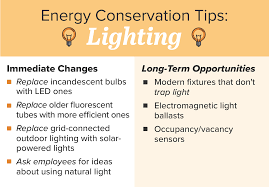
Lighting: While not an “appliance” in the same sense, lighting makes up a significant portion of home energy use. Switching to LED bulbs from incandescent or even CFL bulbs is one of the easiest and most impactful ways to save energy. LEDs use a fraction of the power and last much longer.
Appliance Efficiency Spotlight
Key Energy Consumers:
- Always On: Refrigerators, Freezers.
- High Demand When Active: Dryers, Ovens, Water Heaters.
- Significant Impact: HVAC Systems, Lighting.
Tips: Always look for ENERGY STAR for these big users!
The Role of Installation and Usage
Buying an energy-efficient appliance is only half the battle. How you install it and how you use it makes a huge difference. Even the most efficient machine can waste energy if it’s not set up right or used properly.
This is where real-world experience comes in.
Installation Matters: For things like refrigerators, proper installation means giving it enough space for air to circulate around it. If the coils in the back are blocked, the motor has to work harder. For HVAC systems, professional installation is critical.
Poor installation can lead to leaks or inefficient operation, costing you money from day one.
Usage Habits are Key: For a dishwasher, run it only when it’s full. Use the eco-mode or a shorter cycle if your dishes aren’t heavily soiled. For a washing machine, always use cold water when possible.
This saves the energy needed to heat the water. Front-loaders are more efficient and require less water.
Temperature Settings: For refrigerators and freezers, the ideal temperature is between 35°F and 38°F for the fridge and 0°F for the freezer. Setting them colder than necessary wastes energy. For water heaters, 120°F is usually sufficient and safer.
For HVAC, try to set your thermostat a few degrees higher in summer and lower in winter. Use a programmable or smart thermostat to automate these changes.
Maintenance is Crucial: Regularly clean refrigerator coils. This allows the appliance to run more efficiently. For clothes dryers, always clean the lint trap.
This not only prevents fires but also helps the dryer work better and faster. For HVAC systems, change air filters regularly. This ensures good airflow and system efficiency.
Don’t Overuse: For clothes dryers, don’t over-dry your clothes. They don’t need to be bone dry. Just dry enough to be comfortable to wear.
For ovens, try to cook multiple items at once if possible. Avoid opening the oven door too often while it’s in use, as this lets out heat.
I remember one time, my old refrigerator started making weird noises. I was worried about buying a new one because of the cost. But then I noticed my electric bill had jumped up a lot.
Turns out, the old fridge was struggling. It was using way more power than it should have. Replacing it with an ENERGY STAR model felt like a big upfront cost, but seeing that lower electric bill each month was a huge relief.
It showed me that sometimes, the “fix” is actually an upgrade that saves money in the long run.
Even small changes can add up. Little habits, combined with efficient appliances, create a powerful effect on your energy use and your bills. It’s about being mindful of how your home runs.
Smart Usage Tips
Your Appliance’s Best Friend:
- Full Loads: Dishwashers and washing machines are most efficient when full.
- Cold Water Washes: Saves significant energy for laundry.
- Clean Filters & Coils: Crucial for dryers, refrigerators, and HVAC.
- Optimal Temperatures: Fridge: 35-38°F, Freezer: 0°F, Water Heater: 120°F.
- Smart Thermostats: Automate savings for heating and cooling.
When Are High Energy Ratings Important?
You might be wondering if every appliance needs to be top-tier in energy efficiency. The truth is, some appliances have a much bigger impact on your energy bill than others. Focusing your attention on these key players can yield the best results.
The Big Energy Hogs: Appliances that run constantly or use a lot of power for heating are prime candidates for high energy ratings. Refrigerators, freezers, water heaters, and HVAC systems fall into this category. Because they use energy all the time, even small efficiency gains add up to big savings over years.
Long Lifespan Appliances: If you’re buying an appliance that you expect to keep for a long time, like a refrigerator or a washing machine, investing in a more energy-efficient model makes even more sense. You’ll be benefiting from the savings for many years. A slightly higher upfront cost is quickly offset by lower running costs.
High Usage Homes: If you have a large family, or if you use certain appliances very frequently, their energy consumption will be higher. For example, a family that does laundry every day will see a bigger benefit from an efficient washing machine than a household that does it once a week. Similarly, a home with multiple people cooking frequently will benefit from an efficient oven.
Cost-Conscious Consumers: For anyone looking to reduce their monthly expenses, focusing on energy efficiency is a direct way to achieve that. The money saved on electricity bills can be used for other things. It’s a tangible financial benefit.
Environmentally Conscious Consumers: If you’re concerned about your environmental impact, choosing high-energy-rated appliances is a powerful step. Reducing your home’s energy consumption directly lowers carbon emissions and helps combat climate change. It’s a way to make a positive difference through your purchasing power.
When Replacing Old Appliances: Older appliances are often much less efficient than modern ones. If you have an appliance that’s ten years old or more, replacing it with a current ENERGY STAR model can provide substantial savings. It’s often a good investment when an old appliance needs replacing anyway.
It’s also worth noting that many utility companies offer rebates or incentives for purchasing ENERGY STAR certified appliances. This can help offset the initial cost difference, making efficient models even more attractive. Check with your local power company for potential savings.
So, while it’s always good to aim for efficiency, pay extra attention to the big energy users and appliances that will be in your home for the long haul. These are the areas where you’ll see the biggest return on your investment.
Prioritize Efficiency For:
Where It Counts Most:
- Appliances that run 24/7: Refrigerators, Freezers.
- Heating & Cooling: HVAC systems.
- Water Heating: Water heaters.
- Frequent Use: Washing machines, dryers, ovens.
- Long-Term Investments: Appliances you plan to keep for many years.
Understanding Energy Ratings vs. Water Ratings
It’s important to remember that energy ratings and water ratings are separate but often related. Many appliances use both energy and water. For example, dishwashers and washing machines use both.
Improving efficiency in one area might impact the other.
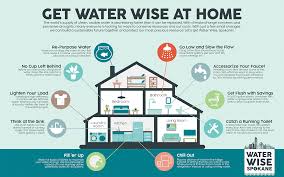
Water Use in Appliances: Appliances like washing machines and dishwashers use water to clean. The amount of water used is often measured in gallons per cycle or per year. For laundry, using less water can mean less energy needed to heat that water.
Energy Use for Water Heating: A major part of an appliance’s energy use can come from heating water. This is true for dishwashers, washing machines, and even some refrigerators with ice makers. If an appliance uses less water, and especially if it heats its own water, it will likely use less energy.
Water Heaters Themselves: The water heater itself is a major energy consumer. Its efficiency rating is about how well it heats and stores water with minimal energy loss. This is different from the energy used by a dishwasher to heat its own water.
ENERGY STAR and Water Savings: ENERGY STAR certified appliances often excel in both energy and water efficiency. They are designed to use less of both resources. This is part of their overall commitment to resource conservation.
Looking at the Whole When you’re comparing appliances, it’s good to look at both energy and water usage if they are relevant. For example, a super energy-efficient dishwasher that uses a huge amount of water might not be the best choice if you live in a dry climate or want to conserve water.
For clothes washers, look for the water factor (WF). This number indicates how many gallons of water are used per cubic foot of clothes capacity. A lower WF is better.
Many ENERGY STAR clothes washers are also WaterSense labeled, which is EPA’s label for water efficiency.
For dishwashers, the estimated water usage per year is often listed. Again, lower is better. High-efficiency dishwashers can use as little as 3 gallons per cycle.
It’s about finding the right balance for your home and your priorities. Sometimes, an appliance that saves a lot of energy might use a bit more water, or vice versa. The key is to be aware of both factors and make an informed decision based on what matters most to you.
The Future of Appliance Energy Efficiency
The drive for energy efficiency in appliances isn’t slowing down. In fact, it’s picking up speed. Manufacturers are constantly pushing the boundaries of what’s possible.
This means better products for consumers and a healthier planet.
Stricter Standards: Government agencies and ENERGY STAR are continuously updating efficiency standards. What was considered “very efficient” a few years ago might be standard or even below standard today. This pressure encourages innovation.
Smart Home Integration: Many new appliances are becoming “smart.” This means they can connect to your home network and be controlled remotely. More importantly, they can communicate with your utility company or other smart devices. They can adjust their energy use based on demand or price signals.
This allows for optimized energy consumption without you lifting a finger.
New Technologies: We’re seeing new technologies emerge. For example, refrigerators are using better insulation and more efficient compressors. Washing machines are using sensors to detect load size and fabric type to use just the right amount of water and energy.
Heat pump technology is becoming more common in dryers and water heaters, offering significant energy savings.
Focus on Lifecycle: There’s a growing awareness of the entire lifecycle of an appliance, from manufacturing to disposal. This includes the energy used to make the product and the materials used. Companies are increasingly looking at sustainable design and manufacturing processes.
Consumer Demand: As consumers become more aware of energy costs and environmental issues, their demand for efficient products grows. This demand fuels further innovation and makes energy efficiency a key selling point for manufacturers.
What This Means for You: When you buy new appliances in the coming years, expect to see even more efficient options. These will likely offer greater savings and better performance. It’s an exciting time to be a consumer interested in saving money and being eco-friendly.
The trend is clear: appliances are getting smarter, more efficient, and more integrated into our lives. This ongoing evolution is good news for both your pocketbook and the planet. Keep an eye out for these advancements when you’re shopping.
Frequently Asked Questions About Appliance Energy Ratings
What does the ENERGY STAR label really mean?
The ENERGY STAR label means a product meets strict energy efficiency guidelines set by the U.S. Environmental Protection Agency (EPA). It indicates the product is more energy-efficient than standard models, saving you money and helping the environment.
How much money can I save with an ENERGY STAR appliance?
Savings vary by appliance and usage, but ENERGY STAR certified appliances often use significantly less energy. For example, a refrigerator might save you $100 or more over its lifetime. Whole-house savings can be hundreds of dollars per year.
Are ENERGY STAR appliances more expensive upfront?
Sometimes, yes. They may have a slightly higher purchase price. However, the energy savings over the appliance’s lifespan typically make them cheaper in the long run.
This is known as the total cost of ownership.
Which appliances should I prioritize for energy efficiency?
Focus on the biggest energy users: refrigerators, freezers, HVAC systems, water heaters, and clothes dryers. Appliances with long lifespans also benefit greatly from efficiency upgrades.
Do I need to do anything special to get the energy savings?
Yes, proper installation and regular use are key. Always follow manufacturer guidelines. Clean filters and coils, use appropriate settings (like cold water for laundry), and don’t overload appliances.
What’s the difference between energy ratings and water ratings?
Energy ratings measure how much electricity or fuel an appliance uses. Water ratings measure how much water it consumes. For appliances like dishwashers and washing machines, both are important for overall efficiency and resource conservation.
Are older appliances really that inefficient?
Yes, generally. Technology and efficiency standards have improved significantly over the years. An older refrigerator, for instance, can use two to three times more energy than a brand-new, ENERGY STAR certified model.
Conclusion
Understanding appliance energy ratings is a powerful tool. It helps you make smart choices for your home and your budget. By looking for labels like ENERGY STAR and knowing how to read them, you can pick machines that save you money and reduce your impact on the planet.
It’s a simple step with big rewards.

Leave a Reply