
Saving energy at home is about making smart choices to use less power. This cuts your utility bills and lowers your home’s environmental impact. It involves simple habits and small upgrades that add up to big savings over time for your family and the earth.
Understanding Your Home’s Energy Use
Your home uses energy for many things. Heating and cooling are usually the biggest users. Then comes water heating, lighting, and all your appliances.
Even small things like your TV on standby can use power. Knowing where your energy goes helps you find the best ways to save. It’s like a puzzle, and we want to find all the pieces that use too much power.
Many people think saving energy means living in the dark or being cold. That’s not true! It’s about being smarter with the energy you use.
Think of it as getting more comfort for less cost. We want to get the most bang for our energy buck. This means looking at your home and seeing where energy might be escaping or being used wastefully.
The average U.S. home uses a lot of electricity and gas. This cost adds up fast.
Many of these uses are not always obvious. You might not even realize some energy is being wasted. This guide will help you spot those hidden energy hogs.
We will look at common areas and simple fixes you can do yourself.
My Own Energy-Saving Wake-Up Call
I remember a particularly chilly winter about five years ago. My heating bill was astronomical. I lived in an older house, and I could feel drafts coming from pretty much everywhere.
I was constantly turning the thermostat up, but it never felt truly warm. I felt a knot of worry every time I saw the monthly statement. It felt like a huge chunk of my paycheck was just vanishing into the cold air.
One evening, while reading by the dim glow of a lamp, I noticed a tiny stream of air moving across the back of my hand. I followed it back and found a gap around an old window frame. It was so small I’d never noticed it before.
That little gap was letting precious heat escape, and cold air sneak in. That was the moment I realized just how much energy I was literally letting slip away without even knowing it. It was an eye-opener, and it kicked off my journey to make my home more efficient.
It wasn’t just about the money, though that was a huge factor. It was also about feeling more comfortable in my own home. I wanted to stop feeling like I was constantly battling the elements.
I started looking for other places where energy might be wasted. I learned that small changes could have a big impact. It took some effort, but the results were worth it.
Home Energy Check-Up: Quick Scan
Heating & Cooling: This is often the biggest slice of your energy pie. Check for drafts, leaky windows, and old insulation. Make sure your system is running well.
Water Heating: Hot water uses a lot of energy. Lowering the thermostat on your water heater can help. Insulating pipes also makes a difference.
Lighting: Old incandescent bulbs use way more power than LEDs. Switching to LEDs is a simple, cost-effective change.
Appliances: Older appliances can be energy hogs. Look for the ENERGY STAR label on new ones. Even how you use them matters.
Electronics: Many devices use power even when off (standby mode). Unplugging them or using smart power strips can save energy.
Smart Heating and Cooling Habits
Heating and cooling your home often use the most energy. Making small changes here can save you a lot. It’s all about using the right amount of power, not too much.
We want to stay comfy without wasting energy.
Thermostat Settings: This is key. When you’re home and awake, set your thermostat to a comfortable but energy-saving temperature. For example, 68°F in winter is often good.
In summer, try 78°F when you’re home. When you leave or sleep, lower it in winter and raise it in summer. Every few degrees can save you money.
Programmable and Smart Thermostats: If you don’t have one, consider a programmable thermostat. You can set it to change the temperature automatically based on your schedule. A smart thermostat learns your habits and can be controlled from your phone.
This is super handy for saving energy without thinking about it.
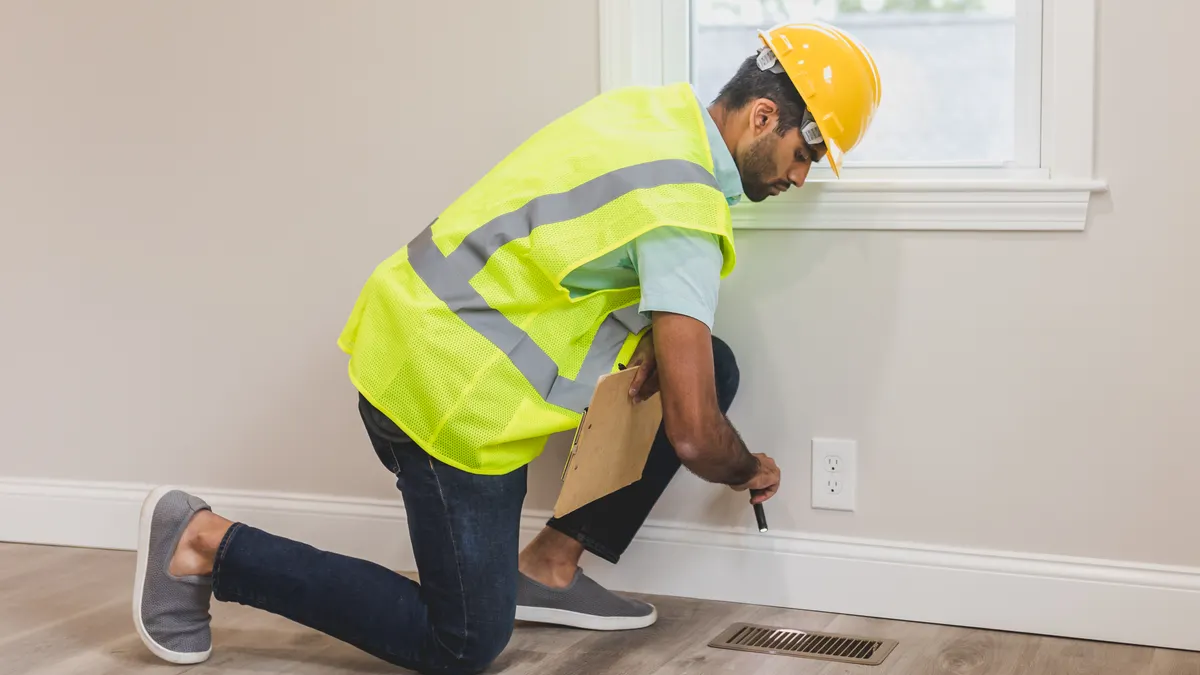
Seal Air Leaks: Drafts are energy thieves. Check around windows, doors, electrical outlets, and where pipes enter your home. Use caulk or weatherstripping to seal these gaps.
This stops heated or cooled air from escaping. It also keeps outside air from coming in.
Insulation is Your Friend: Good insulation in your attic and walls acts like a blanket for your home. It keeps heat in during winter and out during summer. If your insulation is old or thin, adding more can make a big difference.
Check your attic first; it’s often the easiest place to add insulation.
Window Treatments: Use blinds, curtains, or shutters wisely. In winter, open them during the day to let the sun warm your home. Close them at night to keep heat in.
In summer, close them during the hottest parts of the day to block the sun’s heat. This simple step can cool your home naturally.
HVAC Maintenance: Your heating and cooling system (HVAC) needs regular check-ups. Change air filters often, usually every 1-3 months. Dirty filters make your system work harder and use more energy.
Get a professional tune-up each year. This keeps it running efficiently and can catch problems early.
Use Fans: Ceiling fans and portable fans can make a room feel cooler. This lets you set your air conditioner a few degrees higher. Fans use much less energy than an AC unit.
Remember, fans cool people, not rooms. Turn them off when you leave the room.
Seasonal Savings Tips
Winter:
- Close curtains at night.
- Seal drafts around windows and doors.
- Lower thermostat when sleeping or away.
Summer:
- Use blinds to block sun during peak heat.
- Use fans to supplement AC.
- Ensure AC unit is clean and serviced.
Efficient Lighting Choices
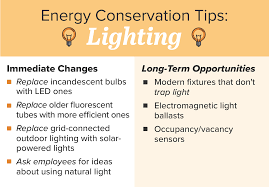
Lighting is an easy area to make quick energy savings. Older bulbs use a lot of power to produce light. Newer options are much better for your wallet and the planet.
Switch to LED Bulbs: This is one of the simplest and most effective energy-saving upgrades. LED (Light Emitting Diode) bulbs use up to 80% less energy than old incandescent bulbs. They also last much longer, meaning fewer bulb changes.
Look for ENERGY STAR certified LEDs for the best performance.
Use Lights Only When Needed: This sounds obvious, but it’s easy to forget. Make a habit of turning off lights when you leave a room. Teach your family to do the same.
You can also use timers or motion sensors for lights in areas like hallways or closets.
Maximize Natural Light: Open your blinds and curtains during the day to let sunlight in. This reduces the need for artificial lighting. Arrange your furniture so you can read or work near windows.
This makes your home feel brighter and uses free, natural light.
Consider Task Lighting: Instead of lighting a whole room brightly, focus light where you need it. Use a desk lamp for reading or a spotlight over your kitchen counter. This uses less energy than a large overhead light.
It also creates a cozier atmosphere.
Choose the Right Brightness and Color: Bulbs come in different brightness levels (lumens) and colors (kelvins). You don’t need the brightest bulb for every situation. For living rooms, softer, warmer light is often best.
For kitchens or workspaces, brighter, cooler light might be preferred. Using the right bulb for the job saves energy and improves your space.
Keep Fixtures Clean: Dust and dirt can reduce the light output of your bulbs. Regularly clean your light fixtures. This ensures you’re getting the most light from the energy used.
It also makes your home look tidier.
LED Benefits at a Glance
Energy Savings: Use up to 80% less energy than old bulbs.
Longer Life: Last 15-25 times longer.
Less Heat: Produce very little heat, reducing cooling costs.
Durability: More resistant to breakage.
Cost: Initial cost is higher, but long-term savings are significant.
Saving Water, Saving Energy
Did you know that heating water uses a lot of energy? The U.S. Department of Energy estimates that water heating is the second-largest energy expense in most homes.
So, using less hot water means using less energy. It’s a win-win for your budget and the environment.
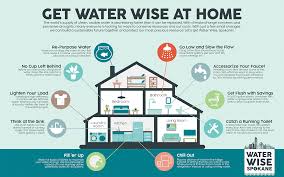
Lower Your Water Heater Temperature: Most water heaters are set higher than necessary. A setting of 120°F (49°C) is usually sufficient for most households. This simple adjustment can save you money on water heating costs.
It also reduces the risk of scalding, especially if you have children or elderly family members.
Install Low-Flow Fixtures: Low-flow showerheads and faucet aerators use less water. This means you use less hot water. You can find these at any hardware store.
They are easy to install yourself and can significantly reduce your hot water usage without sacrificing water pressure.
Fix Leaks Promptly: A leaky faucet or showerhead can waste a surprising amount of water, and hot water if it’s a hot water leak. A small drip can add up to gallons of wasted water over time. Fix leaks as soon as you notice them.
It’s good for your water bill and your energy bill.
Wash Clothes in Cold Water: Most modern detergents work well in cold water. Washing your clothes in cold water can save a significant amount of energy. The main energy use in washing machines is heating the water.
Check your washing machine’s settings and opt for cold water whenever possible.
Run Full Loads: Only run your dishwasher and washing machine when they are full. This makes sure you’re getting the most out of each cycle. Running half loads uses almost as much energy and water as full loads.
It’s just less efficient.
Insulate Your Water Heater and Pipes: If your water heater is older, consider an insulating blanket. This keeps the water hotter for longer, so the heater doesn’t have to turn on as often. Also, insulate the first few feet of hot water pipes coming from the heater.
This prevents heat loss as the water travels.
Take Shorter Showers: Hot water is a big energy user. Cutting just a few minutes off your shower time can save a lot of energy over the year. Think about how much hot water you’re using and if you can be a bit more efficient.
Water-Saving Appliance Features
Dishwashers: Look for models with soil sensors that adjust water use. Choose energy-efficient cycles.
Washing Machines: Select front-loading machines; they use less water and energy. Some have built-in heaters for hot water if needed.
Water Heaters: Consider tankless models for continuous hot water on demand, or high-efficiency tank models.
Energy-Efficient Appliance Use and Choices
Appliances are essential, but they can also be major energy consumers. Choosing the right appliances and using them wisely can make a big difference in your energy bills.
Look for the ENERGY STAR Label: When buying new appliances, always look for the ENERGY STAR label. This is a government-backed symbol that identifies products that meet strict energy efficiency guidelines set by the U.S. Environmental Protection Agency (EPA).
ENERGY STAR certified appliances use less energy and water than standard models.
Refrigerator and Freezer Efficiency: These run 24/7, so efficiency is crucial. Keep your refrigerator and freezer coils clean. Dust on the coils makes the unit work harder.
Make sure the door seals are tight; test them by closing the door on a piece of paper. If you can pull the paper out easily, the seal might need replacing.
Oven vs. Microwave/Toaster Oven: For smaller meals or reheating, a microwave or toaster oven uses much less energy than a full-size oven. When you do use your oven, try to avoid opening the door too often.
Each time you open it, the temperature drops significantly, and the oven has to work harder to reheat.
Laundry Room Smarts: As mentioned before, wash clothes in cold water. Always run full loads. For drying clothes, clean the lint filter after every load.
A clogged filter reduces airflow, making the dryer run longer and use more energy. If possible, air-dry your clothes on a line or rack, especially in warmer months.
Dishwasher Efficiency: Run your dishwasher only when it’s full. Scrape food off plates, but don’t pre-rinse them unless absolutely necessary. Modern dishwashers are designed to handle food particles.
Use the air-dry setting instead of the heated dry cycle if your dishwasher has one.
Standby Power (Phantom Load): Many electronics continue to draw power even when they are turned off. This is called standby power or phantom load. Things like TVs, computers, gaming consoles, and chargers all contribute.
Use smart power strips that you can turn off completely. Unplug chargers when not in use. It may seem small, but it adds up.
Consider Appliance Age: Older appliances are often much less energy-efficient than newer models. If your refrigerator is over 10-15 years old, or your washing machine or dryer is even older, it might be costing you more in energy bills than a new, efficient model would. Do a cost comparison.
Energy-Saving Appliance Habits
- Refrigerator: Keep coils clean, check door seals.
- Oven: Use smaller appliances for small meals, avoid frequent door opening.
- Washer/Dryer: Use cold water, full loads, clean lint filter.
- Dishwasher: Run full loads, use air-dry setting.
- Electronics: Unplug chargers, use smart power strips.
Understanding Your Energy Bill and Usage
It’s easy to pay your energy bill without really looking at it. But understanding it can reveal a lot about your home’s energy habits. Your utility company provides a lot of useful information.
Take a few minutes to really look at your statement.
Read Your Bill Carefully: Most bills will show your total energy usage for the month, often in kilowatt-hours (kWh) for electricity or therms for gas. They will also show how this compares to previous months or the same month last year. Look for any fees or charges you don’t understand.
Contact your utility company if you have questions.
Usage Patterns: Some bills show your usage hour by hour or day by day. This can help you identify when you use the most energy. Is it mostly in the evenings?
Or are you using a lot of power during the day while you’re at work? This can point to specific appliances or habits that need adjustment.
Demand Charges (for some commercial or high-usage residential accounts): While less common for typical homes, some plans have “demand charges.” These are based on your peak usage at any one time, not just your total usage. If you have this, running many high-power appliances at once can significantly increase your bill.
Time-of-Use Rates: Some utility companies offer “time-of-use” (TOU) rates. This means electricity costs more during peak hours (usually late afternoon/early evening) and less during off-peak hours (like overnight). If you have TOU rates, shifting your energy-intensive tasks like running the dishwasher or doing laundry to off-peak times can save you money.
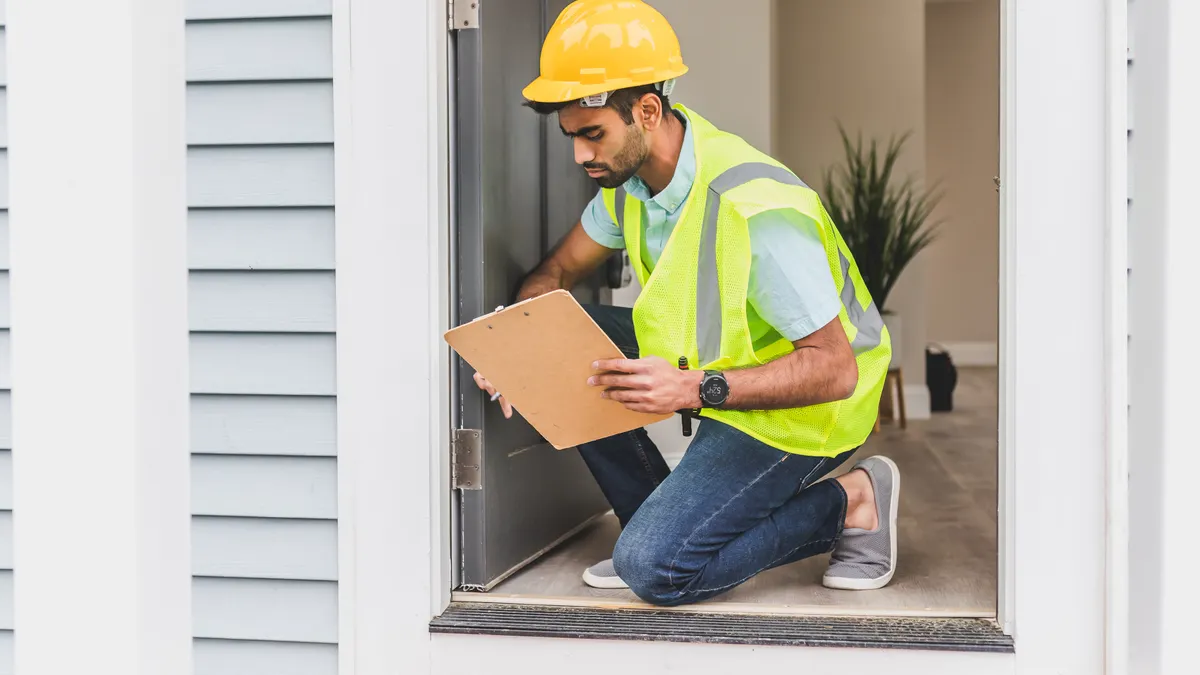
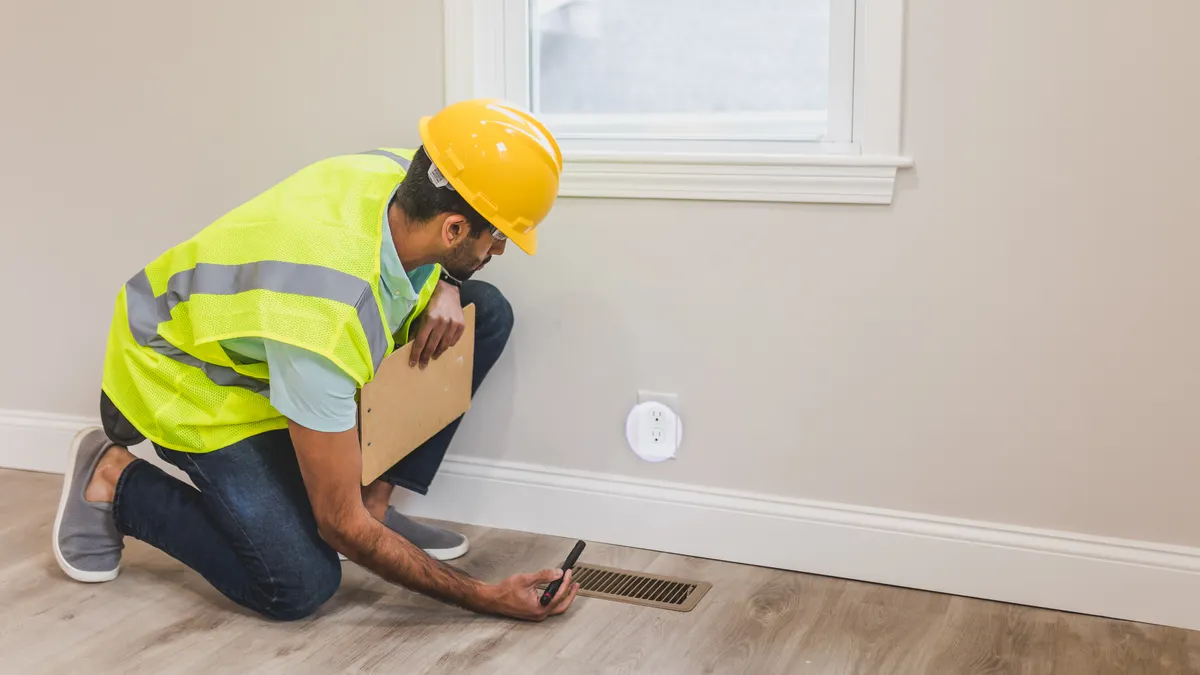
Energy Audits: Many utility companies offer free or low-cost home energy audits. An auditor will come to your home and assess your energy use. They can identify areas where you’re losing energy and suggest specific improvements.
This is a great way to get expert advice tailored to your home.
Monitoring Devices: You can buy home energy monitors that plug into your electrical panel or individual outlets. These devices track your energy consumption in real-time and can help you pinpoint energy-hogging appliances. Some smart thermostats also offer energy usage reports.
Understanding Your Bill Terms
Kilowatt-hour (kWh): The standard unit for measuring electricity consumption.
Therms: A unit for measuring natural gas consumption.
Peak Hours: Times of day when electricity demand is highest, often resulting in higher prices.
Off-Peak Hours: Times of day when electricity demand is lowest, usually cheaper.
Standby Power: Energy used by electronics when they are turned off but still plugged in.
Real-World Context: Habits and Home Design
Saving energy isn’t just about gadgets; it’s also deeply tied to our daily habits and the way our homes are built and maintained. What works in one home or for one person might be different for another. Let’s look at some common scenarios.
The “Always On” Household: Some homes have lights left on in empty rooms, electronics left running unnecessarily, or thermostats cranked up even when no one is home. These habits are often unintentional, born from convenience or simply not thinking about it. Changing these small habits—like flicking a switch as you leave a room—can lead to noticeable savings.
It’s about building mindfulness around energy use.
Older Homes vs. Newer Homes: Older homes often have less insulation, single-pane windows, and less efficient heating and cooling systems. This means more energy is needed to maintain a comfortable temperature.
Newer homes, especially those built to current building codes, tend to be much more energy-efficient from the start. However, even old homes can be significantly improved with targeted upgrades.
Climate’s Role: Where you live makes a big difference. Homes in very cold climates will use more energy for heating, while homes in hot, humid climates will use more for cooling. Understanding your local climate helps you prioritize your energy-saving efforts.
For instance, improving attic insulation is critical in cold regions, while shade trees and good window coverings are vital in hot ones.
DIY vs. Professional Help: Some energy-saving tasks are easy DIY projects, like changing light bulbs or caulking a window. Others, like adding attic insulation or upgrading an HVAC system, might require professional help.
It’s important to know your limits and when to call in experts for safety and effectiveness. Home energy audits can help you decide what’s best for your situation.
The Impact of Lifestyle: Do you work from home? Do you have a large family with many active electronics? Do you entertain often?
Your lifestyle influences your energy use. For example, someone working from home might need to heat or cool more spaces during the day, while a family on the go might benefit more from smart thermostats that adjust automatically when no one is home.
Rental Properties: If you rent, your ability to make changes might be limited. However, you can still make a big impact with behavioral changes and by talking to your landlord about energy-efficient upgrades. Simple things like using power strips, changing light bulbs (if allowed), and being mindful of thermostat settings are still within your control.
Energy-Saving Environment Factors
Home Age: Older homes may need more insulation and sealing.
Window Type: Single-pane windows lose more heat/cold than double-pane.
Roof Color: Light-colored roofs reflect heat, keeping homes cooler in summer.
Landscaping: Trees can provide shade, reducing cooling needs.
What This Means for You: When to Act
So, what does all this mean for you and your home? It means you have a lot of control over how much energy you use and how much you spend. The good news is that most energy-saving steps are not difficult or expensive.
When It’s Normal to Use More Energy: It’s normal for your energy bills to be higher during extreme weather. Winter usually means more heating, and summer means more cooling. Holidays and special occasions, when you might have more people in the house or use more appliances, can also lead to temporary increases.
When to Worry (and Act): If your energy bill suddenly jumps without a clear reason, like extreme weather or a new appliance, it’s time to investigate. It could mean an appliance is malfunctioning, there’s a leak in your heating or cooling system, or something else is wrong. High bills that seem to be climbing steadily over time, even without extreme weather, also warrant a closer look.
Simple Checks You Can Do:
- Feel for drafts: Walk around your windows and doors. Can you feel air moving?
- Check appliance age: Are your major appliances very old?
- Look at your thermostat: Is it set to an energy-saving temperature when you’re away or asleep?
- Examine light bulbs: Are they old incandescent bulbs that you could
- Listen to your HVAC: Is your furnace or air conditioner making strange noises or running constantly?
Prioritize Your Efforts: You don’t have to do everything at once. Start with the easiest and most cost-effective changes, like switching to LED bulbs and adjusting your thermostat. Then, tackle bigger projects as your budget allows, such as adding insulation or upgrading appliances.
Even small, consistent efforts add up to significant savings over time.
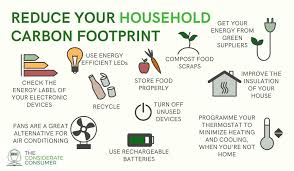
The Bigger Saving energy at home is not just about saving money. It also reduces your home’s carbon footprint, which is good for the environment. It contributes to energy independence and can even make your home more comfortable and valuable.
It’s a smart, responsible choice for everyone.
Energy Saving Action Checklist
Low Effort, High Impact:
- Switch to LED bulbs.
- Adjust thermostat settings.
- Turn off lights when leaving rooms.
- Unplug unused chargers.
Medium Effort, Good Impact:
- Caulk and weatherstrip doors/windows.
- Wash clothes in cold water.
- Clean appliance coils and filters.
Higher Effort, Significant Impact:
- Add attic insulation.
- Upgrade to ENERGY STAR appliances.
- Install a programmable thermostat.
Quick Fixes and Tips for Home Energy Savings
Sometimes, you just need a few simple, actionable tips to get started or to reinforce good habits. Here are some quick wins for saving energy around your home:
- Use Power Strips: Plug electronics into power strips and turn the strips off when not in use. This easily cuts off standby power.
- Unplug “Energy Vampires”: Devices like phone chargers, old TVs, and computer monitors draw power even when off. Unplug them when not actively using them.
- Keep Vents Clear: Make sure furniture, curtains, or rugs aren’t blocking air vents. This allows for better airflow from your heating and cooling system.
- Close Doors to Unused Rooms: If you’re not using a particular room, close the door and turn down the heat or AC in that space. This focuses your climate control where it’s needed.
- Use a Microwave or Toaster Oven: For small meals, these use much less energy than a full-sized oven.
- Air Dry Dishes: Let your dishwasher air dry instead of using the heated dry cycle. Open the door after the wash cycle to let them dry naturally.
- Clean Refrigerator Coils: Dust on refrigerator coils makes the motor work harder. Vacuum them at least twice a year.
- Check Your Home’s Age: Older homes (pre-1980s) are often less energy-efficient. Focus on insulation and air sealing for these.
- Use Fans: In summer, ceiling or portable fans can make you feel cooler, allowing you to set your thermostat a few degrees higher.
- Maintain Appliances: Regular maintenance on your HVAC system and appliances ensures they run at peak efficiency.
These are small steps, but when done consistently, they really add up. They require minimal effort but can lead to noticeable savings on your utility bills. It’s about building these simple actions into your daily routine.
Smart Home Energy Tips
Smart Thermostat: Learns your schedule, can be controlled remotely.
Smart Plugs: Control individual outlets remotely, monitor energy use.
Smart Lighting: Control lights via app, set schedules, use motion sensors.
Energy Monitoring Apps: Some utility companies offer apps to track usage.
Frequently Asked Questions About Saving Energy at Home
How much money can I really save by saving energy at home?
The amount you can save varies widely based on your home, your habits, and your climate. However, many studies and reports show that implementing energy-saving measures can reduce utility bills by 10% to 30% or even more. Simple actions like switching to LED bulbs and adjusting your thermostat can lead to savings of dozens or even hundreds of dollars per year.
What is the single best way to save energy at home?
If there’s one single best way, it’s often adjusting your thermostat settings. Using a programmable or smart thermostat to lower the temperature when you’re asleep or away in winter, and raise it in summer, has a huge impact. Heating and cooling are typically the biggest energy users in a home, so controlling them efficiently makes a major difference.
Are there government programs or rebates for energy efficiency upgrades?
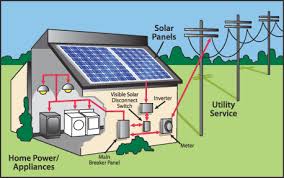
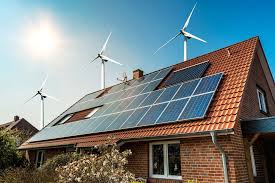
Yes, many federal, state, and local governments, along with utility companies, offer rebates, tax credits, and incentives for energy-efficient upgrades. These can include things like installing ENERGY STAR appliances, improving insulation, upgrading windows, or installing solar panels. Checking with your local utility company or government energy office is a great first step to see what’s available in your area.
Does unplugging electronics really make a difference?
Yes, it does! This is often called “standby power” or “phantom load.” Many electronics continue to draw power even when they are turned off but still plugged in. While the amount of power for a single device is small, the cumulative effect of many devices drawing power constantly can add up over time.
Using power strips that you can switch off completely is an easy way to manage this.
How often should I get a professional home energy audit?
A professional home energy audit is recommended every few years, or after making significant changes to your home (like major renovations or insulation upgrades). It provides a comprehensive assessment of your home’s energy performance and helps you identify the most cost-effective upgrades. Many utility companies offer these audits at a low cost or even for free.
What’s the difference between energy efficiency and energy conservation?
Energy efficiency means using less energy to perform the same task. For example, using an LED bulb instead of an incandescent bulb is more energy-efficient. Energy conservation means reducing your overall energy use, often by changing your behavior.
For instance, turning off lights when you leave a room is energy conservation. Both are important for saving energy.
Are smart home devices worth the cost for energy savings?
For many people, yes. Smart thermostats can automate temperature adjustments, leading to consistent savings. Smart plugs and lighting can help manage energy use remotely and on schedules.
While there’s an upfront cost, the energy savings over time can often justify the investment, especially if you’re looking for convenience and better control over your home’s energy consumption.
Conclusion: Your Energy Savings Journey Starts Now
Making your home more energy-efficient is a journey, not a destination. It’s about making conscious choices every day that benefit your wallet and the planet. You have the power to make a real difference.
Start small, celebrate your wins, and gradually incorporate more energy-saving habits and upgrades. Your home will become more comfortable, your bills will be lower, and you’ll be doing your part for a healthier environment. Every step you take counts!


Leave a Reply