
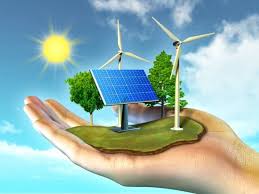
Choosing environmentally friendly energy means picking power sources that don’t harm the planet. These sources often use natural resources that can be renewed. They also produce little to no pollution.
This helps fight climate change. It also keeps our air and water cleaner for everyone.
What Are Eco-Friendly Energy Options?
Eco-friendly energy, also called green energy or renewable energy, comes from natural sources. These sources replenish themselves. They don’t run out like coal or oil.
Think of the sun, the wind, and heat from inside the Earth. These are all powerful, clean ways to get the energy we need.
Using these options helps reduce our reliance on fossil fuels. Fossil fuels are a major cause of pollution. They also release greenhouse gases.
These gases trap heat in the atmosphere. This leads to climate change. Green energy helps slow this down.
It’s about making smarter choices for our future.
My Own Green Energy Wake-Up Call
I remember feeling this exact confusion a few years back. I was looking at my electricity bill. It felt so high.
But more than that, I started thinking about where that power came from. I saw news stories about coal plants and pollution. It just didn’t sit right with me.
I wanted to find a better way.
I started doing a lot of reading. It felt like I was wading through technical terms. But then, I found a local solar panel installer.
They explained things simply. They talked about sunshine turning into electricity. It sounded almost magical.
Seeing the panels on my neighbor’s roof made it feel real. It made me think, “Maybe this is something I can actually do.” It was a big step, but the thought of using clean power was exciting.
The Big Why Green Energy Matters
Cleaner Air: Fossil fuels release harmful particles when burned. Green energy sources like solar and wind don’t. This means less smog.
It also means fewer breathing problems for people.
Fighting Climate Change: Greenhouse gases from fossil fuels cause global warming. Renewables produce very few, if any, of these gases. This is a crucial step in protecting our planet.
Energy Independence: Relying on many different renewable sources makes a country less dependent on foreign oil. This can lead to more stable energy prices.
Job Creation: The green energy industry is growing. It creates new jobs in manufacturing, installation, and maintenance.
Solar Power: Harnessing the Sun’s Rays
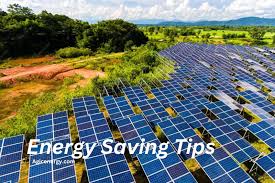
Solar energy is probably the most talked-about green option. It uses sunlight to make electricity. This happens through solar panels.
These panels have special materials. When sunlight hits them, they create an electric current. This is called the photovoltaic effect.
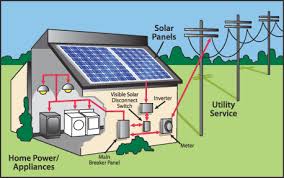
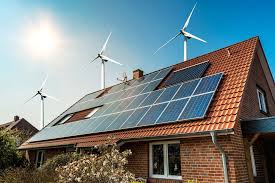
You can get solar power in a few ways. You can install solar panels on your roof. This is called rooftop solar.
The electricity your panels make can power your home. If you make more than you need, you can often sell it back to the power company. This is called net metering.
Another way is through a community solar program. You subscribe to a share of a larger solar farm. You get credits on your electricity bill for the power it produces.
This is great if you can’t put panels on your own roof. Maybe you rent your home. Or maybe your roof isn’t ideal for panels.
Solar power is becoming much more affordable. The cost of panels has dropped a lot. Many companies offer financing options.
This makes it easier for homeowners to switch. It’s a big investment, but it can pay off over time. You’ll see lower electricity bills.
And you’re using clean energy.
Solar Panel Quick Facts
- How they work: Sunlight hits silicon cells in the panels. This knocks electrons loose. This creates a DC (direct current) electricity flow.
- What happens next: An inverter changes the DC electricity into AC (alternating current). This is the kind of electricity your home uses.
- Lifespan: Solar panels typically last 25 to 30 years. They often come with performance warranties.
- Maintenance: They need very little maintenance. Occasional cleaning might be needed if they get very dirty.
- Best for: Homes with good sun exposure. South-facing roofs are usually best in the Northern Hemisphere.
Wind Energy: Capturing the Breeze
Wind power uses the force of the wind to generate electricity. Large wind turbines are like giant pinwheels. The wind spins their blades.
This spins a shaft. The shaft is connected to a generator. The generator then produces electricity.
Wind turbines can be grouped together in wind farms. These are often in windy areas. This can be on land or out at sea.
Offshore wind farms can capture stronger, more consistent winds. They are becoming increasingly popular.
For individual homes, small wind turbines are an option. These are much smaller than the big ones you see in farms. They might be suitable for rural properties.
They need enough consistent wind to be effective. Often, people pair them with battery storage.
Wind energy is a major source of renewable power globally. It’s a clean process. It doesn’t produce air pollution.
However, there can be local concerns. Some people worry about the visual impact of turbines. Others mention noise.
But the overall environmental benefits are huge.
Wind Power: Myth vs. Reality
Myth: Wind turbines kill lots of birds.
Reality: While some birds are affected, the number is far less than those killed by buildings, cars, or even cats. Modern turbine designs and careful siting help reduce this risk.
Myth: Wind power is unreliable because the wind doesn’t always blow.
Reality: While wind can be intermittent, grid operators use many turbines across large areas. This evens out power supply. Also, energy storage solutions like batteries are improving rapidly.
Geothermal Energy: Earth’s Natural Heat
Geothermal energy taps into the heat stored beneath the Earth’s surface. This heat is constant. It’s there day and night, rain or shine.
Geothermal power plants use steam or hot water from deep underground. They use this to spin turbines and generate electricity.
For homes, geothermal systems are used for heating and cooling. These are called geothermal heat pumps. They don’t generate electricity.
Instead, they move heat. In winter, they pull heat from the ground into your home. In summer, they move heat from your home back into the ground.
This system uses electricity, but much less than a traditional furnace or air conditioner. It’s very efficient. It works by using the stable temperature of the Earth.
The ground below a certain depth stays around 50-60 degrees Fahrenheit year-round.
Installing a geothermal system involves burying pipes underground. This is called a ground loop. It’s an upfront cost.
But these systems are very durable. They can last 50 years or more for the ground loop. The indoor unit lasts about 20-25 years.
The energy savings over time can be significant. It’s a powerful way to reduce your heating and cooling energy use.
Geothermal Heat Pump: How It Works
Winter: A fluid circulates through underground pipes. It absorbs heat from the earth. This warmed fluid goes to the heat pump inside your home.
The heat pump uses a small amount of electricity to concentrate this heat. It then blows warm air into your home.
Summer: The process reverses. The heat pump takes heat from your home’s air. It transfers this heat to the fluid in the ground loop.
The fluid carries the heat away and dissipates it into the cooler earth.
Hydropower: Energy from Moving Water
Hydropower uses the energy of moving water. This is most often done with dams. Water flows through turbines in the dam.
This spins the turbines, which generate electricity. Hydropower has been used for a long time. It’s a reliable source of energy.
Large dams can produce a lot of power. They can also store water in reservoirs. This allows them to control the flow of water.
This means they can generate electricity on demand. However, large dams can have environmental impacts. They can change river ecosystems.
They can affect fish migration.
There are also smaller-scale hydropower systems. These can be used for individual homes or communities. They might use the flow of a river or stream.
These smaller systems generally have fewer environmental concerns.
In the U.S., hydropower is a significant part of our energy mix. It provides a substantial amount of renewable electricity. While new large dam projects are rare, existing ones continue to be important.
They are a key part of our clean energy infrastructure.
Hydropower: Key Points
- Source: Moving water (rivers, tides).
- Technology: Dams with turbines, tidal energy systems.
- Pros: Reliable, low operating costs, flood control, water supply.
- Cons: High upfront cost, environmental impacts on rivers, can be affected by drought.
Biomass Energy: Power from Organic Matter
Biomass energy comes from organic materials. This includes things like wood, crops, and waste. These materials can be burned to create heat.
They can also be converted into biofuels like ethanol or biogas. These can then be used for energy.
Biomass is considered renewable. This is because plants can be regrown. When biomass burns, it releases carbon dioxide.
However, the idea is that this carbon was taken from the atmosphere by the plants as they grew. So, it’s part of a natural cycle. The key is to manage biomass sources sustainably.
Burning biomass can release air pollutants. So, it needs to be done with careful technology. Biofuels are often used in vehicles.
Biogas can be used for heating or to generate electricity. It’s a way to use waste materials that would otherwise go to landfills.
There’s ongoing research into making biomass energy even cleaner and more efficient. It plays a role in waste management. It also provides an alternative to fossil fuels in certain applications.
It’s a complex area with both benefits and challenges.
Biomass Uses
Heat: Burning wood in fireplaces or stoves. Industrial boilers using wood chips.
Electricity: Burning waste to create steam that turns turbines.
Biofuels: Ethanol from corn or sugarcane for cars. Biodiesel from vegetable oils.
Biogas: Methane from decomposing organic waste used for heating or electricity.
Other Green Energy Innovations
The world of green energy is always growing. New ideas are coming up all the time. Tidal energy is one example.
It uses the rise and fall of ocean tides to generate power. Wave energy is another. It captures the energy from ocean waves.
Ocean thermal energy conversion (OTEC) uses the temperature difference between warm surface water and cooler deep ocean water. These technologies are still developing. They have the potential to be significant clean energy sources.
Especially in coastal regions.
There’s also a lot of work being done on energy storage. Batteries are key here. They allow us to store solar or wind power when it’s plentiful.
We can then use it when the sun isn’t shining or the wind isn’t blowing. Better batteries make renewable energy more reliable.
Emerging Green Tech Snapshot
Tidal Energy: Uses ocean tides. Predictable but site-specific.
Wave Energy: Captures motion of ocean waves. Still early in development.
Advanced Batteries: Store renewable energy for later use. Crucial for grid stability.
Real-World Energy Choices in American Homes
In American homes, the most common green energy choices involve solar panels. Many homeowners are installing rooftop solar. You see them on houses in sunny states like California and Arizona.
But also in places like New Jersey and Massachusetts. Federal tax credits have made this more affordable.
Another popular option is buying green power from your utility company. Many electric companies offer programs. You can choose to buy a portion or all of your electricity from renewable sources.
They often source this from wind farms or solar projects. You might pay a small premium for this. But it’s a simple way to support green energy.
Geothermal heating and cooling is also gaining traction. Especially in areas with colder winters or hotter summers. It’s a big investment upfront.
But homeowners who have it often talk about huge savings on their energy bills. They love the consistent comfort it provides.
Community solar is another growing trend. This is great for people who can’t install panels on their own homes. This includes renters.
It also includes people living in condos or homes with shaded roofs. They can still benefit from solar power.
What Does This Mean for Your Home’s Energy?
For most of us, making the switch to fully green energy isn’t an overnight thing. It’s about making informed choices. It’s about understanding what’s available.
When is something normal? When should you pay closer attention?
Normal: If your utility offers a green power option, signing up is a normal and easy step. It directly supports renewable energy projects. If you’re building a new home, considering geothermal heating and cooling is very normal.
It’s a smart long-term investment.
When to Worry (Slightly): If you’re considering rooftop solar, do your homework. Get quotes from multiple installers. Understand the warranties.
Make sure your roof is in good condition. Don’t feel pressured into a decision.
Simple Checks: Look at your electricity bill. See if your utility offers a green power program. Research community solar options in your area if you rent or have shaded roofs.
For larger investments like solar or geothermal, talk to trusted professionals. Get multiple opinions.
It’s important to remember that “green” can mean different things. Some options are more efficient than others. Some have bigger upfront costs.
The best choice for you depends on your home, your location, and your budget.
Quick Check: Is Your Energy Green?
Utility Green Power Program: Check your electric bill or company website. This is the easiest step.
Community Solar: Search online for “community solar “. See if you qualify.
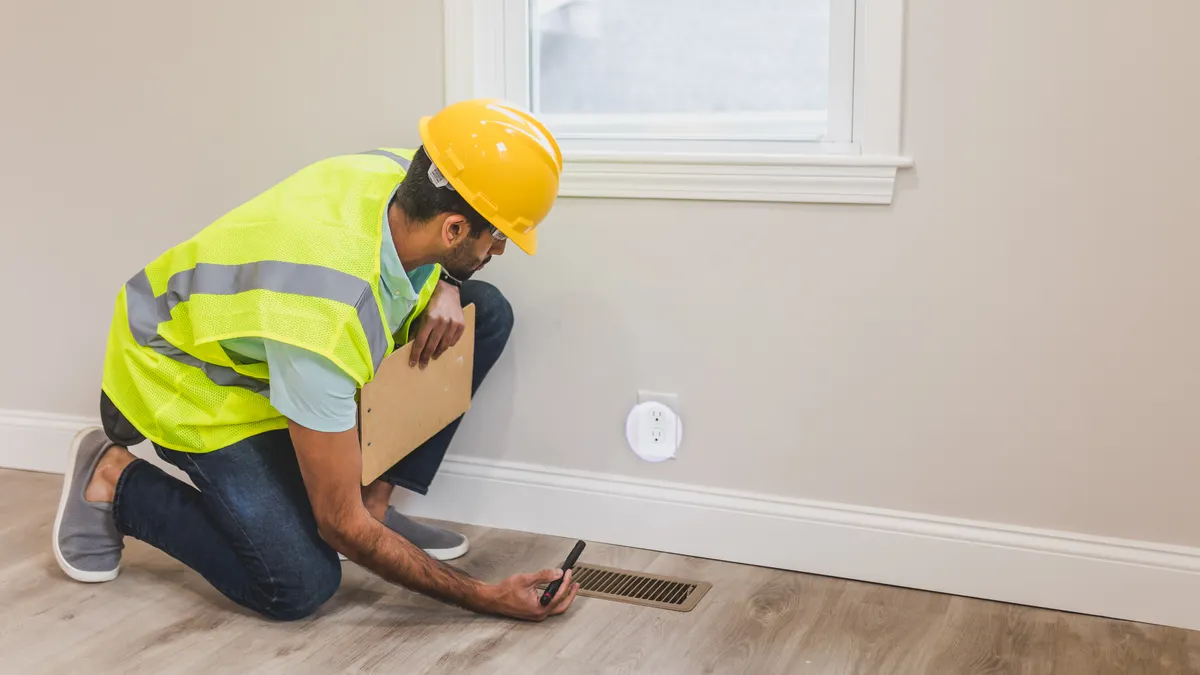
Home Energy Audit: A professional can tell you how to improve efficiency. This is always a good first step before major upgrades.
Making Smart Energy Choices Today
The idea of using environmentally friendly energy doesn’t have to be complicated. It starts with small steps. For many, the easiest first step is to choose a green power plan from their current utility.
This supports renewable energy without any changes to your home. You just select it on your bill.
If you own your home, and have good sun exposure, getting quotes for solar panels is a great next step. Look for local installers with good reviews. Understand the costs and the potential savings.
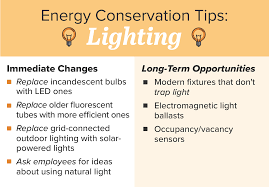
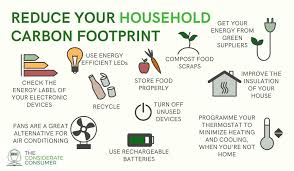
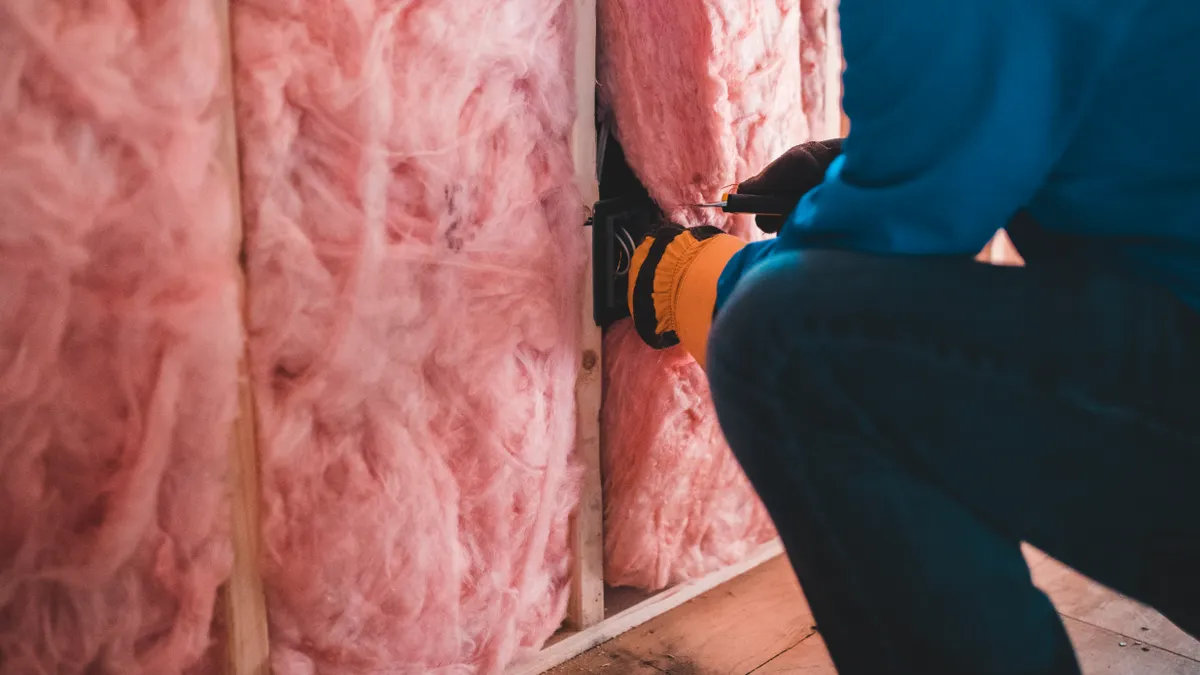
Think about energy efficiency upgrades too. Things like better insulation and LED light bulbs can reduce the amount of energy you need in the first place.
Don’t forget about energy efficiency. The greenest energy is the energy you don’t use. Simple things like sealing air leaks.
Using smart thermostats. And choosing energy-efficient appliances make a big difference. These steps reduce your overall energy demand.
This makes any renewable energy you do use go further.
Consider your location. Are you in a very windy area? Is your area good for geothermal?
Researching local incentives can also help. Many states and cities offer rebates or tax credits for renewable energy installations. These can significantly lower the upfront cost.
Frequently Asked Questions About Green Energy
Is green energy more expensive than traditional energy?
Sometimes, the upfront cost for installing green energy systems like solar panels or geothermal heat pumps can be higher. However, the long-term savings on electricity bills can often make them cheaper over time. Also, many green energy options, like choosing a green power plan from your utility, cost very little extra, or even the same.
How much does it cost to install solar panels on my home?
The cost varies a lot. It depends on the size of your system, your location, and the installer. Prices have come down a lot in recent years.
Many people use federal tax credits and local incentives to lower the cost. It’s best to get personalized quotes from several installers.
Can I power my entire home with solar panels?
Yes, it’s often possible to power your entire home with solar panels. This depends on the amount of sunlight your panels receive. It also depends on your home’s energy use.
Many systems are designed to meet your full needs. If you produce more than you use, you can often sell the excess back to the grid.
What is the difference between renewable energy and sustainable energy?
Renewable energy comes from sources that replenish naturally, like sun and wind. Sustainable energy is broader. It means meeting our current energy needs without harming future generations.
This includes renewable energy, but also using energy efficiently and minimizing environmental impact. They are very closely related concepts.
Are there any downsides to using wind energy?
While wind energy is very clean, there can be local concerns. Some people find the visual impact of large wind turbines unpleasant. There can also be noise concerns, though modern turbines are much quieter.
Careful planning and siting help to minimize these issues. Bird and bat mortality is also a concern, but less so than from buildings or other human structures.
How does geothermal heating and cooling work?
Geothermal systems use the stable temperature of the earth to heat and cool your home. In winter, they move heat from the ground into your house. In summer, they move heat from your house into the ground.
They use a small amount of electricity to run a pump and compressor, making them very efficient.
What is the ‘net metering’ for solar panels?
Net metering is a billing mechanism. It allows solar panel owners to get credit for the electricity they send back to the power grid. If your solar panels generate more electricity than you are using at a given moment, the excess is sent to the grid.
You then receive a credit on your electricity bill for that energy.
Wrapping Up Our Green Energy Journey
Making choices for an environmentally friendly home is a journey. It’s about understanding your options. It’s about finding what works for you.
From the sunshine on your roof to the heat beneath your feet, clean power is all around us. You have the power to choose a brighter, cleaner future.
Leave a Reply