
Sometimes, the world of solar energy can feel a bit… complicated. You hear terms like “photovoltaics” and “inverters,” and it’s easy to feel lost. It’s okay to feel that way!
Many people start their solar journey with a head full of questions and a little bit of confusion. Let’s clear that up together.
Understanding solar energy basics means knowing how the sun’s power can light your home. It involves simple science about panels and energy flow. This guide breaks it all down clearly, explaining what solar is and why it matters for your household.
What is Solar Energy?
Solar energy is simply energy from the sun. We can capture this energy and turn it into electricity for our homes and businesses. Think of the sun as a giant, free power source in the sky.
It sends down light and heat every single day. We have found smart ways to use this sunlight.
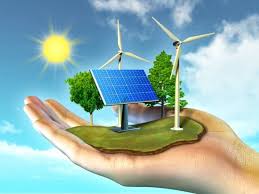
Solar power is a renewable energy source. This means it won’t run out, unlike fossil fuels like coal or oil. The sun will keep shining for billions of years.
Using solar energy helps us rely less on power plants that can pollute the air. It’s a cleaner choice for our planet.
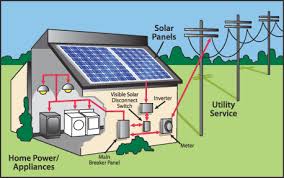
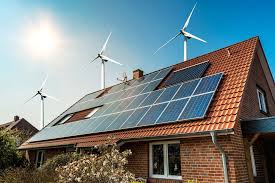
The main way we use solar energy at home is through solar panels. These panels sit on your roof or on the ground. They are designed to catch sunlight.
When the sun’s rays hit them, something special happens inside the panels. They start to make electricity.
This electricity is direct current, or DC. Your home uses alternating current, or AC. So, the DC electricity from the panels needs to be changed.
A device called an inverter does this job. It converts DC to AC. Then, this AC electricity can power your lights, TV, and all your appliances.
Most of the time, the solar panels make enough electricity for your needs. If they make more than you use, the extra power can go back to the electric grid. Your utility company often gives you credit for this extra power.
This is called net metering. It can lower your electric bill even more.
If your panels don’t make enough power, maybe on a cloudy day or at night, you still get electricity from the grid. So, you don’t have to worry about being without power. Solar systems are designed to work with the existing power system.
The whole process might sound complex, but at its heart, it’s quite straightforward. Sunlight hits panels, panels create DC power, an inverter changes it to AC power, and that powers your home. Any extra goes to the grid, and you get credit.
If you need more, the grid provides it.
How Solar Panels Work: The Simple Science
Solar panels are made of many small units called solar cells. Most solar cells are made from silicon. Silicon is a special material that can conduct electricity.
It’s not a perfect conductor like metal, but it’s not an insulator either.
When sunlight hits a solar cell, it excites tiny particles called electrons. Think of the sunlight as giving the electrons a little nudge. These nudged electrons start to move.
This movement of electrons is what we call electricity.
The solar cell is designed to push these moving electrons in a specific direction. It creates an electrical current. This current is DC.
It flows from the cell to other cells in the panel. All the cells in a panel work together to produce more DC power.
A typical solar panel has many solar cells wired together. This increases the amount of electricity produced. The panel itself is designed to be very durable.
It needs to withstand weather like rain, snow, and wind. It also needs to let sunlight reach the cells easily.
The electrical current from all the panels in your system flows through wires. These wires lead to the inverter. The inverter is a crucial part.
It’s a small box that converts the DC electricity into AC electricity. This AC power is what your home appliances use.
Sometimes, people also install batteries with their solar system. Batteries can store extra electricity that your panels produce during the day. This stored energy can be used at night or when the sun isn’t shining.
It gives you more independence from the grid.
The whole system is connected to your home’s electrical panel. This panel distributes the power to all the circuits in your house. Lights, outlets, and appliances all get their power from here.
It’s like a central hub for your home’s electricity.
Understanding this basic flow helps demystify solar. Sunlight becomes DC power in the panels. An inverter changes it to AC power for your home.
It’s a clean and efficient way to generate electricity right where you need it.
Solar Panel Components at a Glance
Solar Cells: The heart of the panel. Made of silicon, they convert sunlight into DC electricity.
Encapsulant: A protective layer that holds the cells together and shields them.
Backsheet: The rear layer, providing electrical insulation and protection.
Frame: Usually aluminum, it gives the panel strength and makes mounting easier.
Tempered Glass: The front layer, protecting cells while allowing maximum sunlight.
The Benefits of Going Solar
Switching to solar power offers a lot of good things. It’s not just about saving money, though that’s a big one. It’s also about helping the environment and making your home more valuable.
Lower Electricity Bills: This is often the first thing people think about. Once your solar panels are installed, the electricity they produce is free. This can drastically cut your monthly utility costs.
Over time, the savings can be very significant. Some people might even see their bills drop to almost nothing.
Environmental Friendliness: Solar energy is clean energy. It doesn’t produce greenhouse gases. These gases are what cause climate change.
By using solar, you reduce your carbon footprint. You help make the air cleaner for everyone. It’s a way to contribute to a healthier planet.
Increased Home Value: Homes with solar panels tend to sell for more. Buyers see the value in lower energy costs. It’s an attractive feature for many.
So, installing solar can be an investment in your property.
Energy Independence: When you generate your own power, you rely less on the utility company. This means you are less affected by rising electricity prices. If you have a battery system, you can even have backup power during grid outages.
Government Incentives: Many governments offer tax credits and rebates for installing solar panels. These incentives make the initial cost more affordable. They encourage more people to adopt solar power.
Always check what programs are available in your area.
Low Maintenance: Solar panels are built to last. They require very little maintenance. Usually, just an occasional cleaning is enough.
Most systems come with long warranties, giving you peace of mind.
Use of Renewable Resource: The sun is a constant and abundant source of energy. Using it means we are not depleting finite resources. It’s a sustainable choice for the future.
It’s a way to power your life without harming the Earth.
These benefits make a strong case for considering solar energy. It’s a smart move for your wallet and for the planet. It also adds a great feature to your home.
Quick Benefits Checklist
- Save Money: Lower electricity bills.
- Help Earth: Clean, renewable energy.
- Boost Home Value: Makes your house more attractive.
- Gain Control: Less reliance on utility companies.
- Get Incentives: Tax credits and rebates can help.
- Easy Care: Low maintenance needed.
What to Consider Before Installing Solar
Thinking about solar is exciting! But before you jump in, there are a few things to look at. Making sure your home is a good fit for solar is key.
It helps you get the most out of your investment.
Your Roof: The condition of your roof matters. If your roof is old and needs replacing soon, it’s best to do that first. Solar panels will be on your roof for many years.
You don’t want to have to remove them to fix the roof later.
Also, the direction your roof faces and its angle play a role. South-facing roofs in the Northern Hemisphere usually get the most sun. However, many roofs can still work well.
Experts can assess this for you. Shading is another big factor. Trees or tall buildings that cast shadows on your roof can reduce how much power your panels make.
Your Energy Usage: How much electricity do you use now? Your past utility bills will show this. Knowing your usage helps determine how many solar panels you need.
The goal is to size the system to meet most, if not all, of your electricity needs.
Sunlight Availability: How much sun does your location get? While most places in the U.S. get enough sun, some areas are sunnier than others.
Your installer will look at this. They use tools to estimate how much sunlight your roof receives throughout the year.
Homeowner Association (HOA) Rules: If you live in a community with an HOA, check their rules. Some HOAs have guidelines about solar panel installations. You might need approval before you can proceed.
Many states have laws that protect your right to install solar, though.
Local Regulations and Permits: Installing solar involves permits. Your installer will usually handle this process. They know the local building codes and requirements.
Making sure everything is done legally is important.
The Cost and Financing: Solar panels are an investment. Understand the total cost. Ask about financing options.
Many companies offer leases or Power Purchase Agreements (PPAs). These allow you to go solar with little to no upfront cost. You pay for the power generated, often at a lower rate than your utility.
Or you can buy the system outright.
Warranties and Guarantees: What kind of warranties do the panels and inverter come with? What about the workmanship of the installation? Good warranties provide peace of mind.
They protect your investment for many years.
Taking these steps helps ensure a smooth and successful solar installation. It’s about doing your homework so you can make the best decision for your home and your budget.
Pre-Solar Checklist
Roof Check:
Is it in good shape? New roof needed soon?
What direction does it face? Any shade from trees or buildings?
Usage Check:
Review your past electricity bills. How much power do you use?
Financial Check:
What is the total system cost? What are financing options?
Are there tax credits or rebates available?
Types of Solar Panels
When you start looking into solar, you’ll find there are a few main types of solar panels. They all do the same job, but they are made differently. This can affect their cost and how well they work.
Monocrystalline Panels: These are the most common type you see. They are made from a single, pure silicon crystal. This gives them a uniform black color.
They are known for being very efficient. This means they produce more electricity from the same amount of sunlight compared to other types.
Because they are made from pure silicon, they are also usually a bit more expensive. If you have limited roof space and want to get the most power, these might be a good choice.
Polycrystalline Panels: These panels are made from many silicon fragments melted together. You can often tell them apart because they have a blueish, speckled look. They are less efficient than monocrystalline panels.
This means they need a bit more space to produce the same amount of electricity.
The big advantage here is that they are less expensive to produce. So, if you have plenty of roof space and want a more budget-friendly option, these could be suitable.
Thin-Film Panels: These panels are different. They don’t use silicon wafers like the other types. Instead, they use very thin layers of photovoltaic material.
This makes them flexible and lightweight. They can be used in more creative ways, like on curved surfaces.
Thin-film panels are generally less efficient than crystalline panels. They also tend to degrade faster. However, they can perform better in low-light conditions and at high temperatures.
They are often used for larger, commercial projects or in specific niche applications.
The choice between these types often comes down to your budget, the space you have, and your desired efficiency. For most homes, monocrystalline or polycrystalline panels are the standard choice. Your solar installer can help you decide which is best for your specific situation.
Panel Type Snapshot
| Type | Appearance | Efficiency | Cost |
|---|---|---|---|
| Monocrystalline | Uniform Black | High | Higher |
| Polycrystalline | Speckled Blue | Medium | Medium |
| Thin-Film | Flexible/Dark | Lower | Varies (can be lower for large scale) |
The Role of the Inverter
We touched on inverters earlier, but they are so important, they deserve a closer look. The inverter is like the brain of your solar power system. It takes the power from the panels and makes it usable for your home.
Remember, solar panels produce Direct Current (DC) electricity. This is like the power from a battery. Your home appliances, on the other hand, run on Alternating Current (AC) electricity.
This is the kind of power that comes from your wall outlets.
The inverter’s job is to convert the DC power from the solar panels into AC power. It does this very quickly and efficiently. Without an inverter, the electricity from your panels wouldn’t be compatible with your home’s electrical system.
There are a few different types of inverters you might encounter:
String Inverters: These are the most traditional type. One or two larger inverters are connected to a “string” of solar panels. All the panels in that string feed their DC power to the central inverter.
They are generally the most affordable option.
However, if one panel in the string is shaded or performing poorly, it can affect the output of the entire string. This is a key drawback.
Microinverters: Instead of one central inverter, microinverters are installed on each individual solar panel. Each panel has its own small inverter. This means each panel operates independently.
If one panel is shaded, it doesn’t impact the others.
This makes microinverters great for roofs with shading issues or complex layouts. They can also be more expensive upfront. Monitoring the performance of each panel is also easier with microinverters.
Power Optimizers: These are a hybrid approach. Power optimizers are installed on each solar panel, like microinverters. They help each panel perform at its best.
They are connected to a central string inverter, which does the final DC to AC conversion.
This system offers many of the benefits of microinverters, like better shade tolerance, but often at a slightly lower cost than a full microinverter system. It’s a good balance for many homeowners.
The type of inverter you choose can impact the performance and cost of your solar system. Your installer will recommend the best option based on your roof, budget, and energy goals.
Inverter Types: A Quick Look
String Inverter:
- One unit for multiple panels.
- More affordable.
- Performance can be affected by shade on one panel.
Microinverters:
- One unit per panel.
- Better shade tolerance.
- Easier panel-level monitoring.
- Can be more expensive.
Power Optimizers:
- One unit per panel, linked to a central inverter.
- Good shade tolerance.
- Balances cost and performance.
Solar and Your Home’s Value
People often wonder if solar panels actually add value to their homes. The answer is a strong yes! It’s not just about the money you save on electricity each month.
It’s about making your property more attractive and valuable overall.
Numerous studies have shown that homes with solar panel systems sell for more than comparable homes without them. This is because buyers recognize the benefits. They see a home that will have lower, more predictable energy costs for years to come.
This is a huge selling point.
Imagine two similar houses on the same street. One has a solar system, and the other doesn’t. The home with solar is likely to attract more interest.
It might even sell faster and for a higher price. The solar system itself can be seen as an upgrade, like a new kitchen or bathroom.
The increase in value isn’t always a dollar-for-dollar match for the system’s cost. However, it’s a significant boost. The exact amount can depend on factors like the age of the system, its size, and how well it’s been maintained.
When you’re looking to sell, a solar system can differentiate your home. It shows you’ve invested in efficiency and sustainability. These are increasingly important factors for many homebuyers.
It’s a tangible feature that adds to your home’s appeal and its bottom line.
If you own your solar system outright (meaning you bought it and didn’t lease it), the value it adds is generally more straightforward. If you have a solar lease or PPA, the transferability of that agreement to a new buyer becomes a factor. Most buyers are happy to take over a beneficial lease.
So, think of solar not just as an energy solution, but as a home improvement that pays you back. It makes your home more modern, efficient, and financially appealing to future buyers.
Solar Adds Value
Increased Sale Price: Homes with solar often sell for more.
Faster Sales: Solar homes can attract buyers quicker.
Buyer Appeal: Lower energy costs are a major draw.
Modern Feature: Shows investment in efficiency.
When is Solar NOT a Good Fit?
While solar energy is fantastic for many, it’s not the perfect solution for everyone or every home. Understanding when it might not be the best choice helps you make a realistic decision. It’s about finding the right fit.
Heavy Shading: As mentioned, if your roof is heavily shaded by trees, tall buildings, or chimneys for most of the day, solar panels won’t perform well. Even with advanced inverters, significant shade can drastically reduce the amount of electricity you can generate. It might not be worth the investment.
Poor Roof Condition: If your roof is old, damaged, or nearing the end of its lifespan, installing solar on it is usually not a good idea. You’ll eventually need to remove the panels to replace the roof, which adds significant cost and hassle. It’s better to fix or replace the roof first.
Limited Roof Space: Some homes have very small roofs, or the available space is taken up by vents, skylights, or other obstructions. If there isn’t enough usable space to fit the number of panels needed to meet your energy needs, solar might not be practical.
Renting Your Home: If you rent the property you live in, you generally can’t install solar panels. They are a permanent addition to the home. You would need permission from your landlord, which is rarely granted.
Some solar companies offer solutions for renters, like community solar programs, but direct installation isn’t typical.
Very Low Energy Consumption: If you use a remarkably small amount of electricity, the cost of installing a solar system might not be recouped through savings. For example, if your monthly bill is already very low, the payback period could be excessively long, making it less financially attractive.
Specific HOA Restrictions: While many states protect solar access, some HOAs might have very strict aesthetic guidelines or specific requirements that are difficult or costly to meet. In rare cases, these could make installation impractical or undesirable.
Unfavorable Local Net Metering Policies: Net metering is how utility companies credit you for excess energy you send back to the grid. In areas with very unfavorable net metering policies, you might not get fair credit for your excess power. This can reduce the financial benefits of going solar.
It’s always best to get a professional assessment from a reputable solar installer. They can look at your specific home and situation and give you an honest opinion on whether solar is a good investment for you. They can point out potential challenges early on.
Is Solar Right For You? Ask These Questions:
Is my roof heavily shaded?
Is my roof in good condition?
Do I use a lot of electricity?
Do I own my home?
Are there any strict HOA rules?
My Own Solar Story: A Learning Curve
I remember when I first started looking into solar for my own home. It was a few years back. My electricity bills had been creeping up steadily.
I felt like I was just sending more and more money to the utility company every month, and there wasn’t much I could do about it.
I’d see solar panels on neighbors’ roofs and think, “That’s so cool. I wish I could do that.” But then I’d think about the cost. It seemed like a huge upfront expense.
I imagined mountains of paperwork and complicated installations. Honestly, I was a little intimidated.
One weekend, I decided to just take the plunge and get a few quotes. I filled out an online form, and within days, I had calls from several solar companies. The first few calls were okay, but they felt a bit like buying a used car.
Lots of pressure, big promises.
Then, I met with a representative from a company that came highly recommended. This person was different. They spent nearly an hour just looking at my roof, measuring it, and talking about my energy usage.
They didn’t just push a package; they explained how different panel types would perform on my specific roof. They even pointed out a large oak tree in the neighbor’s yard that would cast shade on a corner of my roof in the late afternoon during summer.
That detail about the tree really stuck with me. It showed they were paying attention. They explained how they’d use microinverters to make sure that shaded corner wouldn’t drag down the whole system’s performance.
They also showed me exactly how much electricity I used last year and how much the solar system was projected to generate, broken down by month.
We talked about the financing options. I decided to buy the system outright. It was a big chunk of money, but they walked me through the tax credits and local rebates I qualified for.
Seeing the numbers on paper, factoring in the savings, the payback period started to look much more reasonable. I felt a mix of excitement and a little bit of that initial fear – was I really doing this?
The installation day was a blur of activity. A team arrived early. They worked efficiently, and by the end of the day, the panels were on my roof.
It looked… official. A few weeks later, after all the inspections and grid connection paperwork was done, my system was officially turned on.
The first time I saw my electricity bill after that was amazing. It was so low! I had to double-check it.
Seeing that little kilowatt-hour number, knowing it was mostly coming from the sun, felt incredibly empowering. It wasn’t just about saving money; it was about taking control of a part of my household expenses and doing something good for the planet. That experience taught me that while it takes some effort, going solar is absolutely achievable and incredibly rewarding.
Common Solar Terminology Explained
When you talk to solar companies or read about solar energy, you’ll come across some words you might not know. Let’s break down some of the common ones so you feel more confident.
Kilowatt (kW): This is a unit of power. It measures how much electricity is being produced or consumed at any moment. For example, a solar panel might be rated at 300 watts (0.3 kW).
Kilowatt-hour (kWh): This is a unit of energy. It measures how much electricity you’ve used over a period of time. Your electric bill is usually based on kWh.
It’s like miles per hour versus the total distance you traveled.
PV (Photovoltaic): This is the scientific term for converting light into electricity. Solar panels are PV panels.
Inverter: As we discussed, this device changes DC power from your solar panels into AC power for your home.
Net Metering: This is a billing arrangement. It credits you for the excess electricity your solar panels send back to the utility grid. It helps lower your overall bill.
Grid-Tied System: This is the most common type of solar setup. Your solar panels are connected to the utility grid. You use your solar power first, and draw from the grid when needed.
Off-Grid System: This system is not connected to the utility grid at all. It relies solely on solar panels, batteries, and sometimes a generator. These are more complex and expensive for home use.
Solar Array: This refers to the collection of solar panels installed on your roof or property.
Peak Sun Hours: This is the average number of hours per day that your location receives direct, strong sunlight. It’s not the same as total daylight hours. It’s a key factor in estimating solar production.
Mounting System (Racking): This is the hardware that attaches your solar panels to your roof or the ground.
Balance of System (BOS): This includes all the other components of a solar energy system besides the solar panels themselves. This includes inverters, wiring, racking, and monitoring equipment.
Understanding these terms will make conversations with solar professionals much clearer. You’ll know what they are talking about.
Solar Terms: Quick Guide
- kW: Power at one moment.
- kWh: Energy used over time (what you pay for).
- PV: Light into electricity.
- Inverter: DC to AC converter.
- Net Metering: Credit for excess power.
- Grid-Tied: Connected to the utility grid.
- Solar Array: The group of panels.
- Peak Sun Hours: Strongest sunlight per day.
Frequently Asked Questions About Solar Energy
How long do solar panels last?
Most solar panels are designed to last for 25 to 30 years. Many manufacturers offer warranties that guarantee a certain level of performance over this period. In reality, they can often continue producing power for even longer, though their efficiency might slightly decrease over time.
What happens to solar panels in bad weather like rain or snow?
Solar panels are built to withstand various weather conditions, including rain, hail, and snow. They are made of durable materials. During heavy rain, the water can actually help clean the panels, which can improve their efficiency.
Snow will cover the panels, reducing or stopping electricity production until it melts or is cleared. However, most systems are designed to produce power during most weather events.
Do I need batteries with my solar panels?
No, batteries are not required for a standard grid-tied solar system. Most homes use a grid-tied setup, where excess power is sent to the utility grid, and you draw power from the grid when your panels aren’t producing enough. Batteries are optional and provide backup power during outages and can help manage energy usage, but they add to the system’s cost.
How much does a solar panel system typically cost?
The cost of a solar panel system can vary greatly depending on the size of the system, the type of equipment used, your location, and available incentives. While there is an upfront investment, many factors like tax credits, rebates, and financing options can make it more affordable. It’s best to get personalized quotes from solar installers for an accurate estimate for your home.
Can I install solar panels myself?
While it might seem like a DIY project, installing solar panels is complex and requires specialized knowledge of electrical systems, roofing, and safety procedures. It’s strongly recommended to hire certified and experienced solar professionals. They ensure the system is installed correctly, safely, and meets all local codes and regulations, which is crucial for performance and warranties.
How do I know if my home is suitable for solar?
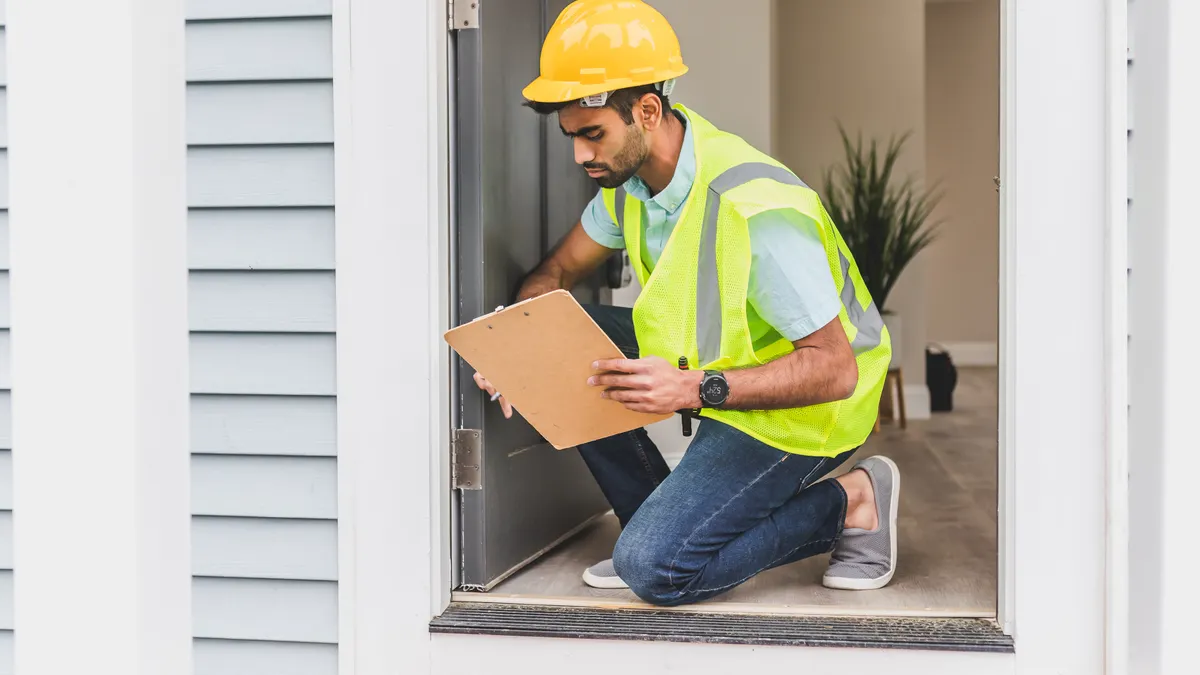
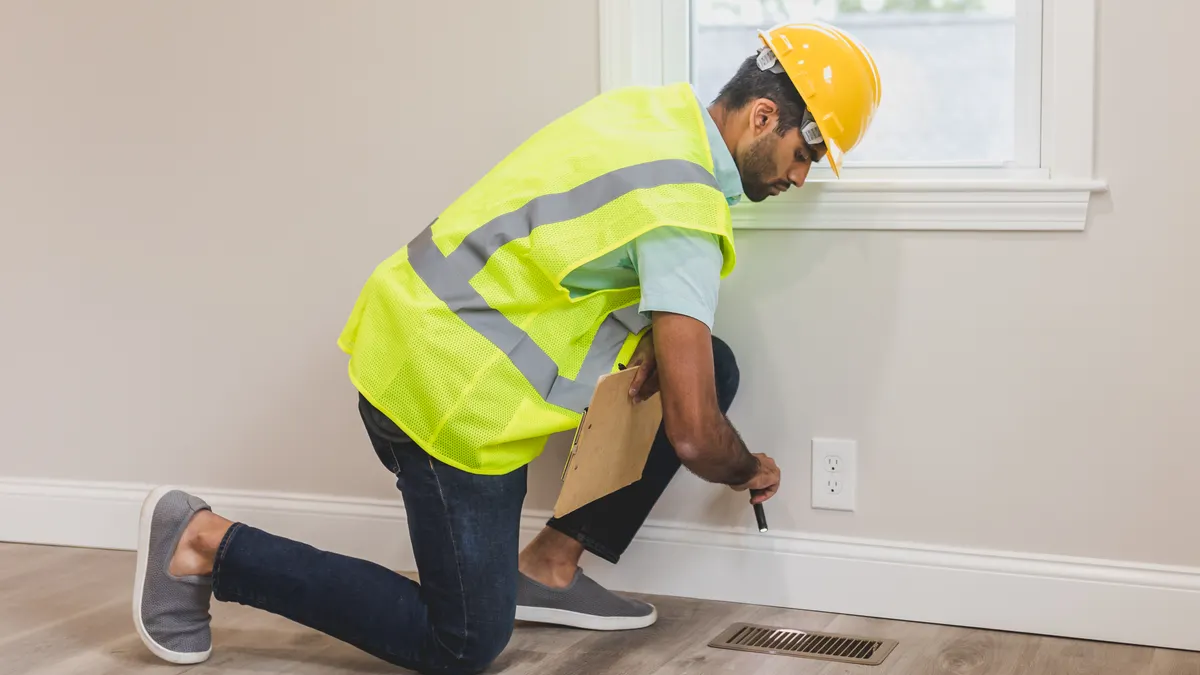
A professional solar installer will conduct a site assessment. They will look at your roof’s condition, orientation, and any shading. They will also review your past energy bills to understand your consumption.
This assessment helps determine if your home is a good candidate for solar energy and how much power you can expect to generate.
The Future of Solar Energy
Solar energy is already a big part of our energy mix, and it’s only going to become more important. Scientists and engineers are constantly working to make solar technology better and more affordable.
We’re seeing improvements in panel efficiency. This means panels can capture more sunlight and produce more electricity. They are also becoming more durable and less expensive to manufacture.
Innovation in battery storage is also crucial. Better batteries mean we can store more solar energy for when the sun isn’t shining.
New types of solar technology are also being developed. Think about solar paint or solar windows. These could allow us to generate power from surfaces that aren’t traditional rooftops.
The goal is to integrate solar energy seamlessly into our lives and buildings.
As more people adopt solar power, the energy landscape will continue to change. It means cleaner air, more energy independence, and a more sustainable future for everyone. The sun provides more than enough energy for the entire world.
We are just getting better at capturing it.
Embracing solar energy is a positive step. It aligns with a global movement towards renewable resources. It’s exciting to think about how much further this technology will go.
It’s a bright future powered by the sun.

Leave a Reply