
What Makes Home Improvements Eco-Friendly?
Eco friendly home improvements are changes you make to your house. These changes help reduce your home’s impact on the environment. They often focus on a few key areas.
These include using less energy, saving water, and choosing sustainable materials. They can also involve reducing waste and improving air quality inside your home. The goal is to live more sustainably.
Think about how your home uses resources. It uses electricity for lights and gadgets. It uses water for showers and toilets.
It uses heating and cooling systems. It brings in materials for building and repairs. Each of these uses has an environmental cost.
Eco friendly changes aim to lower that cost. They make your home more efficient. This means it does more with less.
This often means using smarter technology. It can also mean using different building methods. Sometimes, it’s just about changing habits.
But the result is the same. Your home becomes a better steward of our planet’s resources. This not only helps the environment but often saves you money too.
It’s a win-win situation for everyone involved.
The main idea is to reduce your home’s “carbon footprint.” This is the total amount of greenhouse gases released by your home. Things like burning fossil fuels for heat or electricity create these gases. Using less energy means burning fewer fuels.
Using local materials means less transport fuel is used. Making your home more eco-friendly is a smart choice.
Consider the lifecycle of materials. A truly eco-friendly choice uses materials that are renewable. They might also be recycled or recyclable.
They should be produced in ways that don’t harm the planet too much. This is a big part of making a home green. It’s not just about how you use energy.
It’s also about what you build with.
And it goes beyond just big projects. Even small changes can add up. Think about switching to LED light bulbs.
Or fixing a leaky faucet. These might seem tiny. But when many people do them, they have a big effect.
So, let’s dive into some specific ways to make your home more eco-friendly. You’ll find there are many options.
Core Principles of Green Homes
- Energy Efficiency: Using less power for heating, cooling, and lighting.
- Water Conservation: Reducing water use in and around the home.
- Sustainable Materials: Choosing building and finishing items that are renewable or recycled.
- Waste Reduction: Minimizing trash and reusing materials when possible.
- Indoor Air Quality: Making sure the air inside your home is clean and healthy.
My Kitchen Renovation Journey: A Green Awakening
I remember the day I decided to remodel my kitchen. It was years ago. My old kitchen was dark.
The cabinets were worn out. The appliances were old and loud. I wanted something bright and modern.
I started looking at magazines and websites. Lots of beautiful kitchens were shown. But then I started noticing things.
One picture had this gorgeous granite countertop. It looked so luxurious. But I wondered where granite comes from.
And how much energy it takes to get it from the earth and shape it. Then I saw cabinets made of exotic wood. That made me pause.
Was that wood from a sustainable forest? I started to feel a bit uneasy.
I felt a pang of guilt. Was I just adding to the problem? Was I choosing beauty over responsibility?
This led me down a rabbit hole of research. I learned about reclaimed wood. I discovered countertops made from recycled glass.
I found out about low-VOC paints. It was a lot to take in at first. But it also felt empowering.
My goal changed. It wasn’t just about a pretty kitchen anymore. It was about creating a space that was healthy for my family.
And that was gentle on the planet. I remember calling a contractor. I specifically asked him about eco-friendly options.
He was really helpful. He showed me bamboo flooring. He explained how efficient new appliances could be.
He even suggested using recycled content in the drywall.
The process wasn’t always easy. Some “green” options cost a bit more upfront. But he also showed me how they would save money over time.
For example, the energy-efficient appliances would lower my electricity bills. The good insulation we added meant less need for heating and cooling. It really made me see the long-term value.
In the end, my kitchen was beautiful. It was also much more eco-friendly. The countertops were made from recycled paper.
The cabinets were from a certified sustainable forest. The appliances used way less energy. And the paint?
It didn’t have that strong chemical smell. It felt good. It felt right.
It was a kitchen I could be proud of. It taught me that making a home greener is possible. And it’s worth the effort.
Boosting Energy Efficiency for a Greener Home
Using less energy is one of the biggest ways to make your home eco-friendly. It saves you money on bills. It also cuts down on pollution from power plants.
There are many ways to achieve this. Some are simple tasks. Others are bigger projects.
Let’s explore some of the most effective ones.
First, think about your home’s “envelope.” This is what keeps the inside air in and the outside air out. It includes your walls, roof, windows, and doors. If these aren’t sealed well, you lose a lot of heat in winter.
You also let in a lot of heat in summer. This makes your heating and cooling systems work harder. And that uses more energy.
Insulation is key here. Proper insulation in your attic and walls makes a huge difference. It’s like putting a warm coat on your house.
You want to make sure you have enough. And that it’s the right kind. Different types of insulation work best in different places.
A professional can help you figure this out. Adding insulation is often one of the best investments you can make.
Next, consider your windows and doors. Old, single-pane windows can be a big source of energy loss. Upgrading to double or triple-pane windows can help a lot.
Look for windows with good seals. They should also have coatings that reflect heat. If new windows are too much right now, you can seal leaks around existing ones.
Use caulk and weatherstripping. This is a low-cost way to improve efficiency.
Air sealing is also super important. Even with good insulation, small cracks and gaps can let air escape. You can find these leaks by looking for drafts.
Check around pipes, electrical outlets, and where walls meet ceilings or floors. Using caulk and expanding foam can seal these up. This small step can have a big impact on your energy bills.
Your heating and cooling systems are big energy users. Make sure your furnace and air conditioner are well-maintained. Clean filters regularly.
Consider upgrading to a high-efficiency model. Heat pumps are also a great option. They move heat from one place to another.
They are much more efficient than traditional furnaces. Programmable thermostats can also help. They let you set lower temperatures when you’re away or asleep.
Smart thermostats learn your habits and adjust automatically.
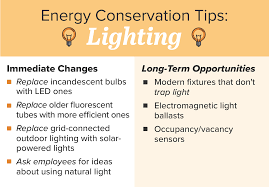
Lighting is another area where you can save energy. Switch to LED bulbs. They use a fraction of the energy of incandescent bulbs.
They also last much longer. This means fewer bulb changes too. Make a habit of turning off lights when you leave a room.
Using natural daylight as much as possible also helps. Open your blinds and curtains during the day.
Finally, think about your appliances. Look for the ENERGY STAR label when buying new ones. This label means the appliance meets strict energy efficiency guidelines.
Even small appliances, like refrigerators and dishwashers, use a lot of energy. Choosing efficient models can save you money over their lifetime.
Quick Energy Wins
- Seal Air Leaks: Use caulk and weatherstripping around windows, doors, and pipes.
- Insulate Your Attic: Check existing insulation levels and add more if needed.
- Switch to LEDs:
- Use a Programmable Thermostat: Set it to lower temperatures when you’re not home.
- Unplug Electronics: Use power strips to easily turn off multiple devices when not in use.
Water Conservation: Every Drop Counts
Saving water is another vital part of making your home eco-friendly. Fresh water is a precious resource. Using less water not only helps the environment.
It also reduces your water and sewer bills. Many changes can be made, from simple habits to upgrades.
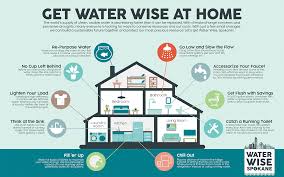
Let’s start with the faucets and showerheads. Older fixtures can use a lot of water. You can
Toilets are another major water user. Older toilets can use up to 3.5 gallons per flush. Newer, water-efficient toilets use 1.28 gallons or less.
If you can’t
Think about your appliances that use water. Washing machines and dishwashers can use a lot. Always run them with a full load.
This is a simple habit that saves water. When buying new appliances, look for the ENERGY STAR label. This often means they are water-efficient too.
Your outdoor water use matters too. If you have a yard, consider watering your plants wisely. Water early in the morning or late in the evening.
This reduces evaporation. Use mulch around plants. It helps the soil retain moisture.
Consider collecting rainwater in barrels. You can use this water for your garden. Native and drought-tolerant plants often require less watering.
Leaks are a big hidden water waster. A dripping faucet can waste gallons of water a day. A running toilet can waste hundreds of gallons a month.
Check for leaks regularly. You can do this by reading your water meter. Turn off all water-using appliances and fixtures.
If the meter still moves, you have a leak. Fixing leaks is often a simple repair. It saves water and prevents damage.
Educating your household about water use is also important. Simple reminders can make a difference. Teach kids to turn off the tap when brushing their teeth.
Take shorter showers. These small habits add up. They create a culture of conservation in your home.
Water-Saving Checklist
- Install low-flow showerheads and faucet aerators.
- Check for and fix any leaks in pipes, faucets, and toilets.
- Run dishwashers and washing machines only with full loads.
- Consider a dual-flush toilet or a tank displacement device.
- Water your garden wisely: early morning, late evening, and use mulch.
Sustainable Materials: Building with Nature in Mind
When you’re renovating or building, the materials you choose have a big impact. Sustainable materials are better for the environment. They are often renewable, recycled, or have a lower impact in their production.
Using them helps reduce waste and conserve resources. Let’s look at some common sustainable material choices.
Bamboo is a fantastic material. It grows very quickly. This makes it a highly renewable resource.
Bamboo can be used for flooring, cabinets, and even furniture. It’s durable and looks great. Make sure you buy bamboo that is sustainably harvested and finished with low-VOC (volatile organic compound) glues and finishes.
Reclaimed wood is another excellent choice. This is wood that has been salvaged from old buildings, barns, or factories. It gives old wood new life.
It reduces the need to cut down new trees. Reclaimed wood has a unique character and history. It can be used for flooring, accent walls, furniture, and more.
Always ensure it’s properly treated for indoor use.
Recycled materials are widely available now. Countertops can be made from recycled glass, paper, or even plastic. Recycled steel is used in framing and roofing.
Recycled content drywall is also an option. These materials divert waste from landfills. They also reduce the energy needed to produce new materials from raw resources.
Cork is another sustainable option. It comes from the bark of cork oak trees. The trees are not cut down.
Only the bark is harvested. This makes it a very renewable resource. Cork is naturally insulating, sound-absorbent, and comfortable underfoot.
It makes a great flooring choice.
When choosing paint, look for low-VOC or zero-VOC paints. Traditional paints release VOCs into the air. These can be harmful to your health and the environment.
Low-VOC paints are much healthier for indoor air quality. They are widely available and come in many colors.
Consider your insulation options too. Materials like recycled denim or cellulose (made from recycled paper) are sustainable choices. They offer good insulation performance.
They also reduce waste. Natural plasters, like clay or lime plaster, are also good for walls. They are breathable and help regulate humidity.
Choosing sustainable materials often requires a little more research. But the benefits are significant. You are supporting responsible forestry and manufacturing.
You are reducing your home’s environmental footprint. And you are often creating a healthier living space for yourself and your family.
Sustainable Material Spotlight
- Bamboo: Fast-growing, renewable, durable flooring and cabinetry.
- Reclaimed Wood: Salvaged wood with character, reduces tree cutting.
- Recycled Glass Countertops: Beautiful and diverts waste from landfills.
- Cork Flooring: Harvested from bark, renewable, comfortable, and insulating.
- Low-VOC Paints: Improves indoor air quality, reduces harmful emissions.
Smart Landscaping for a Greener Yard
Your yard can be an extension of your eco-friendly home. Smart landscaping choices can conserve water, support local wildlife, and reduce the need for harsh chemicals. It’s about working with nature, not against it.
One of the biggest impacts you can have is with water-wise landscaping. This is also known as xeriscaping. It focuses on using plants that need little water.
Native plants are perfect for this. They are adapted to your local climate. They generally require less watering and care.
Research plants that thrive in your region without a lot of extra water.
Reduce your lawn size. Traditional lawns require a lot of water, fertilizer, and mowing. Consider replacing some of your grass with ground covers, perennial beds, or native meadows. This not only saves water but also reduces maintenance.
It can create a more beautiful and diverse landscape.
Improve your soil. Healthy soil retains moisture better. It also supports plant growth without needing as many chemical fertilizers. Start a compost bin.
Use kitchen scraps and yard waste to create nutrient-rich compost. Adding compost to your soil will greatly improve its health and water retention. Avoid using synthetic fertilizers.
They can run off into waterways.
Collect rainwater. Rain barrels are a simple way to capture water from your roof. You can then use this water to irrigate your garden. This reduces your reliance on municipal water.
It’s a free and sustainable water source for your plants. Make sure your rain barrel system is properly set up to avoid issues.
Choose sustainable lawn care practices. If you do have a lawn, mow it higher. This encourages deeper root growth, making the grass more drought-tolerant. Leave grass clippings on the lawn.
They act as a natural fertilizer. Avoid using pesticides and herbicides. They can harm beneficial insects and wildlife.
Explore organic pest control methods instead.
Consider adding native plants that attract pollinators. Bees, butterflies, and birds are vital for our ecosystem. Planting flowers that provide nectar and pollen helps support these creatures.
This creates a more vibrant and balanced outdoor space. It also connects your home to the local environment.
Think about permeable paving for driveways and walkways. Materials like gravel, permeable pavers, or decomposed granite allow water to soak into the ground. This reduces runoff.
It helps recharge groundwater. It also prevents soil erosion.
Yard Transformation Ideas
- Plant Native Species: Choose plants adapted to your local climate and soil.
- Reduce Lawn Area:
- Compost Your Waste: Create nutrient-rich soil that holds moisture.
- Install Rain Barrels: Collect rainwater for garden irrigation.
- Opt for Permeable Surfaces: For paths and driveways to allow water infiltration.
Renewable Energy Options for Your Home
One of the most impactful eco friendly home improvements is adopting renewable energy. This means generating your own clean power. It significantly reduces your reliance on fossil fuels.
It can also lead to substantial long-term savings.
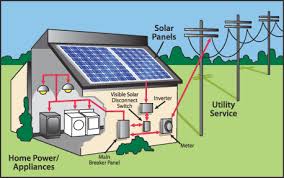
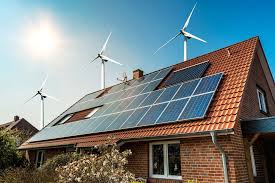
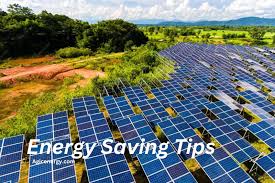
Solar panels are the most common renewable energy source for homes. They convert sunlight into electricity. They can be installed on your roof or on the ground.
The amount of electricity they produce depends on the size of the system and the amount of sunlight. Many homeowners find that solar panels can cover a significant portion, or even all, of their electricity needs.
The initial cost of solar panels can seem high. However, there are often tax credits and incentives available. These can lower the upfront expense.
Over the life of the panels, the energy savings can often pay back the initial investment. Plus, you are generating clean energy. This reduces your carbon footprint directly.
Another option is geothermal heating and cooling. This system uses the stable temperature of the earth to heat and cool your home. It involves burying pipes underground.
These pipes circulate a fluid that absorbs heat from the earth in winter and releases heat into the earth in summer. Geothermal systems are very efficient. They can significantly reduce energy use for heating and cooling.
They are a bigger investment than solar panels but offer long-term savings and environmental benefits.
Wind power can also be an option for some homes. Small residential wind turbines can generate electricity. However, they require specific site conditions.
You need enough open space and consistent wind. They are less common for typical suburban homes. They are more suited to rural properties with sufficient wind resources.
When considering renewable energy, it’s important to assess your home’s suitability. Factors like your location, roof orientation, and local regulations play a role. You may also want to look into battery storage.
This allows you to store excess energy generated during the day. You can then use it at night or during power outages. This increases your energy independence.
Many utility companies now offer programs for homeowners to connect their solar or wind systems to the grid. This is called “net metering.” It allows you to sell excess electricity back to the utility. This can further offset your energy costs.
It’s a smart way to maximize the benefit of your renewable energy system.
Investing in renewable energy is a significant step. It’s a commitment to sustainability. It makes your home more self-sufficient.
And it contributes to a cleaner future for everyone. While the upfront cost might seem daunting, the long-term financial and environmental rewards are substantial.
Renewable Energy Quick Facts
- Solar Panels: Harness sunlight for electricity. Great for most homes.
- Geothermal Systems: Use earth’s temperature for efficient heating/cooling. Big initial investment.
- Wind Turbines: Generate power from wind. Best for open, windy rural areas.
- Net Metering: Sell excess energy back to the utility.
- Battery Storage: Store generated power for later use.
Indoor Air Quality: Breathing Easier at Home
Making your home eco-friendly isn’t just about the outside. It’s also about the air you breathe inside. Indoor air quality is crucial for health.
Many common household items and building materials can release pollutants. Improving indoor air quality is an important aspect of a healthy, green home.
One of the easiest ways to improve indoor air quality is through ventilation. Regularly opening windows and doors allows fresh air to circulate. This helps clear out stale air and any pollutants that may have built up.
Aim to ventilate your home daily, even for a few minutes, especially after cooking or cleaning.
Choosing low-VOC products is essential. As mentioned before, paints, adhesives, cleaning supplies, and even furniture can release VOCs. Look for products labeled “low-VOC” or “zero-VOC.” This significantly reduces the amount of harmful chemicals released into your home’s air.
This is especially important for new furniture or renovations.
Air purifiers can also help. These devices filter the air, removing dust, allergens, and other particles. HEPA filters are very effective at capturing small particles.
If you have allergies or asthma, an air purifier can make a big difference in your home’s air quality.
Controlling humidity is also important. High humidity can lead to mold and mildew growth, which are harmful to health. Use exhaust fans in bathrooms and kitchens.
If you live in a very humid climate, a dehumidifier might be necessary. Too little humidity can also cause problems, leading to dry skin and irritated airways. A humidifier can help in dry environments.
Regular cleaning plays a role too. Dust and pet dander can accumulate on surfaces and in carpets. Vacuuming with a good quality vacuum cleaner, ideally one with a HEPA filter, can help.
Wash bedding regularly in hot water to kill dust mites. Keep surfaces clean and free of clutter.
Houseplants can help improve air quality. Some plants are known to filter certain pollutants from the air. They also add a touch of nature and beauty to your home.
However, don’t overdo it. Too many plants can increase humidity. And some people can be sensitive to them.
Be mindful of combustion sources. If you use a gas stove, ensure it has good ventilation. If you have a fi
Indoor Air Quality Boosters
- Ventilate: Open windows daily to let in fresh air.
- Use Low-VOC Products: Choose paints, cleaners, and materials with fewer chemicals.
- Invest in an Air Purifier: Especially if you have allergies or pets.
- Control Humidity: Use fans and dehumidifiers/humidifiers as needed.
- Clean Regularly: Vacuum carpets and clean surfaces to reduce dust and allergens.
What This Means for Your Home and Budget
When we talk about eco friendly home improvements, it’s natural to think about cost. Some upgrades, like solar panels or new windows, have a significant upfront price. However, it’s important to look at the long-term picture.
These improvements often pay for themselves over time.
Consider energy efficiency. Adding insulation or sealing air leaks might cost a few hundred dollars. But the savings on your heating and cooling bills can be hundreds of dollars each year.
Over 5-10 years, these small investments can save you thousands. This means your money is working for you, not just being spent on energy.
Water conservation also leads to direct savings. Low-flow fixtures are relatively inexpensive. Fixing leaks stops wasted money.
These small changes add up on your monthly water bill. If you have a yard, reducing watering needs can also lower your water use considerably, especially in dry climates.
Renewable energy systems like solar panels are a bigger investment. But governments and utility companies often offer incentives. These can include tax credits, rebates, or special loan programs.
These can make the upfront cost much more manageable. The long-term savings on electricity bills can be substantial. Some systems can even generate income by selling excess power back to the grid.
Sustainable materials might sometimes have a slightly higher initial cost. However, they often last longer. They require less maintenance.
This means fewer replacement costs over time. For example, a durable, sustainable flooring material might cost more per square foot than cheap carpet. But it could last 30 years or more, while carpet might need replacing every 5-10 years.
It’s also about improving your home’s comfort and value. Energy-efficient homes are often more comfortable. They have fewer drafts and more consistent temperatures.
This makes them more pleasant places to live. They can also be more attractive to future buyers. Homes with green features are increasingly in demand.
Start small if a large project feels overwhelming. Focus on easy wins like LED bulbs or fixing leaks. Then, as your budget allows, tackle bigger projects.
Prioritize improvements that will offer the best return on investment for your home and lifestyle. The goal is to create a home that is both good for the planet and good for your finances.
Budgeting for Green Improvements
- Prioritize Savings: Focus on upgrades that offer the quickest return on investment (e.g., insulation, LED bulbs).
- Look for Incentives: Research federal, state, and local tax credits or rebates for energy-efficient upgrades.
- Consider Long-Term Value: Think about how much you’ll save on utilities over the years.
- Start Small: Implement simple, low-cost changes first, then plan for larger projects.
- Increase Home Value: Many green upgrades make your home more attractive to buyers.
When to Call a Professional
While many eco friendly home improvements are DIY-friendly, some tasks are best left to the experts. Knowing when to call a professional ensures the job is done safely and correctly. This can prevent costly mistakes and ensure the upgrades perform as intended.
Major electrical work is one of those areas. If you’re installing solar panels or upgrading your home’s electrical panel to handle new energy-efficient appliances, hire a licensed electrician. Incorrect wiring can be dangerous and lead to fires.
An electrician will ensure everything is up to code and functions safely.
Structural changes or major renovations also require professional help. This includes anything involving load-bearing walls, significant plumbing work, or adding new rooms. A contractor or architect can ensure the structural integrity of your home is maintained.
They can also help navigate building permits.
Installing new windows and doors can be a DIY project for some. However, if you’re not comfortable with precise measurements and sealing techniques, it’s better to hire a professional. Improper installation can lead to drafts and energy loss, negating the benefits of the new windows.
Geothermal heating and cooling systems are complex. They require specialized knowledge and equipment for installation. This is not a DIY job.
You’ll need to work with a certified geothermal installer. They can assess your property and design the right system for your needs.
Roofing and major insulation projects can also be challenging. Working at heights can be dangerous. Ensuring insulation is installed correctly to avoid gaps and moisture issues is crucial.
Professionals have the right tools and experience for these tasks.
HVAC system upgrades, like installing a new high-efficiency furnace or heat pump, should be done by a qualified HVAC technician. They understand the complex systems and can ensure they are installed and balanced correctly for optimal performance and safety.
Always get multiple quotes from reputable contractors. Check references and reviews. A good contractor will be transparent about costs and timelines.
They should also be knowledgeable about green building practices and materials. They can offer valuable advice throughout your project.
When to Hire a Pro
- Electrical Upgrades: Solar panel installation, panel upgrades.
- Structural Work: Load-bearing walls, additions, major renovations.
- Complex HVAC: Geothermal, high-efficiency furnace/heat pump installation.
- Window/Door Installation: For precise fitting and sealing.
- Roofing & Insulation: For safety and proper installation.
Frequently Asked Questions
Are eco friendly home improvements always expensive?
Not necessarily! Many eco friendly home improvements are low-cost or even free, like changing habits (shorter showers, turning off lights) or simple DIY tasks (sealing drafts). While big projects like solar panels or new windows have higher upfront costs, they often save money over time through reduced utility bills.
Plus, many governments offer tax credits and rebates that can lower the initial expense significantly.
What is the single best eco friendly home improvement I can make?
This really depends on your home and your biggest energy or water users. However, improving your home’s insulation and air sealing often provides the biggest bang for your buck. It makes your heating and cooling systems work less, saving energy and money, and improving comfort.
Switching to LED lighting is also a very easy and impactful change.
How can I make my home greener without major renovations?
There are many ways! Start with simple changes like switching to LED bulbs, installing low-flow showerheads and faucet aerators, and fixing any leaks. Improve your thermostat use with a programmable or smart thermostat.
Start composting food scraps. Choose eco-friendly cleaning products. Plant native, drought-tolerant plants in your yard.
These small steps add up to a greener home.
Are there incentives for making eco friendly home improvements?
Yes, often! Many federal, state, and local governments offer tax credits, rebates, and grants for energy-efficient upgrades. These can apply to solar panels, insulation, efficient appliances, windows, and more.
Check with your local utility company and government websites for current programs in your area.
How do I know if my home has good insulation?
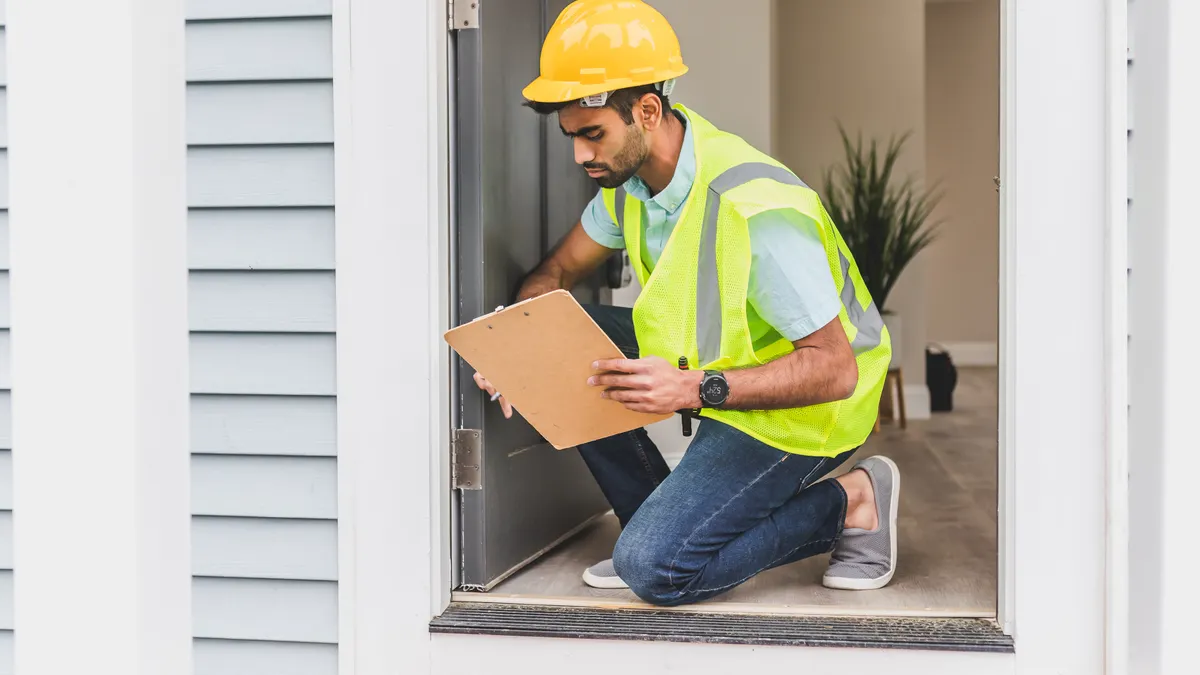
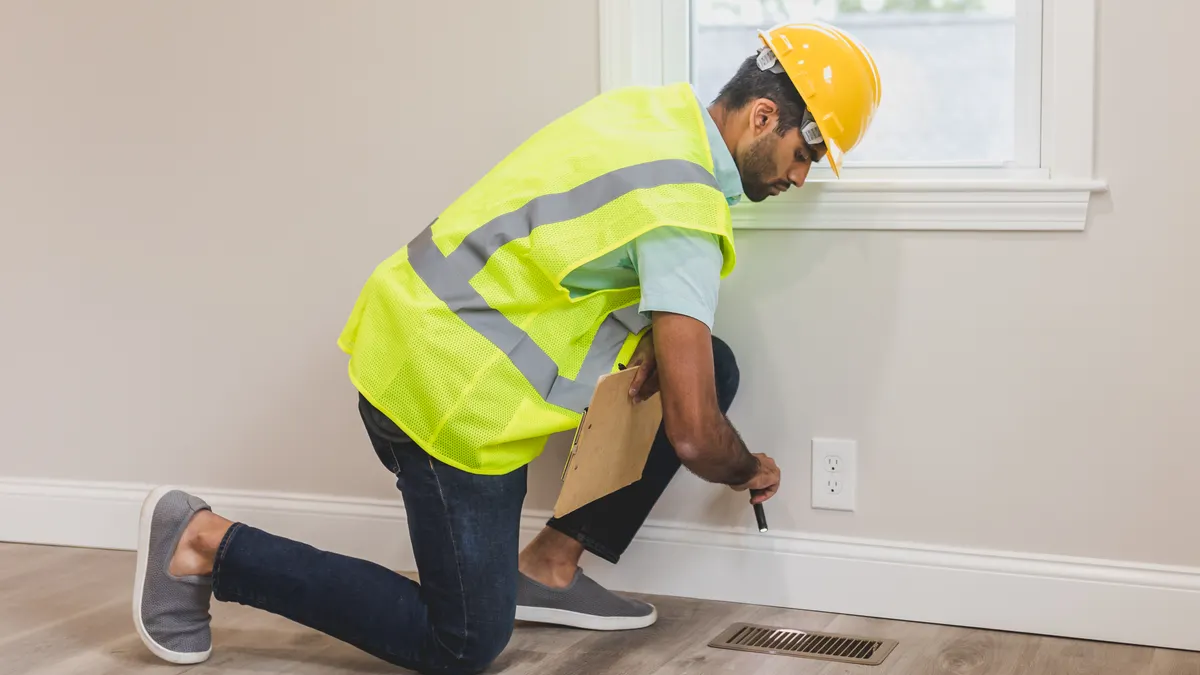
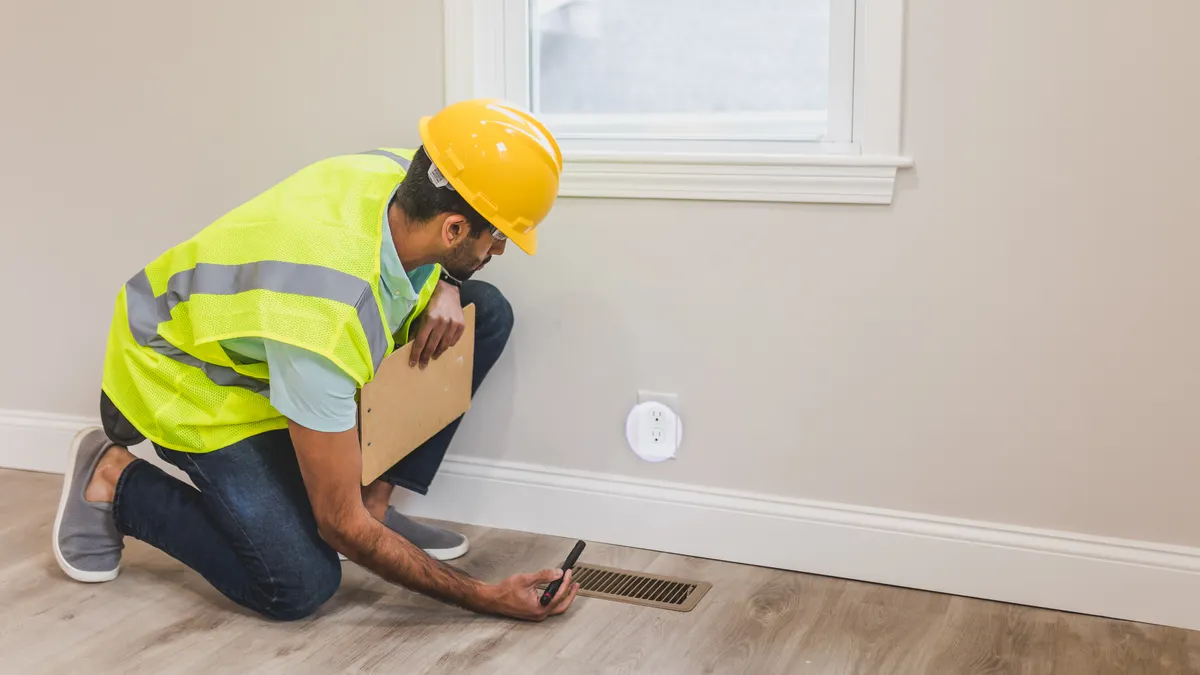
You can often tell by feeling for drafts or noticing uneven temperatures in rooms. A professional energy auditor can perform tests like a blower door test and infrared scanning to identify areas of heat loss. Visually checking your attic insulation is also a good start.
You should typically have at least 10-12 inches of fluffy insulation.
What are VOCs and why should I avoid them?
VOCs stand for Volatile Organic Compounds. They are chemicals that are released into the air from many common products like paints, glues, cleaning supplies, and some building materials. Breathing in VOCs can cause health problems like headaches, dizziness, and long-term respiratory issues.
Choosing “low-VOC” or “zero-VOC” products significantly improves indoor air quality.
Wrapping Up: A Greener Home is a Better Home
Making your home more eco-friendly is a journey. It’s not always about grand gestures. It’s about smart choices.
These choices benefit our planet. They also benefit your wallet. And your family’s health.
From saving energy and water to using better materials, there are many paths forward.
Remember, even small steps make a difference. Start with what feels manageable. Then, build from there.
A greener home is a more comfortable home. It’s a healthier home. And it’s a home that reflects your care for the world around us.
Enjoy the process!


Leave a Reply