
Sustainable energy conservation means using less energy in ways that don’t harm the environment. It involves making smart choices at home and work. The goal is to reduce waste and save resources.
This helps lower your bills and protect our planet for the future.
Understanding Sustainable Energy Conservation
So, what exactly is sustainable energy conservation? Think of it like this: it’s not just about turning off lights. It’s a whole way of thinking about how we use power.
It means using energy wisely. We want to avoid waste. We also want to pick energy sources that are kinder to our planet.
This is different from just cutting back. It’s about being smart with every kilowatt-hour.
Why does it matter so much right now? Our planet is facing big changes. Climate change is a serious concern.
How we use energy plays a huge role in this. Burning fossil fuels releases greenhouse gases. These gases trap heat.
This warms our planet. Sustainable conservation helps us use less of these fuels. It supports using cleaner energy sources instead.
It’s a big step towards a healthier world for everyone.
What happens when we conserve energy? The benefits are many. For your home, your energy bills will go down.
That’s money back in your pocket. Your home might even become more comfortable. Less energy use can mean better insulation and fewer drafts.
For the planet, it means less pollution. It means fewer resources are used up. It helps preserve natural habitats.
It’s a win-win situation.
This isn’t about living in the dark. It’s about making informed choices. It’s about using technology and simple habits.
These help us get the same comfort and convenience. But we use less energy to do it. We can make our homes more efficient.
We can choose better appliances. We can simply be more mindful of our actions each day. Every small change adds up to a big impact over time.
My Own Energy Saving Journey
I remember a time when my electricity bill was just… a number I dreaded. It felt like a black hole for my paycheck. I lived in a small apartment then.
I thought there wasn’t much I could do. I’d turn off lights when I left a room. I’d unplug chargers when they weren’t in use.
But the bill kept creeping up. One particularly cold winter, my heating bill was shocking. I felt a knot of panic in my stomach.
It wasn’t just the cost; it was the feeling of being wasteful. I knew I was doing some things right, but clearly not enough.
That’s when I decided to really dive in. I started reading articles, like you are now. I talked to friends who seemed to have it all figured out.
One friend, Sarah, lived in a similar-sized place but her bills were half mine. I asked her how. She just smiled and said, “It’s all about the little things, and knowing where to look.” She showed me how her window blinds made a huge difference.
Closing them at night kept the heat in. Opening them during sunny winter days let the sun warm her apartment for free. It was so simple, yet I’d never thought of it that way.
It wasn’t about buying expensive gadgets. It was about understanding how heat moves and how to stop it from escaping.
I started paying more attention to my appliances. I noticed my old refrigerator always seemed to be humming loudly. Sarah mentioned that older fridges are often energy hogs.
She suggested checking the door seals. I did, and found a small gap. I cleaned them and pressed them shut.
It wasn’t perfect, but it was a start. I also learned about “phantom load.” That’s the energy devices use even when they’re turned off. It’s like they’re still sipping power.
I bought a few smart power strips. These cut power to devices completely when they’re not in use. It felt like I was finally taking control.
It wasn’t a magic fix, but my bills slowly started to show a difference. The best part was the feeling of empowerment. I wasn’t just a victim of high energy costs anymore.
I was actively making my home more efficient and kinder to the planet.
Smart Home Energy Habits
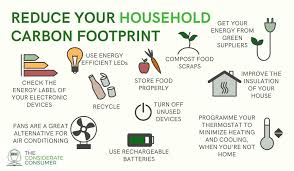
1. Thermostat Smarts: Adjust your thermostat. Lower it a few degrees when you’re away or asleep.
Small changes save big energy.
2. Lighting Logic: Use natural light when you can. Switch to LED bulbs.
They use much less energy than old bulbs.
3. Appliance Awareness: Unplug electronics when not in use. Use smart power strips.
They cut off “phantom load” power.
4. Water Wisely: Wash clothes in cold water. Take shorter showers.
Fix leaky faucets.
Your Home’s Energy Blueprint
Every home uses energy differently. Understanding your home is the first step. It’s like getting a map of your own energy use.
This helps you see where the biggest opportunities are. You don’t need to be an expert to figure this out. Just by paying attention, you can spot areas for improvement.
Most homes have common energy users. We can focus on these first.
Think about heating and cooling. This is usually the biggest chunk of your energy bill. In the US, homes spend a lot on keeping things warm in winter and cool in summer.
If your house leaks air, that energy escapes. This means your furnace or AC has to work harder. They use more power to make up for it.
This is where energy conservation really pays off.
Appliances are another big part. Your refrigerator, washing machine, dryer, and dishwasher all use electricity. Older appliances tend to use more power.
They aren’t built with the same efficiency standards. Even small appliances like coffee makers and toasters use energy. It’s the sum of all these small uses that adds up.
Lighting is also a factor. While not as big as heating or cooling, it adds up. Incandescent bulbs waste a lot of energy as heat.
Newer LED bulbs are much more efficient. Switching them out is a simple, cost-effective change. Even how you use your lights matters.
Turning them off when not needed makes a difference.
Understanding Energy Bills
What is a kilowatt-hour (kWh)? This is a unit of energy. It’s how your electricity use is measured and billed.
Peak vs. Off-Peak Hours: Some utility companies charge more for electricity during busy times (peak hours). Using less then can save money.
Usage Breakdown: Look at your bill. It often shows how much energy you used each month. Compare it to previous months and years.
Heating and Cooling Smarter
Let’s talk about your home’s comfort. Keeping your home warm in winter and cool in summer uses the most energy. Making this system work smarter is key to sustainable energy conservation.
It’s not about freezing in winter or sweating in summer. It’s about using your system more efficiently.
First, check your home for air leaks. This is a huge energy drain. Look around windows and doors.
Feel for drafts. Check where pipes or wires go through walls. You can use caulk or weatherstripping.
These are cheap materials. They create a seal. This stops air from getting in or out.
It makes a big difference in comfort and cost. For a leaky attic hatch, you can add weatherstripping too. It’s often overlooked but very important.
Your thermostat is your command center. Programmable thermostats let you set schedules. You can program them to lower the heat at night.
You can also lower it when you’re at work. Then, it can warm up before you wake up or get home. Smart thermostats learn your habits.
They can adjust automatically. This saves energy without you even thinking about it.
Insulation is vital. Good insulation in your attic, walls, and floors acts like a blanket for your home. It keeps heat in during winter.
It keeps heat out during summer. Many older homes don’t have enough. Adding insulation can be a bigger project.
But it offers huge long-term savings. Check your attic insulation first. It’s often the easiest place to add more.
Regular maintenance of your heating and cooling system is also important. A clean system works better. It uses less energy.
Change your air filters regularly. A dirty filter makes your system struggle. It uses more power.
Have a professional check your system once a year. They can spot small problems before they become big energy wastes.
Quick Thermostat Tips
Lower in Winter: Set it 7-10°F lower at night or when away. This can save up to 10% on heating costs.
Raise in Summer: Set it 7-10°F higher at night or when away. This can save energy and reduce cooling costs.
Avoid Constant Adjustments: Let your thermostat do its job. Frequent changes can use more energy than a set schedule.
Efficient Appliances and Electronics
Appliances are the workhorses of our homes. They help us cook, clean, and stay comfortable. But they also use a lot of energy.
Choosing and using them wisely is a big part of sustainable energy conservation. We want them to run smoothly and efficiently.
Look for the ENERGY STAR label. This is a government-backed program. It tells you which products are more energy-efficient.
ENERGY STAR certified appliances use less energy and water. They still perform just as well, often better. This label is on refrigerators, dishwashers, washing machines, and more.
It’s a great guide when you need to buy new ones.
Refrigerators and freezers are on all the time. Keep yours in good shape. Make sure the door seals are tight.
You can test this by closing the door on a piece of paper. If you can pull it out easily, the seal might be weak. Keep the coils on the back clean.
Dust can make them work harder. Don’t overfill your fridge. But don’t leave it too empty either.
A semi-full fridge uses less energy than an empty one.
Washing machines and dryers are also big energy users. Use cold water for laundry whenever possible. Most modern detergents work well in cold water.
This saves the energy needed to heat the water. Clean the lint filter in your dryer after every load. A clogged filter makes the dryer take longer to dry clothes.
This uses more energy. Consider line-drying clothes when the weather allows. It’s free and great for your clothes.
When it comes to electronics, the main issue is “phantom load.” Many devices keep using power even when turned off. Think of TV’s, game consoles, computers, and chargers. They have a small light indicating they are ready.
This is a sign they are still drawing power. Using smart power strips or unplugging them when not in use can stop this waste. A smart power strip can turn off power to everything connected when the main device is off.
Appliance Lifespan & Efficiency
When to Replace: If an appliance is very old (10-15+ years) and uses a lot of energy, consider upgrading.
Maintenance is Key: Simple cleaning and checks can extend the life of your appliances and keep them efficient.
Right Size Matters: Don’t buy a huge refrigerator if you only need a small one. Match the appliance size to your needs.
Lighting the Way to Savings
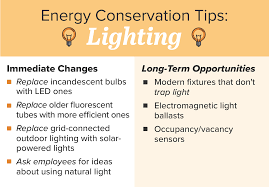
Lighting is something we use every single day. It affects how we feel and how we see. Making our lighting more efficient is an easy win for sustainable energy conservation.
It’s also a quick way to lower your electricity bill. The change from old bulbs to new ones is quite dramatic.
The biggest change you can make is switching to LED bulbs. LED stands for Light Emitting Diode. These bulbs use up to 75% less energy than incandescent bulbs.
They also last much longer. An incandescent bulb might last 1,000 hours. An LED bulb can last 25,000 hours or more.
That means fewer trips to the store and less waste too.
Consider where you use lights the most. Hallways, closets, and outdoor lights are good places to start. These are lights that might be left on for extended periods.
For dimmer switches, make sure your LED bulbs are compatible. Not all LED bulbs work with dimmer switches. Check the packaging carefully.
Using natural light is also a form of energy conservation. Open your curtains and blinds during the day. This lets sunlight in.
It brightens your home for free. In summer, though, direct sun can heat up your rooms. You might need to use blinds or curtains to block that heat.
It’s about balancing light and heat.
Think about motion sensors and timers for outdoor lights. Motion sensors turn lights on only when someone is near. This saves energy and can also add security.
Timers ensure lights are only on when you need them, like in the early evening. These simple additions make a difference in overall energy use.
LED Bulb Benefits
Energy Savings: Use significantly less electricity.
Longer Lifespan: Last many years, reducing replacement costs and waste.
Less Heat: Produce very little heat, which can also help reduce cooling costs in summer.
Durability: More resistant to shock and vibration.
Water Heating: A Hidden Energy User
Hot water is a comfort we often take for granted. But heating water takes a lot of energy. It’s often the second-largest energy expense in a home, after heating and cooling.
Being smart about how you use and heat water is vital for sustainable energy conservation.
Your water heater is a key appliance here. Most water heaters are set to 140°F. This is hotter than most people need.
Lowering the temperature to 120°F can save you money. It can also reduce mineral buildup and the risk of scalding. Check your water heater’s manual for how to adjust the thermostat.
It’s usually a simple dial.
Insulating your water heater can also help. Older tanks might benefit from an insulating blanket. This keeps the water hot for longer.
It means the heater doesn’t have to turn on as often. Make sure to follow the manufacturer’s instructions. Some newer tanks are already well-insulated.
Fixing leaky faucets is also important. A small drip can waste a lot of water. Over time, that wasted water adds up to wasted energy used to heat it.
Check all your faucets and showerheads. Tighten any loose connections. Replace worn-out washers.
It’s a simple fix that saves water and energy.
Reducing your hot water use is just as effective. Take shorter showers. Try to cut your shower time by just a few minutes.
Use cold water for washing clothes. As mentioned before, this is a huge energy saver. Use your dishwasher only when it’s full.
Modern dishwashers often use less water and energy than washing by hand, but only if they are full.
Water Heater Savings
Lower Temp: Setting your water heater to 120°F can save 3-10% on water heating costs.
Insulation: An insulating blanket can reduce standby heat loss by 25-45% for older tanks.
Flow Rate: Install low-flow showerheads. They use less hot water without sacrificing pressure.
In the Kitchen: Energy-Saving Meals
The kitchen is the heart of many homes. We prepare food, gather, and connect there. It’s also an area where energy is used a lot.
From cooking to refrigeration, there are many opportunities for sustainable energy conservation. Making your kitchen more efficient can save money and reduce your environmental footprint.
When cooking, choose the right appliance for the job. Smaller meals or reheating leftovers are best done in a microwave or toaster oven. They use much less energy than a full-sized oven.
If you are using your oven, try to cook multiple dishes at once. This makes the most of the energy used to heat it up.
Keep your oven door closed as much as possible. Every time you open it, you lose heat. This means the oven has to work harder to get back to temperature.
If you need to check on food, use the oven light to see inside. For things like roasts or cakes, you can often tell if they’re done by looking through the window.
When using stovetops, match the pot or pan size to the burner. A pot that’s too small will let heat escape around the sides. A pot that’s too big will waste energy.
Use lids on your pots and pans when cooking. This traps heat. It helps food cook faster.
This means less time the stove is on.
Your refrigerator and freezer are always running. Keep them set to the right temperatures. The refrigerator should be between 35-38°F.
The freezer should be at 0°F. Avoid putting hot foods directly into the fridge. Let them cool down first.
This prevents the fridge from working overtime to cool them. Keep them organized so you can find what you need quickly. This reduces the time the door is open.
Kitchen Energy Wins
Microwave Power: Use it for cooking and reheating. It’s up to 75% more energy efficient than a conventional oven for certain tasks.
Lid Up: Always use lids when cooking on the stovetop. It can cut cooking time by up to 50%.
Unplug Small Appliances: Toasters, blenders, and coffee makers can be unplugged when not in use to avoid phantom load.
Outdoor Energy Use
Energy conservation isn’t just for inside your house. Your yard and outdoor spaces use energy too. From landscape lighting to pool pumps, there are ways to be more efficient outdoors.
Thinking about these areas adds another layer to your sustainable energy conservation efforts.
Outdoor lighting is a common energy user. If you have landscape lights or porch lights, consider upgrading to LEDs. Solar-powered lights are another excellent option.
They absorb sunlight during the day. They then use that energy to power the lights at night. This means no extra electricity use at all.
They are also easy to install and move around.
If you have a pool, the pump is a big energy user. Consider using a timer for your pool pump. You don’t need to run it 24/7.
Running it for 8-12 hours a day is usually enough to keep the water clean. Some newer pumps are variable-speed. They use less energy than single-speed pumps.
They also allow for more customized run times.
When thinking about landscaping, consider plants that help your home. Shade trees planted on the south or west sides of your house can reduce cooling costs in the summer. They block the sun’s rays.
Deciduous trees are best. They lose their leaves in winter, letting the sun warm your home when you need it.
If you use outdoor fans or patio heaters, use them mindfully. Only turn them on when you are actually using the space. Consider more energy-efficient models if you need to
Yard Energy Tips
Solar Power: Use solar pathway lights, string lights, and even solar-powered fountains.
Smart Watering: If you have an irrigation system, ensure it’s set correctly and not watering during the hottest part of the day.
Natural Shade: Plant trees strategically to shade your home in summer but allow sun in winter.
When to Call in the Experts
While many energy-saving tips are DIY, some situations call for professional help. Knowing when to bring in an expert ensures you get the best results. It also helps you avoid costly mistakes.
For major projects, professional advice is often necessary for sustainable energy conservation.
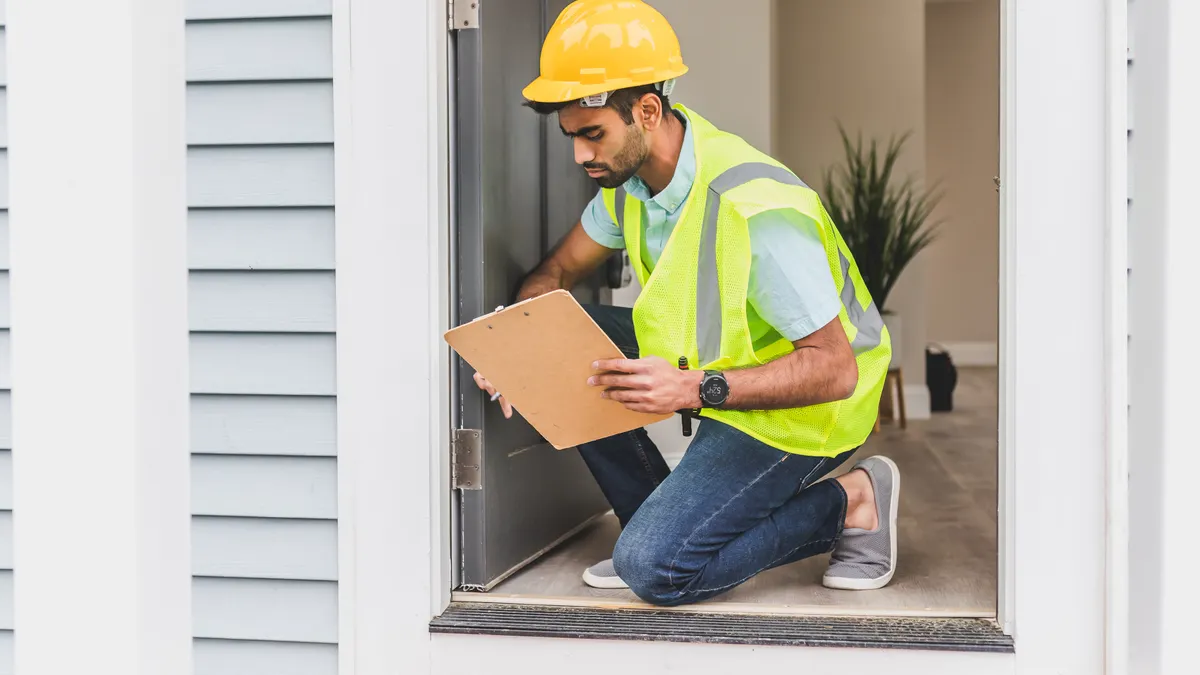
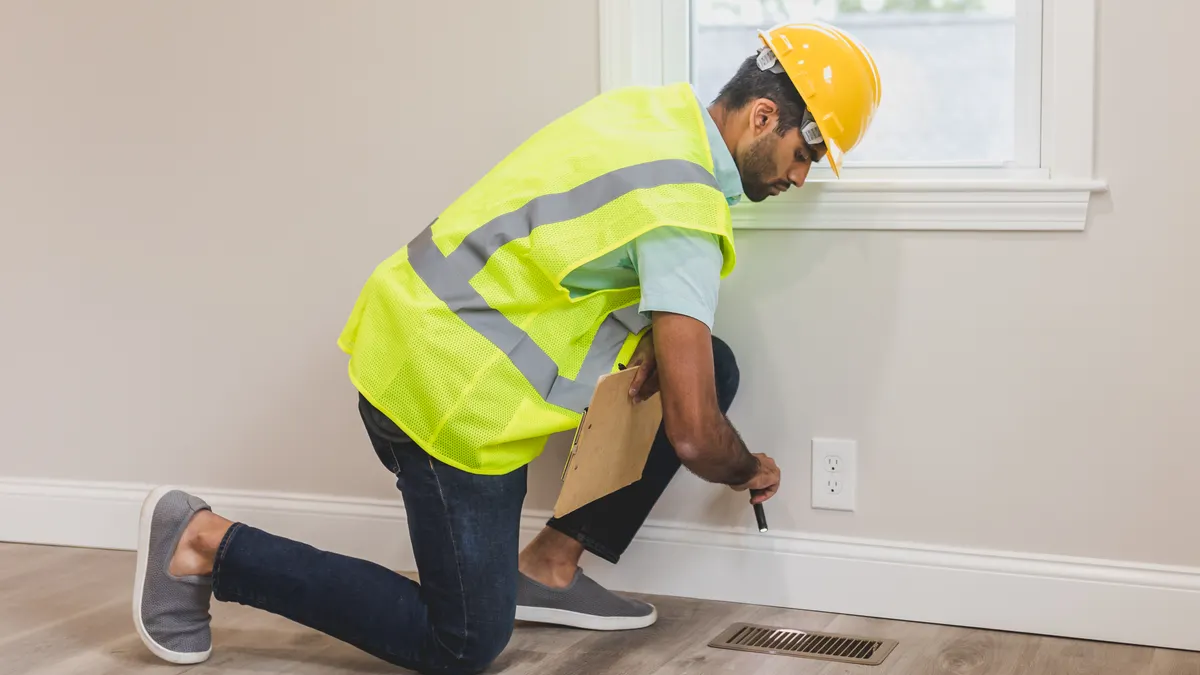
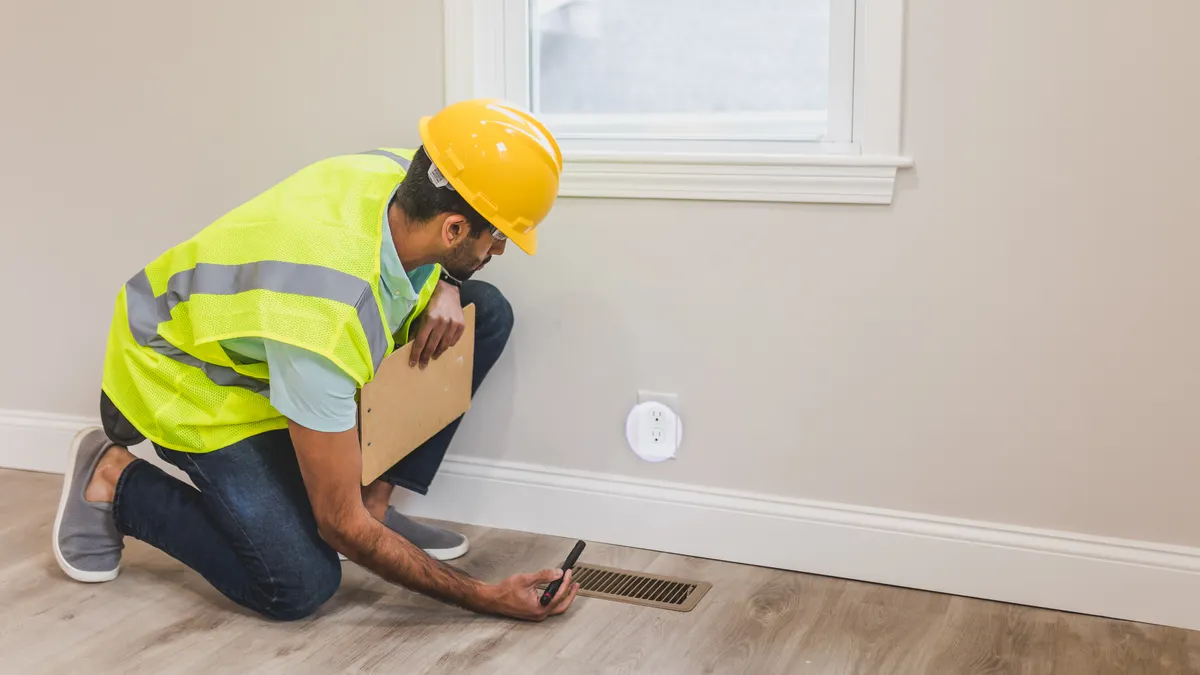
A home energy audit is a great place to start. An auditor will use special tools to find where your home is losing energy. This could be through the walls, windows, or attic.
They will give you a report. It will list the most effective ways to improve your home’s energy efficiency. Some utility companies offer free or low-cost audits.
When it comes to your heating and cooling system, regular professional maintenance is wise. An HVAC technician can tune up your furnace or air conditioner. They can clean ducts and check for leaks.
This ensures your system runs at peak efficiency. It can also prevent breakdowns.
If you are considering major upgrades like adding insulation or replacing windows, consult professionals. They can advise on the best materials and methods. They can also ensure the work is done correctly.
Improperly installed insulation, for example, can cause moisture problems.
For electrical upgrades or complex smart home installations, a qualified electrician is essential. They can ensure everything is safe and up to code. They can also advise on the best systems for your needs, like energy-efficient lighting controls or home energy monitoring systems.
Professional Energy Help
Energy Auditor: Identifies hidden energy losses in your home.
HVAC Technician: Maintains and repairs heating and cooling systems.
Insulation Specialist: Provides expert installation of insulation materials.
Electrician: Handles all electrical system work, including lighting and smart home tech.
Making Sustainable Choices Everyday
The concept of sustainable energy conservation is powerful. It’s about making conscious choices. These choices add up to a significant impact.
It’s not about one big fix, but a series of small, consistent actions. These actions benefit both your household and the wider world.
Think about transportation. If you can walk, bike, or use public transport, consider it. These options use less energy than driving a car.
If you drive, try to combine errands. This reduces the number of trips you make. Keeping your tires properly inflated also improves your car’s gas mileage.
Driving smoothly, without sudden acceleration or braking, saves fuel.
When shopping, think about the energy used to produce and transport goods. Choosing local products often means less transportation energy is involved. Buying durable items instead of disposable ones also reduces waste and the energy needed to create replacements.
Even your daily habits matter. Turn off water while brushing your teeth. Shorter showers save hot water.
Unplugging chargers when not in use stops phantom energy drain. These seem like tiny things, but they build up.
Educating yourself and your family is also key. Talk about why these habits are important. Make it a family effort.
When everyone is involved, the impact is greater. It creates a culture of mindful energy use.
Everyday Conservation Actions
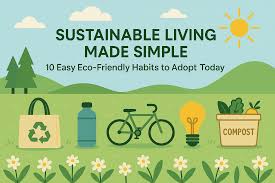
Reduce, Reuse, Recycle: Less waste means less energy needed to produce new items.
Mindful Driving: Combine trips, maintain your car, and drive efficiently.
Water Wisdom: Use less hot water, fix leaks, and turn off the tap.
Conscious Consumption: Buy less, buy smart, and choose sustainable products when possible.
The Future of Energy in Your Home
Looking ahead, the way we manage energy in our homes will continue to evolve. Technology is advancing rapidly. This brings new opportunities for sustainable energy conservation.
Smart home technology is one big area. It allows for more automated control over energy use.
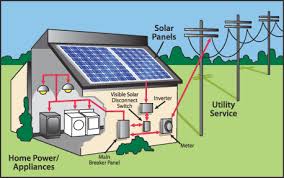
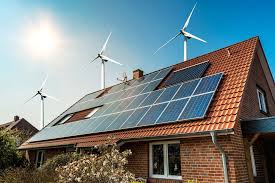
More homes are also looking at renewable energy sources. Solar panels are becoming more common. They generate clean electricity right on your roof.
Battery storage systems can store this solar energy. You can use it when the sun isn’t shining. This reduces reliance on the grid.
Energy efficiency standards for appliances and homes are getting stricter. This means new products and buildings are generally more efficient than older ones. As older homes are renovated, energy efficiency is becoming a bigger focus.
The concept of a “smart grid” is also developing. This is a modernized electrical grid. It uses digital technology.
It can better manage energy flow. It can also integrate renewable energy sources more easily. This will lead to more efficient energy distribution overall.
For homeowners, this means more options. It also means more information. Tools are emerging to help you track your energy use in real-time.
You can see exactly where your energy is going. This helps you make even smarter conservation choices. The future is about intelligent energy use.
It’s about making your home work for you, and for the planet.
Future Energy Trends
Smart Home Integration: Devices working together to optimize energy use.
Renewable Energy: Increased use of solar, wind, and other clean sources.
Energy Storage: Batteries to store excess renewable energy.
Grid Modernization: Smarter, more efficient electricity distribution.
Frequently Asked Questions
Is it expensive to start conserving energy?
Not at all. Many of the most effective energy conservation tips cost nothing. Simple habit changes like turning off lights or using less hot water are free.
Using natural light saves money. Switching to LED bulbs is a one-time cost that saves money over time. Even bigger upgrades like insulation can pay for themselves through lower energy bills.
How much money can I really save by conserving energy?
The amount you can save varies greatly. It depends on your current energy use, your location, and the changes you make. However, many households can save 10-30% on their energy bills by implementing energy conservation measures.
For a typical family, this can add up to hundreds or even thousands of dollars per year.
What is “phantom load” and how do I stop it?
Phantom load, also called standby power or vampire power, is the energy that electronics use when they are turned off but still plugged in. This can be for things like indicator lights or to allow for quick startup. You can stop it by unplugging devices when not in use.
Using smart power strips is also very effective. These strips can cut power to a group of devices when the main device (like a TV or computer) is off.
Are ENERGY STAR appliances worth the extra cost?
Yes, generally they are. ENERGY STAR certified appliances might cost a little more upfront. But they use significantly less energy and water over their lifetime.
This leads to lower utility bills. The savings often make up for the initial extra cost. Plus, they are designed to be more durable and perform well.
How does sealing air leaks help my home?
Sealing air leaks is one of the most cost-effective ways to improve your home’s energy efficiency. It stops conditioned air (warm in winter, cool in summer) from escaping your home. It also stops outside air from coming in.
This means your heating and cooling systems don’t have to work as hard to maintain a comfortable temperature. This saves energy and lowers your bills. It also makes your home more comfortable by reducing drafts.
What is the most important thing I can do for energy conservation?
If there’s one single most important thing, it’s to be mindful of your energy use. This means thinking about how you use energy every day. For many homes, the biggest energy users are heating and cooling.
So, adjusting your thermostat, ensuring good insulation, and sealing air leaks are very impactful. But even small habit changes, when done consistently, make a big difference over time.
Bringing It All Together
Making your home more energy efficient is a journey. It’s about making smart, sustainable choices. These choices benefit your wallet and our planet.
You’ve learned about simple fixes and bigger improvements. You’ve seen how everyday habits add up. You now have a roadmap to a more efficient home.
Remember, you don’t have to do everything at once. Start with a few easy steps. See what works best for your home and lifestyle.
Every bit of energy saved is a step towards a healthier future. You have the power to make a difference, starting today.


Leave a Reply