
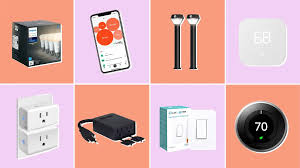
Understanding Energy-Saving Smart Devices
Smart devices for your home use the internet to do things. They can talk to each other and to your phone. This helps them work better.
They can also learn what you like. This makes them useful for saving energy. They don’t just use electricity; they use it smartly.
This means less waste.
Think of a regular light switch. You flip it on, it stays on until you flip it off. A smart bulb can do more.
You can tell it to turn off at a certain time. You can even control it from far away. This simple change stops lights from being left on by mistake.
It’s like having a helpful assistant for your home’s energy use.
Many of these devices connect to Wi-Fi. You often use an app on your phone to control them. This app is like a remote control for your whole house.
You can check how much energy things are using. You can also make changes from anywhere. This gives you a lot of power over your energy bills.
Some smart devices learn your habits. A smart thermostat learns when you are home. It learns when you sleep.
It adjusts the heat or air conditioning based on this. It won’t heat an empty house. It won’t cool it down too much when you’re sleeping.
This smart learning saves a lot of energy without you even thinking about it.
It’s not just about saving money. Using less energy is good for the earth. It means we use fewer resources.
It also means less pollution. Smart devices help us do this more easily. They make being green simple and automatic.
My Own “Oops, I Left That On!” Moment
I remember one chilly evening last winter. I had been out running errands. It was late, and I was tired.
I got home, turned on the heat, made some tea, and then just collapsed on the couch. I completely forgot I’d left the upstairs hallway light on. It’s a little light, but it’s still on.
I only realized the next morning when I went upstairs. The light had been on all night. I felt a bit silly.
It’s easy to do. You get distracted, you’re tired, or maybe you just don’t think about it. That was the moment I really started to appreciate what smart lighting could do.
Even just one light left on for hours adds up. It’s a small waste, but multiply it by millions of homes, and it’s huge. It got me thinking about all the little energy wastes that happen every day.
That’s when I decided to look more into smart home tech.
Now, I have smart bulbs in a few key areas. I set them to turn off automatically after I usually go to bed. Sometimes, I even get a notification on my phone if a light has been on longer than expected.
It’s a small thing, but it gives me peace of mind. It stops those “oops” moments and helps keep my energy use down.
It wasn’t a big, scary system. It was just a few bulbs. But the impact on my awareness, and on my bill, was noticeable.
It made me a believer in how smart tech can simplify saving energy.
Smart Lightbulb Benefits
Convenience: Control lights from your phone or voice. Set schedules for them to turn on and off.
Energy Savings: Prevent lights from being left on. Dim lights to use less power.
Ambiance: Change colors and brightness. Create different moods for any room.
Smart Thermostats: The Home’s Brain for Comfort and Savings
A smart thermostat is one of the most popular smart devices for saving energy. It’s much smarter than a basic dial thermostat. It connects to your home’s heating and cooling system.
It also connects to your Wi-Fi network. You can control it with an app on your phone or with your voice. This is great for comfort.
But the real magic is in its brains. Many smart thermostats learn your schedule. They figure out when you are usually home and when you are away.
They can also sense if you are home using your phone’s location. This helps them avoid heating or cooling an empty house. This is a huge energy saver.
You can set a schedule for your thermostat. For example, you might want it cooler when you sleep. You might want it warmer when you wake up.
You can also tell it to go to an energy-saving temperature when you leave for work. You don’t have to remember to do it yourself.
Some smart thermostats work with other smart devices. They might turn off the heat if a smart window sensor shows a window is open. They might adjust based on the weather forecast.
This makes your home’s climate control very efficient.
The U.S. Department of Energy says heating and cooling are big parts of home energy use. Smart thermostats can cut these costs by up to 10% a year.
That’s money back in your pocket every month. They help the environment too by reducing the demand for power plants to run.
Installation is usually pretty straightforward. Many people can do it themselves. Others hire an HVAC professional.
Once it’s set up, the app guides you through the learning process. It’s a smart investment for comfort and savings.
Smart Thermostat Features
- Learning Capabilities: Adapts to your schedule and habits.
- Remote Control: Adjust temperature from anywhere via an app.
- Energy Reports: Shows how much energy you’re saving.
- Geofencing: Uses your phone’s location to set temperatures.
- Voice Control: Works with smart assistants like Alexa or Google Assistant.
Smart Lighting: More Than Just On and Off
Smart lighting has come a long way. It’s not just about turning lights on with your voice. These systems offer so much more for energy saving.
You can control individual bulbs or entire rooms. You can set them to dim, change colors, or turn on and off at specific times.
Think about your daily routine. Lights might be left on in rooms you’re not using. Or maybe you forget to turn them off when you leave for the day.
Smart bulbs can solve this. You can create schedules so lights turn off automatically when you’re usually asleep or away.
Many smart bulbs also allow dimming. Lowering the brightness uses less electricity. You can set a cozy, dim light for the evening.
Or you can set a brighter light for reading. This control helps you use only the light you need, when you need it.
Motion sensors can also be part of a smart lighting system. Place a sensor in a hallway or a closet. The light turns on when someone enters.
It turns off after a set period of no motion. This ensures lights aren’t burning unnecessarily in empty spaces.
Smart lighting can also integrate with other smart home devices. For example, a smart door lock could turn on the porch light when you unlock the door at night. Or, when your smart thermostat goes into “away” mode, it could trigger all smart lights to turn off.
The energy savings might seem small for one bulb. But across an entire house, with many bulbs and consistent use, it adds up. It’s an easy way to make a noticeable impact.
Plus, the convenience of not having to hunt for light switches is a nice bonus.
Smart Plugs: Simple Gadgets for Big Savings
Smart plugs are one of the easiest ways to make “dumb” devices smart. You plug them into a regular outlet. Then you plug your appliance into the smart plug.
Now, you can control that appliance remotely using an app or voice commands.
This is fantastic for devices that draw power even when they’re off. This is often called “vampire drain” or “standby power.” Think of things like TVs, game consoles, phone chargers, and coffee makers. When they’re plugged in but not actively on, they still sip electricity.
With a smart plug, you can turn these devices completely off when you’re not using them. You can set schedules. For instance, you can have the TV and its connected soundbar turn off completely at midnight.
Or you can schedule your phone chargers to stop delivering power after a few hours, preventing overcharging and saving energy.
Some smart plugs also have energy monitoring features. They can tell you exactly how much power an appliance is using. This can be eye-opening.
You might discover that a seemingly innocent device is costing you more than you think. You can then decide to schedule that plug to turn off.
Setting them up is usually very simple. You plug them in, connect them to your Wi-Fi through an app, and then plug in your device. You can often group multiple smart plugs together.
For example, you could create a “home office” group to turn off all printers, monitors, and scanners at once.
They are also great for things like lamps or fans. You can turn them on and off remotely. This adds a layer of security and convenience.
It’s a small device, but it offers a lot of control over energy use for many common household items.
Smart Plug Use Cases
- Eliminate Vampire Drain: Cut power to devices when not in use.
- Schedule Appliances: Set timers for coffee makers, lamps, or fans.
- Remote Control: Turn devices on or off from your smartphone.
- Energy Monitoring: Track power usage of connected devices.
- Voice Commands: Integrate with smart assistants for hands-free control.
Smart Home Energy Management Systems
For a more comprehensive approach, consider smart home energy management systems. These are often more advanced. They aim to control and optimize energy use across your entire home.
They can connect many different smart devices together.
These systems might include smart thermostats, smart lighting, smart plugs, and even smart appliances. They use a central hub or a sophisticated app to coordinate everything. The goal is to create a smart ecosystem that works together to save energy automatically.
A good system can learn your patterns. It can predict your energy needs based on the weather, your schedule, and even the time of day. It then adjusts devices to use the least amount of energy possible.
For example, it might dim lights slightly when natural light is abundant. It might adjust the thermostat by a degree or two when you’re in a part of the house that stays naturally warmer.
Some systems can also help you manage peak energy hours. In some areas, electricity costs more during peak times. A smart energy management system can automatically shift energy-intensive tasks to off-peak hours.
This could mean running a dishwasher or charging an electric vehicle when electricity is cheaper.
These systems often provide detailed reports on your energy consumption. You can see where your energy is going. You can identify which devices are using the most power.
This information helps you make better decisions about your energy habits. They help you understand your home’s energy footprint.
While they can be a bigger investment upfront, the long-term savings can be substantial. They offer a holistic approach to energy efficiency. It’s like having a professional energy auditor living in your home, constantly working to save you money and resources.
Smart Appliances: The Future of Efficient Living
Appliances like refrigerators, washing machines, and dryers are major energy consumers in most homes. Smart versions of these appliances are becoming more common. They bring energy-saving features to the forefront.
For example, smart refrigerators can help you manage food inventory. This can reduce food waste. Less food waste means less energy used in production and transport.
Some models can also alert you if the door is left open, saving cooling energy.
Smart washing machines and dryers often have special eco-friendly cycles. These cycles use less water and less energy. They might also be controllable via an app.
You can schedule them to run during off-peak hours when electricity is cheaper. This is a practical way to save money on laundry day.
Dishwashers can also be smart. They can optimize water and energy use for different load sizes. Some can even detect how dirty the dishes are and adjust their cycle accordingly.
This prevents them from running longer than necessary.
Many smart appliances connect to the internet. This allows for remote monitoring and control. It also means manufacturers can send software updates.
These updates can improve performance and energy efficiency over time. It’s like buying an appliance that gets better with age.
While smart appliances can be more expensive upfront, their energy-saving features and potential for reduced utility bills can offset the cost over their lifespan. They represent the next step in creating a truly energy-efficient home.
Smart Window Coverings: Natural Insulation
Smart blinds and shades might seem like a less obvious energy saver, but they play a vital role. They help control the temperature inside your home by managing sunlight.
In the summer, smart blinds can automatically close when the sun is strongest. This blocks heat from entering your home. This reduces the need for air conditioning.
You can set them to close at certain times of the day or when the temperature reaches a certain point.
In the winter, they can do the opposite. On sunny winter days, they can open automatically. This lets in the sun’s warmth, acting as natural passive solar heating.
This can reduce your reliance on your heating system.
You can control them via an app, voice commands, or set them on a schedule. Imagine waking up and your bedroom blinds slowly opening with the sunrise. Or imagine them closing automatically in the afternoon to keep your living room cool.
These systems can also integrate with smart thermostats. If the thermostat detects the house is getting too warm from the sun, it might signal the blinds to close. If it’s too cold, it might signal them to open.
While they might not offer the dramatic energy savings of a smart thermostat, they are an important part of a whole-home energy management strategy. They work with your HVAC system to keep your home comfortable using less energy. They are a great way to leverage natural conditions to your advantage.
Smart Blinds vs. Regular Blinds
Smart Blinds:
- Automated operation based on schedules, sun, or temperature.
- Integrate with smart home systems for coordinated energy savings.
- Offer convenience and fine-tuned control over light and heat.
Regular Blinds:
- Manual operation only.
- Require manual adjustment throughout the day.
- Less effective at proactive energy management.
What This Means for Your Home
These smart devices are not just for tech enthusiasts. They offer real, tangible benefits for everyday homeowners. The primary benefit is energy savings.
This means lower utility bills. For a typical household, these savings can add up to a significant amount each year.
Beyond saving money, these devices offer convenience. You can control your home’s environment from anywhere. This is especially helpful if you travel often or have a busy schedule.
You don’t have to worry about leaving lights on or the thermostat running high when you’re away.
They also contribute to a more comfortable home. A smart thermostat keeps your home at the perfect temperature. Smart lighting can create the right mood.
Smart window coverings ensure your home stays cool in summer and warm in winter.
For many, the environmental aspect is a big draw. Using less energy means a smaller carbon footprint. It means contributing to a healthier planet.
Smart devices make it easier to be environmentally conscious.
It’s important to remember that these devices work best when used correctly. Learning how to set schedules and utilize their features is key. They are tools that empower you to manage your energy use more effectively.
The initial cost of some devices might seem high. However, when you consider the long-term energy savings, they often pay for themselves. Many utility companies also offer rebates for smart thermostats, making them even more affordable.
When to Worry (and When It’s Just Normal Use)
It’s good to know what’s normal for energy use. And when a smart device might be indicating a real problem.
When it’s Normal:
- Smart Thermostat: Your thermostat will adjust temperatures based on its learning. It might seem a little warmer or cooler than you expect sometimes. This is often it saving energy when you’re asleep or away. Check the app for its schedule.
- Smart Lighting: Lights turning off automatically when you leave a room or go to bed is normal. Lights dimming slightly to save power is also normal.
- Smart Plugs: Devices drawing very little power when “off” but plugged in is normal for many electronics. A smart plug helps you cut this.
When to Worry:
- Smart Thermostat: If your heating or cooling system runs constantly and your bills spike unexpectedly, there might be an issue with the system itself, not just the thermostat’s settings. If the thermostat reports extreme temperature swings that don’t match the actual room temp, it might need recalibration.
- Smart Lighting: If lights flicker or turn on/off randomly without any input, there might be a connection issue or a fault in the bulb or fixture.
- Smart Plugs: If a smart plug feels unusually hot to the touch or disconnects frequently, there might be a safety issue or it might be overloaded.
- Energy Spikes: If you see a sudden, unexplained surge in energy usage reported by your smart home system or smart plugs, investigate which device or area is causing it. It could be a malfunctioning appliance.
Most of the time, the “smartness” of these devices is about optimization. They are designed to make your energy use more efficient. They highlight areas where you can save.
Any real concerns are usually about the underlying appliances or systems, rather than the smart device itself.
Quick Tips for Smart Energy Savings
Getting the most out of your smart energy devices is simple. Here are a few key tips:
- Set Schedules: Make full use of programmable schedules for thermostats and lights. Match them to your daily routines.
- Use Geofencing: Let your thermostat use your phone’s location. It will adjust to save energy when you’re away.
- Monitor Your Usage: Many apps provide energy reports. Review these reports to understand where your energy goes.
- Combine Devices: Link devices together. For example, have your smart door lock turn on your porch light.
- Update Software: Keep your smart device apps and firmware updated. This ensures you have the latest features and efficiency improvements.
- Start Small: If you’re new to smart tech, start with a few smart plugs or a smart thermostat. See how they work for you before expanding.
- Educate Yourself: Learn about your specific devices. Read their manuals or watch setup videos.
Frequently Asked Questions about Smart Energy Devices
Are smart devices really worth the cost?
For most people, yes. While the initial cost can be higher than basic devices, the energy savings over time usually make them pay for themselves. Plus, they offer added convenience and features.
Do I need a strong Wi-Fi signal for smart devices?
Yes, a stable Wi-Fi connection is essential for most smart devices to work properly. A strong signal ensures reliable communication and control.
Can smart devices be controlled without a smartphone?
Many smart devices can be controlled using voice commands with smart assistants like Amazon Alexa or Google Assistant. Some also have physical buttons or work with dedicated remote controls.
What is “vampire drain” and how do smart plugs help?
Vampire drain is the electricity that devices use when they are turned off but still plugged in. Smart plugs can cut power to these devices completely when not in use, eliminating this waste.
How much energy can a smart thermostat actually save?
A smart thermostat can typically save you between 10% and 20% on your heating and cooling bills. This is because it avoids heating or cooling an empty home and optimizes temperatures based on your habits.
Are smart devices secure?
Smart device security is an important consideration. Always ensure you use strong, unique passwords for your Wi-Fi network and smart device accounts. Keep device software updated, as updates often include security patches.
The Bottom Line on Smart Energy Devices
Smart devices are more than just a trend. They are practical tools for modern living. They help you save money on bills.
They make your home more comfortable and convenient. And they help you reduce your impact on the environment. By understanding and using them wisely, you can create a more efficient and connected home.

Leave a Reply