
It can feel overwhelming when you look at your monthly energy bill. You want to save money. You also want to do your part for the planet. Many families feel this way. Small changes can make a big difference, though. This guide will show you simple ways to save energy at home. You’ll learn how easy it can be to cut costs and be greener. Let’s explore how to make your home more energy-efficient together.
Saving energy at home is possible for every family. It involves simple daily routines and smart choices. These habits reduce your electricity and gas bills. They also help protect the environment. You can easily adopt these practices without a lot of effort or expense.
What Are Energy Saving Habits?
Energy saving habits are regular actions you take in your home. These actions reduce the amount of energy you use. Think of things like turning off lights. It also means using appliances wisely. These habits help lower your utility bills. They also lessen your impact on the environment. It’s about being mindful of how you use power and heat.
Why do these habits matter? Our homes use a lot of energy. This comes from electricity, natural gas, and oil. This energy often comes from burning fuels. Burning fuels creates pollution. This pollution can harm our air and climate. By using less energy, we reduce this pollution. We also save money because our bills are lower. It’s a win-win situation.
This guide will cover many easy ways to save energy. We will look at lighting. We will check out heating and cooling. We will also talk about appliances and water use. You will find simple tips for every room. You’ll also learn why these small steps are so important for your family and the world.
My Own Energy Saving Journey
I remember a time when our electricity bill seemed to climb every month. It felt like a mystery we couldn’t solve. My family was busy. We were running around a lot. Lights were left on. The TV was on in empty rooms. We’d heat the house a lot. Then, we’d open windows. It was a cycle of waste we didn’t even notice at first. I felt a bit helpless seeing the numbers go up. Then, one summer, things got really bad. The AC unit was running non-stop. Our bill was higher than ever. It made me stop and think. There had to be a better way.
I started reading up on energy saving. Some tips seemed too complicated. Others involved big costs for new equipment. But I found many small things. Things we could start doing right away. I talked to my kids. I explained that saving energy meant saving money for fun things. It also meant helping keep the air clean. They were surprisingly on board! We started with simple steps. We made a game out of turning off lights. We began unplugging chargers when not in use. We learned to use fans more. We checked for drafts around windows.
It wasn’t magic. It took a little time for everyone to get used to it. Sometimes, someone would forget. I’d gently remind them. Seeing the bill decrease was amazing. It was proof that our efforts were working. The best part was feeling more in control. We weren’t just letting energy slip away. We were being smart and responsible. This journey showed me that anyone can do it. It’s about making conscious choices every day. Little by little, it adds up to big savings.
Quick Scan: Top Energy Savers
Smart Lighting:
- Use natural light when possible.
- Turn off lights when leaving a room.
- Switch to LED bulbs.
Heating & Cooling:
- Set thermostat a few degrees lower in winter.
- Set thermostat a few degrees higher in summer.
- Use fans to circulate air.
Appliances:
- Unplug electronics when not in use.
- Run full loads of laundry and dishes.
- Clean dryer lint trap regularly.
Lighting Up Your Savings
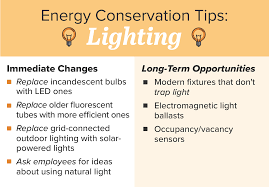
Lighting is a big part of home energy use. Many homes have old light bulbs. These bulbs use a lot of power. They also create heat. Upgrading your light bulbs is a great first step. Look for LED bulbs. LED stands for Light Emitting Diode. They use much less energy than old bulbs. They also last a lot longer. This means you buy bulbs less often.
The simple act of turning off lights is powerful. Make it a habit for everyone in the family. When you leave a room, flip the switch. Teach children to do this too. It becomes second nature with practice. Use natural light whenever you can. Open curtains and blinds during the day. This lets sunshine fill your rooms. It’s free and pleasant light.
Consider where you need light. Do you need a bright light in the hallway if no one is there? Maybe a dimmer bulb or a smaller light is enough for some areas. Task lighting is useful. This is light focused on a specific area, like over a kitchen counter or a desk. It uses less energy than lighting up a whole room brightly.
Contrast: Old Bulbs vs. LEDs
| Feature | Old Incandescent Bulbs | LED Bulbs |
|---|---|---|
| Energy Use | High (uses lots of electricity) | Very Low (uses up to 80% less) |
| Lifespan | Short (around 1,000 hours) | Long (up to 25,000 hours or more) |
| Heat Output | High (wastes energy as heat) | Low (more energy for light) |
| Cost | Cheap to buy | More expensive to buy, but saves money long-term |
Heating and Cooling Smartly
Heating and cooling your home uses the most energy. Making changes here saves a lot of money. Your thermostat is your best friend. In winter, set it lower when you’re asleep or away. Even a few degrees can make a difference. Try setting it to 68°F (20°C) when you’re home and awake. Lower it to 60-62°F (16-17°C) when you’re out or sleeping.
In summer, do the opposite. Set the thermostat higher when you’re away. 78°F (26°C) is a good target when you’re home. Use ceiling fans. They help circulate air. This makes the room feel cooler. This means you can raise the thermostat a bit. Keep blinds and curtains closed during hot sunny days. This stops the sun from heating your home too much.
Check your home for drafts. Drafts are small air leaks. They let warm air out in winter. They let cool air out in summer. Look around windows and doors. You can feel drafts or see them. Weatherstripping and caulk can seal these leaks. This is a cheap fix that saves a lot. Make sure your heating and cooling vents are not blocked. Furniture or curtains can stop airflow. Keep them clear for efficiency.
Consider your furnace and AC filters. A dirty filter makes your system work harder. This uses more energy. Clean or replace filters often. Follow the manufacturer’s advice. Many suggest checking them every 1-3 months.
Observational Flow: Smart Thermostat Use
Morning (Wake Up):
Set thermostat to comfortable 68°F (20°C).
Daytime (Away or Sleeping):
Lower thermostat to 60-62°F (16-17°C) or higher to 78°F (26°C) in summer.
Evening (Home):
Gradually adjust back to 68°F (20°C) or 78°F (26°C) as needed.
Night (Sleep):
Set thermostat to 60-62°F (16-17°C) or higher to 78°F (26°C) in summer.
Appliance Efficiency Wins
Appliances use a lot of electricity. Many are “energy vampires.” They suck power even when turned off. This is called phantom load. Unplug chargers for phones, laptops, and other devices when not in use. Even small amounts of energy add up over time. You can also use power strips with on/off switches. Turn off the strip when you’re done using the devices plugged into it.
When buying new appliances, look for the ENERGY STAR label. ENERGY STAR is a government program. It helps consumers identify energy-efficient products. These appliances use less energy than standard models. They can save you money on your bills. They also help the environment.
Laundry appliances are big energy users. Wash clothes in cold water whenever possible. Most detergents work well in cold water now. This saves the energy needed to heat water. Run full loads. Don’t wash just a few items. This makes the most of the energy used for each wash cycle. For the dryer, clean the lint trap after every load. A clean trap lets air flow better. This dries clothes faster and uses less energy. You can also air dry clothes on a line or rack.
Your refrigerator and freezer are always on. Keep them clean. Make sure the door seals are tight. Test them by closing the door on a piece of paper. If you can pull it out easily, the seal might be bad. Clean the coils on the back or bottom regularly. Dust can make them work harder.
Stacked Micro-Sections: Fridge & Freezer Tips
Door Seals: Check for tightness. Replace if they leak air.
Coil Cleaning: Dust buildup makes them less efficient. Clean every 6-12 months.
Temperature: Set fridge to 35-38°F (2-3°C). Set freezer to 0°F (-18°C).
Fullness: A mostly full fridge/freezer is more efficient. Use jars of water if needed.
Water Usage and Energy
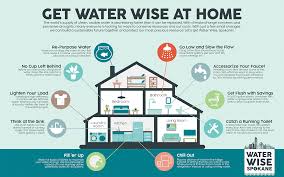
Heating water uses energy. Most homes use gas or electric water heaters. Reducing hot water use saves energy. Take shorter showers. Long showers use a lot of hot water. You can also install low-flow showerheads. They use less water while still giving good pressure.
When doing dishes, use the dishwasher if you have one. Modern dishwashers are often more water and energy efficient than hand washing. Make sure to run full loads. If you hand wash dishes, don’t let the water run. Fill a basin with hot water. Use that for washing and rinsing.
Check your water heater temperature. Many are set higher than needed. Around 120°F (49°C) is usually enough for most households. A higher temperature uses more energy. It also increases the risk of burns. Make sure pipes carrying hot water are insulated. This stops heat from escaping before the water reaches your faucet.
Fix leaky faucets. Even a small drip can waste a lot of water. And if it’s a hot water drip, it’s wasting heated water too. This means wasted energy. Regularly check your pipes for leaks.
Quick-Scan Table: Hot Water Savings
| Action | Energy Saved | How |
|---|---|---|
| Shorter Showers | Significant | Uses less hot water. |
| Low-Flow Showerheads | Moderate | Reduces water volume. |
| Dishwasher (Full Load) | Moderate | More efficient than hand washing. |
| Lower Water Heater Temp | Moderate | Less energy to heat water. |
| Fix Leaks | Small but constant | Stops wasted hot water. |
Involving the Whole Family
Saving energy is a team effort. Make it fun for kids. Create charts. Give rewards for meeting energy goals. For example, if the family hits a new low bill, have a movie night with popcorn. Make energy-saving a game. Who can turn off the most lights in a week? Who remembers to unplug chargers?
Explain why saving energy is important in simple terms. Talk about the environment. Talk about saving money for family activities. Kids are more likely to help if they understand the ‘why’. They can also be great advocates for energy saving in the home. They might remind parents to turn off lights!
Involve them in choices. Ask them to help pick out LED bulbs for their rooms. Let them help create a chore chart for energy saving tasks. Assign specific roles. One child might be the “light checker.” Another might be the “appliance unplugger.” This gives them ownership.
Regularly talk about your energy use. Look at the bill together. Show them how the numbers have changed. Celebrate successes. This reinforces the good habits. It helps them see the real impact of their actions.
Card Grid: Kid-Friendly Energy Saving Ideas
Light Switch Champion
Be the first to switch off lights when leaving rooms.
Unplug Power Patrol
Find unused chargers and unplug them.
Window Watcher
Close curtains on sunny summer days. Open them wide in winter.
Full Load Fanatic
Wait for a full load before starting the washer or dryer.
Real-World Context: What This Means for Your Home
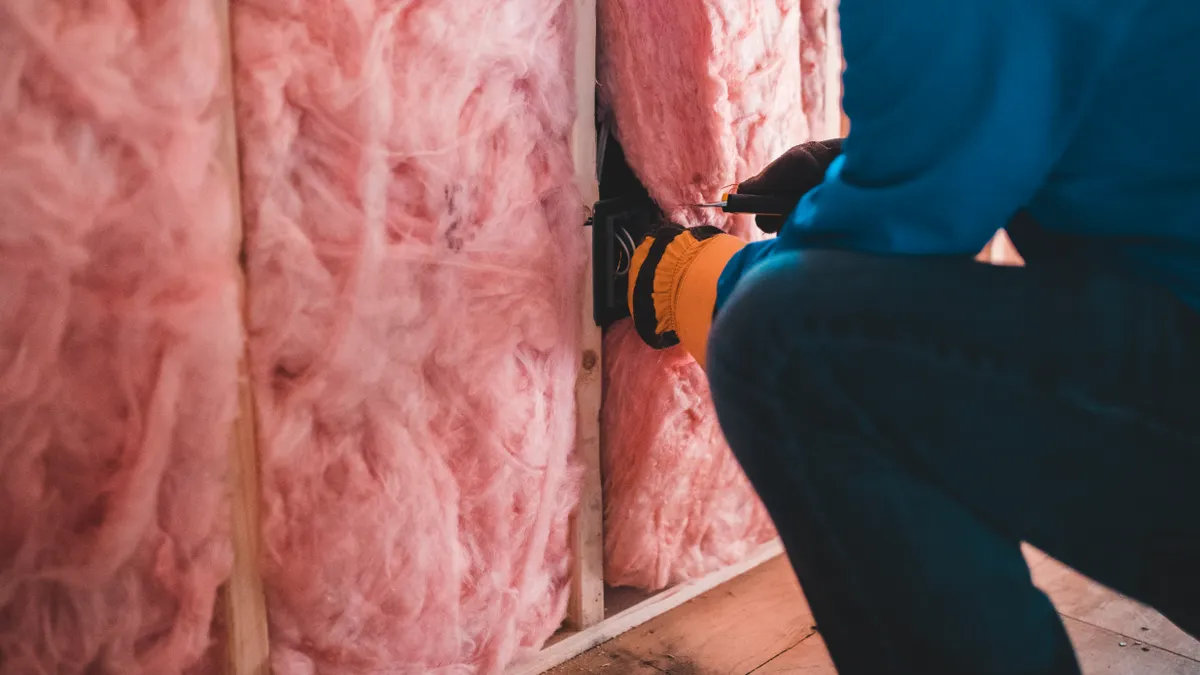
The type of home you have matters. Older homes might have less insulation. They can also have more leaks. New homes are often built with better energy efficiency. But habits still play a huge role. A new, efficient home can still waste energy if used unwisely.
Consider your local climate. In colder regions, heating is a bigger concern. In hotter areas, cooling takes more energy. Adapt your habits to your climate. For example, in the Midwest, sealing drafts might be your top priority. In Florida, using fans and managing AC use is key.
Think about your daily routine. Are you home all day? Or are you out for work and school? Adjust your thermostat settings based on when your home is occupied. If you work from home, your needs will be different than someone who commutes. Smart use of energy means tailoring it to your life.
Your appliances matter. Older appliances are usually less efficient. If you can’t afford to replace them all at once, focus on the biggest users. The refrigerator, dryer, and water heater are good places to start. When they do need replacing, choose ENERGY STAR models. This is an investment that pays off over time.
When It’s Normal and When to Worry
It’s normal for your energy bill to go up in winter and summer. These are peak heating and cooling seasons. You will naturally use more energy. What’s important is how much it goes up. Compare bills from previous years for the same months. Is the increase much larger than usual?
If your bills suddenly jump without any change in your habits, that could be a sign of a problem. It might mean an appliance is failing. Or there could be an issue with your HVAC system. A sudden increase in your energy usage could also point to a leak you can’t see.
Listen to your home. Are there strange noises from your furnace or AC? Does your water heater make unusual sounds? These are indicators that something might need attention. Don’t ignore them. Address them early. This can prevent bigger, more expensive problems down the line.
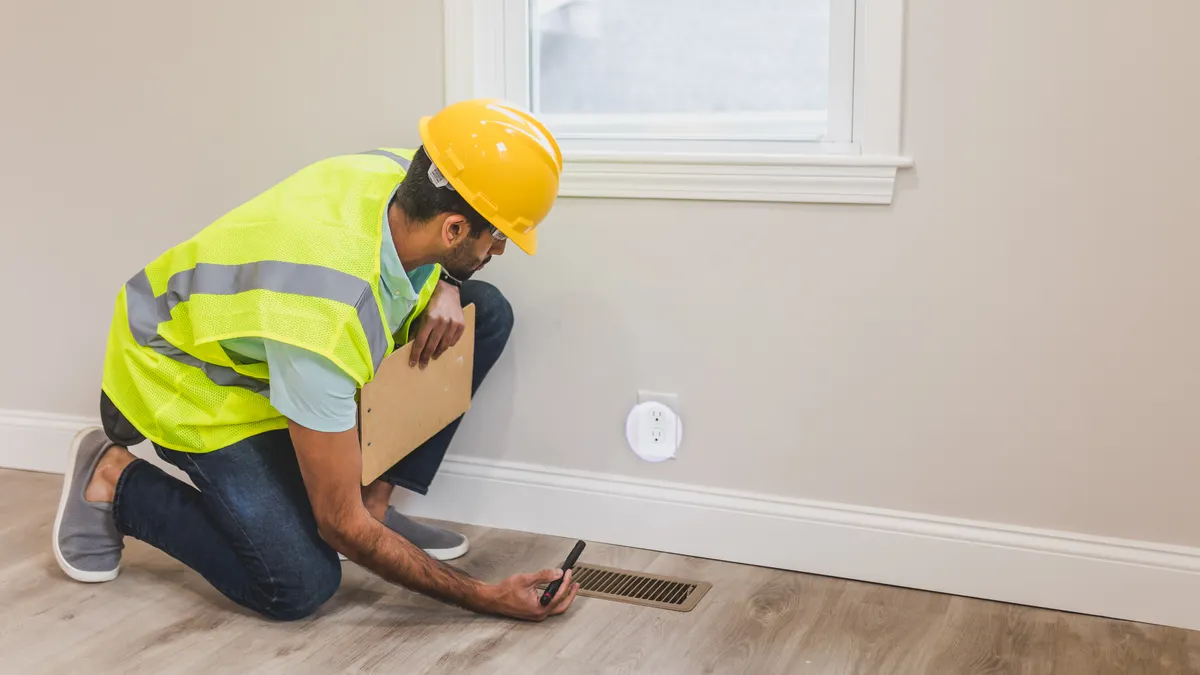
If you feel your home is not staying warm or cool as it should, even when the system is running, it might be a sign of poor insulation or duct leaks. You can do a simple check of your vents. Do they all blow air evenly? If some rooms are much hotter or colder than others, that’s worth investigating.
Quick Tips for Ongoing Savings
Here are some easy tips to keep your energy bills low. Make these part of your daily life. They don’t take much extra time.
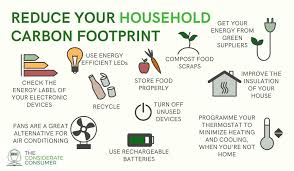
- Unplug Devices: Get into the habit of unplugging chargers and electronics when not in use.
- Seal Drafts: Use weatherstripping and caulk around windows and doors.
- Use Fans: Ceiling fans and portable fans help you feel cooler. This lets you set the thermostat higher in summer.
- Cold Water Washes: Always wash clothes in cold water.
- Full Loads: Run the dishwasher and washing machine only when they are full.
- Clean Filters: Regularly clean or replace HVAC filters.
- Lower Water Heater Temp: Set your water heater to around 120°F (49°C).
- Natural Light: Open blinds and curtains to use sunlight.
- Turn Off Lights: Make it a rule to switch off lights when you leave a room.
Frequently Asked Questions
What are the easiest ways for a family to start saving energy?
The easiest ways involve simple habits like turning off lights when leaving a room, unplugging unused chargers, and using natural light. Also, try to wash clothes in cold water and run full loads in the dishwasher and washing machine. These require minimal effort but make a noticeable difference.
How much money can families save by adopting energy saving habits?
The amount saved varies greatly. It depends on your current energy use, your location, and how consistently you apply the habits. However, many families can see savings of 10% to 20% or even more on their utility bills. This can add up to hundreds of dollars per year.
Are there any upfront costs to start energy saving habits?
Most energy-saving habits have no upfront costs. They rely on changing your behavior. Some small investments, like switching to LED bulbs or buying a smart power strip, have a low cost. But these pay for themselves quickly through energy savings.
How can I get my kids involved in energy saving?
Make it fun! Turn energy saving into a game or a challenge. Explain why it’s important in simple terms. Give them specific tasks, like being the “light switch champion.” Reward them for good energy habits. Showing them the impact on bills or the environment can also motivate them.
What is the role of the thermostat in saving energy?
The thermostat controls your heating and cooling, which are the biggest energy users. By setting it a few degrees lower in winter when you’re away or asleep, and a few degrees higher in summer, you can significantly reduce energy use. Using programmable or smart thermostats automates this process.
How do I know if my home has energy leaks?
You can often feel drafts around windows and doors. Look for gaps or cracks. On a windy day, you might see or hear air movement. Your energy bills being higher than expected for your home size and usage can also indicate leaks. A professional energy audit can pinpoint exact locations.
Conclusion: Small Steps, Big Impact
Adopting energy saving habits is achievable for any family. It’s not about drastic changes. It’s about consistent, small actions. These habits lead to lower energy bills. They also contribute to a healthier planet. Start with one or two tips today. Gradually add more. You’ll find that saving energy becomes a natural part of your daily life. Your wallet and the environment will thank you.

Leave a Reply