
Saving energy at home means lowering your monthly bills and helping the planet. It involves understanding where your energy goes and making small changes to use less. This guide will show you how to spot energy drains and adopt habits that keep your home cozy and your wallet happy.
Understanding Where Your Energy Goes
To save energy, we first need to know where it’s used. Think of your home like a busy place with many workers. Some workers use a lot of power, while others use just a little.
Knowing these key players helps us focus our efforts.
Most of the energy in a typical U.S. home goes to a few main areas. Heating and cooling are usually the biggest users.
This makes sense, especially with our varied American climates. Keeping your house warm in winter and cool in summer takes a lot of power.
After heating and cooling, hot water heating is another major energy hog. Think about showers, washing clothes, and dishes. All these use hot water, which needs energy to heat up.
Then comes your appliances and electronics. Refrigerators run all day and night. Washers, dryers, ovens, and TVs all use electricity.
Even small gadgets plugged in can draw power when you’re not using them. This is often called “phantom load.”
Lighting is also a piece of the puzzle. While LED bulbs have helped a lot, how and when we use lights still matters. Finally, things like pool pumps or extra refrigerators can add up quickly.
Understanding these energy users is the first step. It’s like knowing which muscles to stretch before a workout. We want to target the areas that use the most to get the biggest savings.
It’s not about living in a dark, cold house. It’s about being smart and efficient.
My Experience with a “Phantom Load” Surprise
I remember a few years back, I was meticulously tracking my electricity bill. I’d swapped out all my old incandescent bulbs for LEDs. I made sure to unplug chargers when not in use and turn off lights religiously.
I felt pretty good about my efforts. Yet, my bill never dropped as much as I expected. It was puzzling.
One weekend, I was helping a friend troubleshoot their own energy bill. We were going through their home, looking at appliances. I noticed they had a gaming console plugged in, even though it was turned off.
“Oh, that thing just sits there,” they said. I realized my own home had several similar devices.
I walked around my own house with a new set of eyes. There was the smart TV with its little standby light. The coffee maker, always plugged in.
A forgotten printer. A Wi-Fi extender in the basement. Each one, by itself, seemed small.
But all together? It was like a dozen tiny faucets dripping energy constantly. I felt a bit foolish for overlooking such a common energy drain.
It wasn’t a dramatic revelation, but it was a real moment of understanding that savings can come from the most unexpected, hidden places.
Energy Saving Quick Wins
Look for the Lights: Always turn off lights when you leave a room. Simple, but effective.
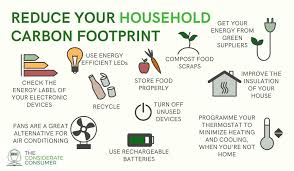
Unplug When Not in Use: Chargers, small appliances, and electronics draw power even when off. Use power strips to easily switch them off.
Adjust Your Thermostat: Even a few degrees cooler in winter or warmer in summer can save significant energy.
Use Cold Water for Laundry: Most of the energy used by washing machines goes to heating water. Cold water works well for many loads.
Seal Air Leaks: Drafts around windows and doors let heated or cooled air escape. Use caulk and weatherstripping.
Heating and Cooling Smarter
Heating and cooling your home are major energy expenses. For many U.S. households, it’s the largest chunk of their energy bill.
Making smart choices here can lead to big savings.
The thermostat is your best friend for controlling home temperature. Setting it a few degrees lower in winter and a few degrees higher in summer when you are home makes a difference. When you are away or asleep, you can adjust it even more.
Programmable or smart thermostats are excellent tools. They automatically change the temperature based on your schedule. You set it once, and it works for you.
This prevents you from heating or cooling an empty house.
Air leaks are a big problem. They let your conditioned air escape outside. They also let unconditioned air come inside.
You can find these leaks around windows, doors, electrical outlets, and where pipes or wires enter your house. Sealing them up with caulk or weatherstripping is a very cost-effective way to save energy.
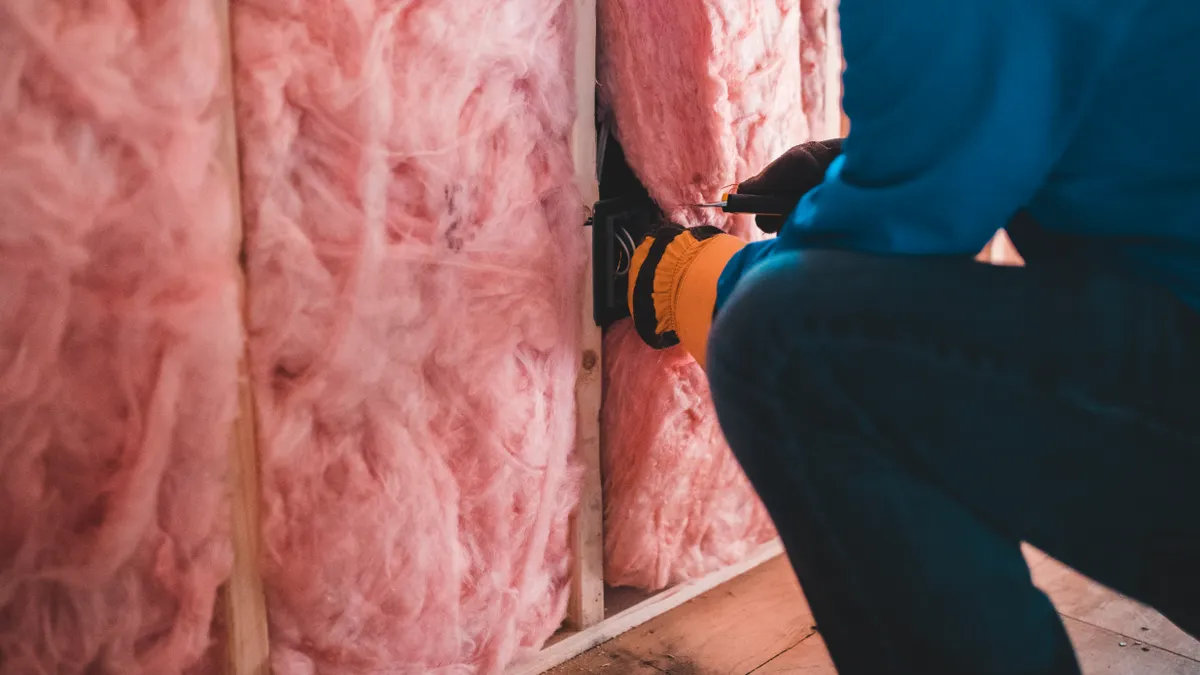
Your home’s insulation is also key. Good insulation in the attic, walls, and floors keeps heat from escaping in winter. It also keeps heat from entering your home in summer.
Checking your insulation levels is a smart move, especially in older homes.
Your HVAC system (heating, ventilation, and air conditioning) needs care. Changing air filters regularly keeps it running efficiently. Dirty filters make the system work harder.
Getting your system serviced annually by a professional can also catch small problems before they become big energy wasters.
Using fans can help too. Ceiling fans can make a room feel cooler in summer. This allows you to raise the thermostat a bit.
They work by creating a wind-chill effect on your skin. In winter, some ceiling fans can be reversed to push warm air down from the ceiling.
Window coverings matter. Thick curtains or blinds can block the sun’s heat in summer. They can also help keep heat inside during winter.
Using them smartly can supplement your heating and cooling efforts.
Water Heating Efficiency
Hot water is a luxury we often take for granted. But heating water uses a significant amount of energy. Most homes have a water heater that’s always on, keeping water hot and ready.
One simple step is to lower the temperature on your water heater. Many are set much higher than needed. A setting around 120 degrees Fahrenheit is usually enough for most households.
This can save energy and also reduce the risk of scalding, especially in homes with children.
Insulating your water heater tank can also help. Older tanks might lose a lot of heat. An insulating blanket can reduce this heat loss.
If you have a newer tank, it might already be well-insulated.
Also, consider insulating the hot water pipes. Heat escapes as water travels from the heater to your faucets. Insulating the first few feet of pipes, especially those running through unheated areas, can help.
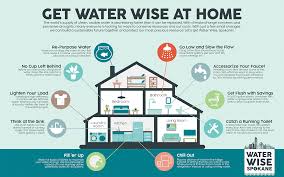
Using less hot water is the most direct way to save energy. This means taking shorter showers. It also means washing clothes in cold water whenever possible.
Running your dishwasher only when it’s full also saves water and the energy to heat it.
When it’s time to replace your water heater, consider newer, more efficient models. Heat pump water heaters or tankless water heaters can be much more energy-efficient. They cost more upfront but can save a lot over their lifetime.
Water Heater Tips
- Lower the Temp: Set your water heater to 120°F.
- Insulate the Tank: Add an insulating blanket if needed.
- Pipe Insulation: Insulate hot water pipes near the heater.
- Use Less Hot Water: Take shorter showers, wash clothes in cold.
- Full Loads Only: Run dishwashers and washing machines when full.
Appliances and Electronics: The Hidden Energy Drain
Your appliances and electronics are essential for modern living. But they are also major energy consumers. Many of these devices use power 24/7, even when not actively in use.
The refrigerator and freezer are the biggest culprits in this category. They run constantly to keep food cold. Make sure the door seals are tight.
A simple test is to close the door on a piece of paper. If you can pull it out easily, the seal might need replacing.
Keep your refrigerator and freezer coils clean. Dust on the coils makes the appliance work harder. Also, try to keep them full, but not overstuffed.
Air needs to circulate.
When buying new appliances, look for the ENERGY STAR label. These appliances are certified to be more energy-efficient. While they might cost a bit more upfront, they save money on your energy bills over time.
Now, let’s talk about those “phantom loads” we mentioned. Devices like TVs, computers, game consoles, and chargers draw power even when they’re “off.” This standby power can add up significantly. The best way to combat this is by using smart power strips.
A smart power strip allows you to turn off multiple devices with one switch. You can plug your TV and its accessories (like a soundbar or streaming device) into one strip. Then, when you turn off the TV, everything else connected powers down completely.
Consider how you use your computers and monitors. Setting them to go into sleep mode after a short period of inactivity is a good habit. For printers, unplug them when not in use for extended periods.
Many printers have a small light on even when “off.”
Laundry appliances are also big energy users. Use the sensor dry setting on your dryer instead of timed dry. The sensor will shut off the dryer when clothes are dry, preventing over-drying and saving energy.
Clean the lint filter in your dryer after every load. A clogged filter restricts airflow, making the dryer work harder and longer. Also, ensure your dryer vent is clear and not blocked.
Appliance Efficiency Checklist
Fridge/Freezer:
- Check door seals.
- Clean coils regularly.
- Keep at least half full.
Electronics:
- Use smart power strips for entertainment centers.
- Unplug chargers when not in use.
- Set computers to sleep mode.
Laundry:
- Use cold water for washing.
- Clean dryer lint filter after every load.
- Use sensor dry settings.
Lighting Wisely
Lighting is something we use every day. While it might not be the biggest energy user, smart lighting choices can still add up to savings and make your home more pleasant.
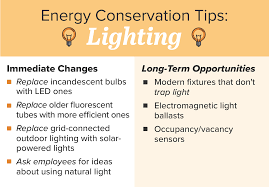
The biggest change most people can make is switching to LED bulbs. Light Emitting Diode (LED) bulbs use much less energy than incandescent bulbs. They also last a lot longer, meaning fewer replacements.
While they can cost more initially, their long life and energy savings make them a great investment.
When choosing LED bulbs, consider the “brightness” (lumens) and “color temperature” (Kelvin). For living areas, a warm white (around 2700K) is often preferred. For task lighting, like in a kitchen or office, a cooler white (around 4000K) might be better.
Beyond the type of bulb, how you use your lights is important. The simplest tip is to turn off lights when you leave a room. Make this a habit for everyone in the household.
It’s free and requires no special equipment.
Natural light is your friend. Open curtains and blinds during the day to let sunlight in. Arrange furniture so you can work or read near windows.
This reduces the need for artificial lighting.
Consider using task lighting instead of lighting up an entire room. If you’re reading in an armchair, a small floor lamp beside you is more efficient than a bright overhead light for the whole living room.
Dimmers are also useful. They allow you to adjust the light level to suit the mood or task. Lowering the light output also lowers energy use.
Motion sensors and timers can automate lighting. For outdoor lights, motion sensors can turn them on only when someone is present, saving energy. For closets or garages, motion sensors can ensure lights are on only when the door is open.
Finally, keep light fixtures clean. Dust and grime can reduce the amount of light emitted, making you want to use more bulbs or brighter ones. Regular dusting of lampshades and bulbs can help maintain brightness.
Sealing and Insulating for Comfort and Savings
We touched on this for heating and cooling, but it’s so important it deserves its own focus. A well-sealed and insulated home is key to energy efficiency and comfort. It’s like giving your home a warm coat in winter and cool shade in summer.
Air leaks are sneaky. They are gaps and cracks where air can move in or out. You can find them around windows and doors, plumbing penetrations, electrical outlets, and attic hatches.
Even tiny cracks can let a surprising amount of air escape or enter.
The U.S. Department of Energy suggests that air leaks can account for up to 30% of a home’s heating and cooling costs. That’s a huge amount of wasted energy!
You can seal many leaks yourself. Use caulk for small cracks and gaps around stationary elements like window frames and door trim. Use weatherstripping for moving parts like door edges and window sashes.
For electrical outlets on exterior walls, you can install foam gaskets behind the cover plates. This is a quick and inexpensive fix that stops drafts.
Attic hatches are often overlooked. Make sure yours seals tightly. You can add weatherstripping or even a piece of rigid foam board to the back of the hatch for better insulation.
Insulation is the barrier that slows down heat transfer. The R-value measures how well insulation resists heat flow. The more R-value, the better the insulation.
The attic is usually the easiest place to add insulation. Most homes need more insulation in the attic, especially older ones. Blown-in fiberglass or cellulose are common options.
You can often add to existing insulation.
Walls can also be insulated, though this is often a bigger project. If you’re doing renovations, it’s a good time to add wall insulation. Crawl spaces and basements also benefit from insulation to prevent heat loss from the foundation.
A properly sealed and insulated home feels more comfortable year-round. You’ll notice fewer drafts and more consistent temperatures. This directly translates to lower energy bills and a more enjoyable living space.
Sealing & Insulation – What to Check
Common Leak Spots:
- Around windows and doors.
- Electrical outlets on exterior walls.
- Attic hatches and basement doors.
- Where pipes and wires enter the house.
Insulation Areas:
- Attic (most important).
- Exterior walls.
- Crawl spaces and basements.
Tools You Might Need:
- Caulk gun and caulk.
- Weatherstripping rolls.
- Foam gaskets for outlets.
Smart Habits for Everyday Living
Beyond big upgrades, the small, everyday habits of everyone in the household make a significant impact. These are often the easiest and cheapest ways to save energy.
Conscious Consumption: Simply being aware of how you use energy is powerful. Ask yourself, “Do I really need this on right now?” This applies to lights, electronics, and even water use.
Thermostat Discipline: Resist the urge to constantly fiddle with the thermostat. Set it and let your programmable or smart thermostat do its job. Educate everyone in the house on the importance of not overriding it.
Door and Window Management: Keep doors and windows closed when heating or cooling systems are running. Don’t let that expensive conditioned air escape!
Appliance Use Timing: If your utility company offers time-of-use rates, try to run high-energy appliances like washing machines and dryers during off-peak hours. This is often later in the evening or on weekends.
Water Conservation: Fix leaky faucets and showerheads promptly. Each drip adds up. Use cold water for laundry and dishes whenever possible.
Cooking Efficiency: Use lids on pots and pans when cooking on the stove. This traps heat and cooks food faster. Use smaller appliances like microwaves or toaster ovens for smaller meals instead of the large oven.
Ventilation Control: Make sure kitchen and bathroom exhaust fans aren’t left running longer than needed. They vent conditioned air outside, so their use should be brief.
Dress for the Season: In winter, wear sweaters and warm socks indoors. In summer, wear lighter clothing. This allows you to set your thermostat at more energy-saving temperatures.
Outdoor Habits: Avoid using outdoor lights unnecessarily. Ensure garden hoses and sprinklers aren’t leaking. If you have a pool, consider covering it when not in use to reduce evaporation and heat loss.
These habits, when adopted by the whole family, create a culture of energy awareness. It becomes second nature, and the savings are real and consistent.
When is it Normal, and When to Worry?
Understanding what’s normal for energy use can help you spot problems. Energy bills fluctuate based on the season, the weather, and your household’s habits. But there are times when a high bill might signal something more significant.
Seasonal Changes: It’s completely normal for your energy bill to be higher in the summer due to air conditioning and in the winter due to heating. The extent of the increase depends on your climate and how old or efficient your home’s systems are.
New Habits: If you’ve recently added new electronics, a hot tub, or started working from home, your energy use will likely go up. These are expected increases.
When to Worry:
- Sudden Spike: If your bill jumps significantly without any clear reason (like a heatwave or new major appliance), it’s time to investigate.
- Inefficient Systems: If your heating or cooling system seems to run constantly but doesn’t keep your home comfortable, it could be inefficient or have a problem.
- High Hot Water Use: If you have a hot water leak or a faulty water heater that’s constantly reheating water, your water heating costs will soar.
- Unexplained Appliance Issues: An appliance that sounds unusually loud or runs much more than it used to might be using excess energy.
- Drafts and Cold Spots: Persistent drafts or cold spots in your home, even with heating on, could indicate poor insulation or air sealing issues.
Simple Checks to Do:
- Check Your Meter: Turn off all appliances and lights, then check your electric meter. If the dial or numbers are still moving, you likely have an active circuit or a leak somewhere.
- Feel for Drafts: On a cold or windy day, walk around your home and feel for drafts around windows, doors, and outlets.
- Listen to Appliances: Do your appliances sound normal? Unusual noises can sometimes signal a problem that’s increasing energy use.
- Inspect Your Water Heater: Look for any signs of leaks around the tank. Check the thermostat setting.
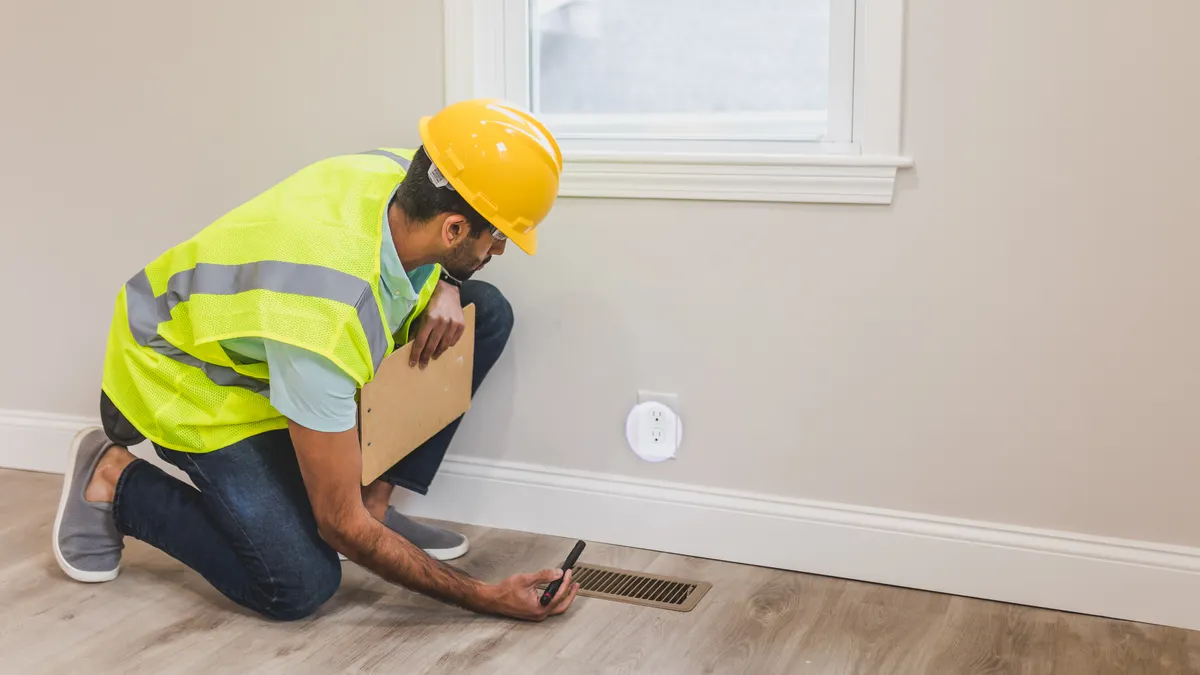
If you’ve done these checks and are still concerned, it’s wise to contact a professional. A home energy auditor can do a thorough assessment. They can pinpoint specific areas where your home is losing energy.
Quick Fixes and Easy Tips for Immediate Savings
You don’t have to wait for a major renovation to start saving energy. Many effective energy-saving actions are simple, quick, and can be done right away.
1. Adjust Your Thermostat: This is the quickest win. Lower it by 2-3 degrees in winter and raise it by 2-3 degrees in summer.
Use a programmable thermostat to do this automatically when you’re asleep or away.
2. Unplug “Energy Vampires”: Identify electronics that draw power when off. Use smart power strips to cut them off completely.
Unplug phone chargers and other small devices when not in use.
3. Seal Drafts: Grab some caulk and weatherstripping. Seal obvious gaps around windows and doors.
This is a very low-cost, high-impact fix.
4. Switch to LEDs: If you still have old incandescent bulbs,
5. Wash Clothes in Cold Water: Unless clothes are heavily soiled, cold water is perfectly fine for most laundry. This bypasses the energy needed to heat the water.
6. Clean Dryer Lint Filter: Make this a habit after every load. It improves drying efficiency and is a fire safety measure.
7. Use Fans Strategically: In summer, use ceiling fans to feel cooler, allowing you to raise the thermostat. In winter, some fans can push warm air down.
8. Optimize Refrigerator/Freezer: Ensure door seals are tight. Clean the coils if they are accessible.
Don’t leave the door open longer than necessary.
9. Cook Smarter: Use lids on pots and pans. Use smaller appliances for small jobs.
10. Natural Light: Open blinds and curtains during the day to let in sunlight. It’s free light and can also warm your home in winter.
These tips are designed for immediate action. They require minimal investment and can start saving you money and energy right away. They also build good habits for long-term savings.
Frequently Asked Questions
How much energy can I save by being more energy efficient?
The amount of energy you can save varies greatly. It depends on your home’s current efficiency, your climate, and the changes you make. However, many households can reduce their total energy bills by 10% to 30% through simple efficiency measures and smart habits.
For example, adjusting your thermostat by just a few degrees can save up to 10% annually on heating and cooling costs. Switching to LED bulbs can reduce lighting energy use by up to 80%.
What is “phantom load” and how do I stop it?
Phantom load, also known as standby power or vampire power, is the electricity that electronic and electrical devices consume even when they are turned off or in standby mode. Devices like TVs, computers, chargers, game consoles, and microwaves often draw power this way. You can stop it by unplugging devices when not in use, using smart power strips that allow you to turn off multiple devices with one switch, or by plugging devices into an uninterruptible power supply (UPS) that has an energy-saving mode.
Is it better to upgrade my insulation or seal air leaks first?
It’s generally recommended to seal air leaks first. Air sealing is often more cost-effective and can have a significant impact on comfort and energy savings. Uncontrolled air leakage can undermine the effectiveness of insulation.
Once your home is well-sealed, adding insulation becomes even more beneficial. Think of it like this: you wouldn’t want to trap air in a leaky box.
How often should I replace my air filters?
The frequency of air filter replacement depends on the type of filter and your home environment. As a general rule, most disposable fiberglass filters should be replaced every 1-3 months. Higher-efficiency pleated filters might last 3-6 months.
If you have pets, allergies, or live in a dusty area, you may need to change them more often. A dirty filter restricts airflow, making your HVAC system work harder and use more energy, and can also affect air quality.
Are ENERGY STAR certified appliances really worth the extra cost?
Yes, ENERGY STAR certified appliances are typically worth the extra cost over their lifetime. These appliances are designed to be significantly more energy-efficient than standard models. While they may have a higher upfront purchase price, they consume less electricity or gas over the years.
This leads to lower utility bills that can offset the initial price difference, and they also benefit the environment by reducing energy consumption.
What is the ideal thermostat setting for energy savings?
For significant energy savings, the U.S. Department of Energy recommends setting your thermostat to 78°F (26°C) in the summer when you are home, and 68°F (20°C) in the winter when you are home. When you are asleep or away from home, you can save even more by setting the thermostat lower in the winter (e.g., 60-64°F or 16-18°C) and higher in the summer (e.g., 82-85°F or 28-29°C).
Using a programmable or smart thermostat can automate these changes.
Final Thoughts
Making your home more energy efficient is a journey, not a race. It’s about making smart choices that benefit your wallet and the planet. You don’t need to do everything at once.
Start with a few easy tips, build those habits, and gradually tackle bigger projects as you can. Every step you take leads to a more comfortable, cost-effective, and sustainable home.


Leave a Reply