
Saving energy at home means using less electricity, gas, or oil. This lowers your utility bills. It also helps reduce pollution from power plants. Simple changes can make a big difference. You can make your home more comfortable and efficient.
Understanding Your Home’s Energy Use
Think about your home. It’s like a living thing. It breathes in energy.
It gives off heat. Understanding this energy flow is key. Where does most of your energy go?
It usually goes to heating and cooling. Your water heater is also a big user. Appliances and lights add to the total.
Pinpointing these areas helps you focus your efforts. It’s like finding the leaky faucet in your house. You fix that one, and you save a lot of water.
Many homes have common energy drains. Old windows might let warm air out. Drafty doors do the same.
An old, inefficient furnace or air conditioner works harder. It uses more power. Even small things add up.
Leaving lights on in empty rooms is a habit. Running your dishwasher with only a few items is another. We often don’t notice these little things.
But they contribute to higher bills.
Modern homes are getting better. Builders are using new methods. They are adding more insulation.
They are installing better windows. But even older homes can be improved. You don’t need a huge renovation.
Small steps can have a big impact. It’s about making smart choices. It’s about using energy wisely.
My Own Energy-Saving Journey
I remember a time, maybe five years ago, when my electricity bill felt like a punch to the gut. It was summer in Georgia, and the air conditioning seemed to be running non-stop. I’d walk into a room and see the thermostat set to a chilly 70 degrees, even when I was the only one home.
I felt a mix of guilt and annoyance. Guilt because I knew I was wasting energy. Annoyance because the house never felt truly comfortable without that constant hum of the AC.
One evening, I was sorting through mail and saw my latest bill. It was higher than last month. I felt a pang of panic.
I started thinking about all the little things. Lights left on. The old refrigerator in the garage that seemed to run all the time.
The ceiling fans I rarely used. I decided then and there to make a change. I started small.
I made a pact with myself to turn off lights when I left a room. I learned how to adjust the thermostat before bed. It felt like a chore at first.
But soon, it became habit. I even noticed the house felt more pleasant. Not too cold, not too hot.
Just right.
The next month, when the bill arrived, I opened it with a little trepidation. And then I saw it. The number was lower.
Not by a lot, but it was noticeably less. That small victory felt huge. It showed me that these changes mattered.
It gave me the motivation to do more. I started looking into other areas. Drafty windows.
Appliance efficiency. It was a gradual process, but seeing the results kept me going. It proved to me that saving energy at home wasn’t just theory; it was real and achievable for anyone.
Easy Wins for Immediate Savings
Lights Off: Always turn off lights when you leave a room. This is the simplest step. It takes zero effort.
You just need to remember.
Unplug Electronics: Many devices use power even when off. This is called “vampire power.” Unplug chargers, TVs, and computers when not in use. Or use smart power strips.
Smart Thermostat Use: Adjust your thermostat when you’re away or asleep. Even a few degrees makes a difference. A programmable or smart thermostat can do this for you.
Heating and Cooling Smarter
Heating and cooling your home costs the most. It’s true for most houses in the U.S. Making these systems work better saves you money.
It also makes your home more comfortable. Let’s look at how.
Thermostat Tricks
Your thermostat is like the brain of your climate control. How you use it matters a lot. For many years, people set their thermostat to one temperature.
They kept it there all day. This is wasteful. Your home doesn’t need to be at 72 degrees when you’re not there.
Or when you’re all tucked in bed.
Consider a programmable thermostat. You can set it to lower the temperature at night. You can set it to be warmer when you’re at work.
This saves energy while you sleep or are out. A smart thermostat is even better. It learns your habits.
It can adjust on its own. Some can even be controlled by your phone. You can set it before you get home.
The U.S. Department of Energy suggests a few tips. Set your thermostat 7-10 degrees cooler when you’re asleep or away.
This can save up to 10% a year on heating and cooling costs. That’s a good chunk of change. It doesn’t take much effort.
It’s a smart way to save energy.
Sealing the Leaks
Your warm or cool air can escape your home. It can go out through tiny cracks. These cracks are in walls.
They are around windows and doors. They are where pipes or wires enter your home. This is called air leakage.
It makes your heating and cooling systems work harder. They have to replace the lost air.
Weatherstripping is a simple fix. You can put it around doors and windows. It’s a rubber or foam strip.
It seals the gap. It stops drafts. It’s easy to install.
You can find it at any hardware store. Caulking is another tool. You use it to seal cracks.
It works on stationary things like window frames. It’s also easy to use.
Don’t forget attic hatches. Or basement doors. These can also let air escape.
Check for drafts. You can feel them with your hand. Or use an incense stick.
The smoke will show you where the air is moving. Sealing these leaks is a low-cost way to save energy. It makes a real difference.
Window & Door Wisdom
Check Seals: Inspect the seals around your windows and doors. Are they cracked, worn, or missing? Replace them.
This is a key step to stopping drafts.
Storm Windows/Doors: If you have old single-pane windows, consider storm windows. They add an extra layer of insulation. Storm doors work the same way for exterior doors.
Heavy Curtains: Use heavy, insulating curtains. Close them at night during winter to keep heat in. Open them during the day to let in sunlight.
In summer, close them to block the sun’s heat.
Appliance Efficiency
Your appliances use a lot of power. Refrigerators, washing machines, dryers, and ovens all contribute. Look for the ENERGY STAR label.
This label means an appliance is more energy-efficient. It meets strict standards. These standards are set by the U.S.
Environmental Protection Agency (EPA).
When buying new appliances, check the EnergyGuide label. This label shows you how much energy the appliance uses. It also estimates its yearly operating cost.
You can compare models. This helps you choose the most efficient one. While these appliances might cost more upfront, they save you money over time.
The energy savings add up. Think of it as an investment.
Even with older appliances, you can be more efficient. Keep your refrigerator coils clean. This helps it run better.
Clean the lint trap in your dryer after every load. This improves airflow. It reduces drying time.
Use your dishwasher only when it’s full. Run it at night. This takes advantage of off-peak electricity rates if your utility offers them.
Cutting Down on Water Heating Costs
Heating water is the second-largest energy expense for most homes. It’s right after heating and cooling. The average family uses a lot of hot water.
Showers, baths, laundry, and dishwashing all use hot water. Reducing how much hot water you use is a great way to save energy.
Lower Your Water Heater’s Temperature
Most water heaters are set higher than needed. The U.S. Department of Energy recommends setting your water heater to 120 degrees Fahrenheit.
Many are set to 140 degrees. A lower temperature saves energy. It also reduces the risk of scalding.
You can usually find the thermostat on the side of the tank. Check your water heater’s manual. It will show you how to adjust it safely.
If you have a tankless water heater, it heats water as you need it. This is more efficient. But you still need to set it to the right temperature.
Don’t set it too high. You’ll waste energy heating it up unnecessarily.
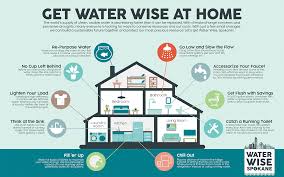
Use Less Hot Water
Simple changes in your daily routine can make a big difference. Take shorter showers. A five-minute shower uses less hot water than a ten-minute shower.
Install low-flow showerheads. They mix air with water. This uses less water while still giving you good pressure.
This means less hot water is used. You can also fix leaky faucets. A small drip can waste many gallons of hot water over time.
When doing laundry, wash clothes in cold water whenever possible. Modern detergents work very well in cold water. They are designed for this.
This saves a lot of energy. You don’t need to heat the water. Only use hot water for heavily soiled items.
Or for whites that need sanitizing.
Hot Water Habits
Check for Leaks: Regularly check your faucets and pipes for leaks. Fix them promptly. A small drip can add up fast.
Insulate Your Tank: If you have an older tank water heater, consider an insulation blanket. This helps keep the water hot. It reduces standby heat loss.
Check your manual first. Some newer tanks are already well-insulated.
Insulate Hot Water Pipes: Insulating the first few feet of your hot water pipes. This helps reduce heat loss. Especially from the tank to your faucet.
Insulating Your Home
Insulation is like a warm coat for your house. It keeps heat in during winter. It keeps heat out during summer.
Good insulation is crucial for saving energy. It helps your heating and cooling systems work less. You may have insulation in your attic, walls, and floors.
Attic Insulation
The attic is often the most important place to insulate. Heat rises. So, a lot of your home’s heat can escape through the attic.
Make sure you have enough insulation there. The recommended levels can vary by climate zone in the U.S. You can check the U.S.
Department of Energy’s website for guidance.
Adding more insulation is a good investment. It can pay for itself quickly. You can do it yourself if you’re handy.
Or you can hire a professional. Look for signs of inadequate insulation. This includes seeing the roof rafters in your attic.
Or feeling drafts near the ceiling.
Wall and Floor Insulation
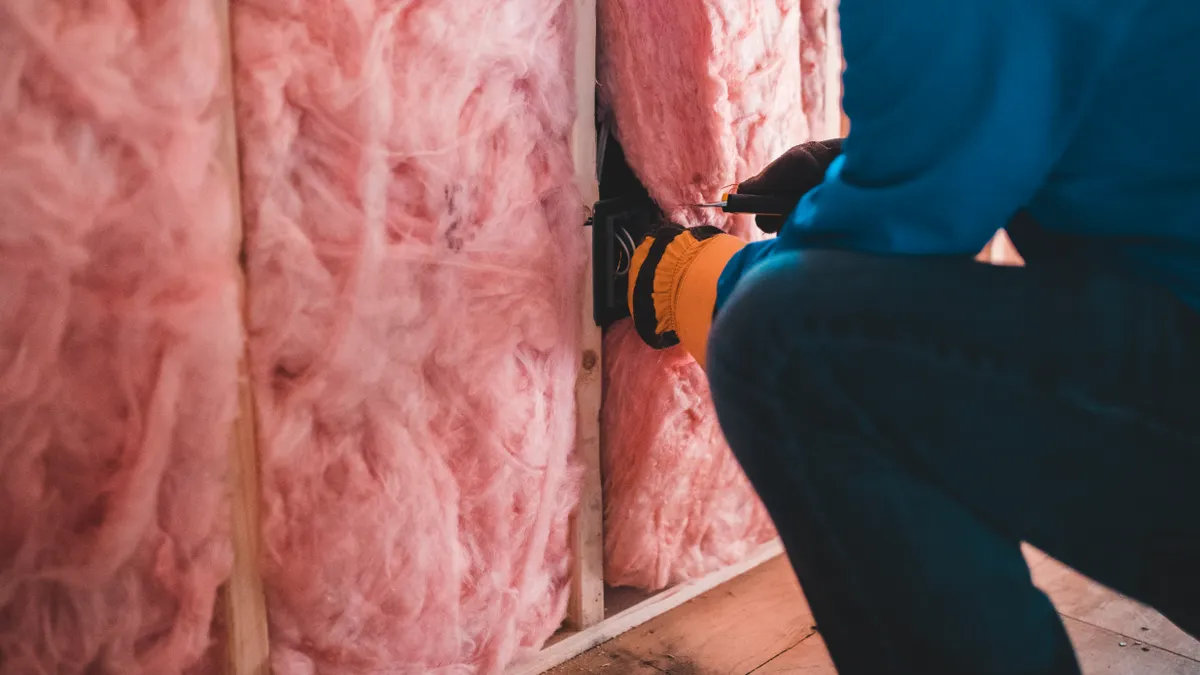
Insulating walls can be more complex. It’s often done during construction. But there are ways to add insulation to existing walls.
This might involve blowing insulation into wall cavities. Floor insulation is important too. Especially for homes with crawl spaces or basements.
Keeping these areas warmer helps warm the floors above.
Proper insulation reduces your reliance on heating and cooling. It helps maintain a steady temperature. This makes your home more comfortable.
It also lowers your energy bills. It’s a fundamental step toward an energy-efficient home.
Quick Insulation Check
Attic R-Value: Know your attic’s R-value. This is a measure of its resistance to heat flow. Higher R-value means better insulation.
Add more if it’s low for your climate.
Air Sealing First: Before adding insulation, seal air leaks. Insulation works best in a sealed space. Focus on gaps around pipes, wires, and vents.
Professional Help: For complex insulation jobs, especially in walls, consider a professional. They have the right tools and knowledge.
Lighting Efficiency
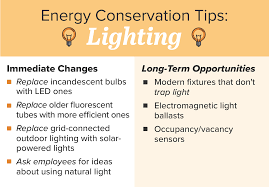
Lighting is a smaller part of your energy bill. But it’s an easy place to make changes. Old incandescent bulbs use a lot of energy.
They also produce heat. Newer lighting technologies are much more efficient.
Switch to LED Bulbs
LED (Light Emitting Diode) bulbs are the way to go. They use far less energy than incandescent bulbs. They also last much longer.
This means you replace bulbs less often. The initial cost of LED bulbs is higher. But they save you money over their lifetime.
They can use up to 75% less energy than old bulbs.
When buying LED bulbs, look at the lumens for brightness. Also, check the Kelvin for color temperature. A warmer light is better for living areas.
A cooler light can be good for task lighting.
Use Natural Light
Don’t forget about nature’s free light source: the sun. Open your blinds and curtains during the day. Let sunlight into your rooms.
This reduces the need for artificial light. Position work areas near windows. This uses daylight for tasks.
It also makes your home feel more open and pleasant.
Keep windows clean. This allows more light to enter. In rooms where you don’t need bright light, consider dimmer switches.
You can adjust the light level. This saves energy. And it creates a nice atmosphere.
Smart Appliance Usage
Beyond choosing efficient appliances, how you use them matters. Small habits can lead to big savings. Think about your daily routines.
How can you make them more energy-wise?
Laundry Room Wisdom
Your washing machine and dryer are energy hogs. As mentioned before, wash clothes in cold water. This is a huge energy saver.
Also, wash full loads. Don’t run the machine half-empty. It wastes water and energy.
For the dryer, clean the lint filter after every use. This is very important. A clogged filter makes the dryer work harder.
It takes longer to dry clothes. It uses more energy. Consider air-drying clothes when you can.
Use a clothesline outside or a drying rack inside. This saves all the energy the dryer would use.
Dryer Do’s and Don’ts
Don’t Overdry: Remove clothes when they are just dry. Overdrying wastes energy. It can also damage your clothes.
Dry Similar Items Together: Drying heavy items like towels with light items like t-shirts can lead to uneven drying. Dry similar fabrics together.
Check Venting: Ensure your dryer vent hose is not kinked or blocked. A clear path for air is essential for efficient drying.
Kitchen Efficiency
The kitchen has many appliances. Your refrigerator is always on. Keep its door seals clean and tight.
Make sure it’s not set too cold. The ideal temperature is usually around 37-40°F for the fridge. And 0°F for the freezer.
When using your oven, avoid opening the door often. Each time you open it, the temperature drops significantly. Use the oven light to check food.
Consider using smaller appliances like a microwave or toaster oven. They use less energy than a full-size oven for smaller tasks.
If you’re cooking with pots and pans, use lids. This helps food cook faster. It uses less energy.
Match the pot or pan size to your burner size. This prevents heat from escaping around the sides.
Reducing Phantom Load (Vampire Power)
Many electronics continue to draw power even when they are turned off. This is called phantom load or vampire power. It’s like a ghost drawing energy from your outlets.
This can add up to a surprising amount on your energy bill.
Identify and Unplug
Common culprits include TV sets, cable boxes, game consoles, computers, chargers, and coffee makers. Look for small lights on these devices when they are “off.” That light means they are still using power. They are often in standby mode.
The easiest way to combat this is to unplug devices when you’re not using them. Especially for items you don’t use often. Or things that are always plugged in, like phone chargers.
Keep a power strip handy. You can plug multiple devices into one strip. Then, you can switch off the entire strip when the devices aren’t needed.
Smart Power Strips
Control Unit: Some power strips have a “master” outlet. Plug your main device (like a computer) into it. Plug other devices (like speakers or printers) into “slave” outlets.
Automatic Shut-off: When the master device is turned off or goes into standby, the power strip automatically cuts power to the slave outlets.
Timer Strips: These allow you to set specific times for outlets to be on or off. Great for devices you want to ensure are fully powered down at night.
Outdoor Energy Use
Energy saving doesn’t stop at your front door. What you do outside can also impact your energy use. And your bills.
Landscaping for Efficiency
Strategic landscaping can help. Planting trees on the south and west sides of your home can provide shade. This reduces cooling costs in the summer.
Deciduous trees are ideal. They lose their leaves in winter. This allows sunlight to reach your home for warmth.
Consider drought-tolerant plants. They require less watering. Watering systems use electricity.
Also, ensure your outdoor lighting is efficient. Use timers or solar-powered lights. They only turn on when needed.
Pool Pumps and Outdoor Appliances
If you have a swimming pool, the pump is a big energy user. Use a timer for your pool pump. Run it during off-peak hours.
Consider a variable-speed pump. They use less energy than single-speed pumps.
Outdoor appliances like electric grills or patio heaters also use energy. Use them mindfully. Or consider alternative options if possible.
Like propane grills. Or blankets for outdoor seating.
When to Consider Upgrades
Sometimes, simple habits aren’t enough. If your home is older, major upgrades might be worth considering. These can significantly improve energy efficiency.
Windows and Doors
Old, single-pane windows are major sources of heat loss and gain. Replacing them with double- or triple-pane, low-E windows can make a huge difference. These windows have special coatings.
They reflect heat. They also help block UV rays. They keep your home cooler in summer.
Similarly, upgrading old, leaky doors to well-insulated ones can improve comfort and reduce energy bills. Ensure they have good seals. And proper framing.
Heating and Cooling Systems
If your furnace or air conditioner is old, it might be time for an upgrade. Look for systems with a high Seasonal Energy Efficiency Ratio (SEER) for air conditioners. And a high Annual Fuel Utilization Efficiency (AFUE) for furnaces.
These ratings indicate how efficiently the system uses energy.
Consider heat pumps. They can both heat and cool your home. They are very efficient in moderate climates.
Energy-efficient systems might have a higher upfront cost. But they will save you money on energy bills for years to come. They also often require less maintenance.
Home Energy Audit
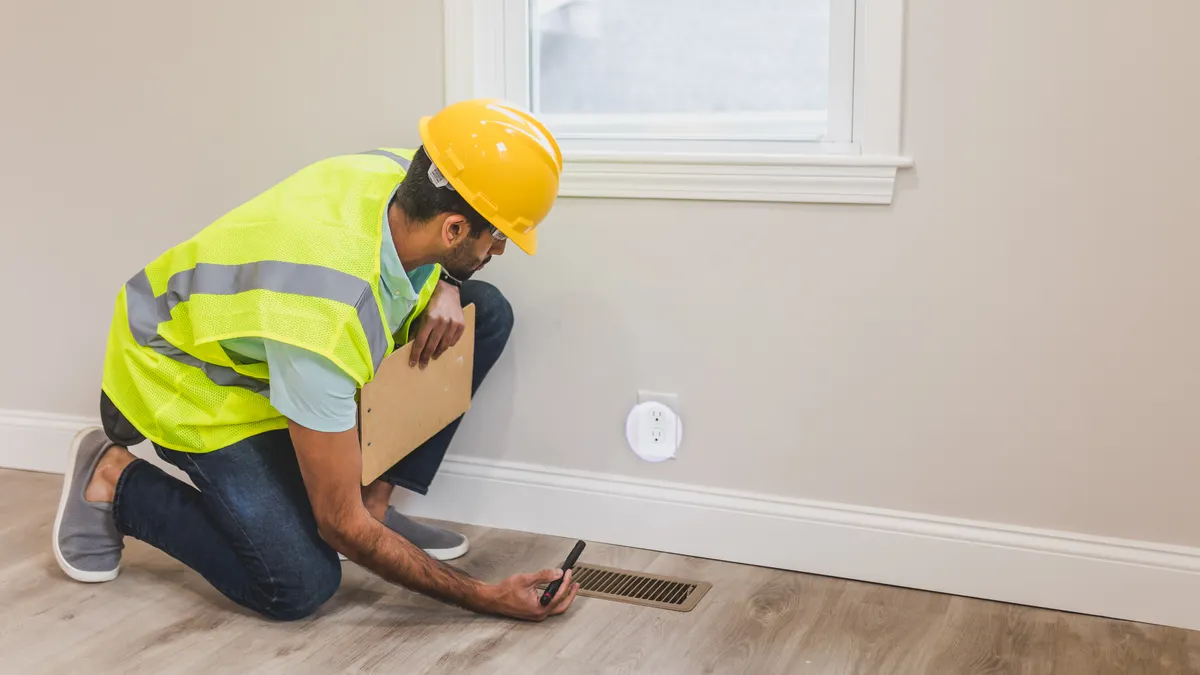
Consider a professional home energy audit. An auditor will inspect your home. They will identify areas where energy is being wasted.
They will use tools like infrared cameras to find insulation gaps or air leaks. They will give you a report. It will list recommendations for improvements.
This can help you prioritize upgrades.
Energy Audit Benefits
Identify Hidden Issues: Audits can find problems you wouldn’t notice yourself. Like hidden air leaks or insufficient insulation.
Prioritize Investments: Get clear recommendations on where to spend your money for the biggest energy savings.
Access Rebates: Many utility companies and government programs offer rebates for energy-efficient upgrades. An audit can help you qualify.
Making it a Habit
Saving energy at home isn’t a one-time task. It’s about building habits. Small, consistent efforts lead to big results over time.
Talk to your family. Get everyone involved. Make it a team effort.
Start with the easiest changes. Turn off lights. Unplug chargers.
Adjust the thermostat. Once these become second nature, move on to other steps. Like checking for drafts or switching to LED bulbs.
Educate yourself. Stay informed about new energy-saving technologies. Your utility company might offer rebates or incentives for energy-efficient upgrades.
Check their website. Or give them a call.
When is it Normal?
It’s normal for energy bills to fluctuate. They change with the seasons. Your heating bill will be higher in winter.
Your cooling bill will be higher in summer. This is expected. Also, if you have guests staying with you, your energy use will likely increase.
A slight increase in usage after a holiday or a period of cold weather is also normal. Your home is working harder to keep up. But a sudden, unexplained jump in your bill is not normal.
That’s when you should investigate.
When to Worry
You should worry if your energy bill suddenly spikes. Especially if your habits haven’t changed. Or if your home feels uncomfortable.
For example, if one room is much colder than others.
Signs of trouble include:
- High bills with no clear reason.
- Drafts you can feel.
- Your heating or cooling system running constantly.
- Strange noises from appliances.
- Lights flickering.
If you notice these issues, it’s time to investigate. A professional energy audit can help pinpoint problems. Or contact a qualified HVAC technician.
Quick Fixes and Tips Recap
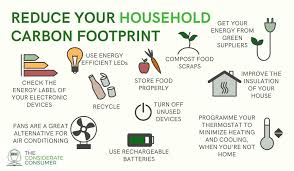
Let’s quickly recap some of the best ways to save energy:
- Thermostat: Adjust it when you’re away or asleep.
- Lights: Turn them off when not in use. Switch to LEDs.
- Appliances: Use cold water for laundry. Unplug electronics.
- Water Heater: Set it to 120°F. Take shorter showers.
- Leaks: Seal drafts around windows and doors.
- Insulation: Check your attic. Add more if needed.
- Windows: Use curtains to block sun or retain heat.
Frequent Questions
What is the single best way to save energy at home?
The single best way to save energy depends on your climate and home. However, for most homes, controlling your heating and cooling is the biggest factor. Using a programmable or smart thermostat effectively, and ensuring your home is well-insulated and sealed against drafts, will likely give you the largest savings.
How much can I really save by switching to LED bulbs?
You can save a significant amount. LED bulbs use about 75% less energy than incandescent bulbs. They also last much longer.
So, you save money on both your electricity bill and on replacement bulbs. Over the lifetime of an LED bulb, the savings can be quite substantial.
Is it worth getting a home energy audit?
Yes, for most homeowners, a home energy audit is definitely worth it. An auditor can identify hidden energy losses that you might miss. They provide a roadmap of the most effective ways to improve your home’s efficiency.
This helps you spend your money wisely on upgrades that offer the best return.
How can I reduce energy use if I rent my home?
Even as a renter, you can save energy. Focus on easy, non-permanent changes. Switch to LED bulbs.
Unplug electronics when not in use. Use power strips. Adjust your thermostat if possible.
Use fans to supplement AC. Always talk to your landlord before making any modifications, like adding insulation or changing appliances.
What is “vampire power” and how do I stop it?
Vampire power is the energy electronics use when they are turned off but still plugged in. This includes things like TVs, chargers, and computers in standby mode. You can stop it by unplugging devices when not in use.
Or by using smart power strips that you can switch off easily.
Does closing vents in unused rooms save energy?
Closing vents in unused rooms is generally not recommended. Modern HVAC systems are designed to push air at a certain pressure. Closing vents can disrupt this balance.
It can strain your system, leading to inefficiencies or damage. It can also cause air to leak from other parts of your ductwork. It’s better to condition the whole house to a reasonable temperature and use fans or adjust the thermostat.
Conclusion
Saving energy at home is a journey. It’s about making smart choices every day. From simple habits to bigger upgrades.
You can lower your bills. You can increase your comfort. And you can help the environment.
Start small. Stay consistent. You’ll see the difference.
Leave a Reply