
Understanding Smart Home Energy Savings
Smart home energy saving is all about using technology to be smarter with power. Think of it as giving your home a brain. This brain knows when lights should be off.
It also knows when the heat should be lower. It learns your habits. Then it adjusts things automatically.
This is much more than just flipping a switch. It’s about a system working together. Devices talk to each other.
They share information. This helps them make good decisions about energy use. The goal is simple: use less power without feeling like you’re giving up comfort.
This saves you money. It also helps the planet.
My First Smart Thermostat Experience
I remember the first time I installed a smart thermostat. It was a chilly fall evening. The old thermostat was simple.
You turned it up when you were cold. You turned it down when you left. I thought, “This is going to be weird.” Setting it up took maybe fifteen minutes.
The app looked clean. It showed me temperature history. It asked about my schedule.
That first week was a learning experience. I noticed the heat would kick on just before I woke up. It would lower itself when I was at work.
I didn’t have to think about it at all. One day, I checked my energy bill. I was genuinely surprised.
It was lower than the same month last year. That was the moment I really saw the power of smart home energy saving in action. It wasn’t just a gadget.
It was a real moneymaker.
Smart Home Energy Saving: Key Devices
Smart Thermostats: These are the stars. They learn your schedule. They adjust heat and cooling automatically.
Many can be controlled from your phone. This means you don’t heat an empty house.
Smart Lighting: LED bulbs are already efficient. Smart ones add control. You can set schedules.
You can dim lights. You can even turn them off from anywhere. Motion sensors can turn lights on and off too.
Smart Plugs: These simple devices plug into your wall. Then you plug your lamps or other devices into them. You can control them with an app.
This helps cut “phantom load.” This is power devices use even when off.
Smart Power Strips: Similar to smart plugs. They control multiple devices. They often have a master outlet.
When you turn off the main device, others turn off too. Great for entertainment centers.
How Smart Devices Help Save Energy
Smart devices work in several ways to help you save energy. The biggest impact comes from automation. Your home doesn’t need to be at full power all the time.
It only needs to be comfortable when you are there. Smart thermostats are a prime example. They don’t just maintain a set temperature.
They learn your life. Are you usually asleep from 11 PM to 7 AM? The thermostat will lower the heat or AC then.
It will bring it back up before you wake. This prevents wasted energy all night.
Smart lighting is another big saver. Old light bulbs used a lot of power. Even LED bulbs use some.
Smart bulbs let you set them to turn off. They can turn off after a set time. Or when no one is in the room.
This stops lights from being left on by accident. Imagine forgetting to turn off lights in every room. Smart lighting fixes that problem easily.
You can control them from your phone. This means if you leave a light on, you can turn it off no matter where you are.
Smart plugs are game-changers for small devices. Many electronics draw power even when they’re “off.” This is called standby power. Think of your TV, game console, or even a phone charger.
A smart plug can cut power to these devices when they are not in use. You can schedule them to turn off at night. Or you can turn them off manually with an app.
This small habit can add up to significant savings over time.
The interconnectedness of smart homes is also key. A smart hub can link devices. This allows for more complex automation.
For instance, a smart motion sensor could tell the lights to turn on. It could also tell the smart thermostat to adjust the temperature in that zone. This creates a responsive environment.
Energy is used only when and where it is needed. This level of control was not possible before smart technology.
Energy Saving Myths vs. Reality
Myth: Smart devices are too complicated for the average person.
Reality: Most smart home devices are designed for easy setup. Apps guide you through the process. Many connect wirelessly.
They are often more user-friendly than older systems.
Myth: Smart home energy saving only works in new, large houses.
Reality: Smart technology can be added to almost any home. You can start with just one or two devices, like a smart thermostat or smart plugs. They adapt to your current setup.
Myth: The energy used by the smart devices themselves cancels out the savings.
Reality: The power consumption of smart devices is very low. The savings from reduced heating, cooling, and lighting far outweigh the power these devices use.
Real-World Scenarios of Smart Energy Use
Let’s look at some common situations. Imagine a family leaving for vacation. With traditional controls, they might leave the thermostat set high.
Or they might leave all the lights on. A smart home system can prevent this. The homeowner can use their phone app.
They can set the thermostat to an “away” mode. This uses minimal energy. They can also ensure all lights are off.
This saves energy and provides peace of mind.
Consider a busy morning. People rush out the door. Lights are left on in bedrooms.
The TV might still be drawing power. Smart plugs can turn off entertainment systems. Smart lights can be programmed to turn off after a certain time.
Or when a motion sensor detects no one is present. This happens without any effort from the residents. The home itself manages the energy use.
In colder climates, smart heating is crucial. Homes lose heat through windows and doors. Smart thermostats can learn how quickly your home cools.
They can adjust heating cycles precisely. This means less energy is used to keep the house warm. They can also learn to heat zones only when occupied.
This is a big step up from heating the entire house constantly.
In warmer climates, smart cooling works the same way. Smart thermostats can anticipate the heat. They can pre-cool your home at the most efficient times.
For example, before peak electricity rates kick in. They can also adjust cooling based on weather forecasts. If a cool front is coming, they can reduce cooling.
This avoids unnecessary energy use.
The design of smart homes also plays a role. Newer homes may have better insulation. They may have smart window coverings.
These can be linked to smart thermostats. On a hot sunny day, they can close automatically. This blocks the sun’s heat.
It reduces the need for air conditioning. In winter, they can open to let in sunlight. This provides natural warmth.
It cuts down on heating costs.
Smart Lighting Automation
Scheduled Events: Set lights to turn on at sunset and off at sunrise. Or create custom schedules for different rooms.
Motion Detection: Lights turn on when you enter a room. They turn off after a set period of no movement. Great for hallways, closets, and garages.
Geofencing: Lights can turn off automatically when your phone leaves a designated area (your home). They can turn on as you approach.
Voice Control: Easily turn lights on or off using voice commands. This offers convenience and can prevent lights from being left on.
What Smart Energy Saving Means for You
The most direct benefit is lower utility bills. Smart homes use energy more wisely. This translates to real money saved each month.
For many families, these savings can add up significantly over a year. It’s a tangible return on the investment in smart technology.
Beyond savings, smart homes offer enhanced comfort and convenience. You can control your home’s environment from anywhere. Imagine arriving home on a hot day.
You can turn on your air conditioning before you get there. Your home will be cool and welcoming. This level of control makes daily life easier.
It also reduces stress about energy management.
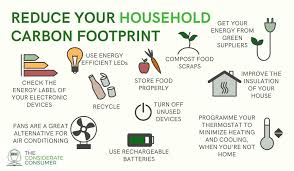
There’s also an environmental benefit. By using less energy, you reduce your home’s carbon footprint. This is a way to contribute to a healthier planet.
Smart home technology makes it easy to be eco-friendly. You don’t have to make drastic lifestyle changes. Small adjustments through technology have a big impact.
It’s important to know when smart saving is enough. For most people, smart devices provide excellent savings. They don’t need to turn off their fridge.
Or avoid using appliances altogether. The goal is efficiency, not deprivation. It’s about making informed choices.
And letting technology help make those choices.
When should you worry? If your energy bills remain stubbornly high despite using smart devices, it’s worth investigating. There could be other issues in your home.
Such as poor insulation or inefficient appliances. Smart devices are tools. They work best when your home is fundamentally sound.
They help you manage what you have more effectively.
Simple checks can help. Review your smart device data. Look at your thermostat’s energy reports.
See which devices are using the most power. Use your smart plug data to identify “energy vampires.” These are devices using power when off. Adjust schedules and settings based on this data.
You might be surprised by what you learn.
Energy Saving Quick Scan: Smart Devices
| Device Type | Primary Energy Saving Benefit | Ease of Use | Typical Savings |
|---|---|---|---|
| Smart Thermostat | Optimized heating/cooling | High | 10-20% on HVAC |
| Smart Lighting | Reduced electricity for lights | High | 5-15% on lighting |
| Smart Plugs | Eliminates phantom load | Very High | 3-10% on device power |
| Smart Blinds/Shades | Reduces heating/cooling needs | Medium | 5-10% on HVAC |
Quick Tips for Smart Home Energy Efficiency
Start small. You don’t need to outfit your entire house at once. Begin with a smart thermostat.
Or a few smart plugs. See how they work for you. Learn from the data they provide.
Use the scheduling features. This is where most savings happen. Set your thermostat to be less active when you’re asleep or away.
Schedule lights to turn off. Schedule devices to power down.
Leverage geofencing if available. This feature uses your phone’s location. It can turn things off when you leave.
And turn them on as you approach. It’s a great way to save energy without thinking.
Monitor your usage. Most smart home apps offer energy reports. Look at these regularly.
Understand where your energy is going. Make adjustments to your schedules. This continuous improvement is key.
Bundle devices. Sometimes buying a smart home starter kit is more cost-effective. These often include a hub and a few devices.
They are designed to work together.
Keep software updated. Manufacturers release updates. These often improve efficiency.
Or add new energy-saving features. Make sure your devices are running the latest software.
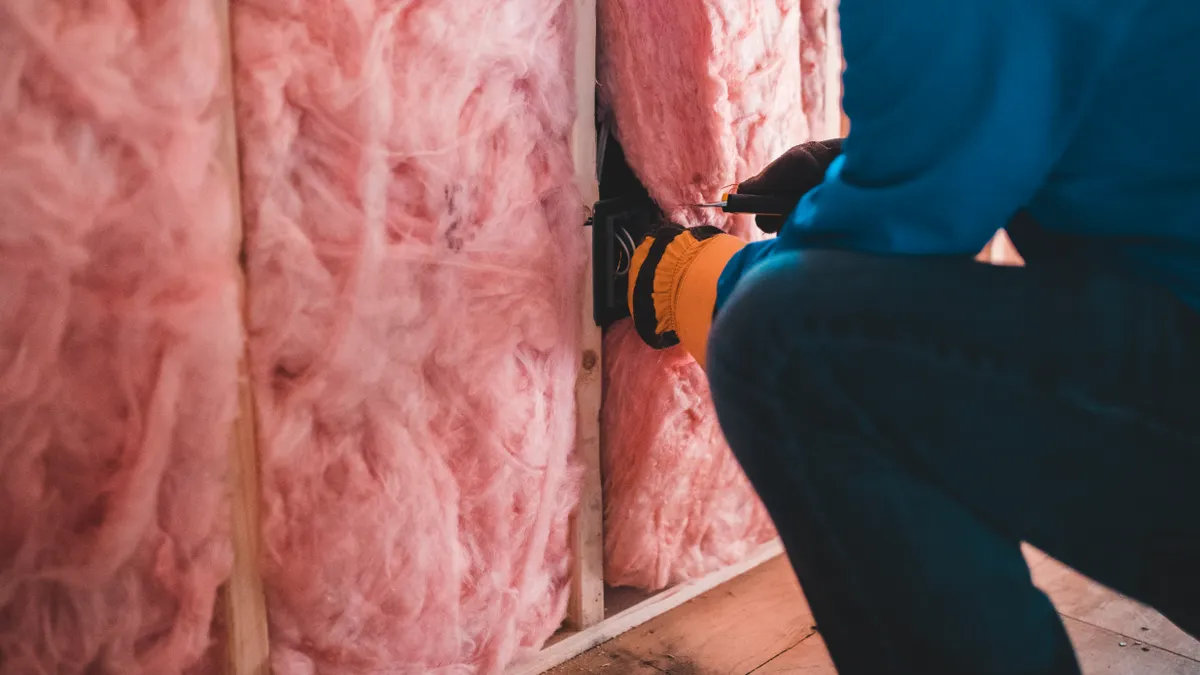
Don’t forget basic efficiency. Smart devices help. But good insulation, sealing air leaks, and efficient appliances are still very important.
Smart tech works best with a solid foundation.
Smart Home Energy Saving: How It Works
1. Monitoring: Devices collect data on energy use.
2. Automation: Based on schedules, sensors, or remote commands, devices adjust settings.
3. Control: Users can manage devices via apps or voice, even remotely.
4. Learning: Advanced systems learn user habits to optimize performance.
5. Integration: Devices can work together for more complex energy-saving scenarios.
Frequently Asked Questions About Smart Home Energy Saving
How much money can I really save with a smart thermostat?
The U.S. Department of Energy suggests that programmable thermostats can save about 10% a year on heating and cooling. Smart thermostats can often save more.
This is because they learn your schedule better. They also offer remote control. Savings can range from 10% to 20% or more.
Do smart lights actually save energy compared to regular LED bulbs?
Regular LED bulbs are already very energy-efficient. Smart LED bulbs offer additional savings through control. You can dim them, set them on schedules, or turn them off remotely.
This prevents them from being left on unnecessarily. So, while the bulb itself is similar, the control features add to the savings.
What is “phantom load” and how do smart plugs help?
Phantom load, or standby power, is the electricity devices use when they are turned off but still plugged in. Many electronics draw power this way. Smart plugs allow you to completely cut power to these devices.
You can do this manually through an app. Or you can schedule them to power down. This stops that wasted energy.
Is setting up smart home devices difficult?
Most modern smart home devices are designed for easy setup. They often come with user-friendly mobile apps. These apps guide you through connecting the device to your Wi-Fi network.
For many devices, it’s a plug-and-play or simple pairing process. If you can set up a new router, you can likely set up smart devices.
Do I need a separate hub for all my smart home devices?
Not always. Many newer smart devices connect directly to your Wi-Fi network. However, some systems work best with a central hub.
This hub can manage multiple devices. It can also enable more advanced automation. Consider your needs.
Some hubs integrate with voice assistants like Alexa or Google Assistant.
Can smart home energy saving help with high electricity bills in the summer?
Absolutely. Smart thermostats can manage air conditioning more efficiently. They can learn when to cool your home.
They can also adjust cooling based on humidity and outside temperatures. Smart plugs can ensure fans and other devices are off when not needed. Smart lighting also helps reduce heat generated by lights, indirectly reducing cooling needs.
Conclusion: A Smarter Way to Power Your Home
Embracing smart home technology is a practical step towards energy efficiency. It empowers you to control your home’s power use. You can save money and reduce your environmental impact.
Start with one device. Explore the possibilities. Your wallet and the planet will thank you.
Leave a Reply