
Last updated: October 29, 2026
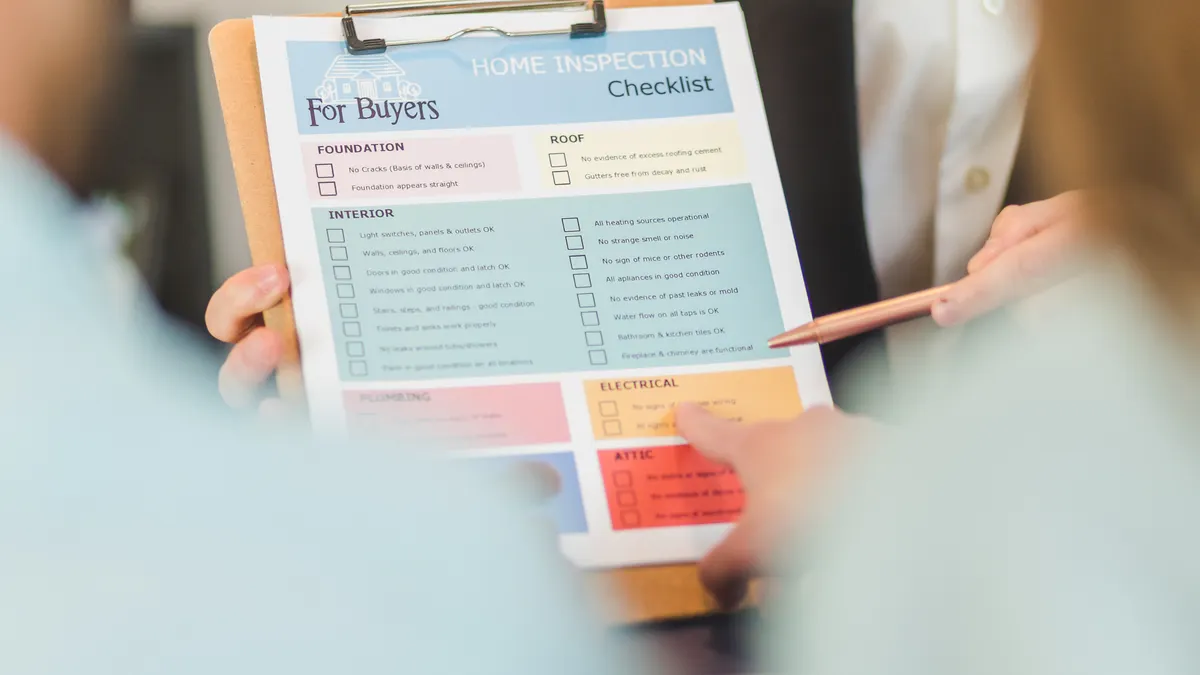
In short, how much does a home energy audit cost? It usually ranges from free to a few hundred dollars, depending on what the auditor measures, how large the house is, and whether a utility company or state energy office helps cover the bill. A basic visit costs less than a full diagnostic audit with a blower door test, infrared imaging, and written recommendations.
Key Takeaways
- You pay for labor, equipment, and a report that turns a house into measurable problems.
- Costs range from free to several hundred dollars, with most paid audits in the low hundreds.
- Scope, equipment, and on-site time drive most of the price.
- A paid audit usually includes an inspection, basic measurements, and a written next-step plan.
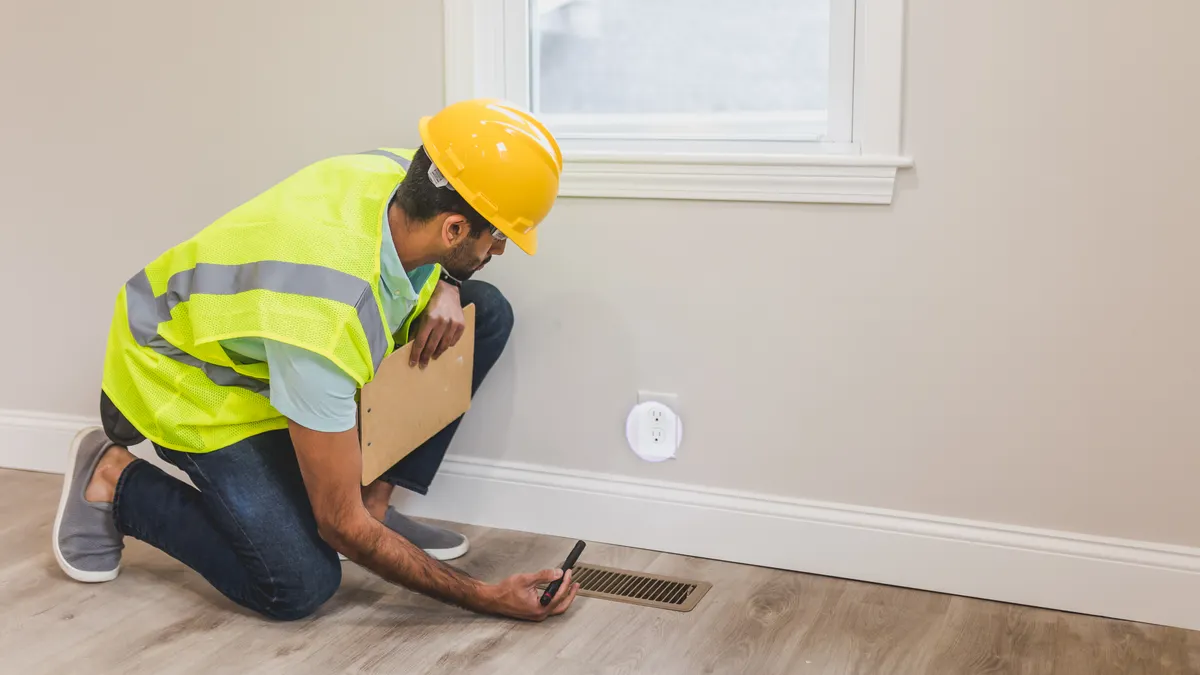
A home energy audit is not one fixed product. One energy auditor may walk through the house and give quick advice. Another may spend 2 to 4 hours measuring leakage, checking insulation access, and testing combustion safety around gas appliances. The bigger the scope, the higher the fee. For a broader definition of what the process can include, see the home energy audit guidance from the U.S. Department of Energy.
What you are actually paying for
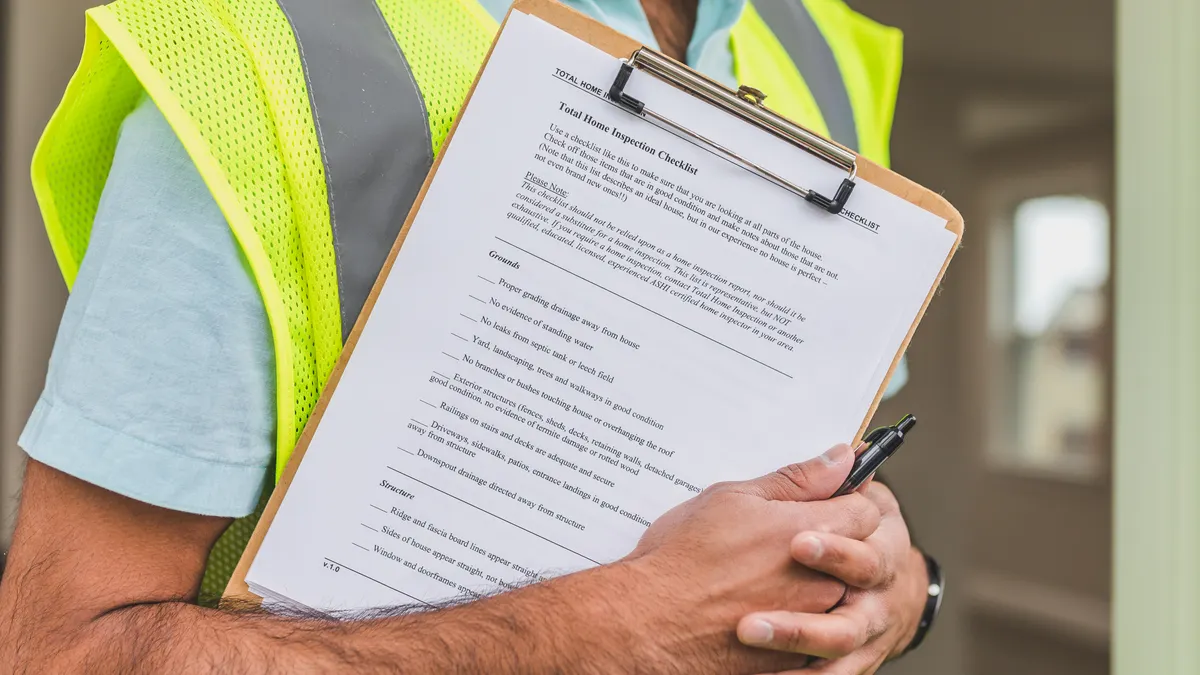
You are paying for labor, equipment, and a report that turns a house into a set of measurable problems. A plain walkthrough is cheaper than a diagnostic audit that includes a blower door test, because the second version uses specialized gear and takes more time to analyze.
A typical audit fee often reflects these parts:
- Time on site, usually 1 to 4 hours for a single-family home
- The auditor’s training and certification level
- Test equipment such as a blower door, infrared camera, combustion analyzer, or pressure gauges
- The written summary, which may include repair priorities and estimated payback order
- Travel time, especially in rural areas or for older homes spread over more than one floor
A good audit is more than a checklist. It is a measurement-based assessment. If the auditor uses a blower door test, they depressurize the house to show where air leaks concentrate. That test is often paired with visual inspection of ducts, attic hatches, rim joists, and windows. If the audit does not include diagnostics, the price is lower, but the recommendations are usually less precise.
The trade-off is straightforward: a lower-cost visit may point you toward obvious fixes, while a more detailed audit can show which leaks, duct gaps, or insulation gaps are worth fixing first. If your main goal is to decide whether a $300 repair will save energy, the detailed version usually gives better direction than a simple walkthrough. For guidance on how diagnostic testing fits into weatherization, the Weatherization Assistance Program also outlines common audit-related steps.
How much does a home energy audit cost?
The cost can range from no charge to several hundred dollars, with the most common paid audits landing in the low hundreds rather than the thousands. A utility-sponsored visit may be free or heavily discounted, while an independent energy auditor usually charges more for a full diagnostic package.
Price depends on the format and the testing included:
| Audit type | Typical pricing | What it usually includes |
|---|---|---|
| Basic visual audit | Lowest cost, sometimes free | Walkthrough, obvious issue spotting, limited measurements |
| Mid-level audit with blower door testing | Low hundreds in many markets | Air leakage testing, inspection, written findings |
| Comprehensive audit with reporting and follow-up recommendations | Highest tier | Diagnostics, detailed report, prioritized next steps |
House size matters too. A small condo takes less time than a 3,000-square-foot detached home with an attic, basement, crawl space, and multiple heating zones. Older homes often cost more to assess because they have more places where air leakage, insulation gaps, or outdated mechanical systems can hide.
The location can change the fee as well. In some markets, labor rates are simply higher. In others, the utility company subsidizes the visit, which can make the homeowner’s out-of-pocket cost look much lower than the full value of the service.
This is the number readers usually want, but it has an asterisk: the price is not just about square footage. Two houses of the same size can get different quotes if one has inaccessible crawl spaces, steep rooflines, or multiple fuel systems. If the auditor must test a furnace, water heater, and attached garage for safety and leakage issues, the visit takes longer.
If you only need a rough sense of where the house is wasting energy, a lower-priced audit may be enough. If you plan to fund weatherization work or a larger retrofit, the more detailed audit is often the better buy. The Environmental Protection Agency and energy-efficiency programs such as ENERGY STAR both emphasize using reliable information before making upgrade decisions.
What affects pricing most?
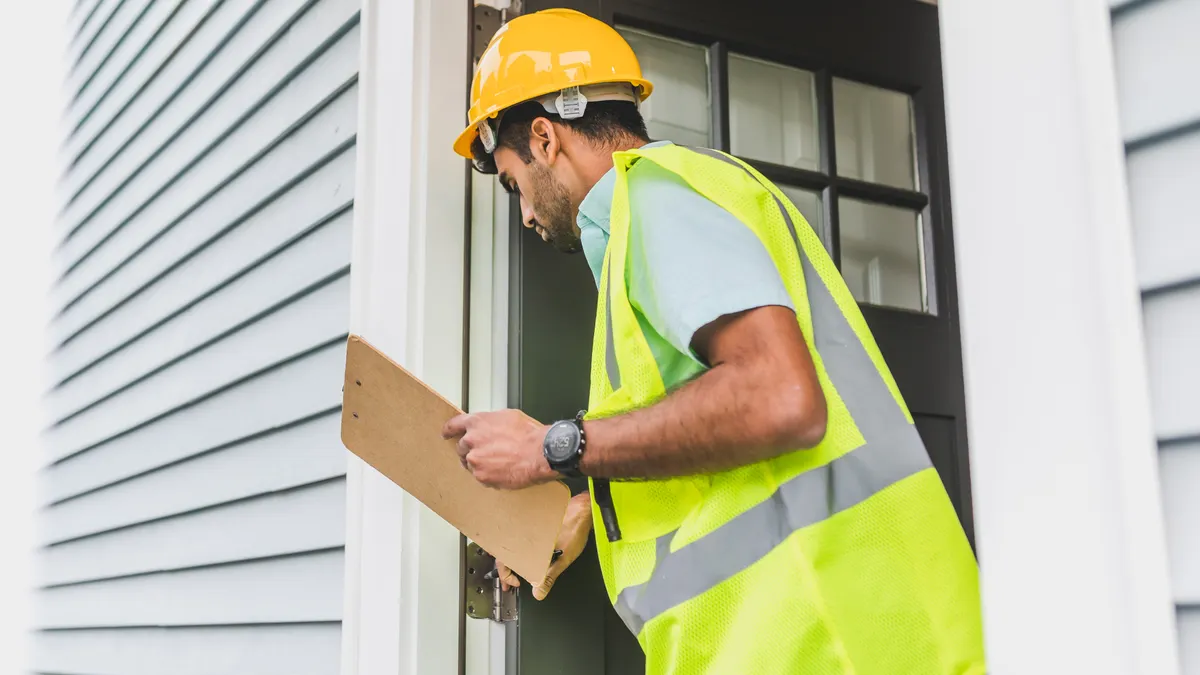
The biggest price drivers are scope, equipment, and how much time the auditor needs inside the home. A 90-minute visual inspection will not cost the same as a 3-hour audit with a blower door test and infrared scan.
Here is the usual pattern:
-
Type of audit
A basic assessment costs less than a full diagnostic audit. The difference is usually the testing. A blower door test alone adds setup and teardown time. -
Home size and layout
A 900-square-foot apartment is faster to assess than a 2,500-square-foot house with an attic and basement. More rooms, more levels, and more mechanical systems mean more labor. -
Age and complexity of the building
A newer home with a simple HVAC setup is easier to inspect than a house built before modern air-sealing and duct standards. Older homes may need more careful checks around combustion appliances and envelope leakage. -
Add-ons
Some auditors include duct leakage checks, moisture notes, or appliance safety observations. Each extra test can raise the fee. -
Travel and local market rates
A company serving a wide rural area may charge more to cover travel. Urban rates can also be higher simply because labor costs are higher. -
Who is paying the bill
If a utility company or state energy office sponsors the audit, the homeowner may pay less than the full market rate. The invoice can change depending on eligibility rules and service territory.
A common mistake is assuming every audit is comparable on price alone. A $75 visit that only walks through the home is not the same product as a $400 diagnostic assessment with printed findings and test results. If the quote does not mention the blower door test, the report, and the number of hours on site, the price is hard to compare fairly.
What is included in a paid audit?
A paid home energy audit usually includes an on-site inspection, basic measurements, and a written plan for the next steps. The exact package varies, but the useful versions explain where energy is being lost and which fix comes first.
A standard paid audit often includes:
- A room-by-room walkthrough
- Inspection of attic access, rim joists, doors, and windows
- Review of heating and cooling equipment
- A blower door test on many full diagnostics
- Sometimes infrared imaging to show temperature differences
- A written summary or report
The report matters as much as the visit. A decent report does not just say “air seal the house.” It should point to the attic hatch, recessed lights, duct joints, or basement rim joist if those are the weak spots. It may also rank measures by urgency, such as safety issues first, then envelope leaks, then equipment upgrades.
Some audits also include a discussion of rebates or incentives, but that is not always part of the base fee. If a utility company runs the program, the follow-up may be tied to approved contractors or specific upgrade categories. A state energy office may offer a separate program with its own forms and deadlines.
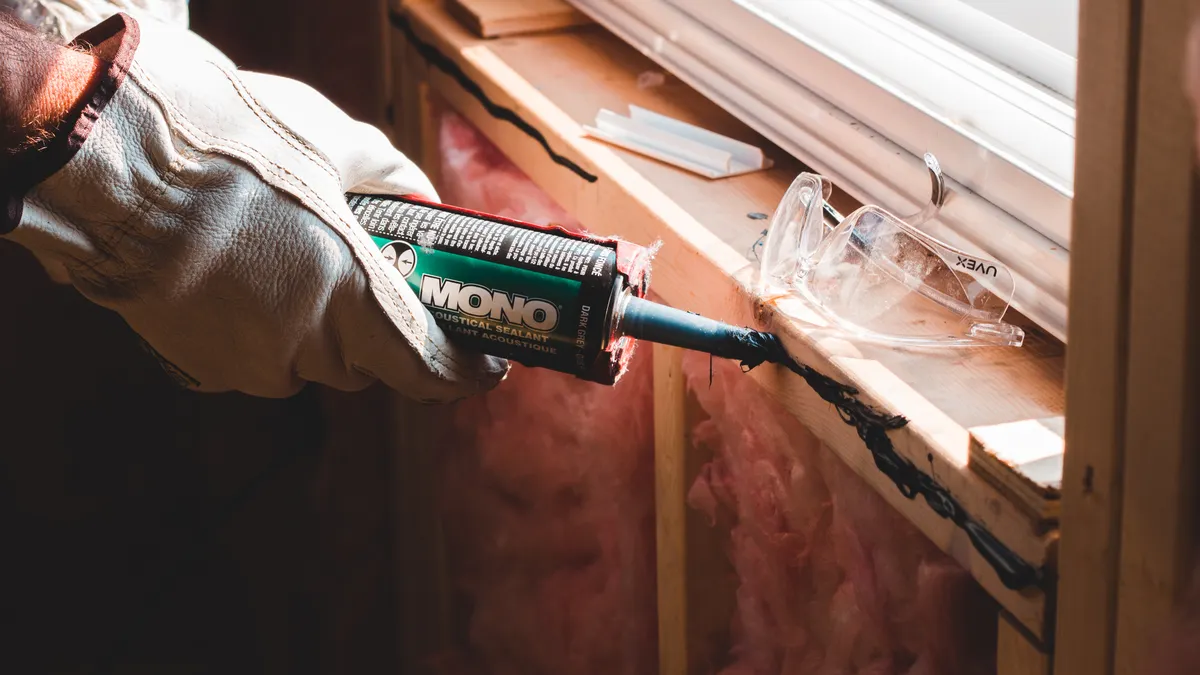
One thing many readers miss: a full audit does not always include the repairs themselves. The audit is the diagnosis, not the fix. If the house needs attic insulation, duct sealing, or furnace work, those costs are separate.
That distinction is useful. It helps the homeowner avoid treating the audit as the whole project. The audit tells you where the money should go; it does not put new insulation in the attic or seal the ducts. If you want a quote for the work itself, that is a different conversation, and a qualified contractor should confirm what repairs are appropriate for your home.
Free vs paid audits: which one makes sense?
A free audit makes sense when it is tied to a utility company promotion, a state energy office program, or a weatherization referral that fits your home. A paid audit makes more sense when you want detailed diagnostics and do not qualify for a subsidy.
Free audits are usually lighter-touch. They may still identify obvious problems, but they can be limited in time, equipment, or scope. Some are offered only to customers in a certain utility territory or only during a program period. That means the actual price can be zero while the eligibility rules stay strict.
Paid audits cost more, but they usually offer more detail and fewer strings. You choose the auditor, the date, and often the depth of the report. That can matter if you are planning a larger project and want a clear starting point.
The right choice depends on the problem you are trying to solve:
- If you want a quick answer about visible leaks, a free or low-cost audit may be enough.
- If your house has chronic drafts, high bills, or uneven rooms, a paid diagnostic audit is often worth the money.
- If you plan to spend thousands on air sealing, insulation, or HVAC work, a more complete audit can help prevent wasted spending.
The drawback of “free” is that it may be less flexible. The drawback of “paid” is obvious: you are spending money before any repair begins. If the house is small, recent, and already comfortable, a full diagnostic audit may not pay back quickly.
For a broader overview of the process itself, the hub page on home energy audit can sit alongside this pricing guide and explain how the inspection works from start to finish. If you are comparing services, the home energy audit overview can also help you understand the scope of different visits.
When does the audit pay for itself?
A home energy audit pays for itself fastest when the house has obvious air leakage, an inefficient heating or cooling system, or a history of comfort complaints. The audit does not save energy by itself; the savings come from the fixes it points to.
The return depends on what the auditor finds and what you actually repair. A blower door test may reveal a leaky attic hatch or duct connection that is cheap to seal. That kind of issue can produce a quicker payback than a bigger project that needs major labor. On the other hand, if the home already has tight construction, modern equipment, and modest bills, the audit may mostly confirm that little needs doing.
Three situations make the most sense:
-
Old or drafty homes
A pre-1980 house often has more leakage points and a better chance of uncovering useful fixes. -
High utility bills with no clear cause
If bills are climbing and the thermostat settings have not changed much, an audit can separate envelope loss from equipment problems. -
Planned renovation work
If you are already opening walls, replacing a furnace, or upgrading insulation, the audit can help sequence the work correctly.
The weak case is a small, recently built home with stable bills and no comfort complaints. In that situation, the audit may be nice to have but not urgent. It can still catch a few issues, yet the financial payoff may be slow.
If a utility company subsidizes the visit, the math improves quickly. A lower upfront fee means the recommended repairs have less cost to recover before they start saving money. A state energy office incentive can improve that equation too, but the rebate rules vary, so the homeowner should confirm them before scheduling.
How to compare quotes without overpaying
A fair quote tells you exactly what is included and what is not. A vague “home energy audit” price is hard to compare if one company includes a blower door test and another does not.
Use this simple sequence:
- Ask what the fee covers. Get the price for the visit, the report, and any diagnostic tests in one line. A quote that names the blower door test and expected time on site is easier to judge.
- Check whether incentives apply. Ask the utility company or state energy office whether the audit is subsidized, reimbursable, or bundled with another program. The result may change the out-of-pocket cost sharply.
- Match the scope to your goal. If the house needs a basic check, paying for advanced diagnostics may be unnecessary. If you are preparing for major weatherization, a simple walkthrough may be too limited.
A few quoting mistakes cost people money:
- Comparing a free utility screening to a paid diagnostic audit as if they were the same service
- Ignoring travel fees for rural or out-of-area homes
- Assuming the written report is included when it is billed separately
- Choosing a low price without checking whether the audit includes the measurements you actually need
The cleanest comparison is not the lowest number. It is the quote that names the inspection length, the tests performed, and the deliverable at the end. If two quotes both include a blower door test, a written report, and a 2-hour on-site visit, they are easier to compare than two prices with different scopes.
Should you pay for a home energy audit?
Yes, if you need a clear plan for where energy is being lost and you expect to act on the findings. No, if your house is already efficient, your bills are stable, and you are unlikely to make the repairs the audit identifies.
The audit is most useful when it changes decisions. A homeowner who uses the report to seal leaks, fix duct issues, or prioritize insulation upgrades can often get real value from the fee. A homeowner who simply wants a general opinion may be fine with a lower-cost screening or a subsidized visit.
That is the simplest way to judge the price: not “Is the audit expensive?” but “Will this information help me avoid the wrong repair or choose the right one first?” If the answer is yes, the cost is easier to justify. If the answer is no, the better move is usually to wait, use a free program if one is available, or focus on a single visible issue before paying for a full audit.
How much should I expect to pay for a home energy audit?
You should expect to pay anywhere from free to a few hundred dollars, depending on the type of audit and who is paying for it. A utility company or state energy office may subsidize the visit, while a private energy auditor will usually charge more for a detailed diagnostic with a blower door test and written recommendations.
Are energy audits free anywhere?
Yes, some energy audits are free through utility company programs or state energy office offerings. Free does not always mean unlimited, though. The visit may be available only in certain service areas, during a program window, or for homes that meet eligibility rules. The scope can also be narrower than a paid diagnostic audit.
Do rebates cover energy audit costs?
Sometimes, but not always, and the rules vary by program. A rebate may offset part of the fee, or the audit may be bundled into a larger incentive package tied to approved upgrades. The homeowner should confirm the terms with the utility company or state energy office before booking, since coverage can depend on the program and location.
Drafted with AI; not yet reviewed by a person.



Leave a Reply