
Last updated: October 26, 2026
Quick Answer: In Energy-Efficient Home Upgrades — The Complete Guide, the first move is often air sealing, and the most common next move is attic insulation. In many homes, that sequence comes before HVAC replacement and can change the size of the equipment you need. If your house is drafty, uncomfortable, or expensive to heat and cool, this guide shows which upgrades pay off, which ones disappoint, and which sequence usually makes the most sense.
Key Takeaways
- A home uses less heating, cooling, lighting, and hot water when it is more energy-efficient.
- Air sealing and insulation often come first because they cut wasted heating and cooling without changing daily life much.
- A leaky or under-insulated house usually needs shell work before equipment; failing equipment changes that order.
- The key question is not “insulation versus HVAC” in the abstract.
I write about home performance, building systems, and energy-code trade-offs, so I’m going to be blunt about the part most articles skip: not every “green” upgrade is a good upgrade, and some of the most advertised ones make sense only after the envelope is tightened. If you are unsure where to start, consult a qualified home-performance professional and use a source such as the U.S. Department of Energy’s Energy Saver site: https://www.energy.gov/energysaver
What actually makes a home energy-efficient?
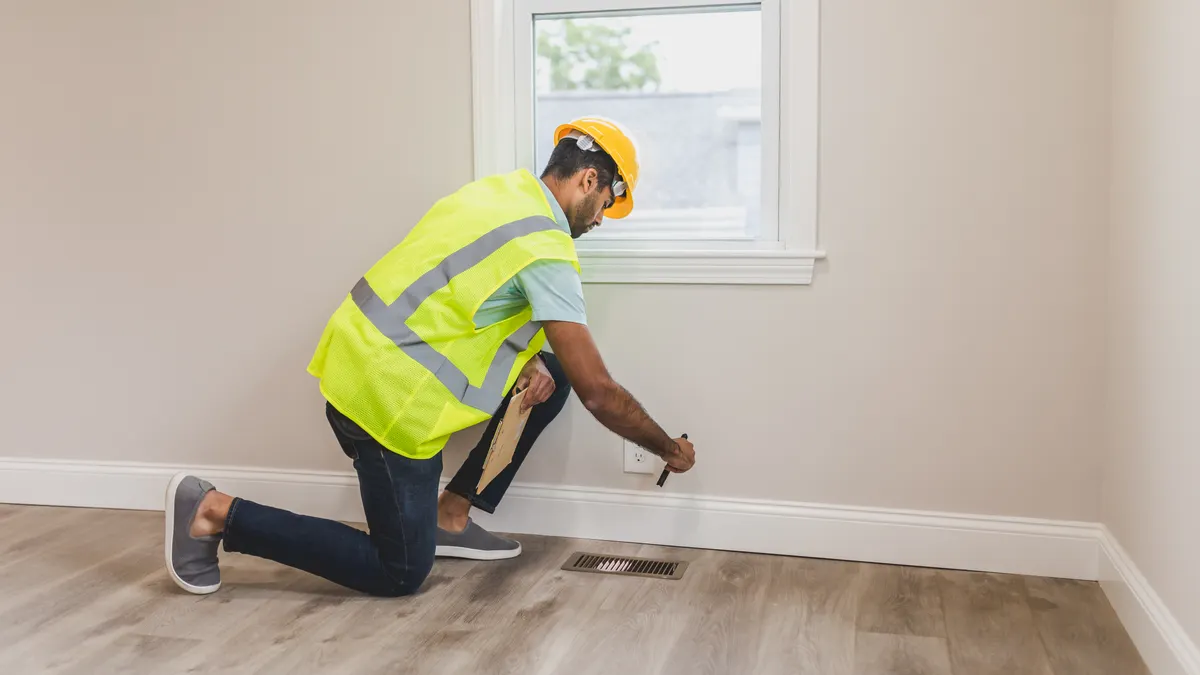
A home becomes energy-efficient when it needs less heating, cooling, lighting, and hot water to stay comfortable. That means reducing losses first, then using equipment that matches the smaller load. The building shell usually sets the ceiling for savings, and the equipment comes second.
The usual mistake is to start with a new furnace, a heat pump, or solar panels while leaving the house leaky and under-insulated. That can work, but it often wastes money. A home with large air leaks and thin attic insulation may need a bigger HVAC system than a tightened-up version of the same house. Oversized equipment cycles on and off, runs less efficiently, and often does a worse job removing humidity.
The highest-value upgrades usually fall into four buckets:
- air sealing
- insulation
- HVAC and ventilation improvements
- water-heating and appliance upgrades
A fifth bucket, solar, can be excellent, but it belongs in a different decision tree. Solar offsets usage; it does not fix waste. The U.S. Environmental Protection Agency’s ENERGY STAR guidance also treats sealing and insulation as foundational steps before bigger system changes: https://www.energystar.gov/saveathome/seal_insulate
For most homes, the right order is:
- fix obvious air leaks
- improve attic and rim-joist insulation where practical
- service or replace bad ductwork
- replace old HVAC and water heating only when the existing system is failing, undersized, or inefficient
- add controls, LEDs, and solar once the basics are covered
That sequence matters because a $500 air-sealing job can change the payoff on a $12,000 heating system. A generic article often treats every upgrade as independent. In real houses, one change affects the economics of the next, so consult a professional before locking in the order.
For a general reference on whole-home efficiency priorities, the U.S. Department of Energy’s Energy Saver site is a solid starting point: https://www.energy.gov/energysaver
Which energy-efficient upgrade should come first?
Air sealing usually comes first, and insulation comes a close second, because both reduce wasted heating and cooling without changing how you live. If your home has drafts, uneven temperatures, cold floors, or a furnace that runs too often, these are the first places to spend.
Air sealing targets gaps around attic hatches, recessed lights, plumbing penetrations, top plates, chimney chases, crawlspace openings, and duct leaks. The benefit is direct: less conditioned air leaves the house, and less outdoor air sneaks in. The trade-off is that a house can get tighter without getting healthier unless ventilation is addressed too. That’s why sealing work should not be random caulking alone; it should be paired with a plan for fresh air.
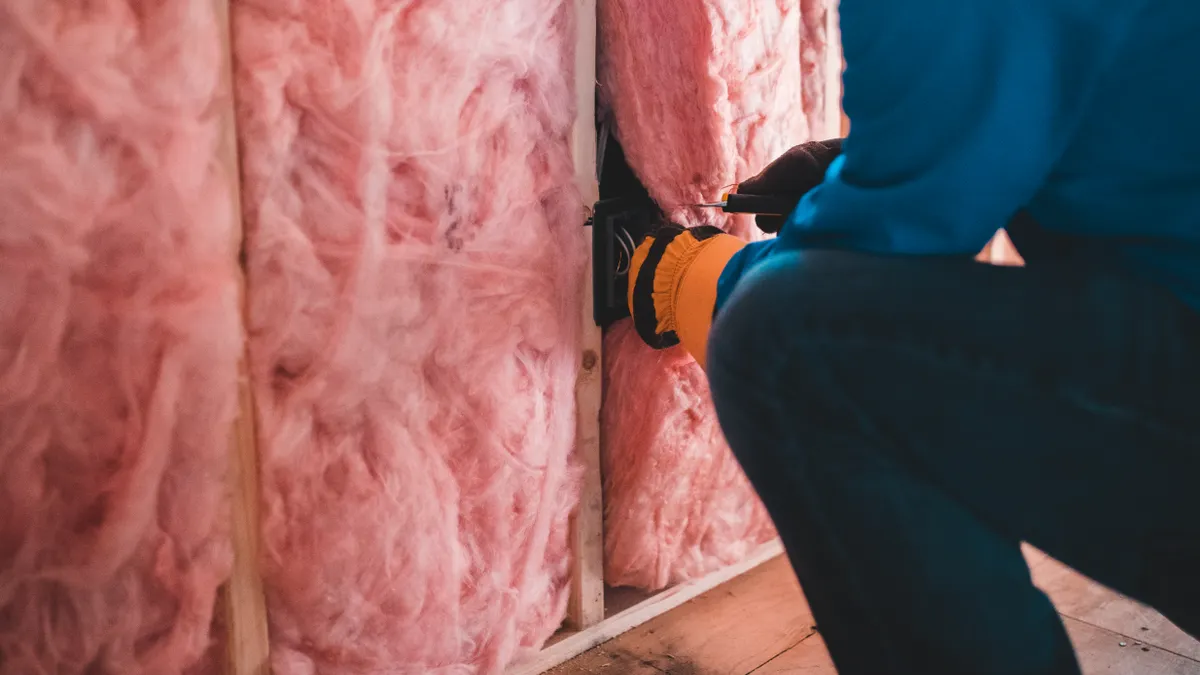
Insulation is the second move because it slows heat flow. In many homes, the attic is the easiest place to add the most benefit. A poorly insulated attic acts like a lid with holes in it. Wall insulation can help too, but it is harder and often more expensive to retrofit. Floors over crawlspaces and rim joists at the edge of the basement are also common weak spots.
The right upgrade depends on the house type:
- Older leaky homes: air sealing first, then attic insulation
- Homes with rooms over garages or crawlspaces: seal and insulate those problem areas
- Finished attics: pay close attention to the roofline, ventilation, and moisture control
- Newer tight homes: focus on ventilation, because the shell may already be reasonably tight
A common failure mode is over-insulating without controlling moisture. In cold climates, warm indoor air reaching a cold attic can condense, which creates rot and mold risk. In humid climates, sealing without verifying bath fans, kitchen exhaust, and whole-house ventilation can trap moisture and odors. The fix is not “insulate harder.” The fix is “match the ventilation strategy to the tighter shell.”
If you want the biggest comfort gain per dollar, this is usually the place to start.
Should you insulate or replace the HVAC system first?
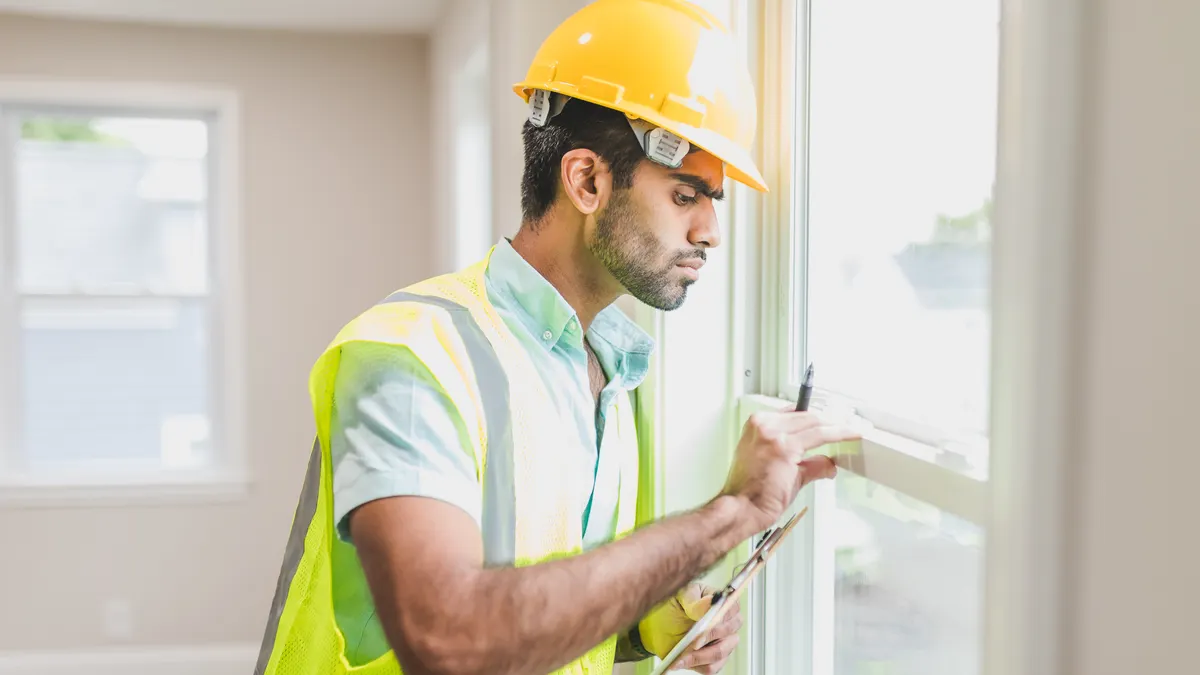
Insulation wins first if the house is leaky or under-insulated; HVAC wins first only when the current system is near failure or grossly inefficient. That is the clearest answer, and it saves people from buying a bigger machine to cover a smaller problem.
A new HVAC system is a good early move when one of these is true:
- the old unit is dead or failing often
- the home is already reasonably tight and insulated
- the current system uses an old combustion furnace or air conditioner with poor efficiency
- rooms are uncomfortable even after envelope improvements
- you are switching fuel types, such as from oil or propane to a heat pump
A new system is a bad early move when the real problem is heat loss. If the attic is under-insulated or the ductwork leaks into a hot attic, the new equipment will just work harder than necessary. That raises upfront size, increases complexity, and can shorten equipment life.
The best modern HVAC choices are often high-efficiency heat pumps in mild to moderate climates, but the best choice still depends on the house, the climate, and the load calculation. In colder regions, high-efficiency furnaces can still make sense when fuel economics or existing infrastructure favor them. The equipment choice should follow load calculation, not habit. An installer should size the system based on the actual house, not the square footage alone. The industry-standard method is Manual J for load calculation, with Manual S for equipment selection and Manual D for duct design. If a contractor cannot explain those terms, that is a warning sign. The Air Conditioning Contractors of America describes these design methods here: https://www.acca.org/standards/technical-manuals
Real strengths of HVAC upgrades:
- better comfort
- better humidity control with the right system
- potential reduction in fuel use
- replacement of failing equipment before an emergency callout
Real weaknesses:
- high upfront cost
- savings vary widely by climate and existing system
- poor installation can erase much of the efficiency benefit
- oversized equipment can worsen comfort
For homes with major leakage or weak insulation, HVAC replacement is often too early in the sequence. For homes with a failing 20-year-old system and a decent shell, it may be the right first major check.
The honest side-by-side
The practical choice is not “insulation versus HVAC” in the abstract. It is “which move changes the building load first, and which move would be wasted if done too early?” For many homes, the answer is insulation and sealing. For homes with a dead furnace or compressor, the answer shifts.
| Criteria | Air sealing and insulation | HVAC replacement | Winner for this condition |
|---|---|---|---|
| Reduces the need for heating and cooling | Yes, by cutting losses at the shell | No, it mostly meets the existing demand more efficiently | Air sealing and insulation |
| Improves comfort in drafty rooms | Usually yes, especially near attics and rim joists | Sometimes, if airflow was the problem | Air sealing and insulation |
| Addresses equipment failure risk | No | Yes, if the system is near end of life | HVAC replacement |
| Upfront cost predictability | Moderate; scope can expand after inspection | High; quote is usually clear, especially for a named model | HVAC replacement |
| Risk of doing it “too early” | Low; little downside if moisture is managed | High; a new unit may be oversized if the shell is still leaky | Air sealing and insulation |
| Need for specialized design | Moderate; ventilation and moisture details matter | High; load calculations and duct design matter | Air sealing and insulation |
| Works best in a house with obvious drafts | Yes | Only partly | Air sealing and insulation |
| Works best when the old system is failing now | Not enough on its own | Yes | HVAC replacement |
| Helps future solar sizing | Yes, by lowering demand | Indirectly, if it is a heat pump or efficient water heater | Air sealing and insulation |
This table hides a real-world truth: insulation and air sealing are often the better investment, but HVAC replacement can be the only sane move when a system is broken. The “winner” depends on whether the house is wasting energy or simply aging out of its equipment.
For many homeowners, the best sequence is shell first, then right-sized equipment. The exception is a house with a cracked heat exchanger, a failed compressor, or a 25-year-old system that can’t survive one more season.
Which upgrades deliver the biggest comfort gains without major renovation?
Attic insulation, air sealing, smart thermostats, LED lighting, and targeted duct repair usually deliver the biggest comfort gains without turning the house into a construction site. If you want results with minimal disruption, this group is often the sweet spot.
A smart thermostat is not a miracle device. It helps when schedules are regular, zoning is simple, and the HVAC system is compatible. It does not fix poor insulation, bad ducts, or an oversized furnace. Its main value is control: better setbacks, better scheduling, and clearer usage data. That can trim waste, but the gain is usually smaller than shell improvements.
LED lighting is the easiest win. Modern LEDs use a fraction of the electricity of incandescent bulbs and run cooler, which also reduces cooling load in warm months. The downside is quality control. Cheap LEDs can flicker, color shift, or fail early. Look for a reputable manufacturer, a color temperature you can live with, and a dimmer compatibility claim if you need one.
Duct repair can be a sleeper upgrade. If ducts run through a vented attic, crawlspace, or garage, leakage can dump conditioned air into places you never wanted to heat or cool. Sealing ducts with mastic, repairing disconnected runs, and insulating ducts in unconditioned spaces can improve delivery to the rooms that actually matter. A warning: tape alone is often not enough, and old duct systems can be awkward to seal fully.
This category is ideal for:
- homeowners who cannot afford major construction
- owners planning a phased upgrade over 1 to 3 years
- people who need better comfort before they need a new system
- anyone whose energy bill is high but whose equipment is still functional
It is not ideal for:
- houses with visible moisture problems that must be solved first
- homes with a failing furnace or compressor
- cases where the main issue is poor window performance in a very cold climate, since windows are often one of the priciest fixes per unit of savings
That last point matters. Windows get the attention, but they are often not the first place to spend unless they are physically failed, rotten, or causing moisture problems.
For guidance on building envelope priorities, the U.S. Environmental Protection Agency’s ENERGY STAR home sealing and insulation resources are a useful reference: https://www.energystar.gov/saveathome/seal_insulate
What about windows, water heaters, and solar?
Windows, water heaters, and solar can all make sense, but they are not the first answer for most homes. That is the honest take, and it goes against the instinct many buyers have when they start shopping for “green” upgrades.
Windows are worth replacing when the existing units are failed, drafty, or causing comfort problems that can’t be solved another way. If the glass is fogged, the frames are rotted, or the sash no longer closes properly, replacement can be justified on durability grounds alone. But if the windows are merely old and the rest of the house is weak, you may spend a lot for a modest drop in energy use. Storm windows or targeted air sealing around existing units can be a better use of money.
Water heaters are easier to justify. A heat pump water heater can be an excellent upgrade in the right basement or utility room, especially when the room has enough air volume, reasonable temperature, and a nearby drain for condensate. The trade-off is that it cools and dehumidifies the space around it, which is useful in some homes and annoying in others. If the water heater sits in a cold garage or tight closet, the fit may be poor.
Solar is often best treated as a demand-offsetting investment after efficiency work. A 6 kW or 8 kW array on a home that wastes energy is still producing power, but the system size may be larger than necessary. Reducing demand first can lower the array size, inverter sizing, and sometimes the battery budget. Solar also depends heavily on roof orientation, shading, roof condition, and utility policy. It is not a universal yes. For rooftop PV basics, the U.S. National Renewable Energy Laboratory is a credible reference: https://www.nrel.gov/solar/photovoltaics.html
The order that usually makes sense is:
- fix the shell
- tune the mechanical systems
- replace worn-out equipment with efficient models
- then decide whether solar or batteries fit the remaining load
This is the part of the guide where generic advice goes wrong most often. It lists every upgrade as if they are interchangeable. They are not. Windows solve different problems than air sealing. Solar solves a bill problem, not a draft problem. Water heaters solve hot-water efficiency, not room comfort.
How do you choose the right upgrade plan for your house?
The right upgrade plan starts with the house’s biggest loss, the age of its equipment, and the climate zone. If you choose based on those three variables, the rest becomes much easier.
Use this decision path:
- If the house is drafty and uneven in temperature: start with air sealing and attic insulation.
- If the furnace or AC is failing soon: compare repair cost against replacement, then choose a properly sized high-efficiency system.
- If hot water bills are high and the water heater is old: evaluate a heat pump water heater, especially in a basement or utility room with suitable conditions.
- If the home is reasonably tight and the systems are old: plan a phased package that combines shell work with equipment replacement.
- If the shell is already good and you want to cut electric bills further: consider solar after demand reduction.
A home energy audit can shorten this process. A quality audit may include a blower-door test, infrared imaging, combustion safety checks, and a review of attic, basement, and duct losses. The result should be a prioritized list, not a generic sales pitch. A bad audit sells the most visible upgrade. A good one identifies the cheapest comfort problem first.
What to expect from a credible audit:
- clear explanation of leakage points
- measurements or visible evidence, not just opinions
- ventilation recommendations if the house will be tightened
- a sequence of work, not a shopping list
What to avoid:
- a contractor who pushes only one product
- a quote that ignores the house’s current insulation level
- promises of dramatic savings without discussing the climate, usage, or existing system
For homeowner guidance on choosing between improvements, the U.S. Department of Energy’s Energy Saver pages are still the most accessible starting point: https://www.energy.gov/energysaver/home-energy-audits
What are the hidden drawbacks nobody mentions?
The biggest drawback is that efficiency work can create new problems if it is done in the wrong order. Tightening a house without ventilation can trap moisture. Replacing equipment before reducing loads can lock in oversizing. Adding insulation without air sealing can leave the main leak path untouched.
Three problems come up again and again:
1. Moisture risk.
In colder regions, warm moist air moving into cold attic spaces can condense. In humid regions, tight homes may need mechanical ventilation to manage indoor moisture. Bathrooms and kitchens matter more than people think.
2. Comfort mismatch.
A house can have a low utility bill and still feel bad if rooms are too hot, too cold, or stuffy. Comfort is not only about energy use. It is also about radiant temperature, air movement, humidity, and distribution.
3. False savings.
A shiny upgrade can make the owner feel proactive without solving the actual problem. Replacing a midlife furnace in a leaky house is the classic version of this mistake. It looks decisive. It is often inefficient as a plan.
That is why the best upgrade is not the most glamorous one. It is the one that reduces waste and improves comfort in the current house with the fewest downstream problems.
A practical rule: if an upgrade has no ventilation, moisture, or sizing conversation attached to it, the plan is probably incomplete.
The verdict: which upgrades to choose first and why
Choose air sealing and insulation first if the home feels drafty, has uneven rooms, or still has an old attic and leaky shell. Choose HVAC replacement first if the current furnace, boiler, or AC is failing, unsafe, or already near end of life. Neither if the house has active moisture damage, unresolved mold, or a system that needs a professional diagnosis before any purchase.
That is the decision I would make for most homeowners.
The best path for a typical home is:
- seal the big leaks
- insulate the attic and other easy weak spots
- repair or redesign ducts where needed
- replace worn equipment with correctly sized efficient models
- add water-heating, lighting, and solar only after the load is under control
If the budget is limited, do not spread it thin across five categories. Finish one layer well, then move to the next. A half-done package often produces half the result.
Quick takeaways
- The shell usually beats equipment as the first spending target.
- Air sealing and insulation cut demand; HVAC mainly serves the reduced load.
- Right-sized equipment matters more than fancy equipment.
- Windows and solar are often later-stage moves, not first-stage fixes.
- A good upgrade plan solves comfort, moisture, and energy together.
- The wrong order can erase savings and create new problems.
Drafted with AI; not yet reviewed by a person.


Leave a Reply