
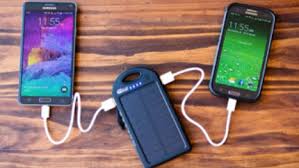
Smart energy gadgets help you track and control your home’s power use. They let you see where energy is going. Then you can make changes to save money and be greener. You’ll learn about the top gadgets for this.
What Are Smart Energy Gadgets?
Smart energy gadgets are devices that connect to your home’s power system. They use smart technology. This means they can talk to your phone or computer.
They help you watch and manage your energy. Think of them as little helpers for your home’s electricity.
These gadgets are designed to make energy saving simple. They gather data. This data shows you your energy habits.
You can then make smart choices. This helps cut down on waste. It also lowers your bills.
Plus, it’s good for the environment.
Why Use Smart Energy Gadgets?
The main reason is to save money. Electricity costs can add up fast. These gadgets help you find hidden energy drains.
You can fix them. This leads to lower bills each month. It’s a smart investment.
Another big reason is environmental impact. Using less energy means less strain on power plants. This often means fewer greenhouse gases.
You can feel good about doing your part. It’s a way to be more eco-friendly from your own home.
They also bring convenience. You can control things from afar. Did you forget to turn off a light?
No problem. You can do it with your phone. This is very handy.
It gives you peace of mind. It makes managing your home easier.
My Own Energy Wake-Up Call
I remember one particularly chilly winter. My heating bill came in. I nearly dropped it.
It was much higher than I expected. I had just assumed my old thermostat was fine. I thought I was already being careful.
But clearly, I was missing something.
I felt a bit foolish. Then I got curious. I started looking into how homes use energy.
I learned so much. Old appliances and even phantom loads were costing me. That’s when I discovered smart energy gadgets.
I decided to try a few. The first one I bought was a simple smart plug. It let me turn off my TV and its accessories remotely.
I was shocked at how much power they used even when “off.” It was a small step, but it made a difference.
Top Smart Energy Gadgets You Need to Know
There are many types of smart energy gadgets. Each one helps in a different way. Let’s look at some of the most popular and useful ones.
They can really change how you use power at home.
Smart Energy Monitors
What they do: These devices watch your whole home’s energy use. They connect to your electrical panel. Some plug into outlets.
They give you real-time data. You see what appliances use the most power. You can check this on an app.
Why they’re great: They give you a clear picture of your energy habits. You can spot power hogs. You can see how much energy specific things use.
This helps you make informed decisions. You learn what uses the most electricity.
Smart Plugs
What they do: You plug these into a regular outlet. Then you plug your device into the smart plug. These plugs can be controlled with an app.
You can turn them on or off remotely. You can also set schedules for them.
Why they’re great: They are perfect for stopping “phantom loads.” Many electronics use power even when turned off. Smart plugs cut this power completely. You can also use them to schedule things.
For example, you can schedule your fan to turn on at certain times.
Smart Thermostats
What they do: These
Why they’re great: Heating and cooling use a lot of energy. Smart thermostats optimize this. They don’t heat or cool an empty house.
They can be programmed for comfort when you are home. This saves a lot of energy. It makes your home more comfortable too.
Smart Lighting
What they do: This includes smart bulbs, switches, and fixtures. You can control them with an app. You can dim them.
You can change their color. You can also set schedules for them to turn on and off.
Why they’re great: Lights use a good amount of electricity. Smart lights let you use only what you need. You can schedule them to turn off when you leave a room.
You can dim them to save energy. This is a simple way to cut power use.
Smart Water Heaters
What they do: These smart devices manage your water heater. They learn when you use hot water most. They heat water only when needed.
Some can even be controlled remotely.
Why they’re great: Heating water uses a lot of energy. Making it smarter means less wasted energy. You don’t waste power heating water you won’t use.
This leads to savings on your energy bill. It’s a big area for efficiency.
Understanding Your Energy Usage: The Role of Monitors
Smart energy monitors are like the brain of your smart energy system. They give you the big picture. Without them, you might be guessing.
They tell you facts. They plug into your home’s electrical panel. Or they might use a plug-in sensor.
These monitors send data to an app on your phone. You can see energy use in real-time. This is exciting.
You can watch a device turn on. Then you see the energy spike. You can identify your biggest energy users.
This could be your refrigerator. It could be your air conditioner. It could even be your old television.
Understanding this is key. It’s like a doctor checking your vital signs. A monitor shows your home’s energy health.
You can see trends over days or weeks. You might notice higher use on certain days. You can then investigate why.
For instance, I noticed my energy use jumped on Saturdays. I checked my monitor data. It was because I used my electric oven for long baking projects.
Knowing this, I could plan. I might bake more on days I also use my dryer. This helps balance the load.
It’s all about using data wisely.
Smart Plugs: Small Devices, Big Impact
Smart plugs are one of the easiest smart gadgets to start with. They are very affordable. You don’t need a big setup.
Just plug one in. Then plug your appliance into it.
Their main power comes from stopping phantom loads. Many electronics draw power even when they are off. This is called standby power.
Think of TVs, game consoles, computers, and chargers. They all do this. Over a year, this adds up.
It’s wasted energy and money.
With a smart plug, you can cut power completely. You can do this with your phone. Or you can set a schedule.
Your TV can turn off at midnight. Your computer can turn off when you go to bed. This is a simple step that saves energy.
I use smart plugs for my entertainment center. The TV, soundbar, and game console are all plugged into one smart plug. When I’m done using them, I tap “off” on my app.
No more standby power. It feels good to know I’m not wasting energy there.
Some smart plugs also track energy use for the device plugged into them. This is extra helpful. You can see which specific item is using the most power.
This data helps you make better choices. You can decide if you need a new, more efficient device.
Smart Thermostats: Your Home’s Climate Control Expert
Heating and cooling your home is usually the biggest energy expense. Smart thermostats are game-changers here. They go beyond simple timers.
They learn your lifestyle. They adapt to your needs.
These thermostats connect to your home’s Wi-Fi. They can be controlled from anywhere. You can adjust the temperature from your phone.
This is great if you are on your way home from work. You can make sure your house is comfortable when you arrive.
But the real magic is their learning ability. Many smart thermostats use algorithms. They learn when you are typically home.
They learn when you are usually away. They also learn how long it takes your home to heat up or cool down. Based on this, they create a schedule.
This means your home isn’t being heated or cooled unnecessarily. When you’re at work, the temperature might be set back. When you’re sleeping, it might be cooler or warmer.
This saves a lot of energy. The U.S. Department of Energy says you can save up to 10% a year on heating and cooling costs.
This happens by setting your thermostat back 7° to 10°F for 8 hours a day.
I invested in a smart thermostat a few years ago. It was one of the best decisions. I used to forget to adjust the thermostat.
Or I’d adjust it too late. Now, it just handles it. I set my preferences.
It takes care of the rest. My energy bills for heating and cooling went down noticeably. Plus, I always walk into a comfortable home.
Smart Thermostat Features to Look For
- Learning Capabilities: Automatically creates schedules.
- Remote Control: Adjust temperature from your phone.
- Geofencing: Adjusts based on your phone’s location.
- Energy Reports: Shows your usage patterns.
- Voice Control: Works with smart assistants.
- System Alerts: Notifies you of potential HVAC issues.
Smart Lighting: Illuminating Your Savings
Lighting is another area where smart tech shines. Smart bulbs, switches, and dimmers offer lots of control. They use LED technology.
LEDs are already much more efficient than old incandescent bulbs.
Smart bulbs connect to your Wi-Fi or a hub. You can control them with an app. You can turn them on or off.
You can dim them to save energy. Dimming a bulb uses less electricity. You can also change the color of some smart bulbs.
This can set a mood. But it also lets you choose a color temperature that uses less power.
Smart switches and dimmers replace your existing wall switches. They give you control over all the lights on that circuit. You can schedule them.
You can turn them off when you leave a room. This prevents lights from being left on accidentally.
Some advanced systems include motion sensors. Lights turn on when someone enters a room. They turn off when the room is empty for a set time.
This is great for hallways, closets, and bathrooms. It’s a hands-off way to save energy. You don’t have to remember to turn things off.
I love my smart lights. I have them set to dim in the evenings. It creates a relaxing atmosphere.
It also uses less energy than full brightness. I also have them on timers for when I’m away. It makes it look like someone is home.
It’s a dual benefit: security and energy saving.
Smart Water Management: Saving Water and Energy
We often think of energy saving in terms of electricity. But heating water also uses a lot of energy. Smart water management gadgets target this.
They help you use hot water more efficiently.
Smart water heaters are becoming more common. They learn your hot water usage patterns. For example, they know when you typically take showers.
They know when the dishwasher usually runs. Then, they heat water in advance for those times. They don’t keep a large tank of water hot all day and night unnecessarily.
This “on-demand” or “smart-schedule” heating saves a lot of energy. It reduces standby heat loss. This is the energy lost when water sits in a tank and cools down.
Some smart water heaters can also be controlled remotely. You could schedule it to heat up just before you get home.
Beyond water heaters, smart showerheads are also a thing. They monitor your water usage. Some can even help you set time limits for showers.
Shorter showers mean less hot water used. This directly translates to energy savings.
While less common, smart irrigation systems also save energy. They use weather data. They water your lawn only when it’s needed.
Less water used means less energy needed to pump and treat that water. This is a broader view of smart energy saving.
Other Innovative Smart Energy Gadgets
The world of smart energy gadgets is always growing. New ideas pop up regularly. Here are a few more that are worth mentioning:
Smart Power Strips
These are like a cluster of smart plugs. One master outlet controls several other outlets. You can turn off all devices plugged into the secondary outlets by turning off the master.
Great for computer setups or entertainment centers.
Smart Window Coverings
Smart blinds and curtains can be programmed. They can open and close at certain times. In summer, they can block the sun during the hottest part of the day.
This reduces the need for air conditioning. In winter, they can open to let in free solar heat.
Energy-Efficient Appliance Integration
While not a gadget itself, many smart home systems can now talk to smart appliances. This means your smart fridge or washer might adjust its cycle to run during off-peak hours when electricity is cheaper. This requires compatible appliances.
Putting It All Together: Creating a Smart Energy Ecosystem
The real power of smart energy gadgets comes when they work together. Many devices can connect to a central smart home hub. Or they can work with smart assistants like Amazon Alexa or Google Assistant.
Imagine this: You say, “Goodnight.” Your smart home system responds. The lights turn off. The thermostat adjusts to your sleep setting.
The smart plug for the TV cuts power. Your smart water heater might go into its lowest energy mode.
This creates a seamless experience. It automangates energy saving. You don’t have to remember each step.
It just happens. This interconnectedness is what makes a “smart home” truly smart for energy efficiency.
Building this ecosystem takes time. You can start with one or two devices. Add more as you get comfortable.
Choose devices that work with the same platform. This makes integration easier. Check for compatibility before buying.
Real-World Scenarios: Where Gadgets Shine
Let’s picture a few common home situations. See how smart gadgets can help:
The Busy Family
Challenge: Lights left on. Thermostat running in an empty house. Forgotten chargers drawing power.
Smart Solution: Smart lighting on schedules. Smart thermostat learns family’s comings and goings. Smart plugs for entertainment centers and computer desks.
The Empty Nester
Challenge: Heating or cooling a large house when only one or two people are home. Appliances running in vacant rooms.
Smart Solution: Smart thermostat with geofencing. Smart plugs on non-essential appliances. Smart lighting on timers for security and appearance.
The Tech-Savvy Renter
Challenge: Wants to save energy but can’t make major appliance changes or wiring alterations.
Smart Solution: Focus on plug-in devices. Smart plugs for lamps, TVs, and small appliances. Smart bulbs.
Smart power strips. Portable smart thermostats (if compatible with HVAC).
When Is It Normal and When Should You Worry?
Not all energy use is bad. Your refrigerator needs to run. Your lights are needed for safety.
The key is understanding what’s normal for your home.
Normal Energy Use:
- Consistent appliance run times.
- Heating/cooling adjustments based on weather.
- Energy spikes when specific appliances are used (e.g., oven, dryer).
- Standby power for essential electronics (though smart plugs can reduce this).
When to Worry:
- Sudden, unexplained spikes in your energy bill.
- Appliances that seem to be running constantly or making strange noises.
- Lights flickering or dimming unexpectedly.
- Feeling that your home is always too cold or too hot, even with the thermostat set.
- A smart monitor showing an appliance using far more energy than it should.
If you see these worrying signs, it’s time to investigate. Smart gadgets can help pinpoint the issue. They give you the data to confirm a problem.
If you can’t figure it out, call a qualified electrician or HVAC professional.
Quick Tips for Maximizing Your Smart Energy Savings
Here are some practical ways to get the most out of your smart energy gadgets:
- Set Realistic Schedules: Don’t make your home uncomfortable. Find a balance between saving energy and living well.
- Use Geofencing: If your smart devices support it, use your phone’s location to control heating/cooling and lights.
- Monitor Your Data: Regularly check your energy reports. Look for trends and opportunities to improve.
- Educate Your Household: Make sure everyone living with you understands how to use the smart devices.
- Combine Devices: Create “routines” or “scenes” in your smart home app. For example, a “Leaving Home” routine could turn off lights, adjust the thermostat, and power down non-essential electronics.
- Update Firmware: Keep your smart devices updated. Manufacturers often release updates that improve performance and efficiency.
- Choose Energy Star Products: When buying new appliances or electronics, look for the Energy Star label. They are designed to be more energy-efficient from the start.
Frequently Asked Questions About Smart Energy Gadgets
Are smart energy gadgets difficult to set up?
Most smart energy gadgets are designed for easy setup. Smart plugs and bulbs often just need to be plugged in and connected to your Wi-Fi via an app. Smart thermostats might require a bit more installation, sometimes needing basic wiring knowledge or a professional.
Always check the product’s instructions.
Do I need a smart home hub to use these gadgets?
Not always. Many smart gadgets connect directly to your Wi-Fi network and use a smartphone app. However, a smart home hub (like Amazon Echo, Google Nest Hub, or Apple HomePod) can help integrate devices from different brands.
It also allows for voice control and more complex automation routines.
How much money can I really save with smart energy gadgets?
Savings vary. They depend on your current energy habits, the types of gadgets you use, and your local electricity rates. Smart thermostats can save you up to 10% on heating and cooling.
Smart plugs can reduce phantom load waste. Energy monitors help you find bigger savings. Many users report saving 5-20% on their total energy bills.
Are smart energy gadgets safe to use?
Generally, yes. They are designed with safety in mind. However, like any electronic device, ensure they are installed correctly and used according to instructions.
Avoid overloading smart plugs. Keep them away from water if they are not waterproof. Always buy from reputable brands.
Will these gadgets work with my existing home appliances?
Smart plugs and smart power strips work with almost any standard plug-in appliance. Smart thermostats are designed to be compatible with most HVAC systems, but it’s wise to check compatibility lists before buying. Smart lighting generally works by replacing your existing bulbs or switches.
What about my internet security and privacy with smart gadgets?
This is an important concern. Ensure you use strong, unique passwords for your Wi-Fi network and your smart device accounts. Keep the firmware of your devices updated.
Buy from well-known manufacturers who prioritize security. Regularly review the privacy policies of the apps you use.
The Future of Smart Energy in Our Homes
Smart energy gadgets are more than just a trend. They are a part of a bigger shift. We are moving towards more connected and efficient homes.
The technology will only get better. Devices will become smarter. They will talk to each other more seamlessly.
They will use artificial intelligence to predict our needs.
As more renewable energy sources come online, smart homes will play a crucial role. They can help manage energy flow. They can respond to grid demands.
This makes our energy system more stable and sustainable.
For us at home, this means even more opportunities to save. It means even greater convenience. It also means contributing more effectively to a healthier planet.
The journey to a smarter, more energy-conscious home has never been more exciting.


Leave a Reply