

Last updated: October 26, 2026
In short: a home energy audit tells you where your house is wasting energy, and whole-home energy savings is the plan that turns those findings into lower bills, steadier temperatures, and less drafty rooms. Quick answer: for an older, leaky house, the audit first; for one obvious defect, a targeted fix can be enough.
Key Takeaways
- A home energy audit finds where energy is lost or wasted, so owners can fix the real problem.
- The best checks are the ones that change the next recommendation.
- An audit is most useful when the cause is unclear; blind upgrades fit only obvious, simple problems.
- Whole-home audits suit older, leaky homes; targeted upgrades suit homes with one clear issue.
A good audit is not a vague “efficiency check.” It is a structured inspection that can include a blower door test, infrared imaging, combustion safety checks, and a room-by-room look at the building shell, HVAC, water heating, lighting, and controls. The U.S. Department of Energy describes a home energy audit as the first step toward improving comfort and cutting energy use, and the building-science logic is simple: fix the biggest losses first, then size upgrades so they work together instead of fighting each other. Home Energy Audits and Whole-Home Energy Savings — The Complete Guide is the framework here, not a slogan.
I write about this category as someone who follows building-science guidance, utility audit programs, and standards such as BPI and RESNET, which are the references professionals use when they want the work to be repeatable instead of guessy. For background, see the U.S. Department of Energy’s Home Energy Audits page and the ENERGY STAR Home Sealing guidance.
What a home energy audit actually does
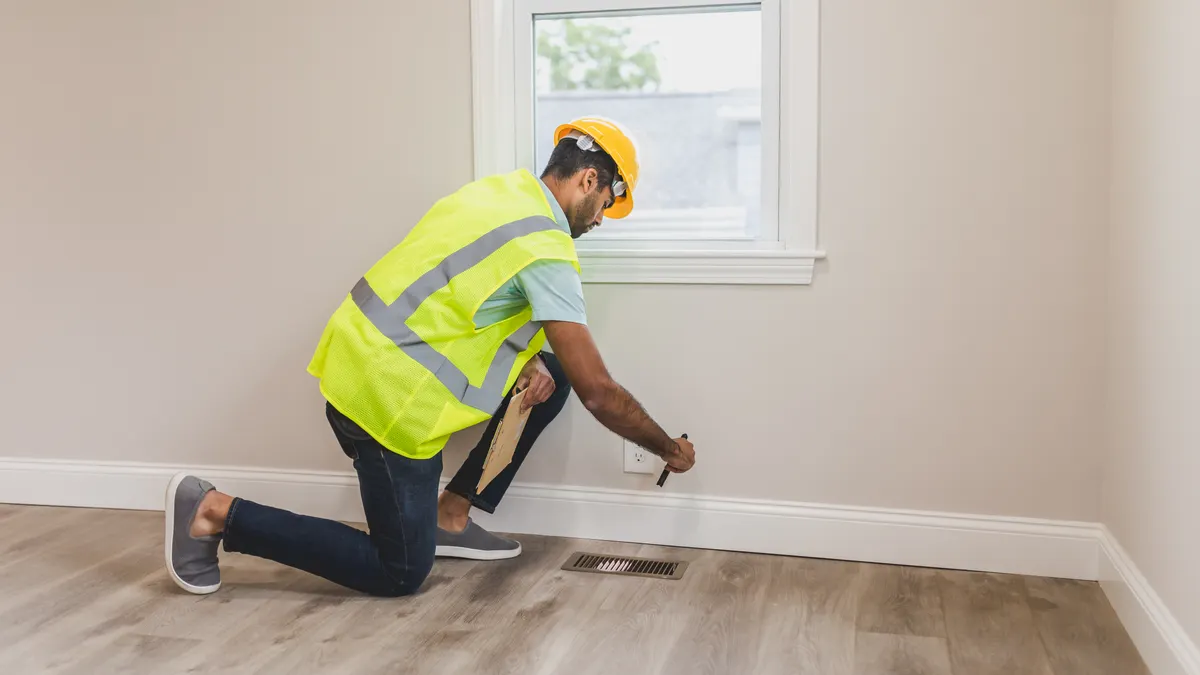
A home energy audit identifies the specific places energy is escaping or being wasted, and that is the point most generic guides blur together. A real audit should answer three questions: where is air leaking, where is heat moving through the shell, and which equipment or habits are driving the bills up?
A proper audit usually starts with an interview about comfort complaints, fuel type, prior upgrades, and utility bills. Then comes the physical inspection. In a comprehensive audit, the auditor may measure leakage with a blower door, check insulation depth and gaps in the attic or crawlspace, inspect duct leakage, and look for combustion safety risks around furnaces, boilers, water heaters, and gas appliances. Infrared thermography can help spot hidden insulation voids or air leakage, but only when temperature conditions make the scan meaningful. DOE’s Home Energy Saver tools reflect that same diagnostic approach.
The most useful output is not a thick report no one reads. It is a prioritized list. The best audits often separate “cheap and immediate” items such as sealing obvious leaks or adding attic insulation from larger projects such as air sealing plus HVAC replacement. That order matters. If a house is leaky, replacing the furnace first can leave savings on the table and may even create comfort problems if the new system is sized for the old, wasteful envelope.
This is also where a lot of advice goes wrong. An audit is not a promise that every issue is worth fixing. Some homes have obvious shell leaks but relatively efficient equipment; others have modern equipment but poor duct design or ventilation. The audit should expose the house as a system, not hand you a shopping list of unrelated gadgets.
What does a home energy audit include?
A home energy audit usually includes an inspection of the building shell, heating and cooling equipment, ductwork, water heating, lighting, and ventilation, plus one or two diagnostic tests that reveal hidden losses.
The most valuable checks are the ones that change the recommendation. For example, a blower door test can quantify how leaky the house is and help the auditor find leakage paths around attic hatches, rim joists, can lights, plumbing penetrations, and old framing joints. A duct test can show whether conditioned air is escaping into an attic, crawlspace, or garage. A combustion safety check matters in homes with atmospherically vented gas appliances, because tightening a house without checking draft and backdrafting can create hazards.
The U.S. Department of Energy’s Home Energy Saver tools and the Energy Star guidance on sealing and insulation both point to the same core sequence: air seal first, then insulate, then tune or upgrade equipment. That order is useful because insulation performs better when air movement is controlled. Loose insulation by itself does not stop air flow through the attic floor or wall cavities.
A quality audit also looks for moisture clues. Stains, mold, peeling paint, or condensation around windows and ducts can signal uncontrolled air movement or ventilation problems. That is one reason a whole-house approach beats isolated fixes. A house is not just losing heat; it may be moving moisture into the wrong places.
A shortcut audit can still be useful if the home is in good shape and the owner only needs a few targeted improvements. But if the house is older, uncomfortable, or has a long utility-bill history, the full diagnostic version is the one that earns its keep.
Should you get an energy audit or just start upgrading?
An energy audit wins when the house has multiple symptoms and no one knows the cause; blind upgrades only make sense when the problem is already obvious and simple.
If the home is drafty, uneven between floors, expensive to heat or cool, or showing signs of moisture trouble, an audit is the better first move. It gives you a sequence. That sequence can prevent the common mistake of buying the wrong equipment for a leaky shell. A high-efficiency furnace or heat pump cannot fully compensate for uncontrolled infiltration or bad ducts.
If the home has one clear issue — say, an uninsulated attic that is easy to see and access — a full audit may be more than you need. In that case, a focused inspection from a qualified contractor can be enough to justify attic air sealing and insulation. The downside is that you may still miss duct leakage, ventilation defects, or combustion issues. That is the trade-off.
A useful way to think about it: audits cost attention and sometimes money up front, but they reduce guesswork. Blind upgrades save time at the start, but they can create expensive detours. In older homes, especially those with gas appliances, a whole-house audit is usually the safer bet. In newer homes with one isolated defect, targeted work may be the smarter use of time.
What a generic article often misses is that an audit is not always a one-time event. A home that gets air sealing, new insulation, or HVAC work may need a follow-up check to confirm that pressure differences, ventilation rates, and comfort problems were actually fixed.
The honest side-by-side
A whole-home audit wins for older, leaky, or complaint-heavy homes; a targeted upgrade wins for a home with one obvious problem and no signs of deeper issues.
| Criteria | Home energy audit | Blind or targeted upgrades | Winner for this condition |
|---|---|---|---|
| Finding hidden air leaks | Uses a blower door and visual inspection to locate leakage paths | Relies on visible clues only | Audit, when drafts are unexplained |
| Preventing comfort problems | Can identify pressure imbalances, hot rooms, and cold floors | May fix one complaint while missing the cause | Audit, when rooms feel uneven |
| Combustion safety | Can include draft and backdraft checks for gas appliances | Usually does not | Audit, when gas appliances are present |
| Upfront effort | Requires scheduling and diagnostics | Faster to start | Targeted upgrades, when the issue is obvious |
| Risk of spending in the wrong order | Lower, because recommendations are prioritized | Higher, because projects can be isolated | Audit, when more than one system is aging |
| Best use of insulation dollars | Helps confirm where insulation and air sealing will matter most | Can overspend in the wrong cavity | Audit, for attics, crawlspaces, and rim joists |
| Value in a new home | May be useful if the build quality is uncertain | Often enough if the house is recent and comfortable | Targeted upgrades, for newer stable homes |
| Clarity for contractors | Produces a roadmap with diagnostics | Depends on the contractor’s judgment | Audit, when you want a plan before bidding |
The table hides one important truth: the best answer is not “audit every house.” The best answer is “audit the houses where the bill, comfort, or safety symptoms suggest more than one problem.” If only one room is cold because of a missing damper or a single uninsulated hatch, an audit can be overkill. If the house has three comfort complaints and two fuel sources, skipping diagnostics is usually false economy.
Which whole-home fixes usually come first?
Air sealing comes before insulation, and insulation comes before equipment replacement in most leaky homes.
That sequence is recommended because air leakage carries heat, moisture, and dust through the building shell. Seal the big gaps first: attic penetrations, plumbing and wiring chases, rim joists, fireplace surrounds, recessed lights rated for contact with insulation only if they are IC-rated, and leaky attic hatches. Then add insulation where it is thin, compressed, or missing. After that, reassess the HVAC system.
The reason this order matters is not theoretical. A furnace or heat pump is sized to handle the home’s load. If the shell is tightened and insulated, the load changes. That can improve comfort and may allow a smaller replacement system later. If you replace equipment first, you may lock in a size that is already too big after the shell work is done.
Duct sealing is another common priority, especially when ducts run through unconditioned spaces. The Department of Energy notes that leaky ducts can waste heated or cooled air before it reaches the rooms that need it. That loss can be large enough to matter even when the furnace itself is efficient. A duct system does not save energy just because the equipment label looks good.
Lighting and appliances still matter, but they usually come after the shell and distribution systems. LED lighting, smart thermostats, and efficient appliances can trim load, yet they rarely solve comfort complaints on their own. A home with bad air sealing and weak insulation will still feel leaky no matter how many LED bulbs are installed.
The right plan is usually layered: seal, insulate, repair ducts, tune equipment, then decide whether a full HVAC upgrade is warranted. That is the whole-home mindset. It is less glamorous than buying the newest machine, but it is how you avoid paying twice.
When a home energy audit is worth the money
A home energy audit is worth it when the house has more than one symptom, the cause is not obvious, or the next upgrade is expensive enough that a wrong choice would hurt.
The strongest candidates are older homes, houses with gas appliances, homes with rooms that are hard to heat or cool, and houses where utility bills feel out of proportion to the weather or the equipment age. The audit also pays off when a homeowner is planning a major project such as furnace replacement, heat pump conversion, attic insulation, or window work. In those cases, the audit can keep the projects in the right order. In 2023, the U.S. Department of Energy estimated that sealing and insulation can cut home energy bills by up to 10 percent, depending on the house.
It is also useful when the owner wants a contractor-ready scope of work. A professional audit can give you a list that can be bid by multiple contractors, which is much better than asking each one to guess at the problem. That reduces the chance of getting three different opinions that all ignore the same leak.
There are times when an audit is less compelling. A small condo with central utilities managed by the building association may not benefit much from a single-unit audit. A nearly new, comfortably performing home with no major complaints may only need a quick inspection or utility review. If the problem is already obvious and modest, a full diagnostic package can be more process than payoff.
One honest limitation: an audit is only as good as the person performing it. A report that lacks measurements, skips combustion safety, or gives generic advice like “use less energy” is not enough. If a utility offers a free or discounted audit, that can be a strong starting point, but the quality still depends on whether the auditor uses real diagnostics and writes specific recommendations.
For broader technical reference, the U.S. Department of Energy’s guidance on home energy audits and the Building Performance Institute’s standards for building-science work are good benchmarks to compare against. A useful audit should feel specific, not vague.
What should you ask before hiring an auditor?
You should ask whether the auditor performs diagnostic testing, follows a recognized standard, and gives prioritized recommendations in writing.
The most useful questions are practical. Do they use a blower door? Do they inspect ducts? Do they check combustion safety when gas appliances are present? Will the report rank measures by cost, complexity, or expected impact? Will they note ventilation concerns if the house is tightened? These are the questions that separate real building-science work from a visual walk-through.
It also helps to ask what the audit does not include. Some providers stop at a checklist and never test the house under pressure. Some do not evaluate crawlspaces or attic bypasses. Some will recommend insulation without discussing moisture control or venting. If the scope is too thin, the audit may miss the very defects that make the house expensive to own.
A good auditor should be able to explain why one fix comes before another. For example, attic air sealing may outrank new windows because windows are usually a smaller slice of total heat loss than leaks at the ceiling plane. That does not mean windows never matter; it means the house’s biggest losses should come first.
Be careful with any audit that promises dramatic savings without a written basis. Energy use depends on climate, fuel rates, the home’s geometry, occupancy, and the condition of existing systems. Honest auditors talk in terms of priorities, not miracles.
What happens after the audit?
After the audit, the right move is to execute the top three measures, not the entire list at once.
The report should usually separate measures into immediate low-cost actions, mid-range envelope work, and larger equipment decisions. Start with the fixes that address safety and the biggest losses. That often means sealing major leaks, improving attic insulation, repairing ducts, or correcting ventilation issues. Then review the home again before making the next big purchase.
This staged approach matters for two reasons. First, it lets you see which problems were solved and which remain. Second, it reduces the chance of paying for work that gets partly undone by later projects. A new HVAC system installed before shell improvements may be the wrong size after the dust settles. Likewise, adding insulation without air sealing can leave the house underperforming.
A good post-audit plan also considers financing and scheduling. Some utilities, state programs, and efficiency rebates require specific tests or certified installers. If that applies where you live, the audit can help you qualify for the right program. The details vary by utility and state, so the current program rules matter more than a generic promise of “rebates.”
The hard truth is that some homeowners collect audits and never act. That is wasted value. The report should end in a short list of actions with a sequence, a rough scope, and a decision point for whether a second assessment is needed.
Exception scenarios: when the verdict changes
A quick visual check may beat a full audit if the house has one glaring defect and no other symptoms.
If the attic is obviously bare or the ductwork is visibly damaged in an unconditioned space, a targeted fix can be the right first move. You do not need a full diagnostic program to know that missing insulation or disconnected duct sections are problems.
If the home is newly built and still under warranty, the builder may be the better first call. In that case, the issue may be a construction defect that should be corrected under warranty rather than through a paid audit.
If there is active moisture damage, a musty smell, or suspected mold, the priority shifts. The first job is to identify and stop the source of moisture; because mold and water problems can be health-related, consult a qualified professional and see the U.S. Environmental Protection Agency’s mold guidance before treating the energy bill as the main problem. An energy audit can still help, but it should not replace a moisture investigation.
If the house relies on oil, propane, or older gas appliances and the owner is considering electrification, the audit becomes even more valuable. The shell, ventilation, and load calculations need to be handled together before a heat pump decision makes sense.
The verdict: which one to choose and why
Choose a home energy audit if your house is older, drafty, uneven in temperature, or expensive to heat or cool, especially if you have gas appliances or are planning a major upgrade. Choose targeted upgrades without a full audit if the problem is one obvious defect in an otherwise stable house. Neither if you are hoping for a quick cosmetic fix to solve a comfort or safety problem.
That is the clean decision. A whole-home energy plan is the right path when the house has multiple interacting issues. A one-off repair is the right path when the issue is visible, isolated, and simple.
How to make the audit pay off
A home energy audit pays off when the recommendations are followed in order and measured against the house itself, not against a generic ideal.
The most valuable outcome is usually not a dramatic before-and-after claim. It is a calmer house: fewer drafts, better room balance, lower runtime on heating and cooling equipment, and less wasted conditioned air. Those improvements come from fixing the shell and distribution system together.
That is why the whole-home approach matters. It avoids the common trap of buying the most visible upgrade first. A house that leaks air, loses heat through the attic, and wastes ducted air needs a sequence, not a single silver bullet.
A well-done audit gives that sequence. A whole-home savings plan gives it direction. If the home is complex, that is the path worth taking.
Drafted with AI; not yet reviewed by a person.


Leave a Reply